We use necessary cookies to operate this website and optional analytics cookies to understand how visitors use our pages. Analytics cookies are used only with your consent. You can accept or reject them and change your choice at any time. See our Cookie Policy and Privacy Policy.


HWPD supports automotive OEM, Tier 1 and Tier 2 engineering and sourcing teams with DFM, mold development, trial sampling, injection molding and assembly. PPAP documents, tolerances and inspection controls are defined for the specific part and production site.
Pilot
1M+
20+
Defined
HW Product Development provides automotive injection molding services for global OEM and Tier 1 suppliers. Our IATF 16949 certified manufacturing system ensures high-quality plastic components for automotive applications including interior trim, exterior parts, and under-hood assemblies.
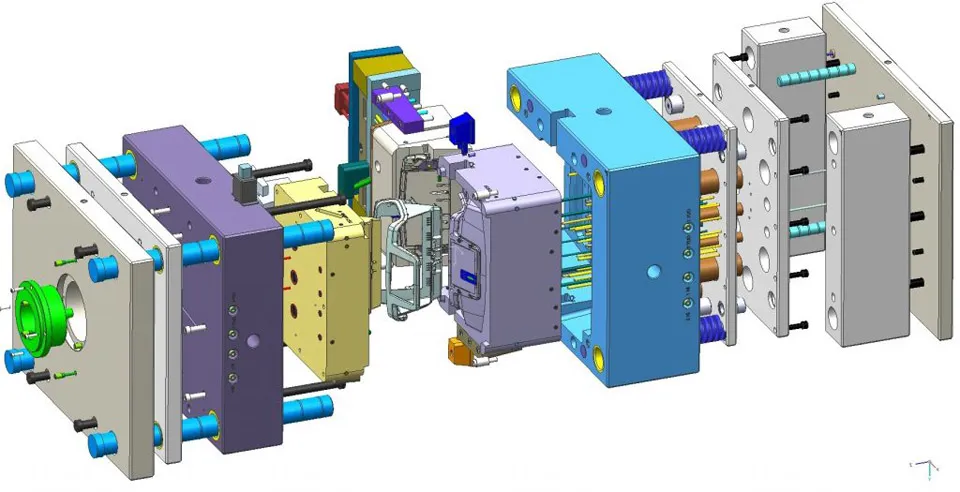
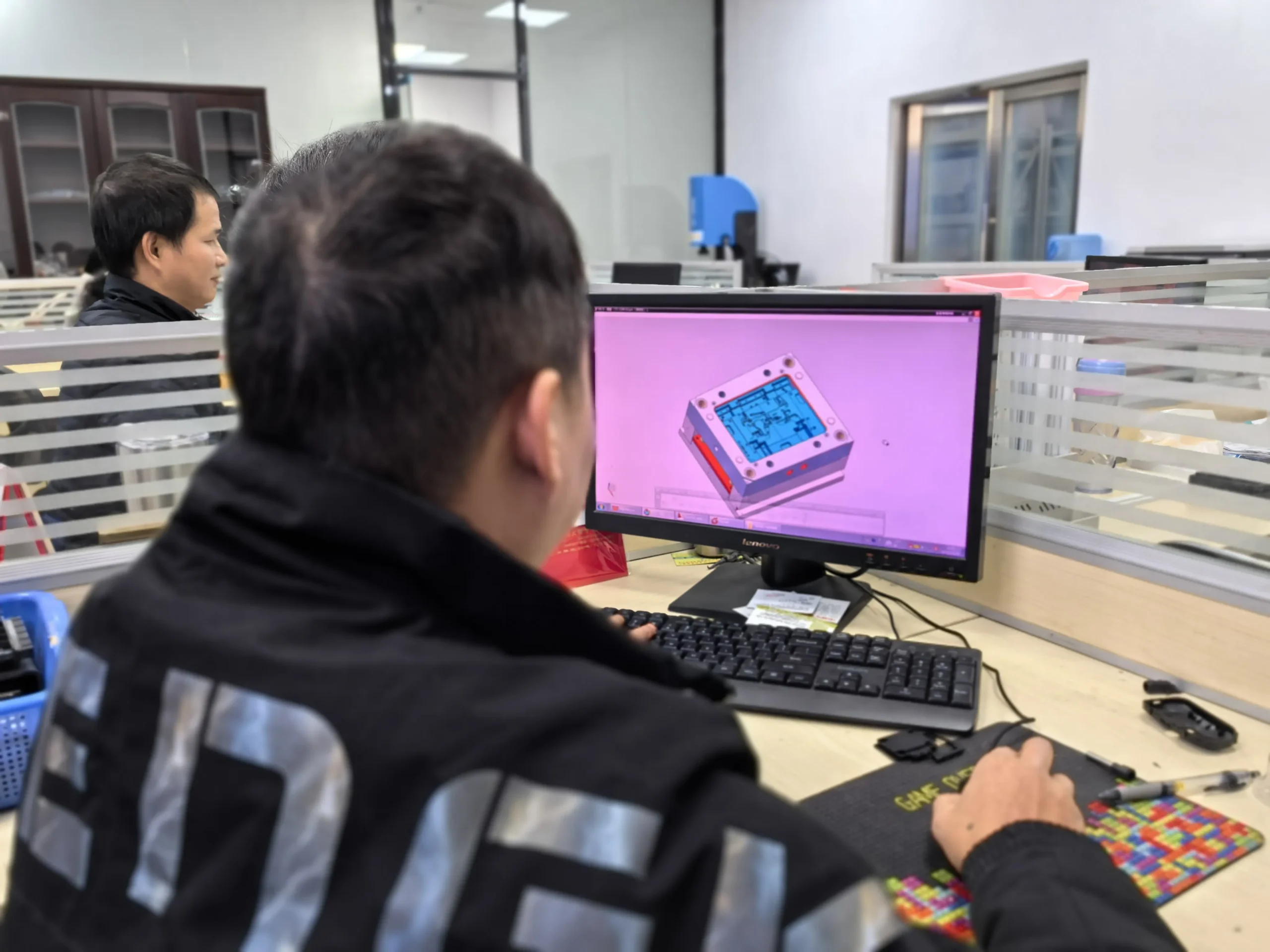
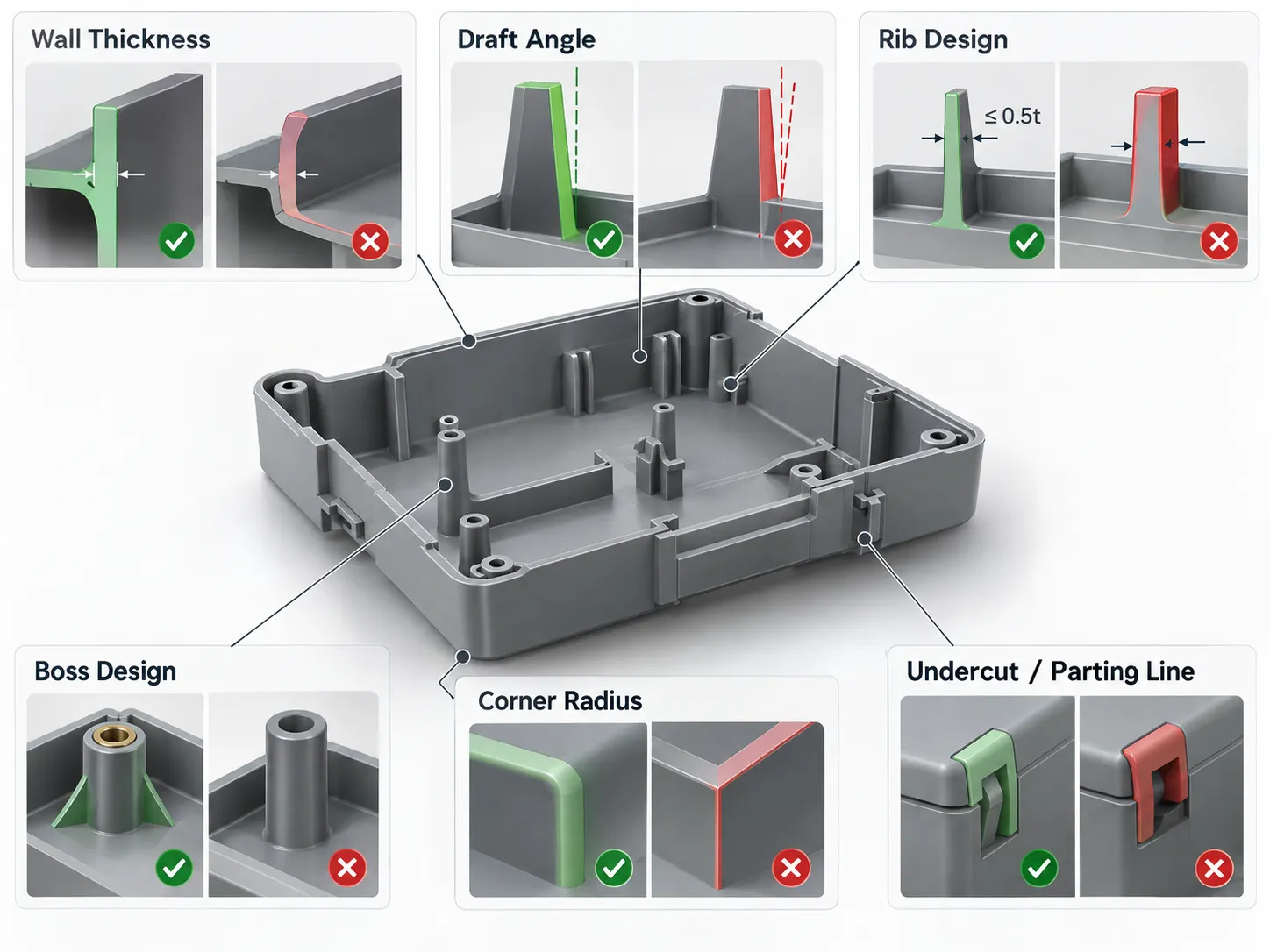
As a leading automotive injection molding manufacturer, we support full product lifecycle development — from concept design, DFM analysis, rapid prototyping, mold manufacturing, to mass production and assembly.
Automotive plastic components are not commodity parts. They must perform reliably across extreme temperature ranges — from -40°C in winter storage to 120°C under hood — while meeting strict dimensional requirements that ensure correct assembly, function, and appearance across millions of units over a vehicle’s lifetime.
A door trim panel that fits incorrectly creates warranty claims. A connector housing with loose tolerance causes electrical failures in the field. A bumper fascia with inconsistent gloss creates customer complaints that damage brand reputation. In automotive, quality is not just a specification — it’s a business imperative.
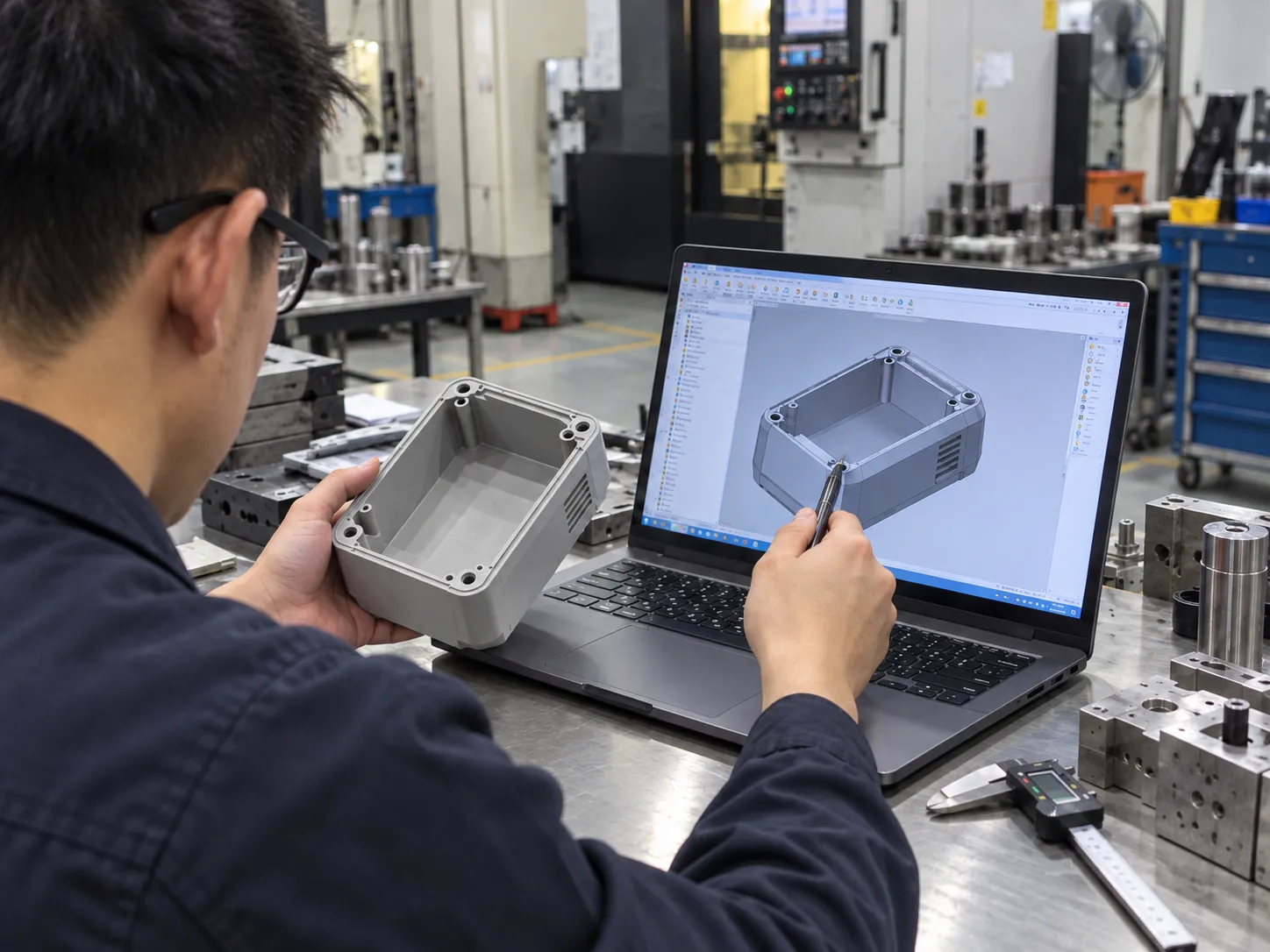
We bring the full rigor of automotive quality management to every program — IATF 16949-aligned processes, PPAP documentation, FMEA, control plans, and SPC monitoring. Our toolmakers and process engineers have deep experience with automotive resins, surface finish requirements, and the dimensional tolerances that automotive assembly demands.
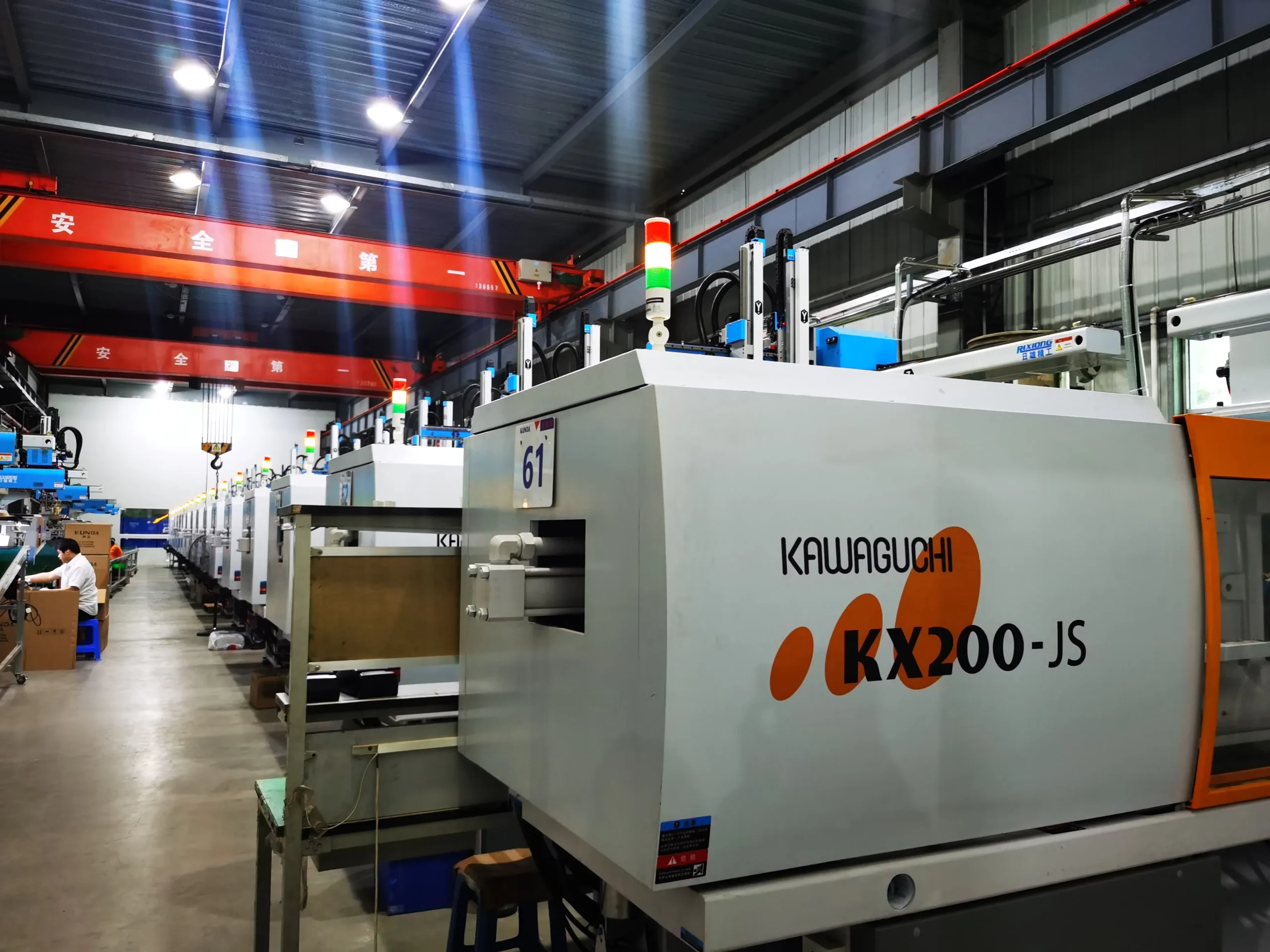
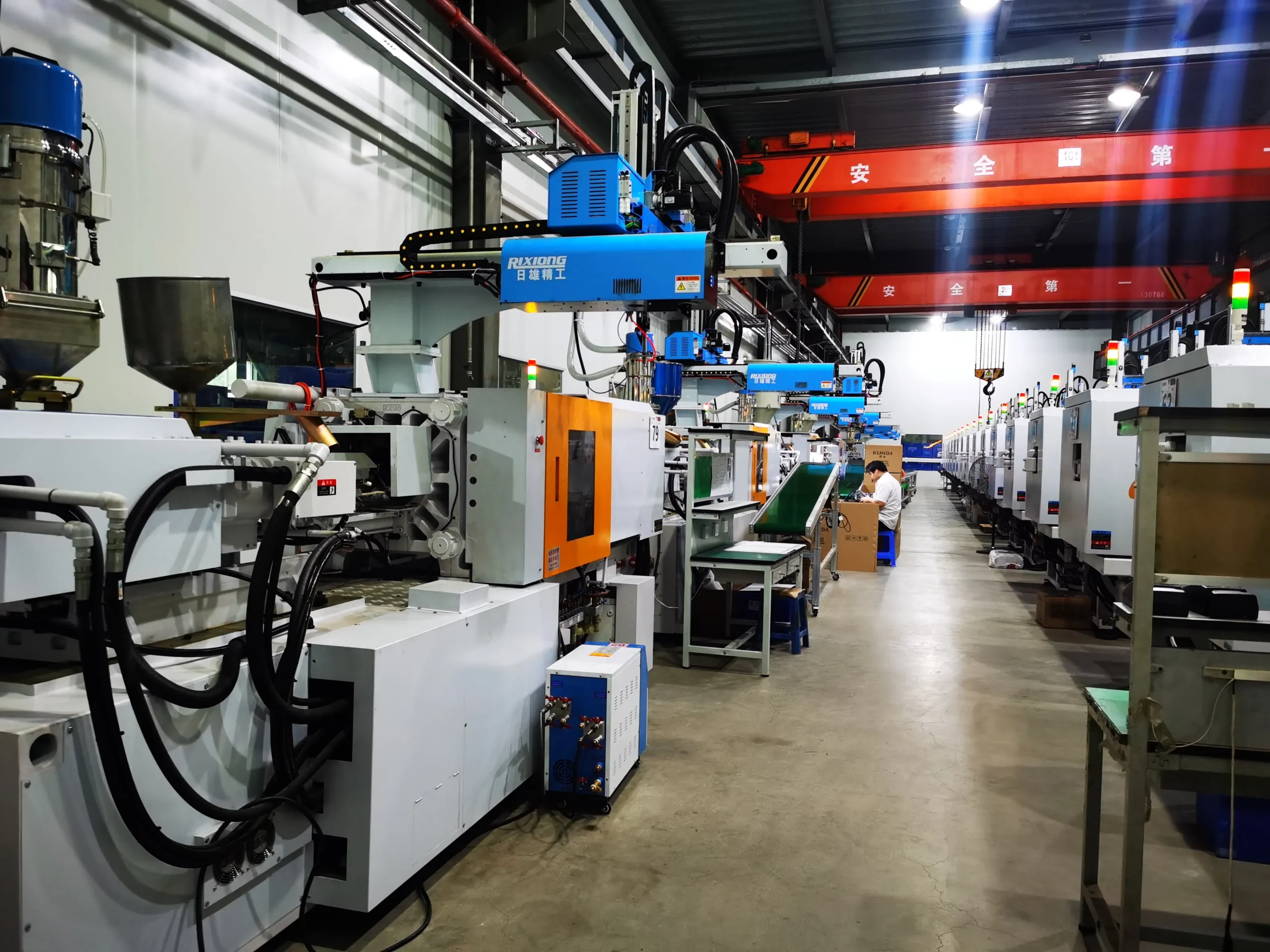
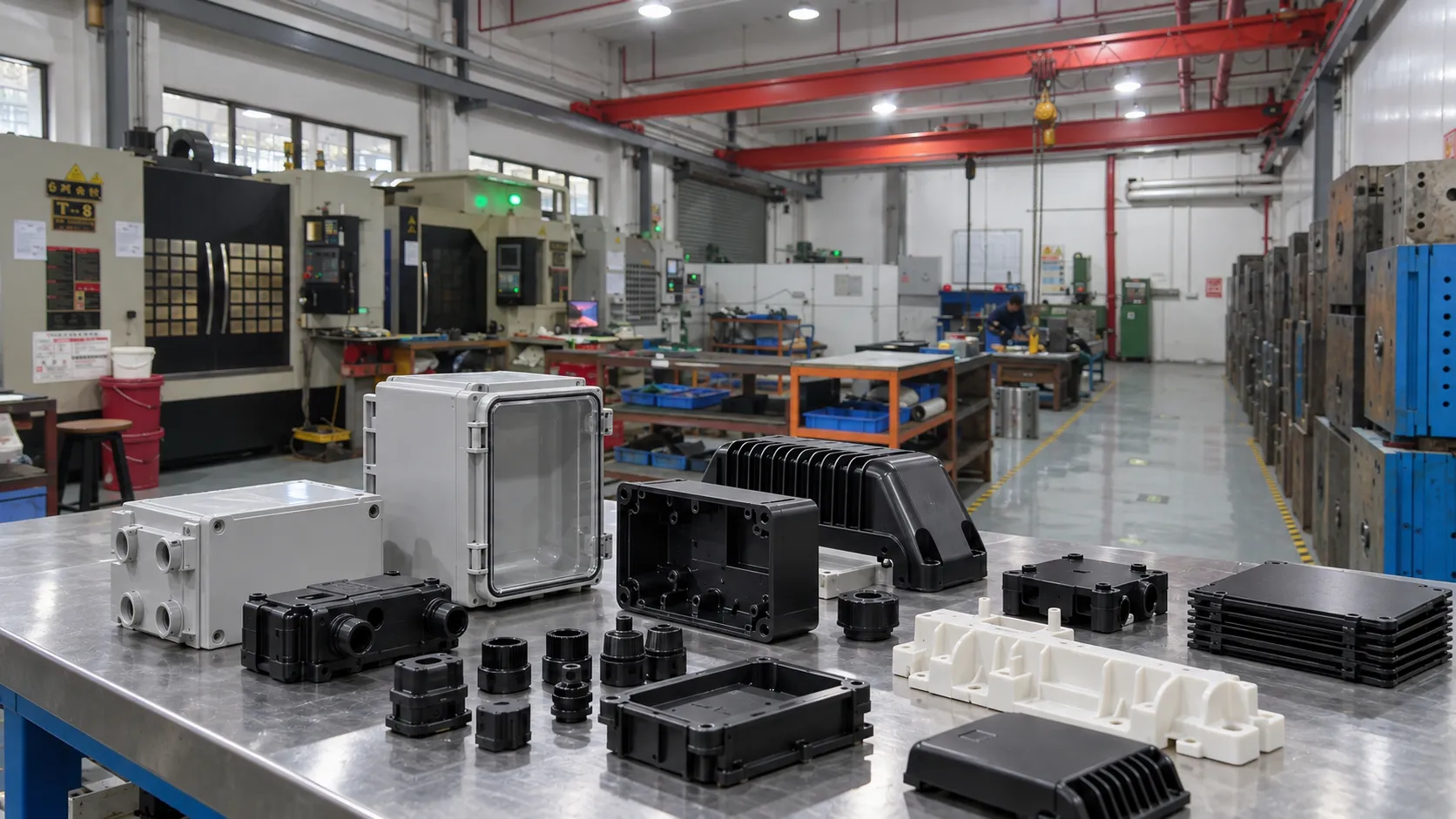
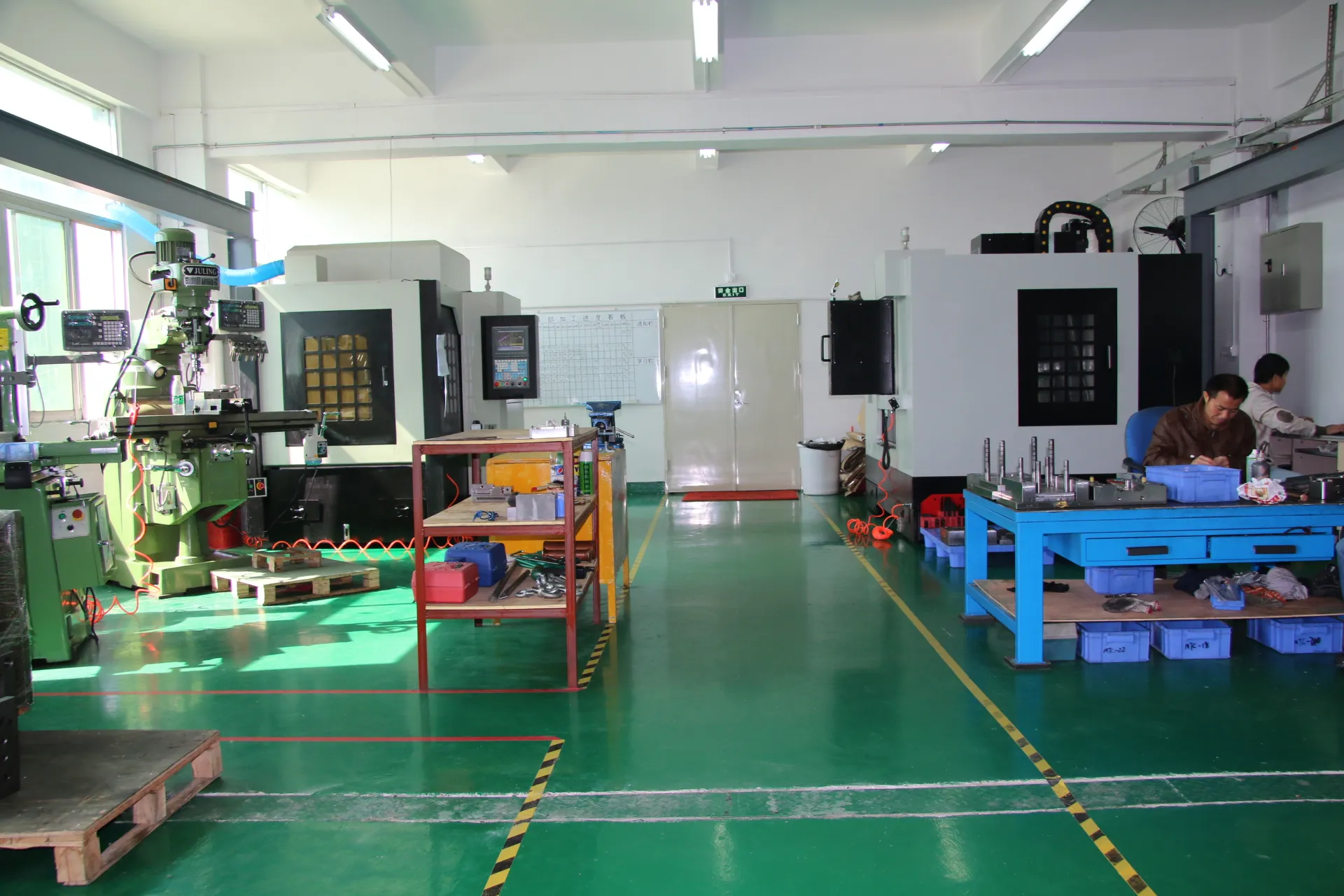
Our machine park spans 80T to 2,000T clamping force — enabling us to mold everything from precision electrical connectors and sensor housings to full-size bumper fascias, door panels, and instrument cluster bezels. Whether your program calls for 10,000 or 10 million pieces per year, we have the tooling strategy and production capacity to deliver.
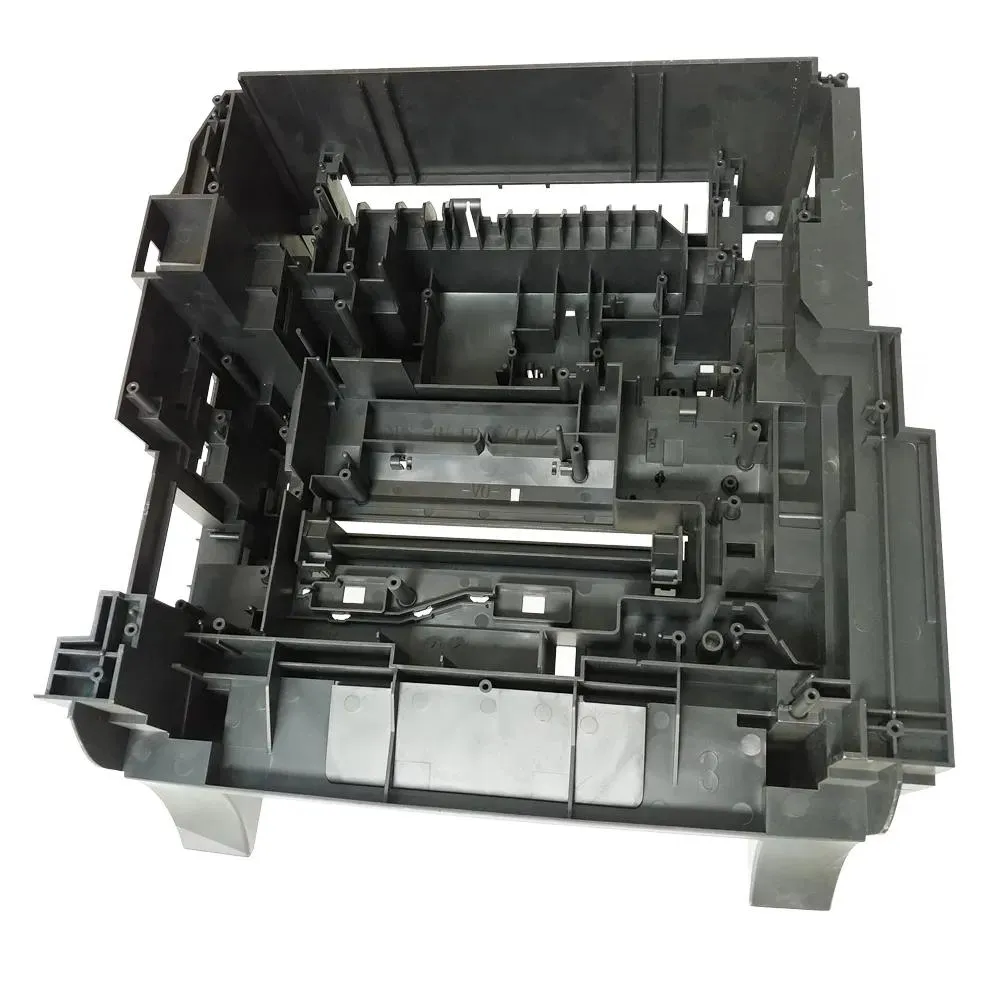
We supply injection molded plastic components across all major automotive systems — interior, exterior, under-hood, and electrical.
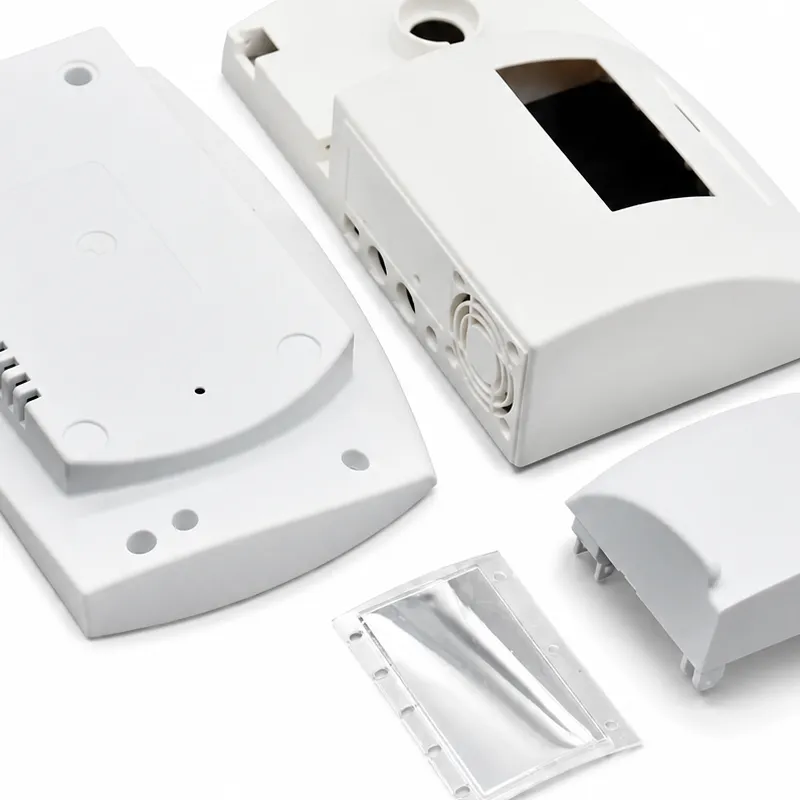
Door panels, dashboard components, center consoles, pillar covers
Bumper fascias, grilles, mirror housings, body cladding
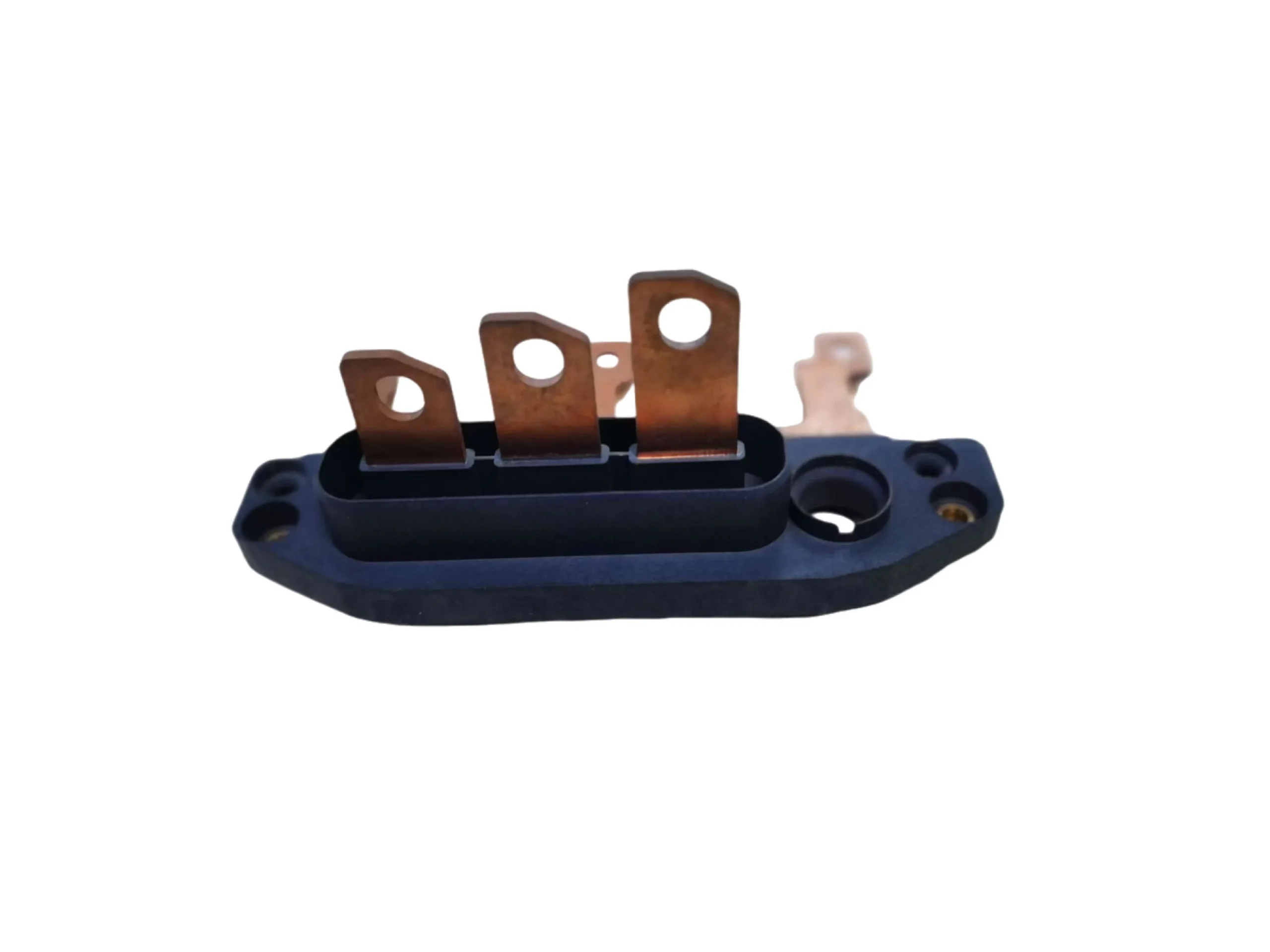
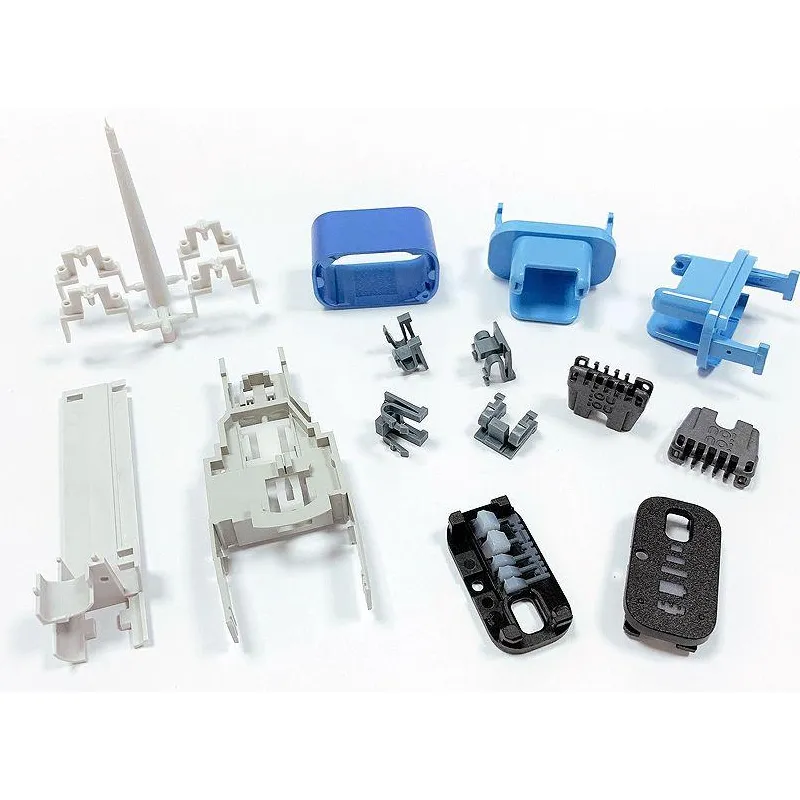
Connector housings, sensor brackets, ECU covers, switch panels
Air intake components, fluid reservoirs, engine covers, thermal shields
Lens bezels, reflector housings, LED diffusers, light guides
Load-bearing brackets, clips, fasteners, reinforced structural inserts
Camera mounts, radar housings, LiDAR covers, sensor integration brackets
Battery housing components, charging port covers, high-voltage connector housings
Our facility is configured to handle the full range of injection molding mass production requirements — from automotive-grade precision components to high-speed consumer product runs.
Project-Specific
1,600T
20+
0 PPM
From tool design through to PPAP submission, our automotive manufacturing process is built around zero-defect principles and full process traceability.
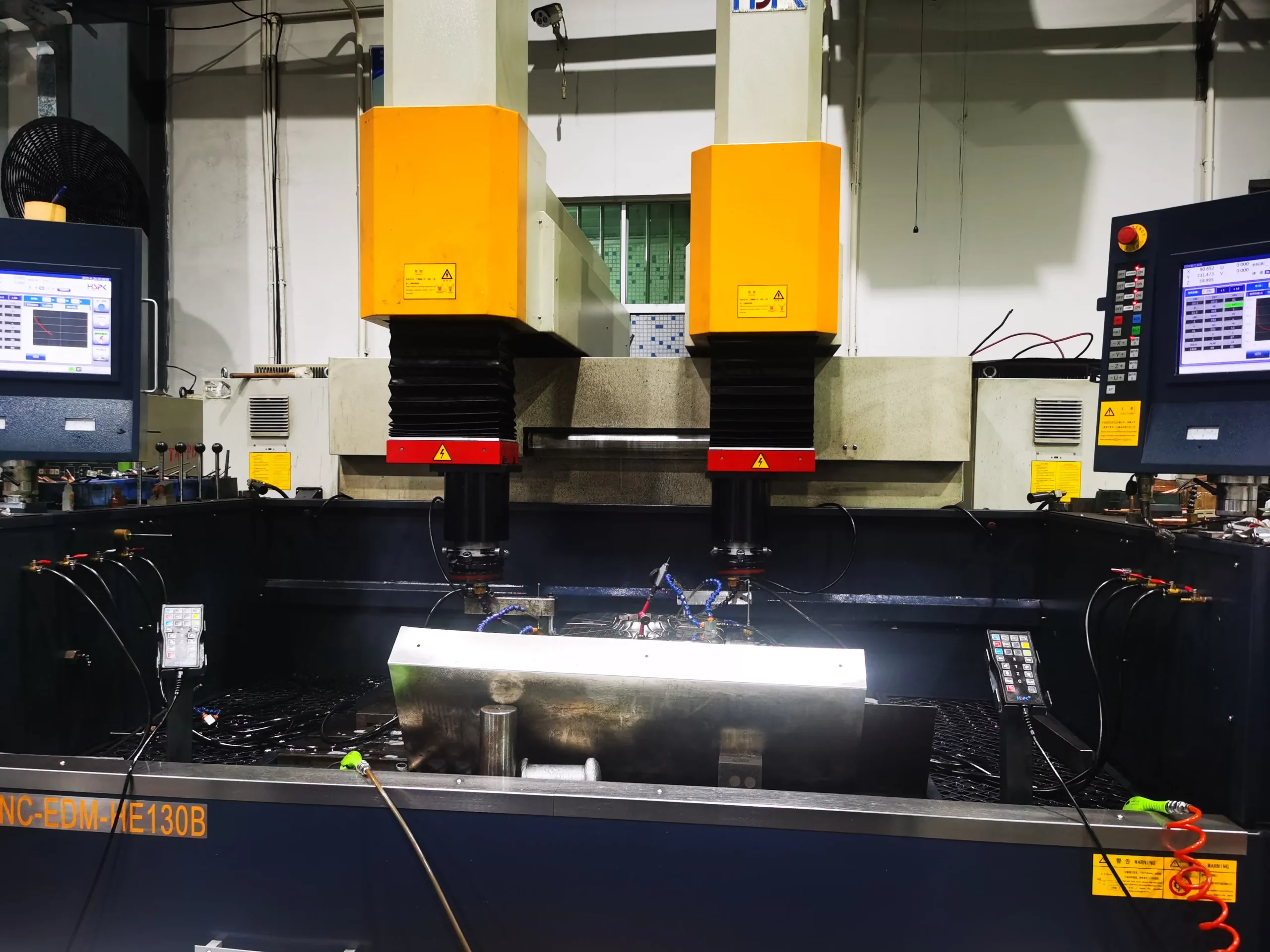
Our injection molding capabilities support automotive interior, exterior, electronic, EV, under-hood, and structural plastic components. Machine selection, tooling, materials, process controls, inspection, and documentation are defined according to part geometry, annual demand, and customer-specific requirements.
Our automotive quality management processes support PPAP, PFMEA, control plans, MSA, SPC, and project-specific inspection requirements. Quality documentation and process controls are defined according to customer, part, and program requirements.
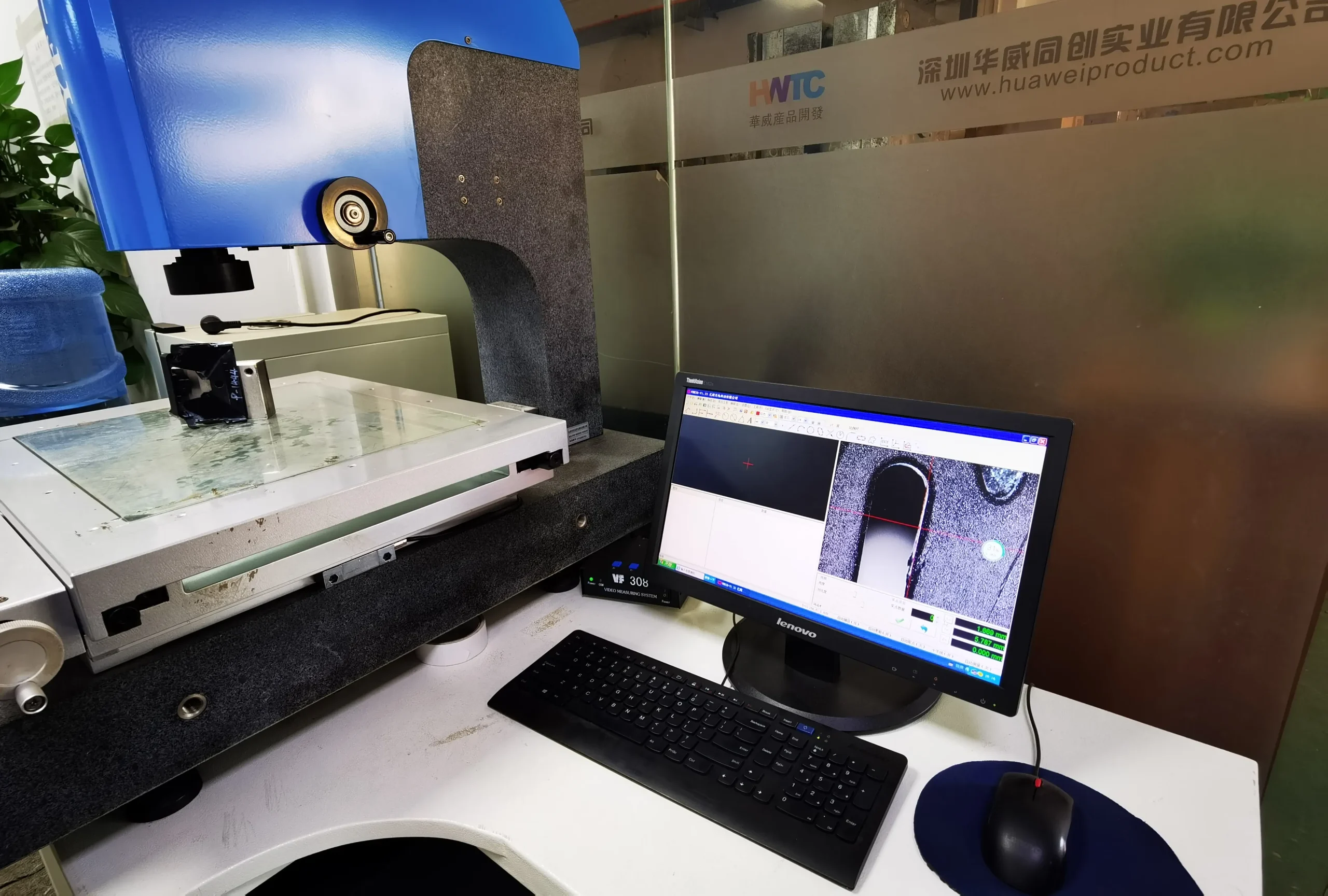
CMM, gauges, vision systems and other measurement methods are selected according to GD&T and inspection requirements.
We process all major automotive-grade thermoplastics — PP-GF, PA6-GF, PA66-GF, PC/ABS, POM, TPE, and specialty grades for under-hood and EV applications. Material certifications provided with every batch.
PPAP documentation is prepared according to the required submission level and customer-specific requirements.
Traceability can be configured at batch, material-lot, production-run, mold-cavity, or individual-part level according to customer and program requirements. Production and quality records are retained according to the agreed documentation and retention requirements.
Just-in-time delivery, kanban replenishment, and VMI programs aligned with automotive production schedules. We work to your call-off system and maintain agreed safety stock levels at our facility.
Yes. Our automotive manufacturing operations are supported by an IATF 16949:2016 certified quality management system within the certified scope. Automotive programs can include PPAP, PFMEA, control plans, MSA, SPC, capability studies, and customer-specific quality documentation as required.
Yes. We can support Class A surface requirements for suitable visible interior and exterior components. Tooling strategy may include controlled gate placement, cooling optimization, mold polishing or texture, material selection, and defined appearance criteria. Surface approval is based on agreed customer standards and approved samples before production release.
We process a broad range of automotive thermoplastics including PP and reinforced PP, ABS, PC and PC/ABS, PA6/PA66 and glass-filled grades, POM, PBT, TPE/TPU, PPS, and PPA. The final resin grade is selected according to temperature, chemical exposure, mechanical performance, dimensional stability, appearance, flame-retardancy, and customer specifications.
Yes. We support automotive OEM and Tier 1 programs from DFM, prototyping, and tooling through injection molding and repeat production. Quality planning and documentation can include PPAP, PFMEA, control plans, MSA, capability studies, and traceability according to customer-specific requirements.
Yes. Our injection molding machine range extends up to 1,600T. Large-part feasibility is evaluated based on projected area, shot weight, mold dimensions, tie-bar spacing, clamp-force requirements, resin, and surface specifications. Our engineering team confirms mold and machine compatibility before tooling release and production planning.
Automotive Resins We Process
Ready to discuss your automotive program?