top

Services

Injection Molding Mass Production Services

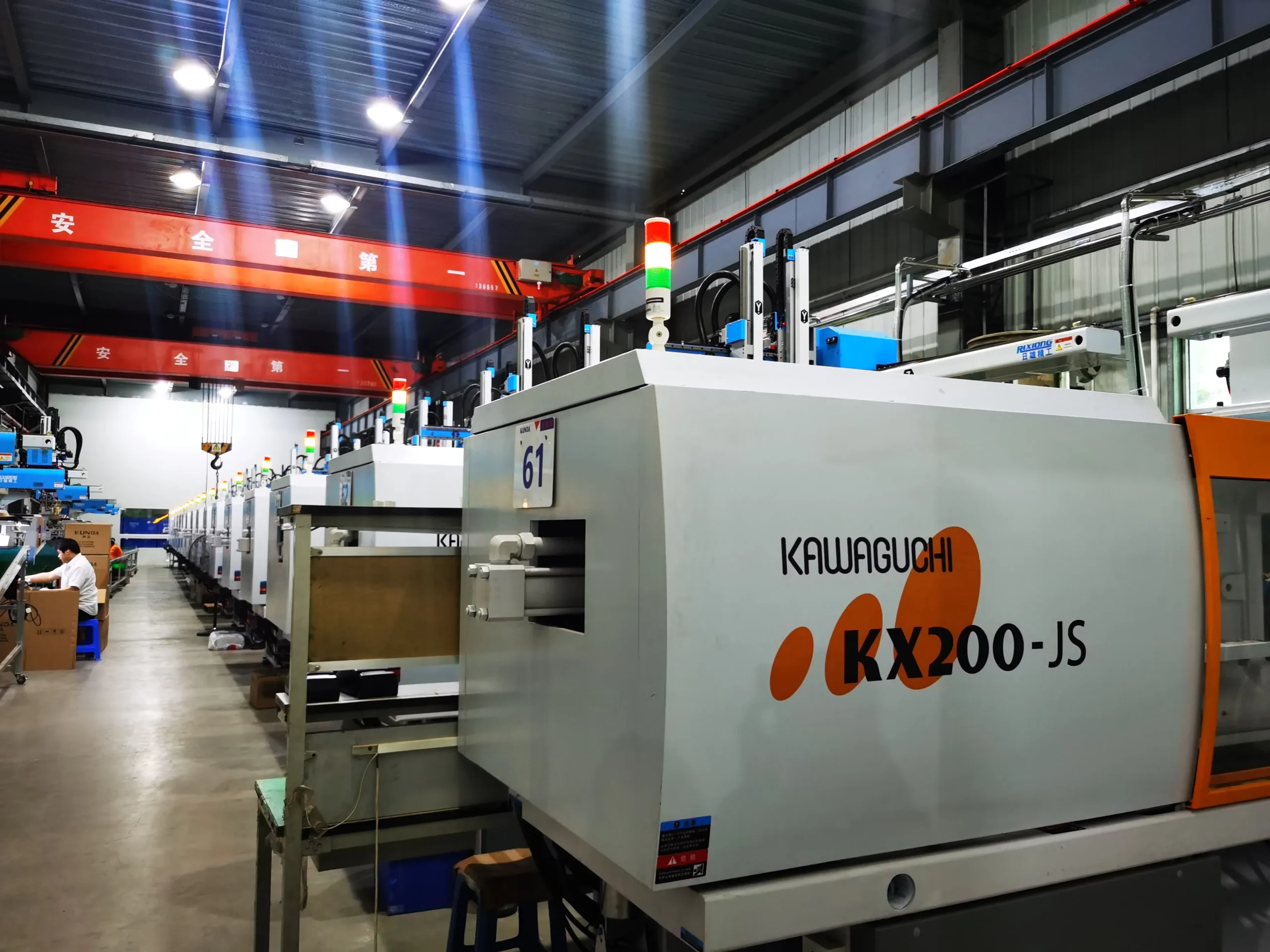
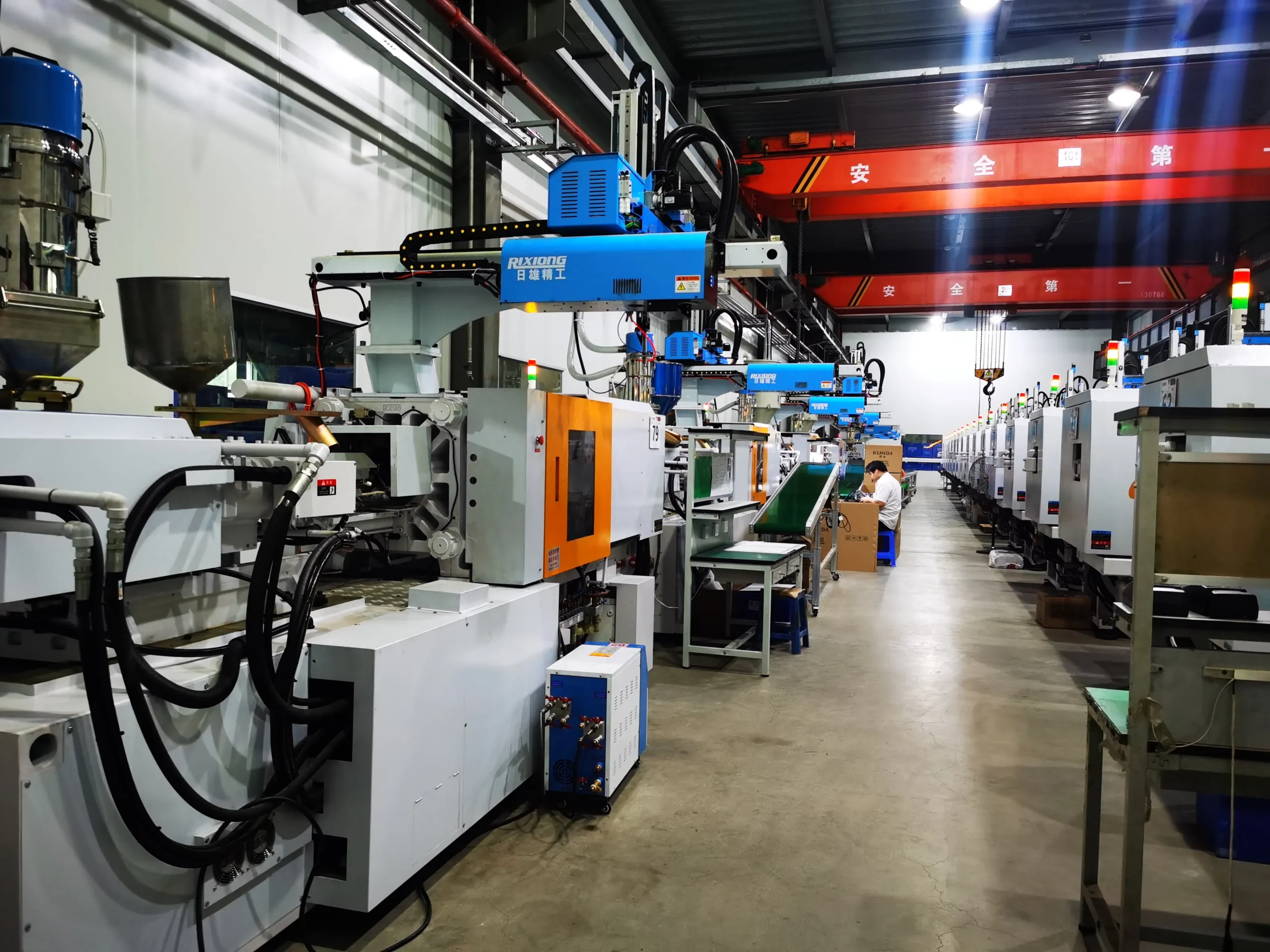
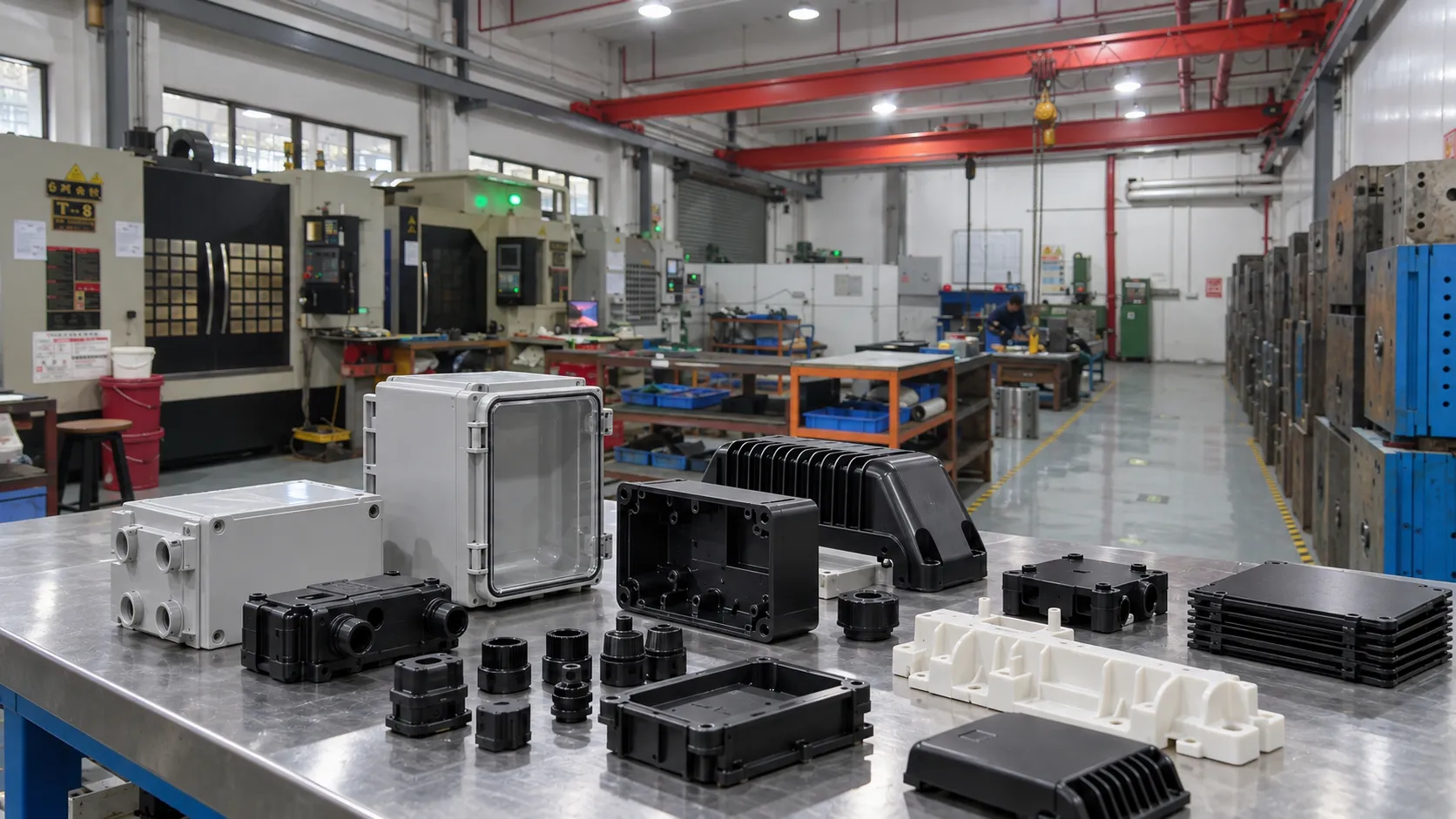
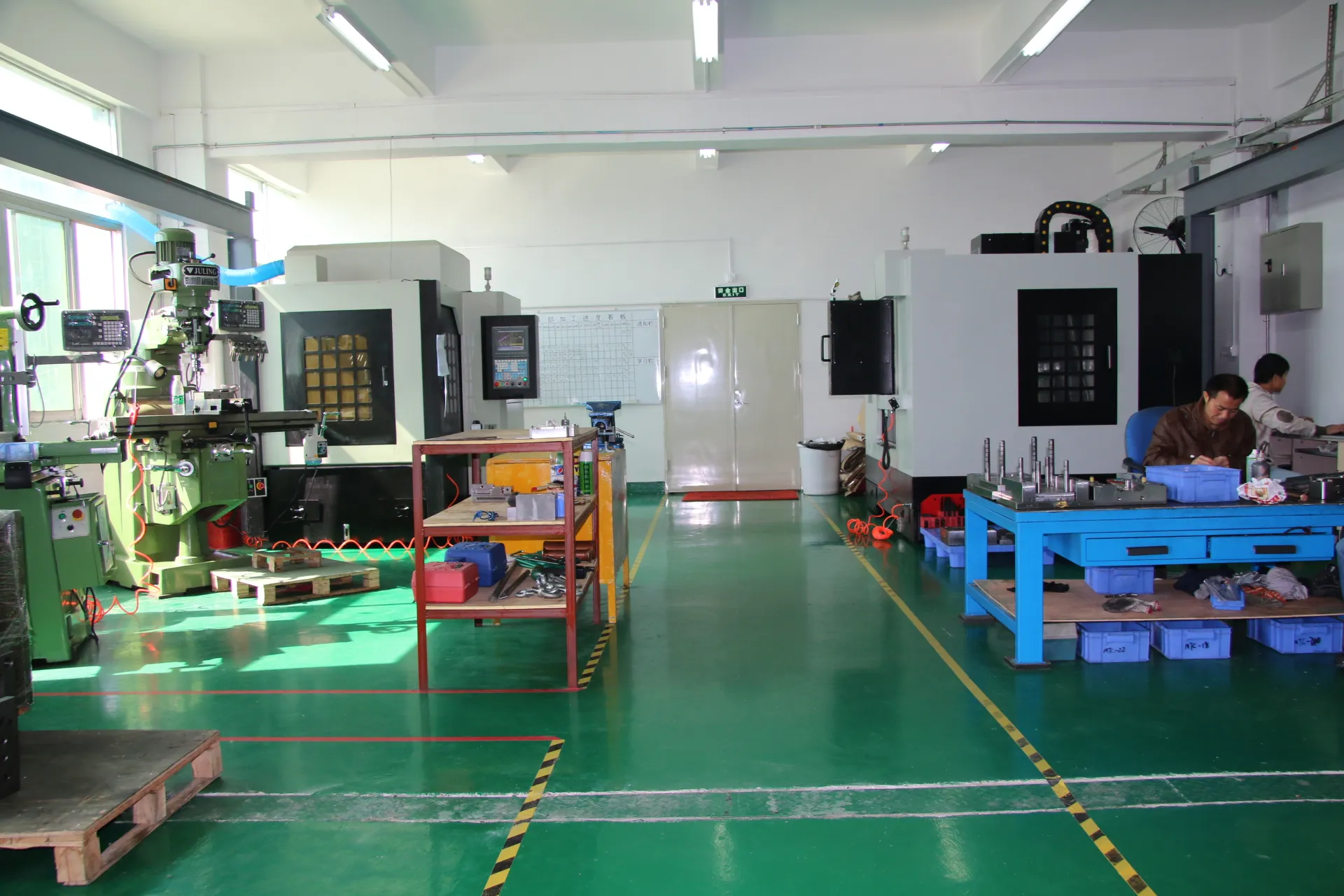
HWPD coordinates injection molding production for high-volume plastic parts through HWTC, using 26 machines from 60T–1,600T. Each program is reviewed for material, tooling, cavity count, quality requirements, and production schedule before launch.

26
Injection Machines
1600T
Max Machine Tonnage
Per RFQ
PRODUCTION SCHEDULING
Project-Specific
Molding Tolerances
Automotive
Quality Requirements
What We Offer

Injection Molding Mass Production Built for Scale

What Injection Molding Mass Production Means at HWPD

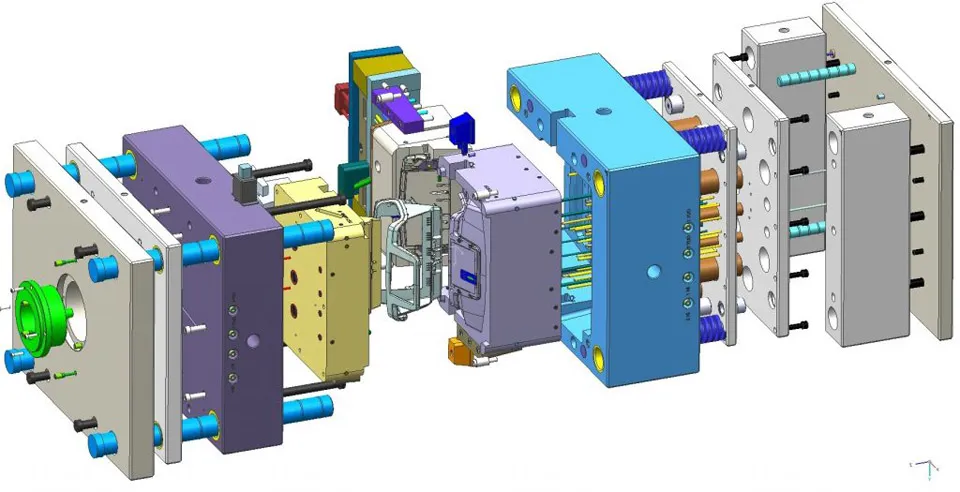
Mass-production programs use dedicated tooling, controlled process parameters, robotic part handling where applicable, and inspection requirements defined from the approved drawing. Machine allocation, cycle targets, documentation, and delivery schedules are confirmed for each project.

The Economics of Mass Production

The economics of mass production are compelling — but only when the conditions are right. High-cavitation tooling, hot runner systems, and automation require significant upfront investment. That investment pays off rapidly when The economic break-even point depends on part size, cycle time, cavity count, tooling cost, labor, automation and annual demand., where the per-unit savings from faster cycle times and lower scrap rates quickly dwarf the tooling cost differential versus smaller-scale production approaches.

We help our clients model the production economics at different volume levels and tooling strategies — giving you a clear picture of the break-even point and the long-term cost trajectory as your product scales.

Supply Chain Integration

For true mass production programs, we go beyond simply molding parts. We work with your supply chain team to establish pull-based replenishment schedules, kanban inventory systems, and VMI (vendor-managed inventory) arrangements that align our production output with your downstream demand — eliminating the need for large safety stock buffers while help reduce stockout risk while aligning inventory with demand.

Haitian injection molding machine used for plastic parts manufacturing
Machine allocation and production scheduling are confirmed for each program.

Core Capabilities

Injection Molding Mass
Production Capabilities

Six pillars underpin our injection molding mass production capability — from high-cavitation tooling and robotic handling to Automotive quality control and supply chain integration.

High-Cavitation Hot Runner Tooling

Multi-cavity molds with hot runner systems eliminate runner waste, can improve material efficiency and output where appropriate, and maximize output per machine hour — critical for cost-competitive mass production.

Automated Part Handling

Robotic part removal, conveyor systems, and automated assembly integration reduce labor costs, reduce manual handling and associated damage risk, and ensure consistent cycle times shift after shift.

Statistical Process Control

Real-time SPC monitoring of critical process parameters — injection pressure, temperature, cycle time, part weight — with automatic alerts when parameters drift outside control limits.

Production Scheduling

Production schedules are planned around part geometry, resin, tooling configuration, annual volume, inspection requirements, and delivery needs. Capacity is confirmed during project review.

Lean Manufacturing Principles

5S workplace organization, SMED quick-change tooling, and kanban material flow systems minimize waste, reduce changeover time, and maximize productive machine utilization.

Supply Chain Integration

VMI, kanban replenishment, and pull-based scheduling align our production output with your demand — eliminating excess inventory while ensuring continuous supply to your production line or distribution center.

Production Specifications

Injection Molding Mass
Production Parameters

Our facility is configured to handle the full range of injection molding mass production requirements — from automotive-grade precision components to high-speed consumer product runs.

Parameter
Our Capability
Notes
Annual Volume Capacity
Confirmed by part and program
Across all machines and programs combined
Machine Park
26 injection molding machines
60T – 1,600T clamping force range
Operating Schedule
Based on project requirements
Dedicated lines for high-volume programs
Max Cavitation
Up to 64 cavities
Hot runner Project-dependent for high-cavity tools
Cycle Time
8–90 seconds typical
Optimized per part geometry and material
Standard Tolerance
±0.1mm
Drawing-specific achievable on critical dimensions
Materials
50+ thermoplastics
Including high-temp, filled, and specialty grades
Surface Finish
SPI polish and VDI-style texture requirements supported according to tooling specification
Custom texture and mold-in graphics available
Quality System
Automotive · ISO 9001 · SPC · PPAP
Automotive quality documentation and traceability available for mass production programs
Secondary Operations
Assembly, printing, packaging
Full value-added services on-site
Inventory Management
VMI · Kanban · JIT delivery
Pull-based replenishment programs available

By RFQ

Parts/Year Capacity

26

Injection Machines

64

Max Cavities

Per RFQ

Production Scheduling

Comparison

Injection Molding Mass
Production vs Other Volume
Strategies

Injection molding mass production is the right choice when your annual volumes justify the investment in dedicated high-cavitation tooling, robotic handling, process automation, and full quality documentation. Here is how it compares across key criteria.

Criteria
Low Volume IM
Small Volume
Mid Volume
Mass Production
Typical Annual Volume
100–5K pcs
1K–50K pcs
10K–200K pcs
200K+ pcs
Per-Part Cost
$$$$ High
$$$ Medium
$$ Low-Med
$ Lowest
Tooling Investment
$3K–$15K
$8K–$30K
$20K–$60K
$40K–$150K+
Output per Hour
Low
Medium
Medium-High
Maximum
Cavitation
1 cavity
1–2 cavities
2–8 cavities
8–64 cavities
Hot Runner
Optional
Optional
Recommended
✓ Standard
Automation
—
Limited
Partial
✓ Full automation
SPC / Real-time QC
—
Basic
Recommended
✓ Standard
PPAP / IATF Support
—
Available
Available
✓ Full support
VMI / Kanban
—
—
Limited
✓ Available
Quality System

Automotive Quality for Injection Molding Mass Production

Why Quality Is Harder at Scale — and How We Address It

Maintaining quality across millions of parts produced over months or years is fundamentally more challenging than producing a small batch. Tool wear, material batch variation, operator changes, and environmental factors all introduce variability that must be actively managed.

Our mass production quality system is built around prevention rather than detection. Statistical process control, predictive tool maintenance, and incoming material testing are designed to catch problems before they produce defective parts — not after.

Automotive-Grade Quality Available

For automotive and safety-critical applications, we offer Automotive quality system support including PPAP submission, FMEA, control plans, MSA, and full production traceability. Our quality engineers work directly with your supplier quality team to meet your specific injection molding mass production requirements.

Injection mold being lifted by chain hoist during mold installation and handling

Incoming Material QC

Incoming resin verification is performed according to material and control-plan requirements.

Real-Time SPC Monitoring

Process parameters monitored shot-by-shot. Control charts trigger alerts before defects occur — not after.

Automated Inspection Plan

Camera-based Project inspection of cosmetic surfaces and critical features — zero-escape defect detection at production speed.

Full Batch Traceability

Every part traceable to its production shift, machine, mold cavity, material lot, and process record — for the life of the product.

FAQ

Injection Molding Mass Production FAQ

At what volume does injection molding mass production make sense?

There is no universal volume threshold for mass production. The most economical production strategy depends on annual demand, part size, cycle time, cavity count, tooling investment, machine requirements, automation, material cost, and quality requirements. HWPD reviews these factors to recommend the appropriate tooling and production approach for each program.

Consistent high-volume production is supported through documented process parameters, in-process inspection, SPC where required, preventive tool maintenance, incoming material controls, and project-specific inspection methods. Automated vision inspection and additional monitoring can also be integrated for suitable programs. These controls help identify process variation early and maintain stable production over long runs.

Yes. VMI, kanban replenishment, safety-stock programs, and JIT delivery can be supported according to the agreed supply plan, forecast visibility, production schedule, and logistics requirements. Inventory and replenishment rules are defined with the customer to help balance supply continuity and inventory levels.

Yes. We can support PPAP documentation for automotive programs according to customer requirements. The submission level and documentation scope may include dimensional results, material documentation, PFMEA, control plans, MSA, capability studies, process records, and other required production documentation defined during project review.

Production molds are maintained according to a preventive maintenance plan based on tool design, resin, shot count, wear condition, and production requirements. Maintenance may include cavity and core inspection, cooling-channel checks, lubrication, cleaning, wear-component inspection, and replacement of critical components where required. Tool condition and maintenance records can be maintained according to the agreed production program.

Industries We Supply at Scale

Automotive
Automotive
Consumer Electronics
ISO 9001
Medical Devices
Medical Project Requirements
Industrial Equipment
ISO 9001
Consumer Products
CE / RoHS

Ready to scale your production?

Tell us your volume, part, and quality requirements. We'll provide a detailed mass production proposal after requirements and file review.

Scale Injection Molding Mass Production with
Confidence

Share annual volume, material, quality, and delivery requirements. HWPD will review tooling, machine selection, inspection, and production scheduling with HWTC before quotation.