We use necessary cookies to operate this website and optional analytics cookies to understand how visitors use our pages. Analytics cookies are used only with your consent. You can accept or reject them and change your choice at any time. See our Cookie Policy and Privacy Policy.


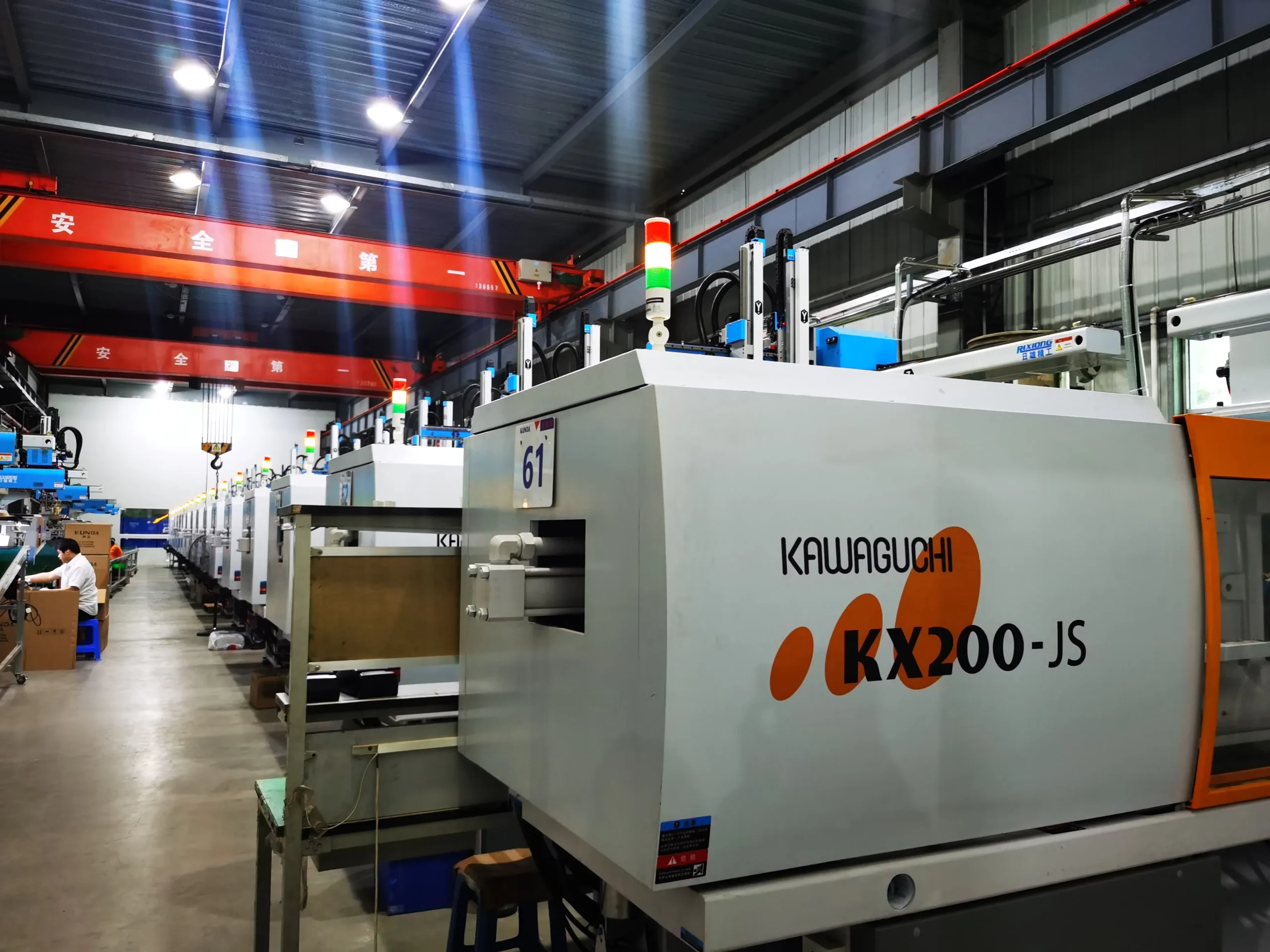
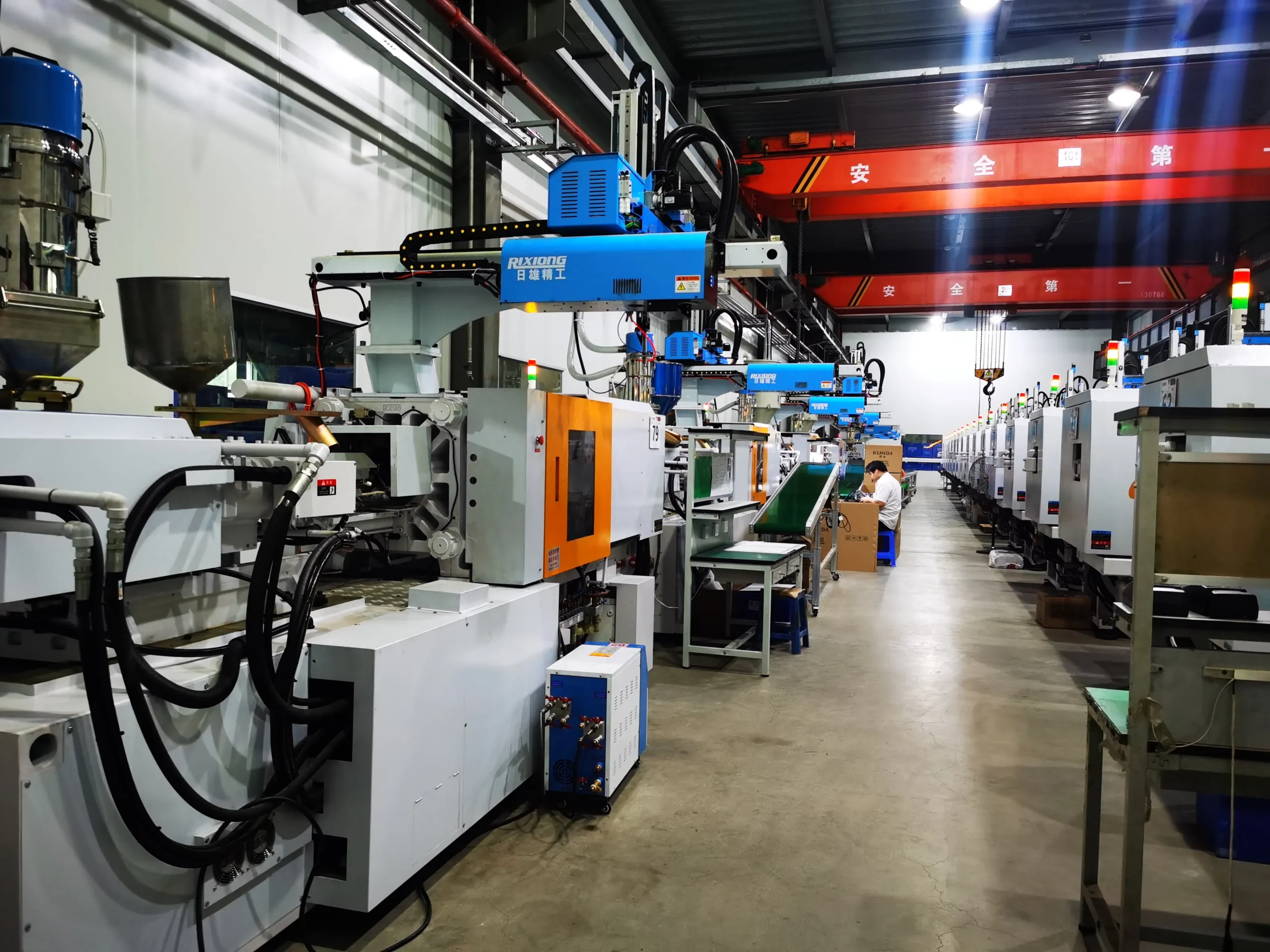
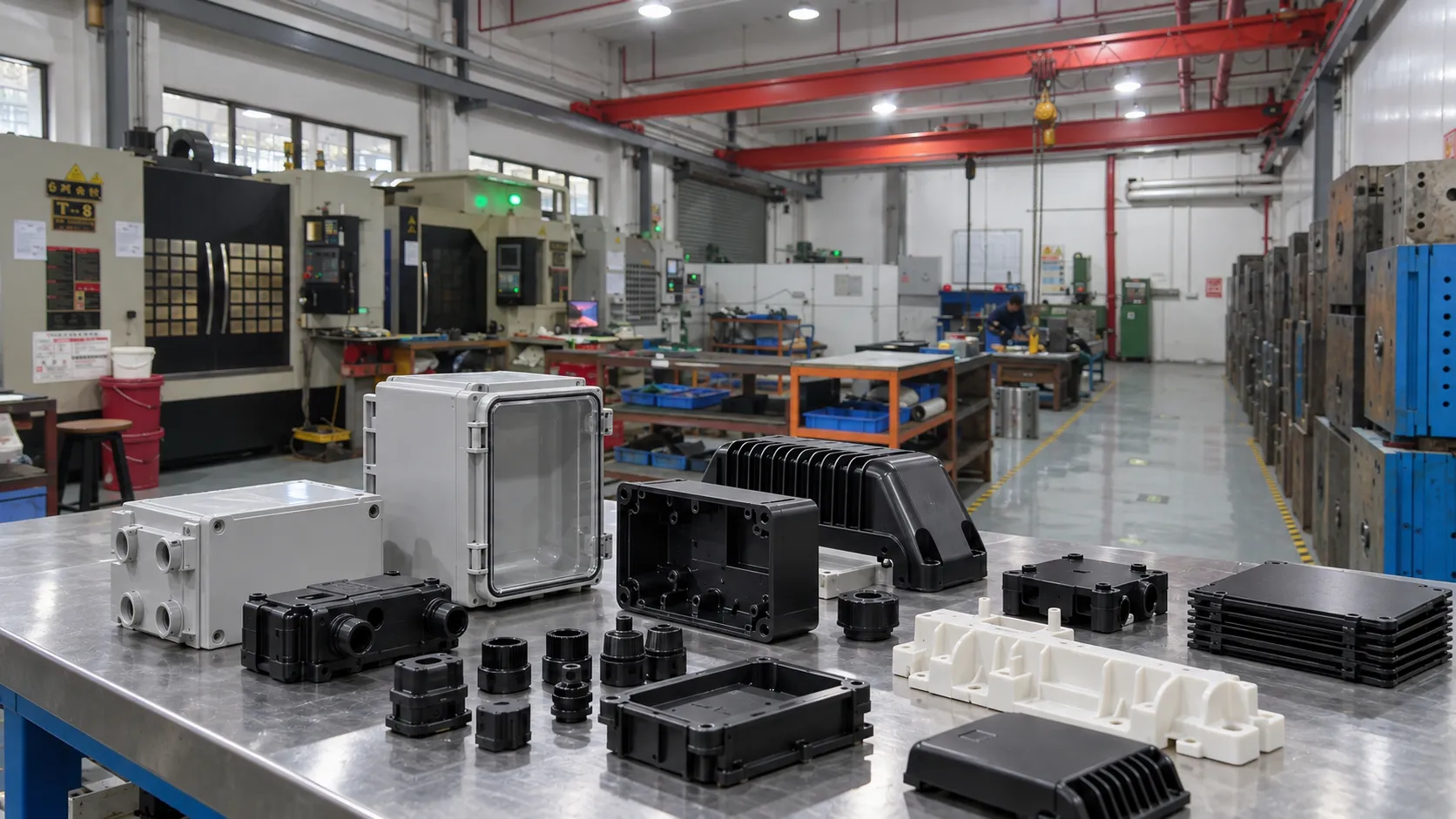
HWPD provides industrial injection molding for equipment housings, structural components, fluid-handling parts, automation hardware, guards, brackets, and precision functional components. Material, tooling, molding process, inspection, and production strategy are defined according to mechanical load, temperature, chemical exposure, dimensional requirements, and annual demand.
60T–1,600T
Engineering Plastics
Drawing-Specific
Prototype to Production
Industrial equipment manufacturing services must account for environments that would destroy consumer-grade plastics within days — continuous exposure to machine oils, coolants, cleaning chemicals, UV radiation, and temperature extremes that cycle repeatedly during every production shift. Plastic components in industrial settings must maintain their dimensional integrity, mechanical strength, and chemical resistance not just for months, but for years of uninterrupted operation.
A housing that cracks under mechanical shock means equipment downtime. A seal that swells in contact with hydraulic fluid means a safety hazard. A control panel fascia that fades and becomes brittle under UV exposure means a maintenance call and a reliability complaint. In industrial applications, component failure is not a warranty claim — it’s a production stoppage with real financial consequences.
The solution to industrial plastic component challenges lies in material selection and design engineering working together. Engineering-grade thermoplastics — glass-filled nylons, polyphenylene sulfide, PEEK, and reinforced polypropylene — offer mechanical and chemical properties that match or exceed aluminum for many industrial applications, at lower weight and cost. But these materials require specialized processing knowledge, tooling designed for high-temperature resins, and process parameters that differ significantly from commodity plastic processing.
Our industrial equipment manufacturing services team has deep experience with high-performance industrial resins and the tooling and process requirements they demand. We help industrial equipment manufacturers select the right material for each application, design the component for optimal mechanical performance and manufacturability, and produce it with the consistency that industrial reliability requires.
Industrial equipment has much longer lifecycles than consumer products — often 10, 15, or 20 years of production use. This creates a unique manufacturing challenge: spare parts must remain available throughout the equipment lifecycle, even as plastic materials evolve and tooling ages. Our industrial equipment manufacturing services establish and maintain spare parts programs for industrial customers — maintaining tooling, qualifying material equivalents when grades are discontinued, and providing long-term supply continuity for critical components.
Our industrial equipment manufacturing services produce injection molded plastic components for manufacturing, process industry, energy, logistics, building automation, and other demanding industrial sectors.
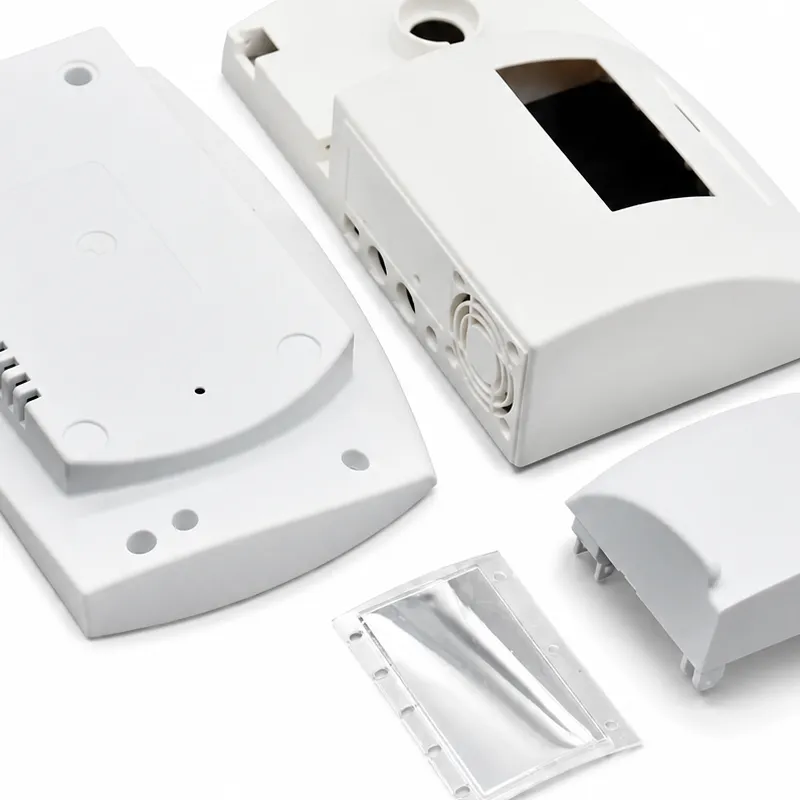
Operator panel enclosures, HMI housings, control cabinet components, and pushbutton covers — requiring chemical resistance, UV stability, and IP-rated sealing for factory floor environments.
Pressure sensor bodies, flow meter housings, temperature probe covers, and level sensor enclosures — requiring dimensional stability, media compatibility, and pressure-rated construction.
Valve bodies, manifold housings, fitting components, pneumatic actuator covers, and fluid system enclosures — requiring pressure resistance and compatibility with industrial media.
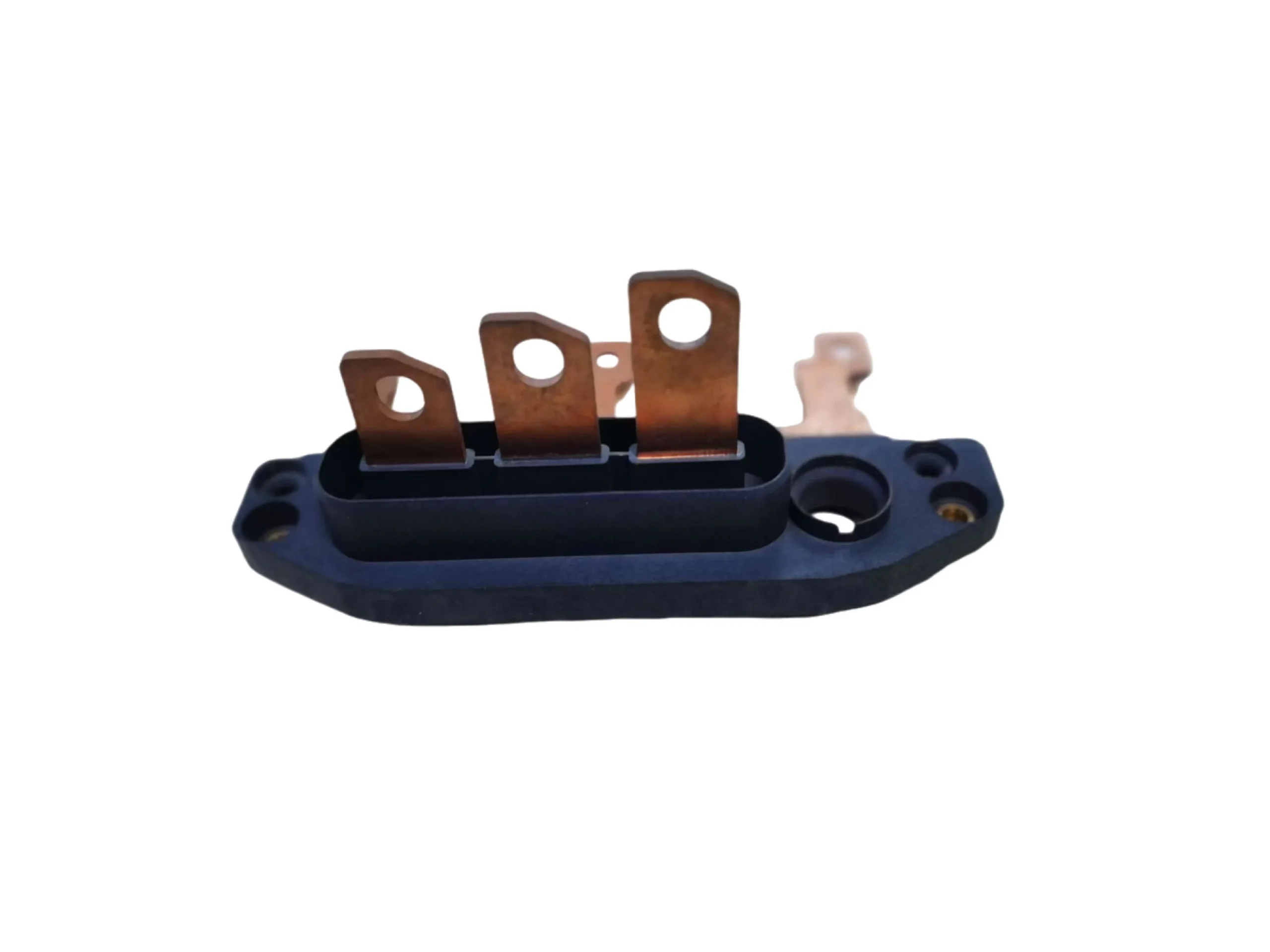
Cable conduit fittings, junction box covers, cable gland housings, connector bodies, and wiring duct components — requiring flame retardancy, UV resistance, and dimensional consistency.
Conveyor guide rails, chain wear strips, roller covers, transfer chute liners, and sorting system components — requiring wear resistance, low friction, and impact strength.
Machine guard panels, safety cover housings, interlocking mechanism parts, and protective equipment components — requiring impact resistance, rigidity, and long-term durability.
Our industrial equipment manufacturing services are configured to meet the dimensional, material, environmental, and documentation requirements of industrial equipment manufacturers across all sectors. For broader quality management references, see ISO 9001 quality management standards.
260°C
Project
±0.02
20+
Industrial equipment manufacturing services require more than standard injection molding capability — they demand engineering expertise in material science, tool design for high-performance resins, and quality systems that support long service life and spare parts availability.
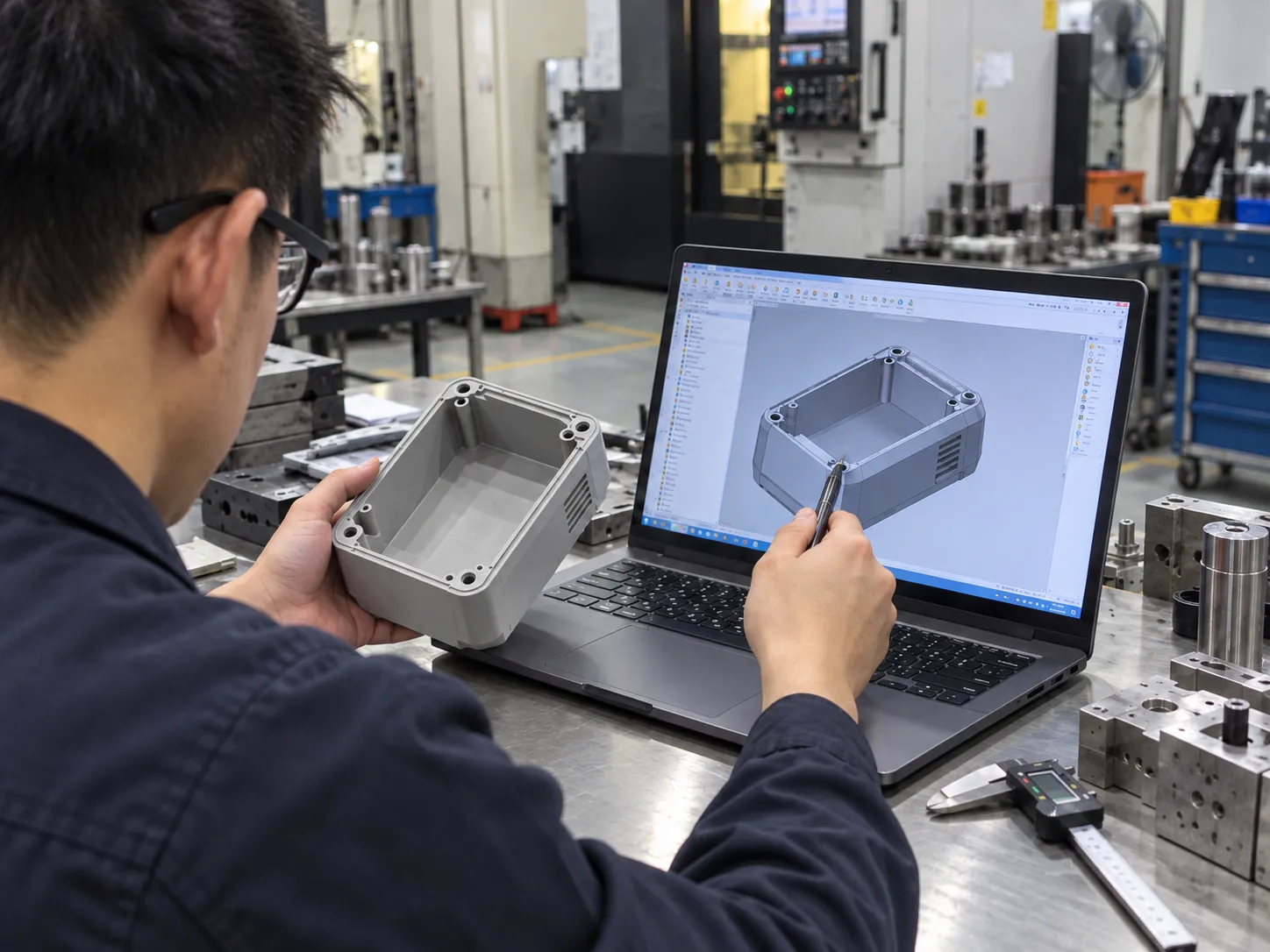
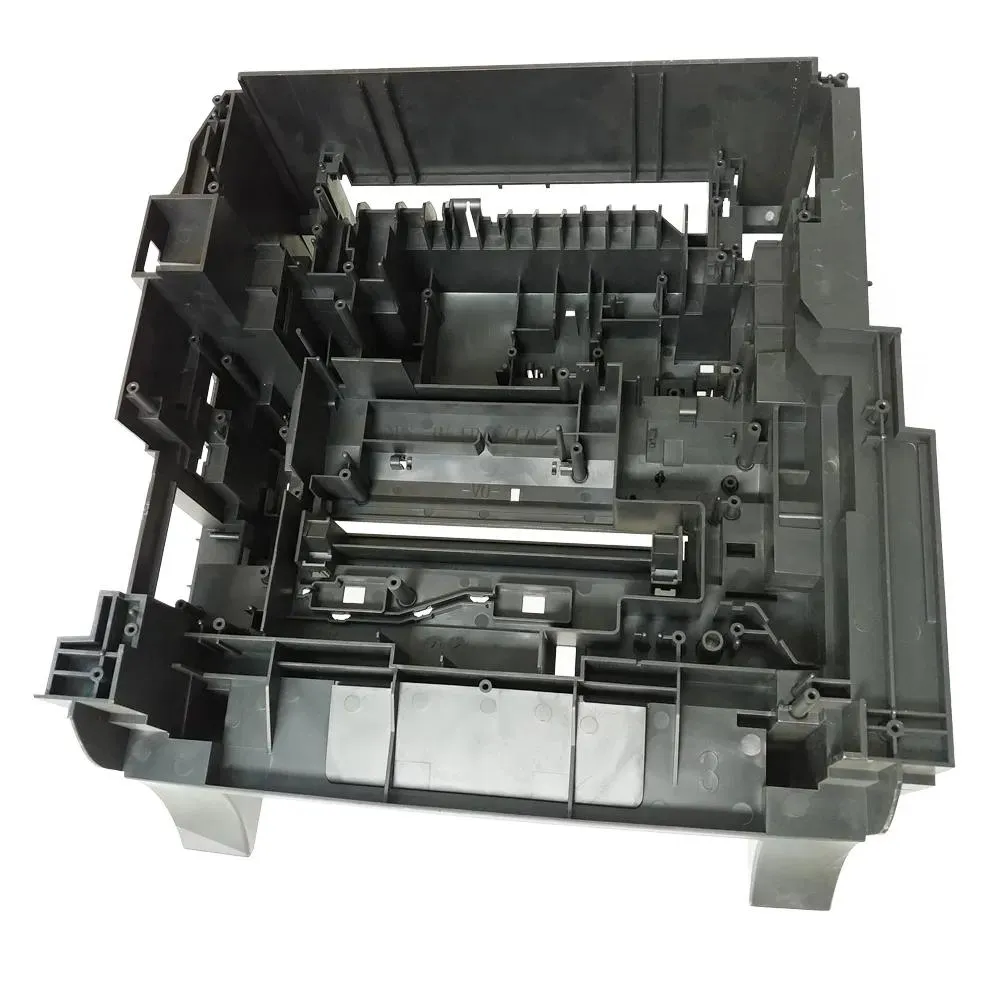
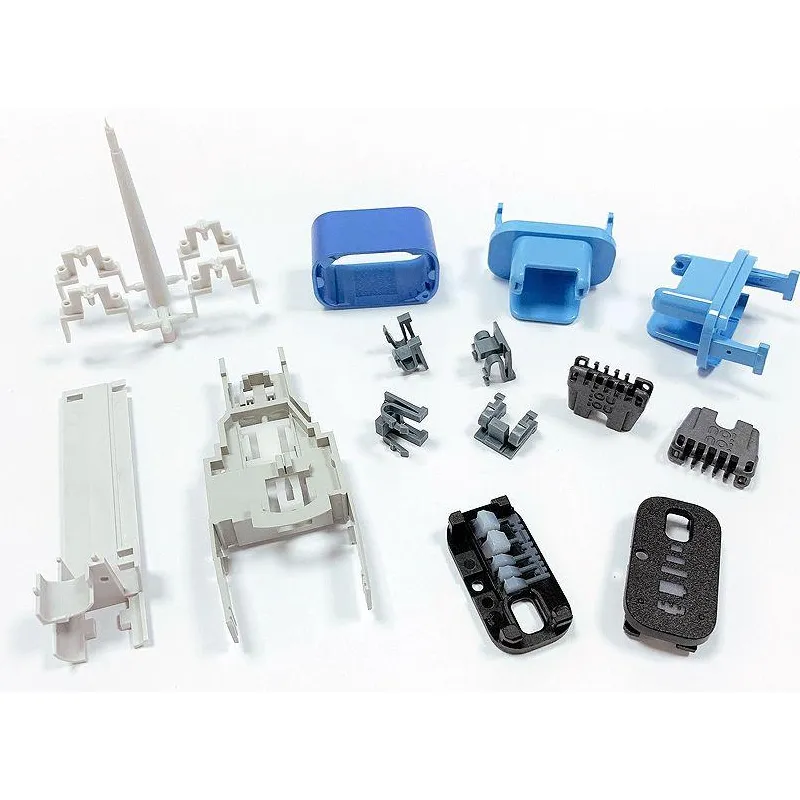
We support housings, guards, brackets, functional mechanisms, fluid-handling components, electrical enclosures, insert-molded parts, and other industrial plastic components. Feasibility is reviewed according to geometry, resin, size, loading conditions, tooling, and production requirements.
We process a broad range of engineering thermoplastics including ABS, PC/ABS, PP, PA6/PA66 and reinforced grades, POM, PBT, PPS, TPE/TPU, and other project-specific materials. Final resin selection is based on mechanical, thermal, chemical, dimensional, electrical, and environmental requirements.
Yes. Tooling and production strategies can be configured for prototype, pilot, low-volume, and repeat-production programs. The appropriate approach depends on annual demand, part requirements, tooling investment, and production economics.
Yes, where the part design and material are suitable. We review temperature, load, wear, fluids, chemicals, UV exposure, flame requirements, sealing, and other environmental conditions before recommending the resin and tooling strategy.
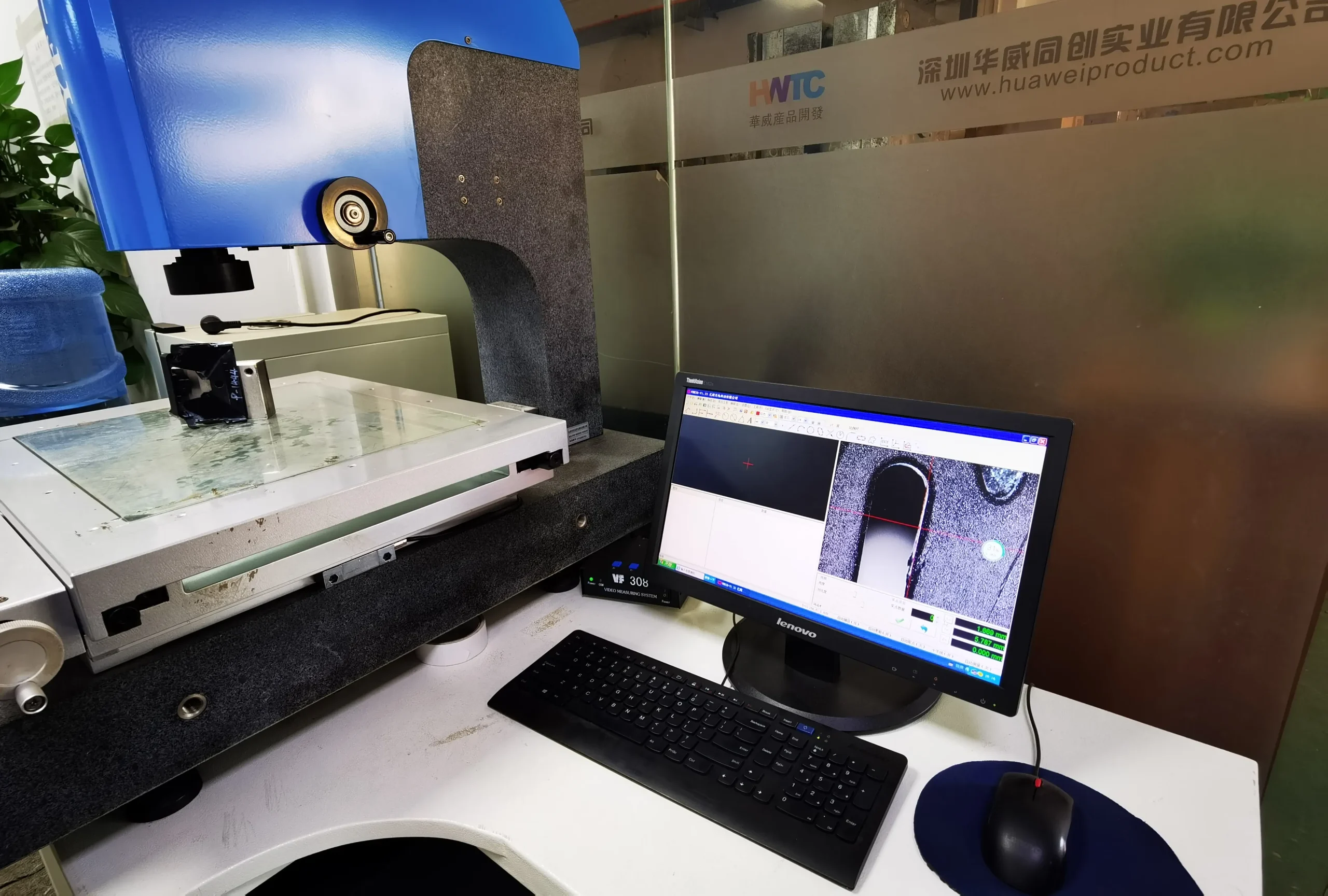
Inspection requirements are defined according to the approved drawing and control plan. Depending on the project, this may include dimensional inspection, gauges, CMM, visual inspection, SPC, capability studies, material documentation, and production traceability.
Key Industrial Materials
Final resin selection is based on operating temperature, mechanical load, wear, chemical exposure, dimensional stability, flame-performance requirements, and the intended service environment.
Discuss your industrial equipment manufacturing services project