top

Case Study

Product Development FAQ

Got questions? We've got answers. Browse our frequently asked questions to learn more about our product development process, timelines, pricing, materials, and capabilities — everything you need to know before starting your project with us.

Product Development FAQ
50+FAQs Answered
24hResponse Time
8Topic Categories
FreeInitial Consultation

Most Asked

Top Questions from New Clients

Process
How long does it take to go from idea to first production parts?
Typical timelines by project type →
Pricing
How much does injection mold tooling cost?
Tooling cost ranges explained →
Production
What is your minimum order quantity?
MOQ by production type →
IP Protection
How do you protect my intellectual property?
NDA and confidentiality policies →
DFM
What files do I need to provide to get started?
File formats and requirements →
Quality
What quality certifications do you hold?
Our certifications and standards →

All Questions

Browse All FAQs

Categories
All Topics25
Getting Started5
DFM & Design4
Pricing & Tooling4
Production & MOQ4
Materials3
Quality & Certs3
IP & Confidentiality2

Still Have Questions?

Our engineering team is happy to answer any question not covered here — usually within 24 hours.

Case Study

Product Development FAQ

Got questions? We’ve got answers. Browse our frequently asked questions to learn more about our product development process, timelines, pricing, materials, and capabilities — everything you need to know before starting your project with us.

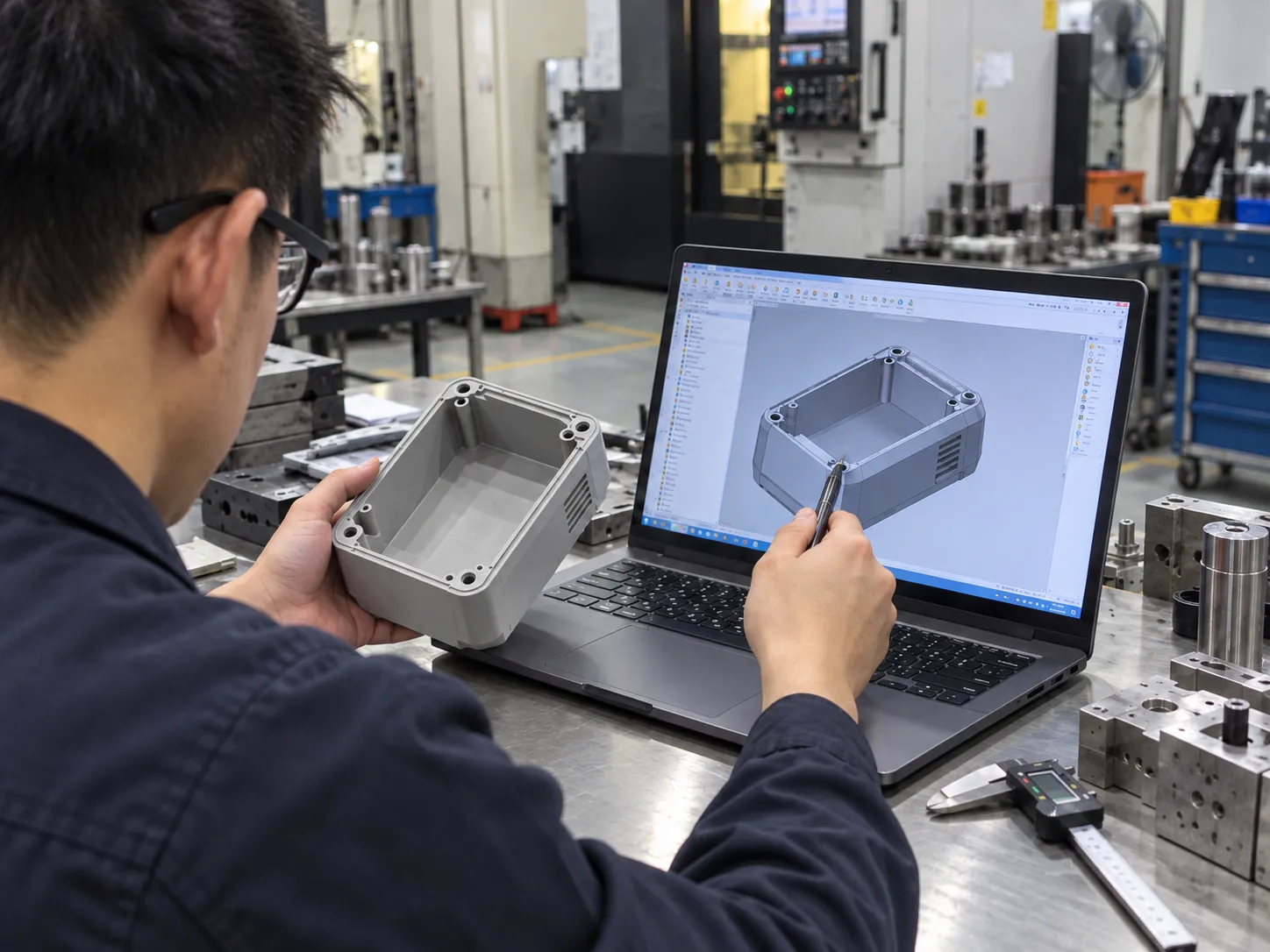
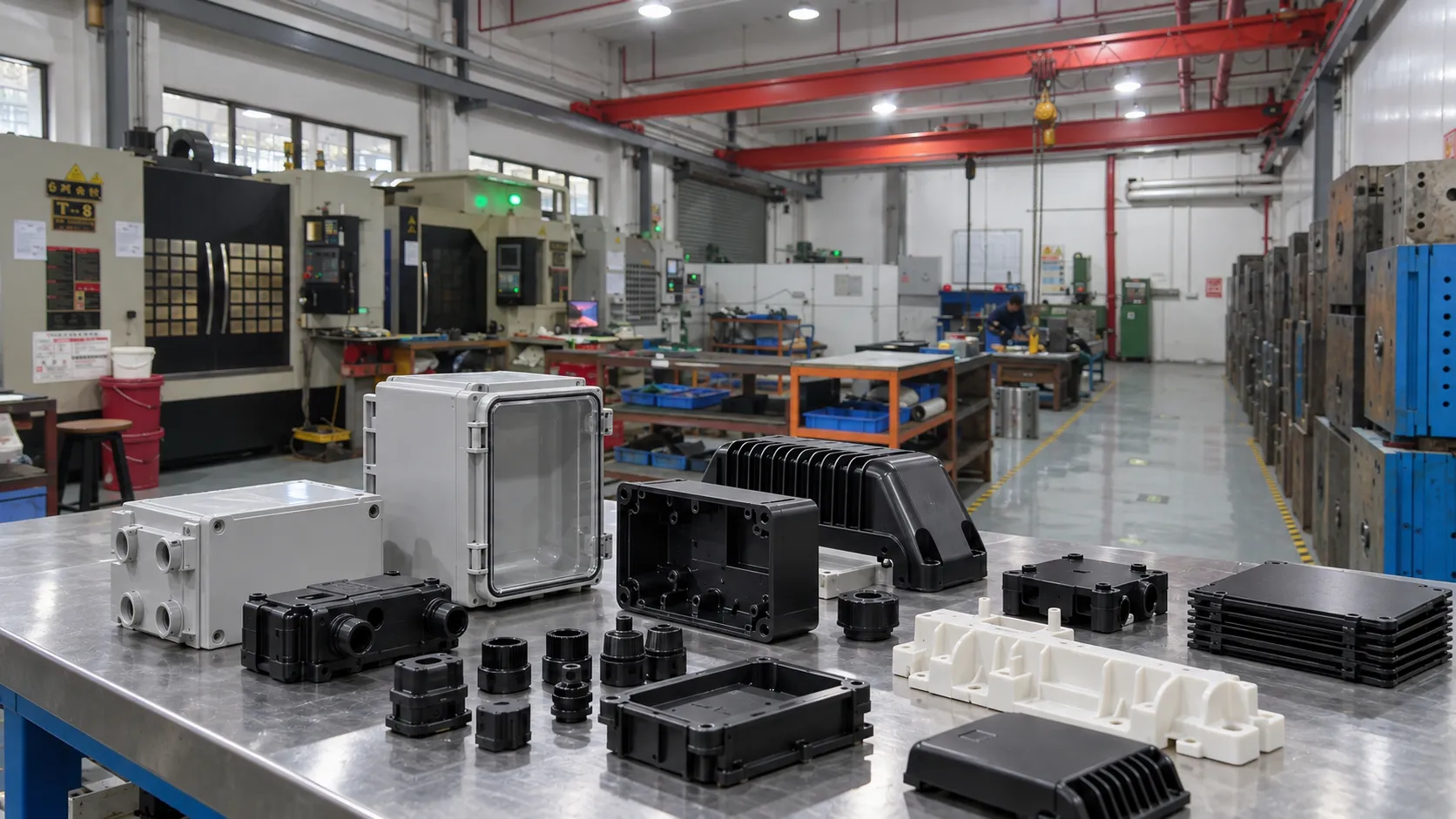
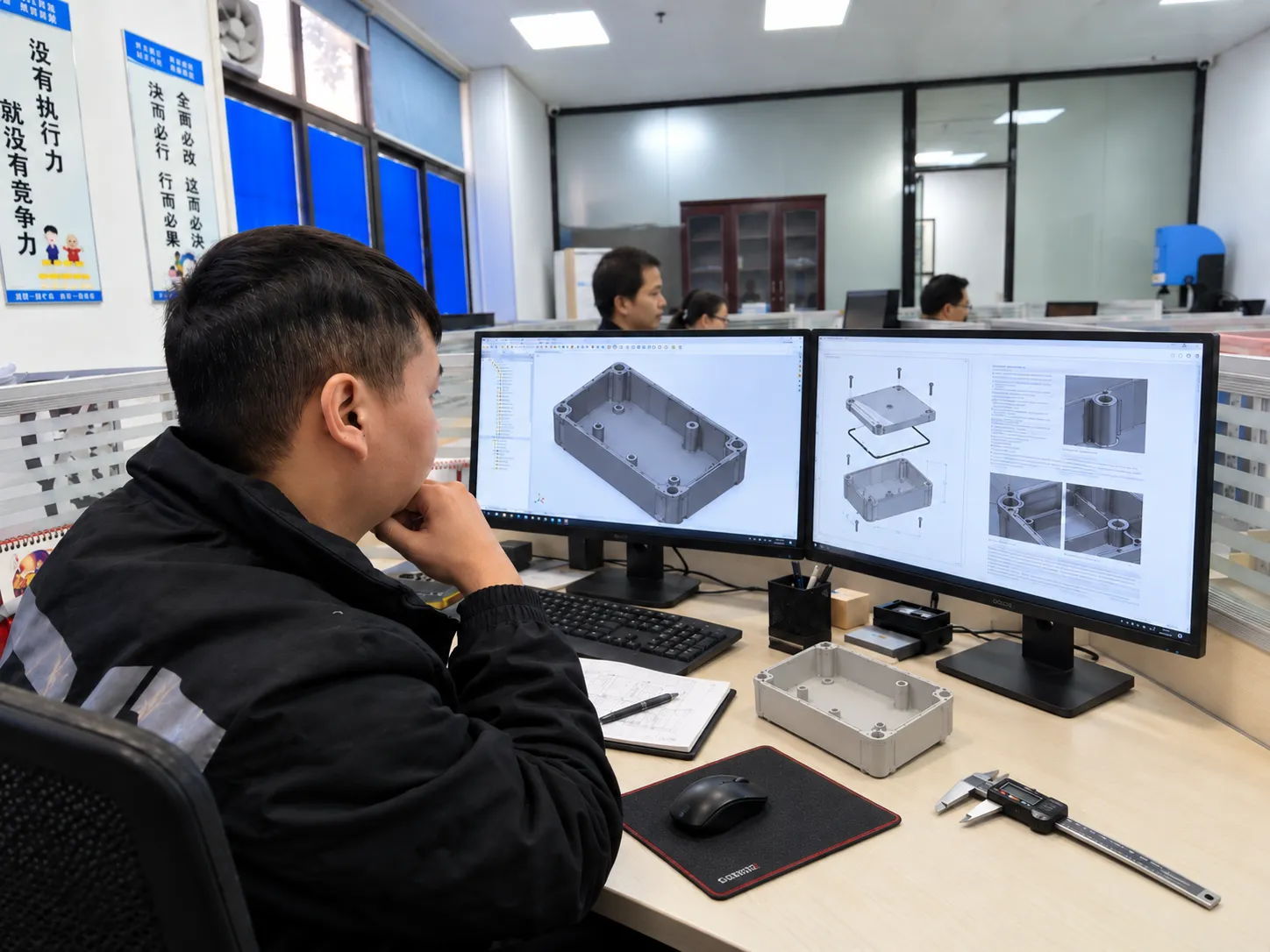
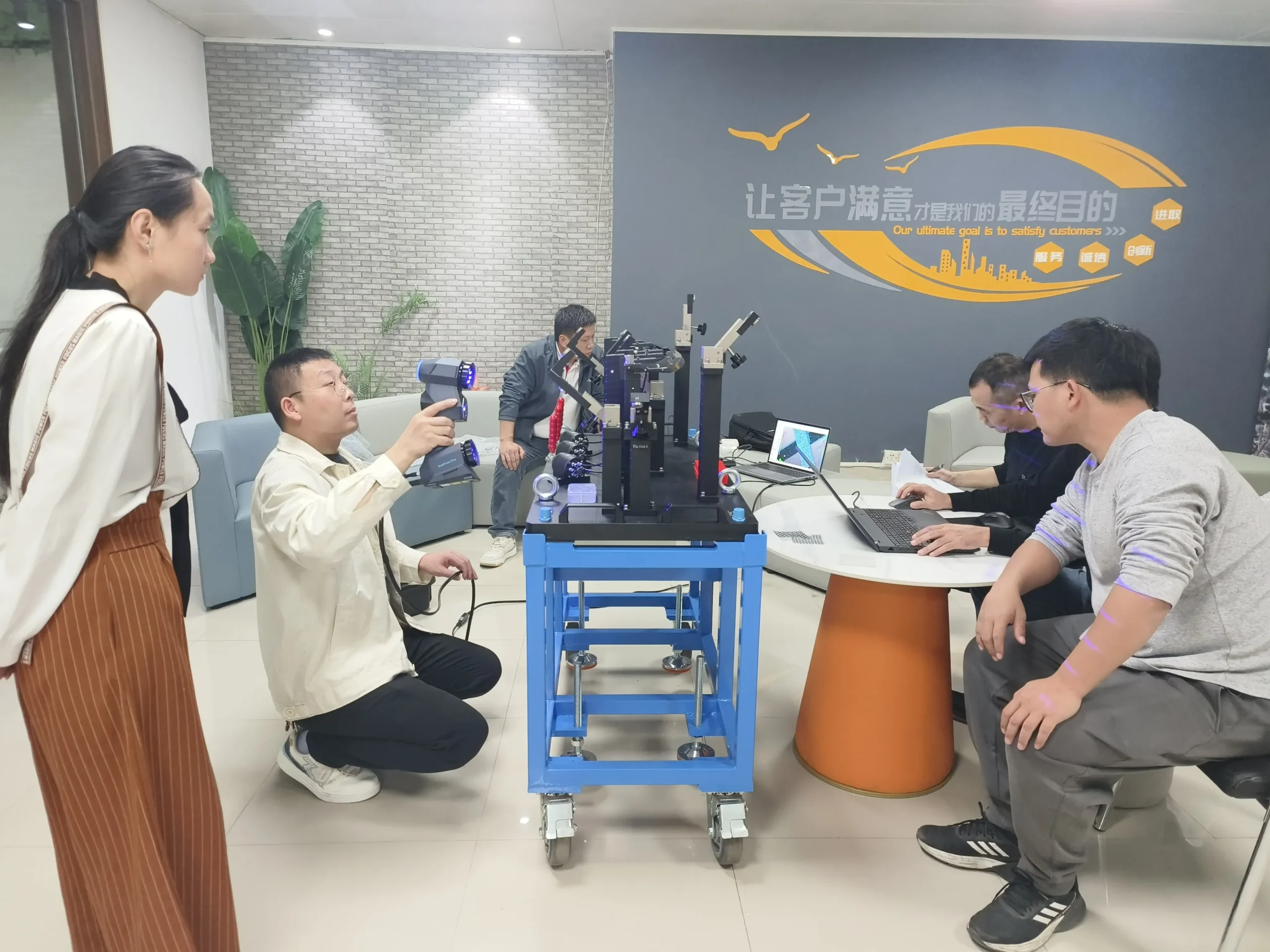
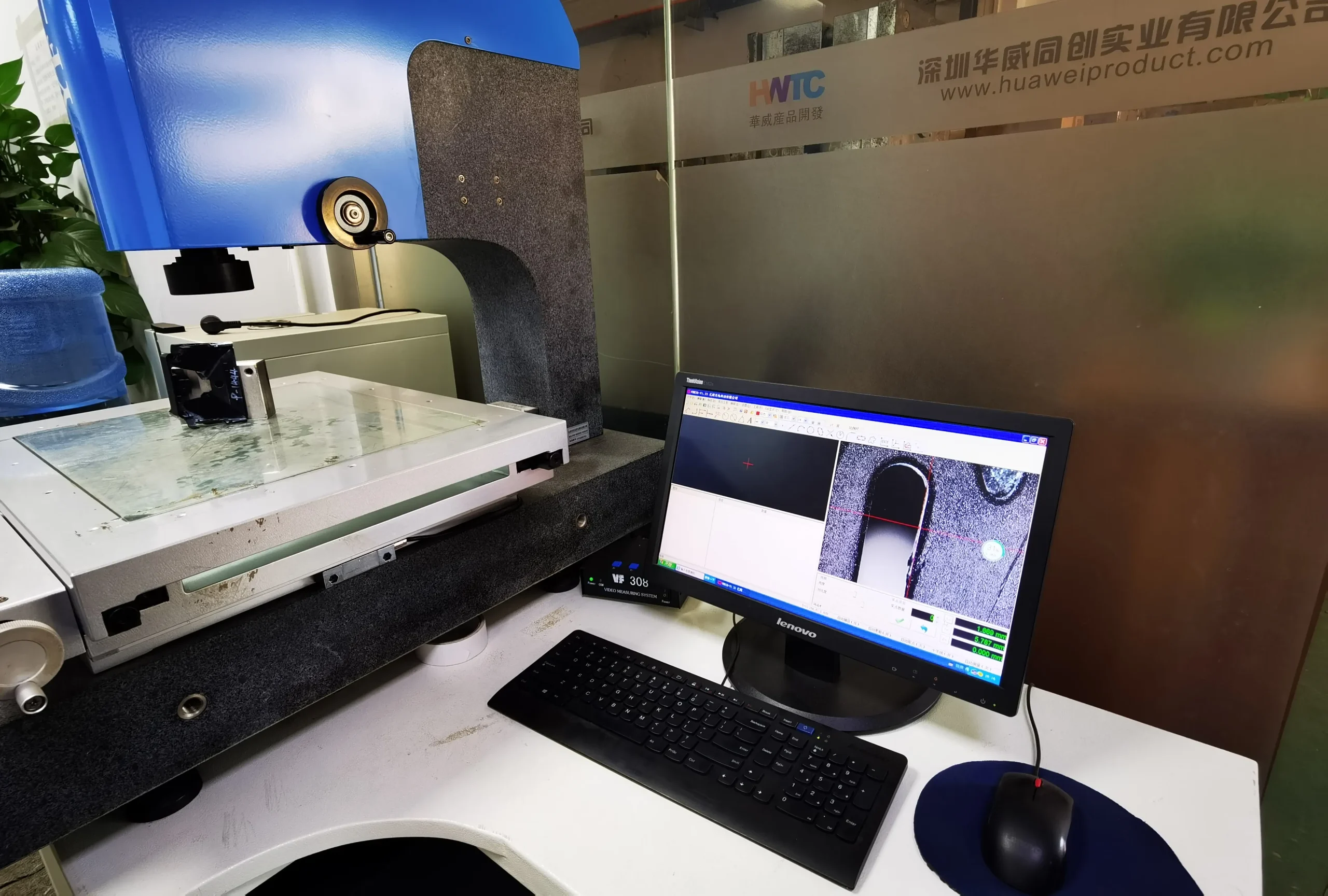
Engineering team inspecting and evaluating product quality using precision measurement equipment
50+
FAQs Answered
24h
Response Time
8
Topic Categories
Free
Initial Consultation

Most Asked

Top Questions from New
Clients

Process
How long does it take to go from idea to first production parts?
Typical timelines by project type →
Pricing
How much does injection mold tooling cost?
Tooling cost ranges explained →
Production
What is your minimum order quantity?
MOQ by production type →
IP Protection
How do you protect my intellectual property?
NDA and confidentiality policies →
DFM
What files do I need to provide to get started?
File formats and requirements →
Quality
What quality certifications do you hold?
Our certifications and standards →

All Questions

Browse All FAQs

How long does it take to go from idea to first production parts?

Timelines depend on project complexity. A simple single-part consumer product typically takes 12–16 weeks from concept to first production samples. A complex multi-component product may take 20–28 weeks. We always provide a detailed timeline at the start of every project. Rush programs can be accommodated — contact us to discuss your deadline.

At minimum: a description of your product idea, target market, estimated annual volume, and any existing sketches or reference products. From there we can provide a preliminary timeline and cost estimate. The more detail you can provide — 3D CAD files, 2D drawings, material preferences, quality requirements — the more accurate our initial proposal will be.

We work with clients at every stage of product development — from a rough sketch or reference product through to a fully detailed CAD file ready for tooling. Our industrial design and engineering team can take your concept and develop it into a production-ready design, or we can pick up at whatever stage you are currently at.

We offer complete end-to-end product development — industrial design, DFM analysis, rapid prototyping, mold design, mold manufacturing, injection molding, assembly, and packaging. You can engage us for the full process or for specific stages. Many clients start with just a DFM review or prototype and then bring us in for production as the project progresses.

Simply contact us through our website or send an email to info@hwpd.com. Describe your project briefly and we will respond within 24 hours with a request for more information or a preliminary project discussion. We sign an NDA before any detailed project information is shared.

A 3D CAD file (STEP or IGES format preferred) and a 2D drawing with dimensions and tolerances. If you only have a 2D drawing or a physical sample, we can work with that. For a preliminary DFM assessment, even a PDF drawing or clear photographs of a reference product are sufficient to provide initial feedback.

We provide a free initial DFM assessment for all new projects — identifying critical issues within 48 hours of receiving your files. A full detailed DFM report with annotated screenshots, severity ratings, and cost impact estimates is included as part of our project engagement at no additional charge.

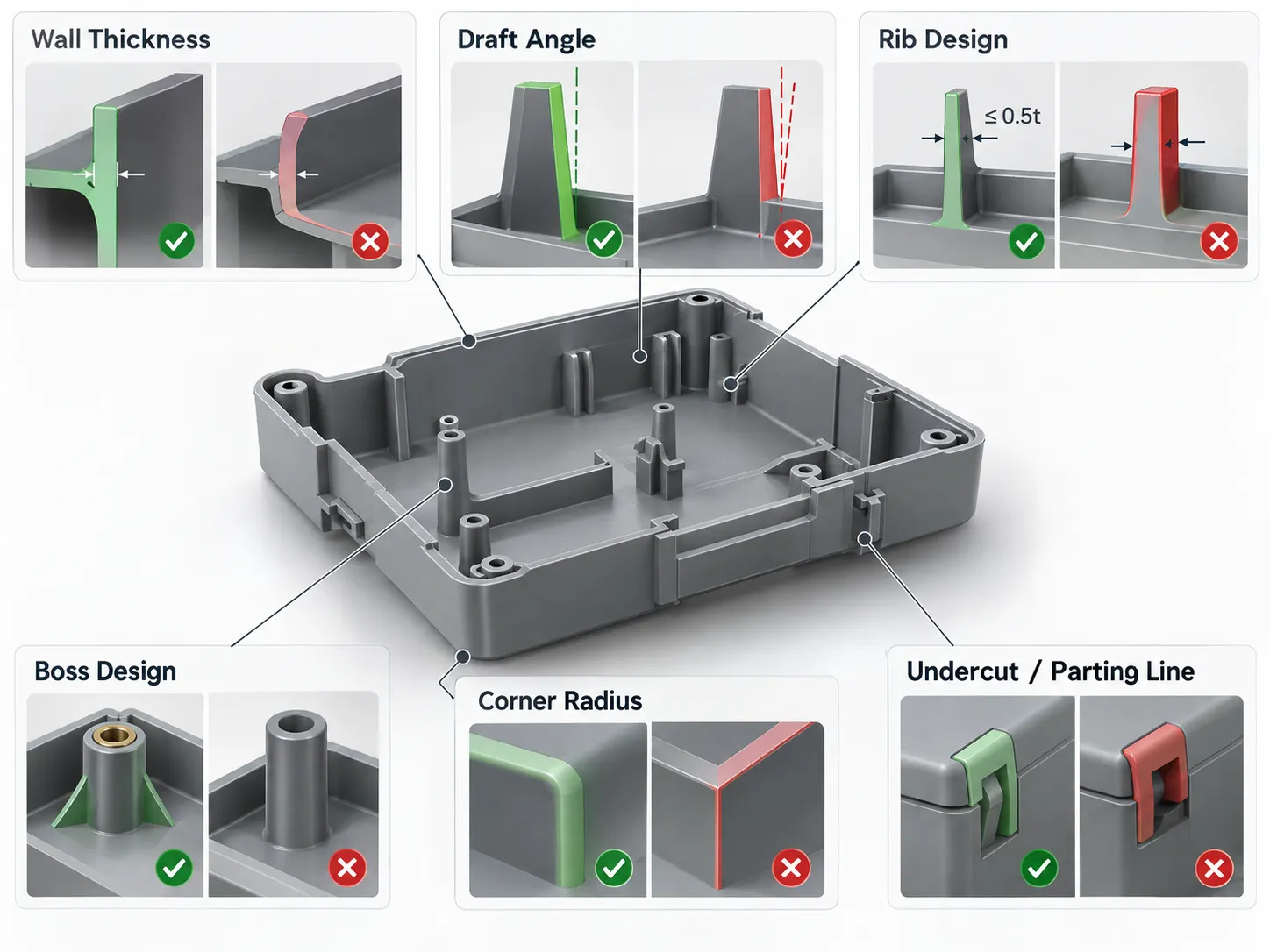
Our DFM review covers wall thickness uniformity, draft angles, undercuts and parting line placement, gate location and fill pattern, rib and boss geometry, tolerance analysis, material selection compatibility, and surface finish requirements. We issue a written report rating each item as Pass, Review, or Critical — with specific recommendations for every issue identified.

As early as possible — ideally before finalizing your 3D CAD model and certainly before requesting tooling quotes. DFM issues are cheapest to fix in the design stage. Changes after tooling has started can cost 5–10x more than design-stage corrections. We recommend DFM review at the concept stage, after initial CAD completion, and again before tooling release.

Tooling costs vary widely based on part size, complexity, cavitation, and steel grade. As a rough guide: aluminum prototype molds cost $3,000–$8,000; P20 steel single-cavity production molds cost $8,000–$25,000; H13 hardened multi-cavity molds cost $25,000–$80,000+. We provide detailed tooling quotes after reviewing your part design and production requirements.

Per-part pricing depends on material cost, cycle time, number of cavities, secondary operations (assembly, decoration, packaging), and annual volume. Higher volumes reduce per-part cost through amortized tooling and more efficient production scheduling. We provide detailed per-part cost breakdowns with every production quote.

No. Our initial project consultation, DFM assessment, and preliminary quote are all provided at no charge. We invest this time because we understand that accurate quoting requires understanding your project properly — and we would rather spend an hour understanding your needs than provide a meaningless ball-park figure.

We quote all-in pricing that includes tooling, T1 samples, first article inspection, and standard packaging. Items that may be quoted separately depending on your requirements include: PPAP documentation, custom packaging design, third-party certification testing, expedited tooling lead times, and secondary operations like painting or assembly. We flag all of these upfront so there are no surprises.

Our minimum order quantity is 100 pieces for injection molded parts. For quantities below 100 pieces, we recommend evaluating urethane casting or 3D printing as more cost-effective alternatives. For pilot programs, we offer low-volume tooling strategies that make 100–500 piece runs economically viable.

Yes. We support production volumes from 100 pieces per run (using low-volume tooling strategies) through to millions of units per year on dedicated high-cavitation production lines. Our tooling and production strategy recommendations are always calibrated to your target volume.

For repeat production orders where tooling is already built and approved, typical lead times are 2–4 weeks for standard programs. Rush orders can often be accommodated in 1–2 weeks depending on machine availability and material lead times. We maintain agreed safety stock for high-volume customers to eliminate lead time risk.

Yes. We offer component assembly, sub-assembly, insert installation, pad printing, hot stamping, and custom retail packaging as value-added services. Many clients ship us multiple components and we handle assembly, quality inspection, and dispatch — reducing their supplier base and simplifying logistics.

We process over 50 thermoplastic resins including ABS, PP, PC, PA6, PA66, POM, PBT, PMMA, TPU, TPE, PEEK, PPS, PC/ABS, and many specialty grades. For medical applications we offer ISO 10993-tested biocompatible grades. For automotive and electrical applications we offer UL94 flame-retardant grades. Our materials team can recommend the right resin for your application.

Absolutely. Material selection is one of the most important decisions in product development and it is included in every DFM review. We evaluate your functional requirements (temperature range, chemical exposure, mechanical loads, regulatory compliance) against available material options and make a specific recommendation with supporting data.

Yes. We offer post-consumer recycled (PCR) grades of ABS, PP, and PC/ABS for clients with sustainability requirements. We also work with bio-based and biodegradable thermoplastics for specific applications. Material performance data for PCR grades — including mechanical properties, color consistency, and processing characteristics — is available on request.

We hold ISO 9001 certification for our quality management system. Our medical production operation is aligned with ISO 13485 requirements. For automotive customers we operate to IATF 16949-aligned processes including PPAP, FMEA, control plans, and SPC. We can provide copies of our current quality certificates on request.

Standard documentation includes a Certificate of Conformance, dimensional inspection report (AQL sampling), and material certificates. Additional documentation available on request includes PPAP packages (Levels 1–3), process capability studies (Cpk), SPC data, first article inspection reports (FAI/ISIR), and full batch production records.

Yes. Every production batch is fully traceable from raw material lot through production shift, machine, mold cavity, in-process inspection data, outgoing inspection, and shipment. Traceability records are maintained for a minimum of 10 years. For medical and automotive customers, additional traceability requirements can be accommodated.

We take IP protection very seriously. Before any project information, design files, or proprietary data is shared, we sign a mutual Non-Disclosure Agreement (NDA). Access to your project files is restricted to the assigned project team. We maintain strict data security protocols and do not share, reproduce, or reuse client designs for any purpose other than the agreed project scope.

Upon full payment, all mold design files, 3D CAD models, 2D drawings, and associated engineering documents are your intellectual property. The physical mold is also your property and can be shipped to another manufacturer at your request, or stored at our facility for ongoing production. We do not retain any rights to use, copy, or share your designs.

Still Have Questions?

Our engineering team is happy to answer any question not covered here — usually within 24 hours.