We use necessary cookies to operate this website and optional analytics cookies to understand how visitors use our pages. Analytics cookies are used only with your consent. You can accept or reject them and change your choice at any time. See our Cookie Policy and Privacy Policy.


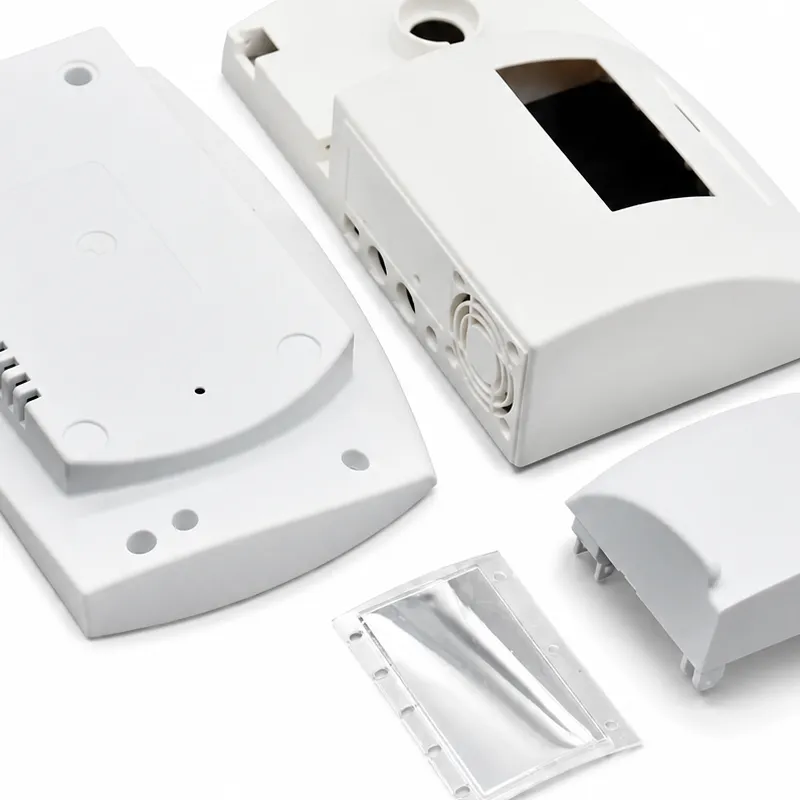
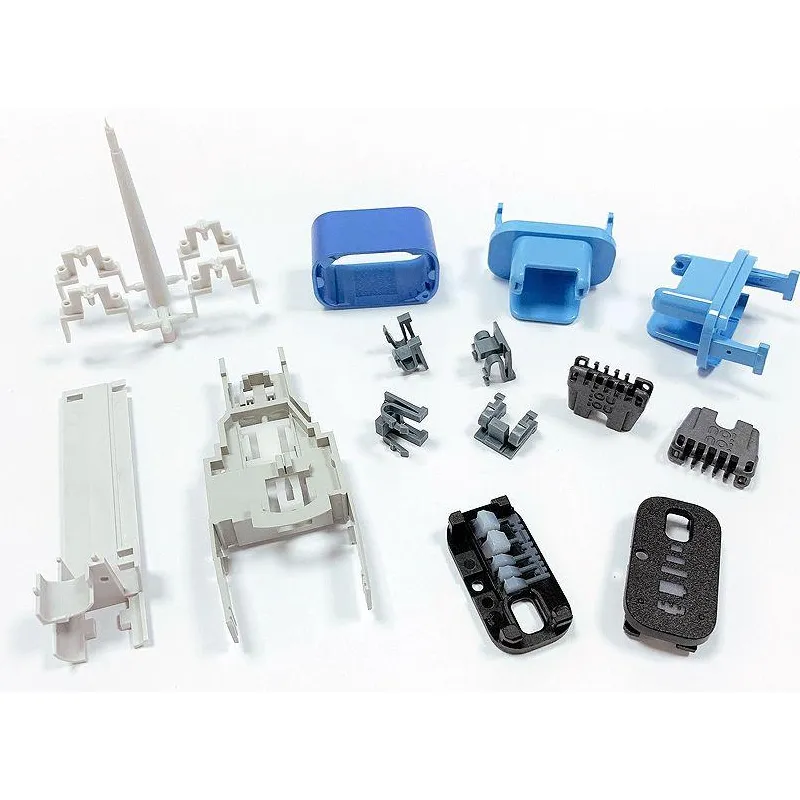
HWPD medical device manufacturing services produce precision plastic components for diagnostic devices, surgical instruments, drug delivery systems, wearable healthcare products, and medical equipment housings. From DFM and tooling to clean room molding, documentation, and traceable production, every part is built for reliable healthcare applications.
Drawing-Specific
ISO 10993 Support
ISO Class 7*
Project-Specific
Medical device manufacturing services are not standard commercial production. Plastic components may contact human tissue, blood, or bodily fluids, or they may become critical parts of life-sustaining equipment. In this context, dimensional accuracy, material control, and validated manufacturing processes directly affect device reliability and patient safety.
Every aspect of medical device manufacturing must be controlled, documented, and verified to a level that goes far beyond standard commercial injection molding. From the biocompatibility certification of incoming materials to the sterilization resistance of finished parts, medical molding requires a quality management system purpose-built for the demands of healthcare regulation.
Medical device manufacturers operate within a complex framework of regulatory and quality requirements, including FDA’s Quality Management System Regulation (QMSR), 21 CFR Part 820 in the United States, the EU Medical Device Regulation (EU MDR), and applicable requirements in other markets. Plastic component suppliers may also be required to meet customer-specific quality, documentation, traceability, and process-validation requirements. HWPD supports project-defined manufacturing and supplier-quality documentation according to the agreed quality plan and regulatory needs of each program.
Our medical device manufacturing services cover precision injection molded plastic components for disposable single-use products, diagnostic housings, wearable medical devices, laboratory equipment, and durable capital equipment housings.
Blood glucose meters, pulse oximeters, thermometers, and in-vitro diagnostic device enclosures.
Autoclavable handles, scope housings, surgical tool grips, and instrument tray components.
Inhaler housings, pen injector bodies, IV connector components, and infusion pump enclosures.
Continuous glucose monitor housings, cardiac monitor shells, and patient monitoring wearable enclosures.
Single-use syringe components, catheter connectors, sample collection containers, and sterile packaging.
MRI, CT, and ultrasound equipment panels, ventilator housings, and imaging system enclosures.
Pipette tips, microplate components, laboratory instrument housings, and fluid handling system parts.
Prosthetic components, orthotic shells, rehabilitation equipment parts, and assistive device housings.
Our medical device manufacturing services are configured to meet the dimensional, material, documentation, clean room, and traceability requirements of Class I, II, and III medical device manufacturers.
±0.02
ISO 7
100%
IQ/OQ/PQ
Medical device manufacturing services require more than precision molding — they require a complete quality ecosystem that supports regulatory submissions, process validation, lot traceability, and post-market surveillance throughout the device lifecycle.
Our medical device manufacturing services include quality management, validation, clean room molding, and documentation capabilities that support medical device manufacturers through the full regulatory lifecycle.
Our medical manufacturing quality system is aligned with ISO 13485 — covering design controls, production and process controls, corrective action, and supplier management in accordance with the global medical device quality standard.
For patient-contact applications, resin selection can consider supplier biological-safety data and the device manufacturer’s biological evaluation plan. Final biocompatibility assessment depends on the finished device, material composition, manufacturing process, type of contact, and exposure duration.
Process validation, including IQ/OQ/PQ activities where required, can be developed and executed according to the agreed validation plan, ISO 13485:2016 Clause 7.5.6, customer-specific quality requirements, and applicable regulatory requirements. Validation scope is defined according to the molding process, product risk, and project requirements.
Material selection and part design validated for compatibility with EtO, gamma irradiation, and steam autoclave sterilization methods — with sterilization resistance data provided for regulatory submissions.
Manufacturing risk information can support the customer’s ISO 14971 risk-management process. Process-level manufacturing risks are addressed through PFMEA, control plans, process validation, and defined inspection controls.
Complete traceability from raw material lot through production, inspection, and shipment — enabling rapid field action response and supporting post-market surveillance requirements under EU MDR and FDA regulations.
Our medical manufacturing quality management system is aligned with ISO 13485 requirements and we operate to its standards on all medical device programs. We work with medical device OEM customers whose supply chain requirements include ISO 13485-aligned supplier quality systems. We can provide detailed quality system documentation for customer qualification audits.
We process medical-grade ABS, PC, PP, PE, PETG, PEEK, POM, PA, TPU, and TPE resins from qualified suppliers with ISO 10993 biocompatibility data. Material selection is based on the nature and duration of patient contact as defined in ISO 10993-1. We can process customer-nominated medical-grade resins with appropriate qualification documentation.
Yes. ISO Class 7 clean-room molding can be supported for projects with defined particulate-control requirements. Environmental monitoring, gowning, cleaning, and production controls are applied according to the validated clean-room procedures. Lower particulate classifications should only be stated where the specific facility capability is verified. Clean-room production requirements are determined by the device, manufacturing process, contamination-control strategy, and customer specification.
We can provide manufacturing and supplier-quality documentation to support customer regulatory submissions where required. Depending on the project scope, this may include material documentation, dimensional inspection reports, process-validation records, traceability records, manufacturing controls, and other agreed supplier documentation. Regulatory submission responsibility remains with the legal manufacturer or designated regulatory party.
Sterilization method compatibility is assessed during material selection. We maintain data on the dimensional and mechanical stability of our standard medical materials after EtO, gamma irradiation, and steam autoclave sterilization. For new applications, we work with customers to conduct sterilization challenge testing on prototype parts before production commitment.
Medical-Grade Materials
Start your medical device manufacturing program