We use necessary cookies to operate this website and optional analytics cookies to understand how visitors use our pages. Analytics cookies are used only with your consent. You can accept or reject them and change your choice at any time. See our Cookie Policy and Privacy Policy.


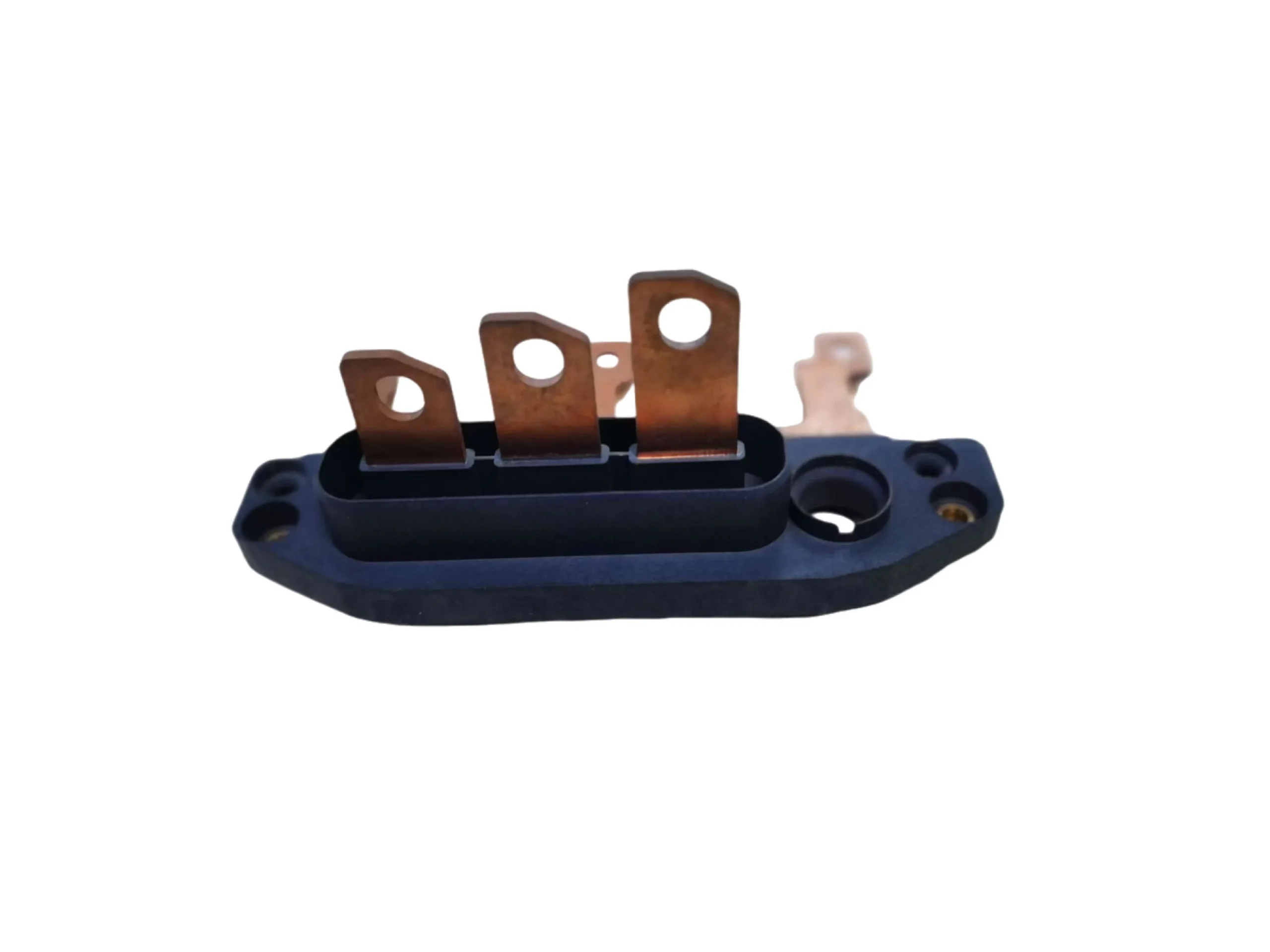
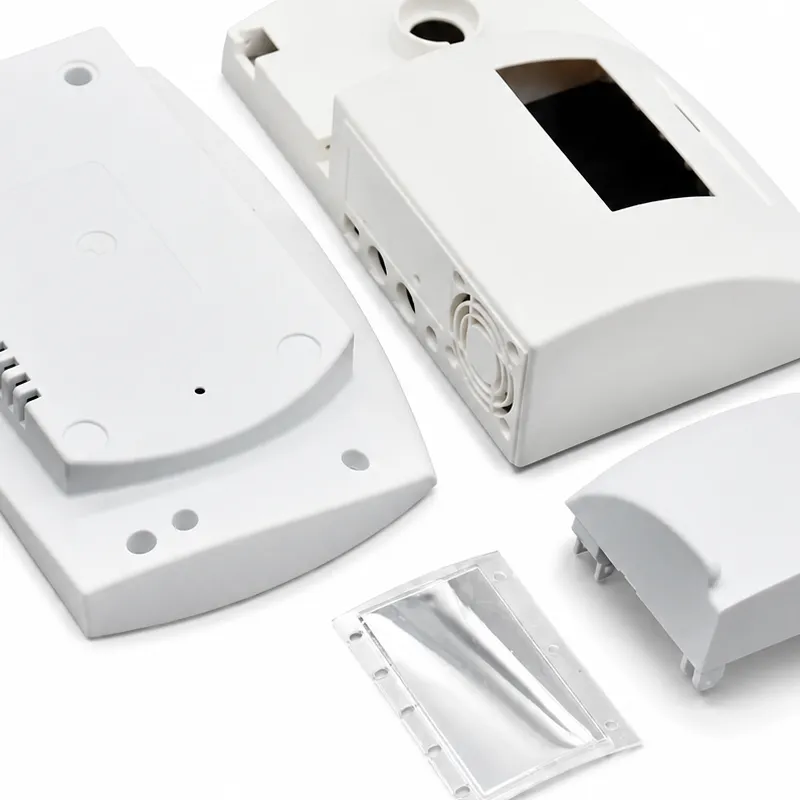
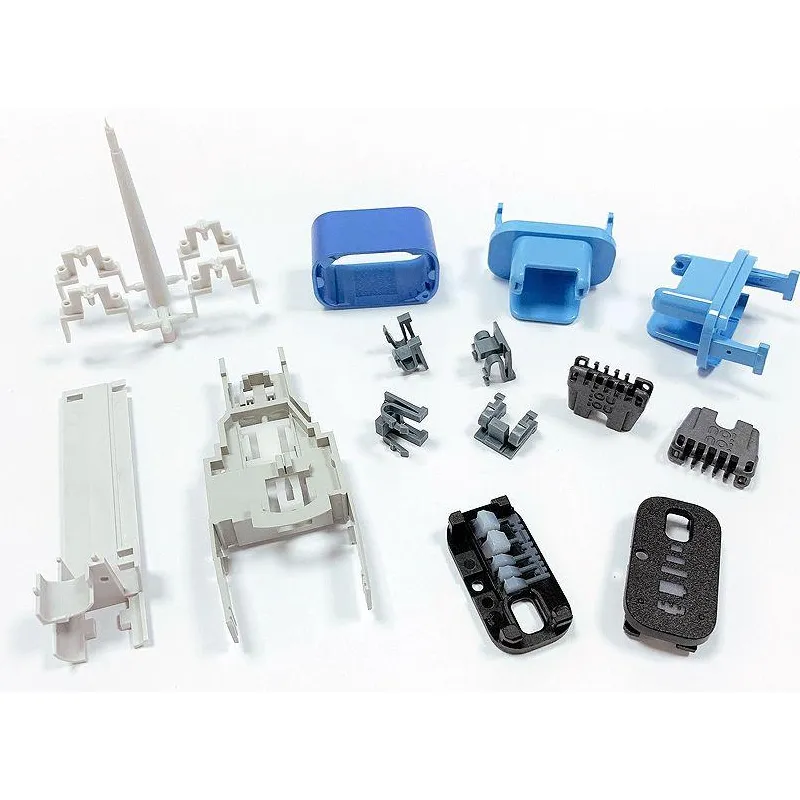
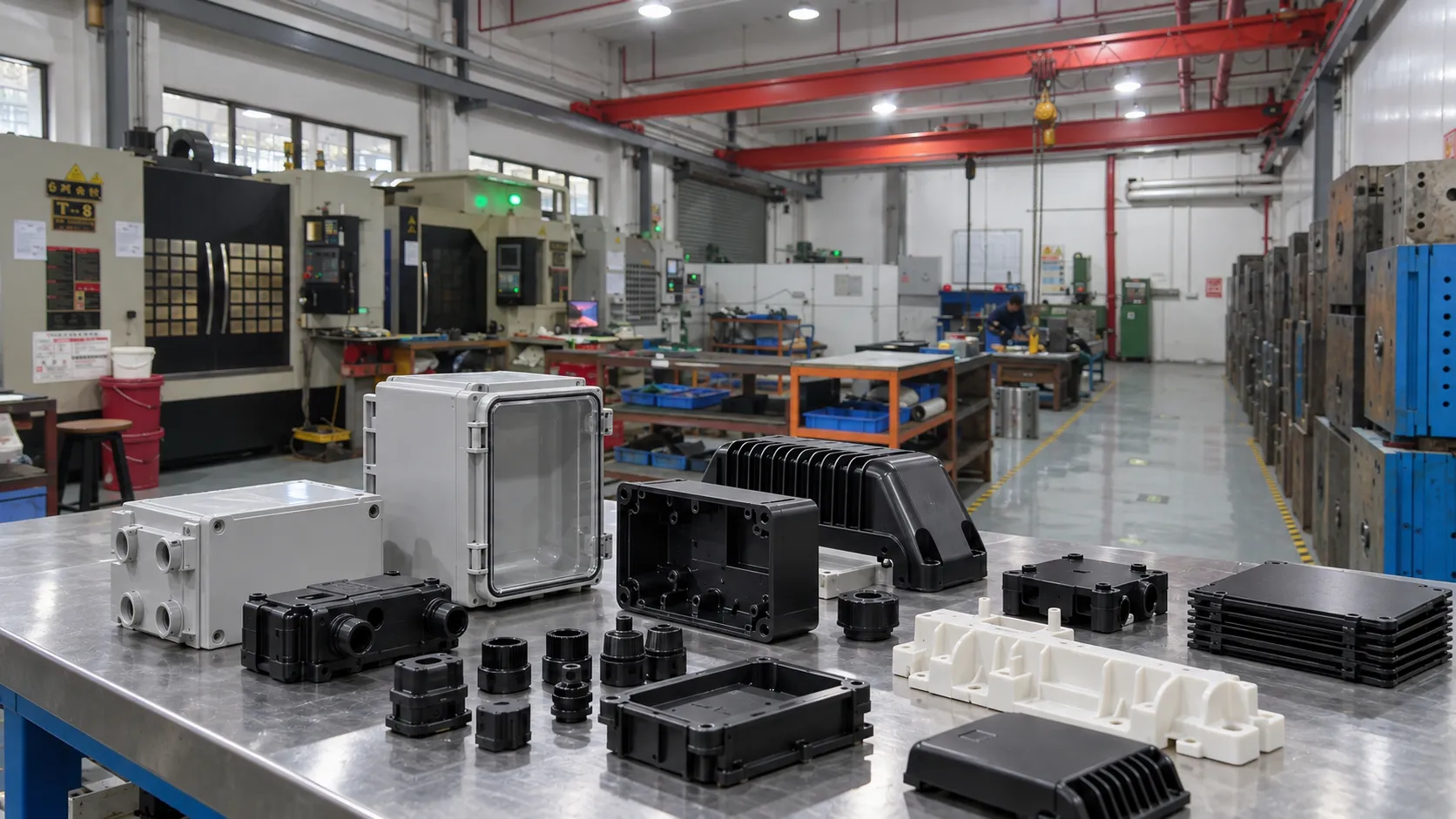
Low volume injection molding services from HWPD bridge the gap between prototype and full production. We deliver production-quality plastic parts in small batches from 100 to 5,000 pieces — ideal for market testing, pilot runs, regulatory samples, and customer launches — with real production resins, consistent tolerances, and faster tooling options.
Most injection molding operations are optimized for high volumes — hundreds of thousands to millions of parts. But what if you need 500 pieces for a product launch, or 1,000 units for a pilot customer? Low volume injection molding services solve this gap by delivering production-quality parts without the investment of full high-volume tooling.
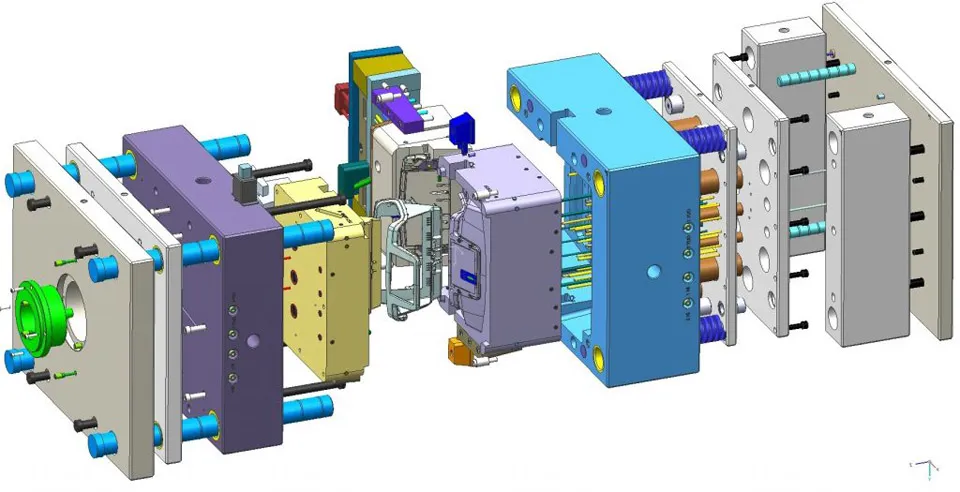
HWPD low volume injection molding services use cost-optimized tooling strategies — soft aluminum tooling, single-cavity molds, or bridge tooling — to produce genuine injection molded parts in small quantities, at a fraction of the investment of full production tooling.
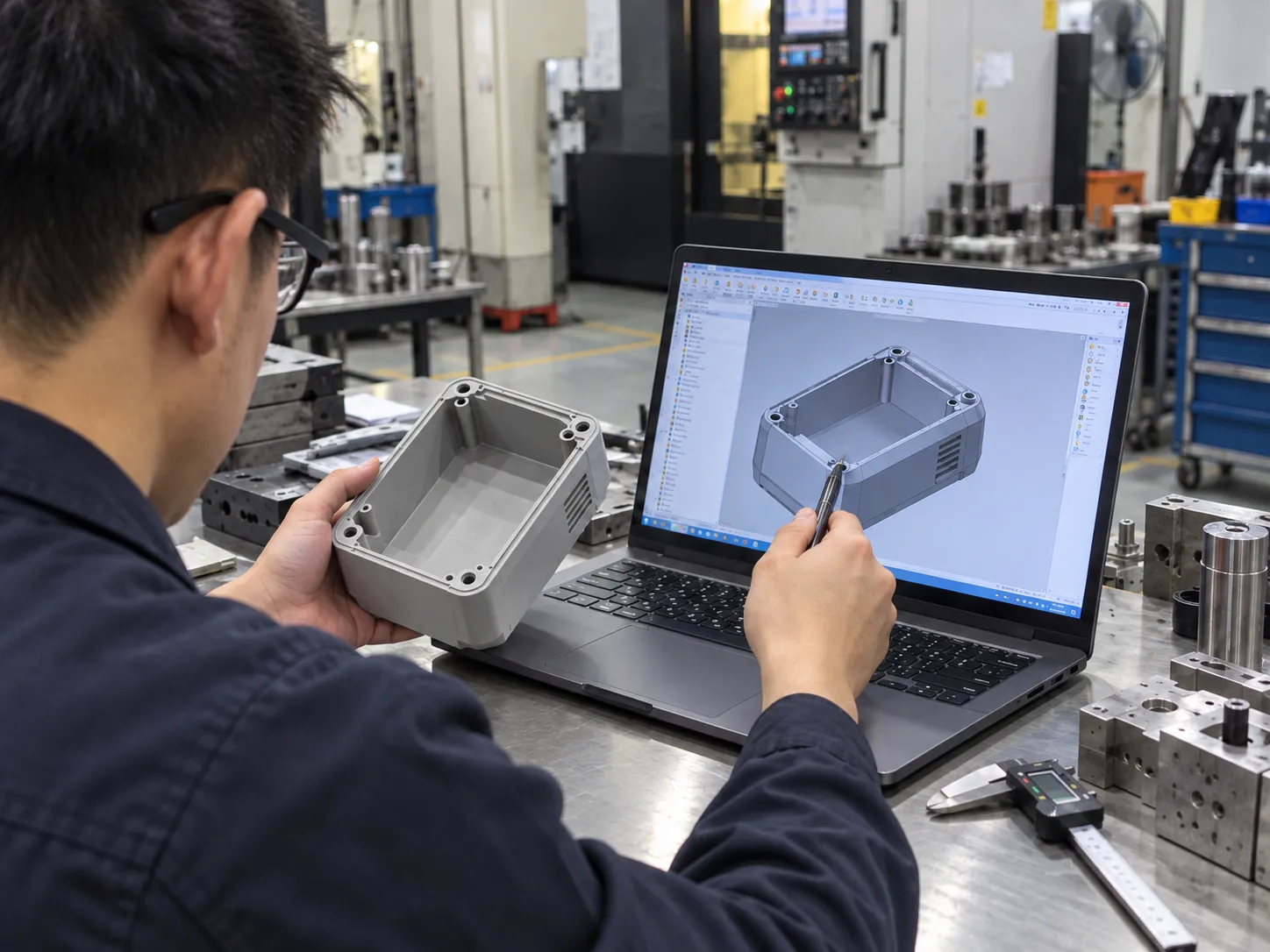
Unlike many additive or casting prototype processes, low-volume injection molding uses an injection mold and production thermoplastics. This produces parts that more closely represent the intended production geometry, material behavior, surface finish, assembly performance, and molding characteristics. Differences may still exist between bridge tooling and final production tooling depending on cavity count, gate design, cooling strategy, and process conditions.
Low volume injection molding services sit between prototype tooling and full production. They are the right choice when you need more parts than prototyping can cost-effectively deliver, but you are not yet at the volume that justifies a full hardened steel production mold — typically between 100 and 5,000 pieces per run.
How It Compares
Choosing the right production method depends on your volume, budget, timeline, and part requirements. HWPD low volume injection molding services are ideal for quantities of 100–5,000 pieces where real production resin, stable surface finish, and repeatable quality matter.
For quantities of 100–2,000 pieces and short timelines, aluminum tooling is the most cost-effective option. Aluminum machines faster than steel — typically 2–3 weeks from design to first parts — and costs 40–60% less than a steel production mold. Shot life of 10,000–50,000 shots is more than adequate for low-volume programs.
P20 bridge tooling is suitable when a project requires higher volume, longer tool life, or greater durability than typical aluminum prototype tooling. It provides a practical transition between prototype tooling and dedicated production tooling while supporting production thermoplastics and repeatable molded-part validation. Tool life is defined according to resin, part geometry, mold design, cycle conditions, and maintenance requirements.
For programs with a clear path to higher-volume production, a single-cavity hardened steel mold can provide a lower-investment entry into production tooling. It supports production thermoplastics, controlled molding conditions, and production-representative validation while avoiding the higher upfront cost of a multi-cavity tool.
100
2–4
60%
50+
Low volume injection molding services are not a compromise — for many projects, they are the smartest manufacturing strategy available. Here are the most common scenarios where low volume molded parts deliver the best outcome.
Produce your first 500–2,000 units for initial market entry. Real injection molded parts mean your retail or e-commerce launch uses the actual product — not a prototype substitute. Validate demand before committing to high-volume tooling investment.
Low-volume injection molding can produce production-representative samples using specified thermoplastics for engineering validation, customer testing, and certain certification activities. Suitability for CE, UL, medical, automotive, or other compliance testing depends on the applicable standard, material certification, tooling, process controls, production conditions, and test protocol. Requirements should be confirmed before the tooling strategy is finalized.
Retailers, distributors, and B2B customers expect to evaluate finished production parts — not prototypes. Low volume molding lets you produce professional samples and sales aids that create real purchase intent, long before your main production run.
Inject 200 pieces, get them into users’ hands, collect feedback, make changes to the tool — and repeat. Low volume tooling is cost-effective enough to iterate on, whereas high-volume production tooling changes can cost tens of thousands of dollars per modification.
Products with a defined lifecycle — seasonal items, limited editions, spare parts for legacy products — often don’t justify high-volume tooling investment. Low volume molding delivers the right quantity at the right cost for programs with predictable end dates.
Use low volume tooling to generate revenue while your full production mold is being manufactured. Bridge tooling can often run in parallel with production mold development, ensuring you have parts to sell from month one — without waiting 3–4 months for the full tool.
The right manufacturing strategy depends primarily on your required quantity. Use this guide to identify the best approach for your program — and our team can advise further based on your specific part, material, and timeline.
Use rapid prototyping methods — fastest speed, highest per-part cost, May not fully reproduce injection-molded geometry and process behavior. Best for design validation only.
Production-material injection molded parts with lower upfront tooling investment. Suitable for functional validation, pilot builds, market introduction, bridge production, and design iteration before higher-volume tooling.
Invest in hardened steel production tooling for consistent quality and cost efficiency at mid-scale volumes. Multi-cavity options available to increase output.
Full production tooling with high cavitation, hot runner systems, and automated handling. Lowest per-part cost and fastest cycle times at scale.
Our minimum is 100 pieces per run. For quantities below 100 pieces, urethane casting or 3D printing are usually more economical. We’re happy to discuss the best option for your specific quantity and budget — sometimes a 200-piece low volume mold run is more cost-effective than 50 cast parts.
Low-volume injection molded parts can closely represent production parts because they use the injection molding process and specified production thermoplastics. However, differences in tool material, cavity count, gating, cooling, process conditions, and automation may affect final production characteristics. These differences are reviewed during DFM and tooling planning.
In many cases, yes. P20 bridge tooling can often be hardened, recut, or converted to multi-cavity configurations as volumes grow. Aluminum tooling has more limited upgrade options but can run alongside new production tooling during the transition period.
Aluminum tooling typically delivers first parts in 2–3 weeks. P20 bridge tooling takes 3–5 weeks. This is significantly faster than full production tooling (6–12 weeks), making it ideal for launch programs with tight timelines.
We offer the full range of thermoplastic resins for low volume programs — ABS, PP, PC, PA6, PA66, POM, TPU, TPE, PMMA, PC+ABS, and many others. High-performance resins like PEEK and PPS are available on request. Material selection guidance is included in our quotation process.
Tooling Cost Comparison
Get a low volume quote today