






Automotive plastic parts rarely move directly from CAD to full production. A component may need to satisfy dimensional interfaces, appearance standards, temperature and chemical exposure, vibration, assembly forces, long service life, and formal customer documentation at the same time. That is why automotive injection molding is best treated as a staged development process. Each stage removes a different type of risk, from early geometry and material questions to tooling capability and process stability. The objective of PPAP is not simply to collect paperwork; it is to show that the product and the manufacturing process are capable of repeatedly meeting the approved requirements.

1. Start With Requirements That Can Be Verified
The development process begins by translating program expectations into measurable requirements. Critical dimensions, GD&T, appearance zones, material specification, color and gloss, assembly loads, temperature range, chemical exposure, flammability, annual volume, packaging, and traceability needs should be defined as early as practical. Automotive parts also interact with surrounding components, so datum strategy and tolerance stack-up matter. A connector housing, trim panel, sensor bracket, or under-hood cover can fail even when its own dimensions are acceptable if the overall assembly relationship was not understood.
2. Use Prototypes to Reduce the Right Risks
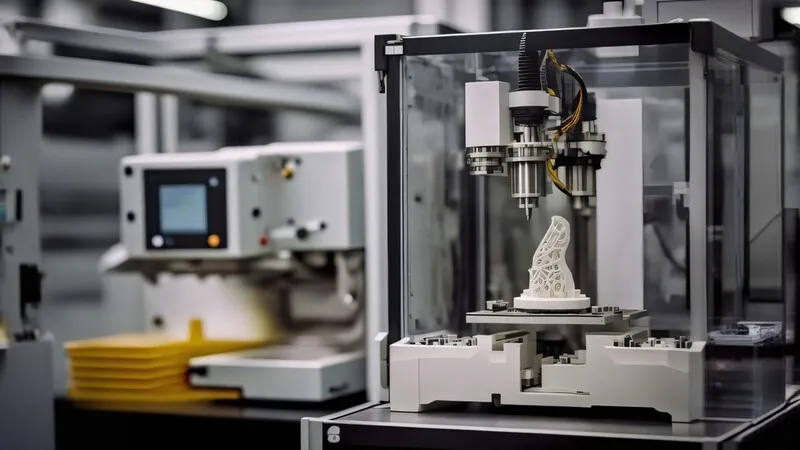
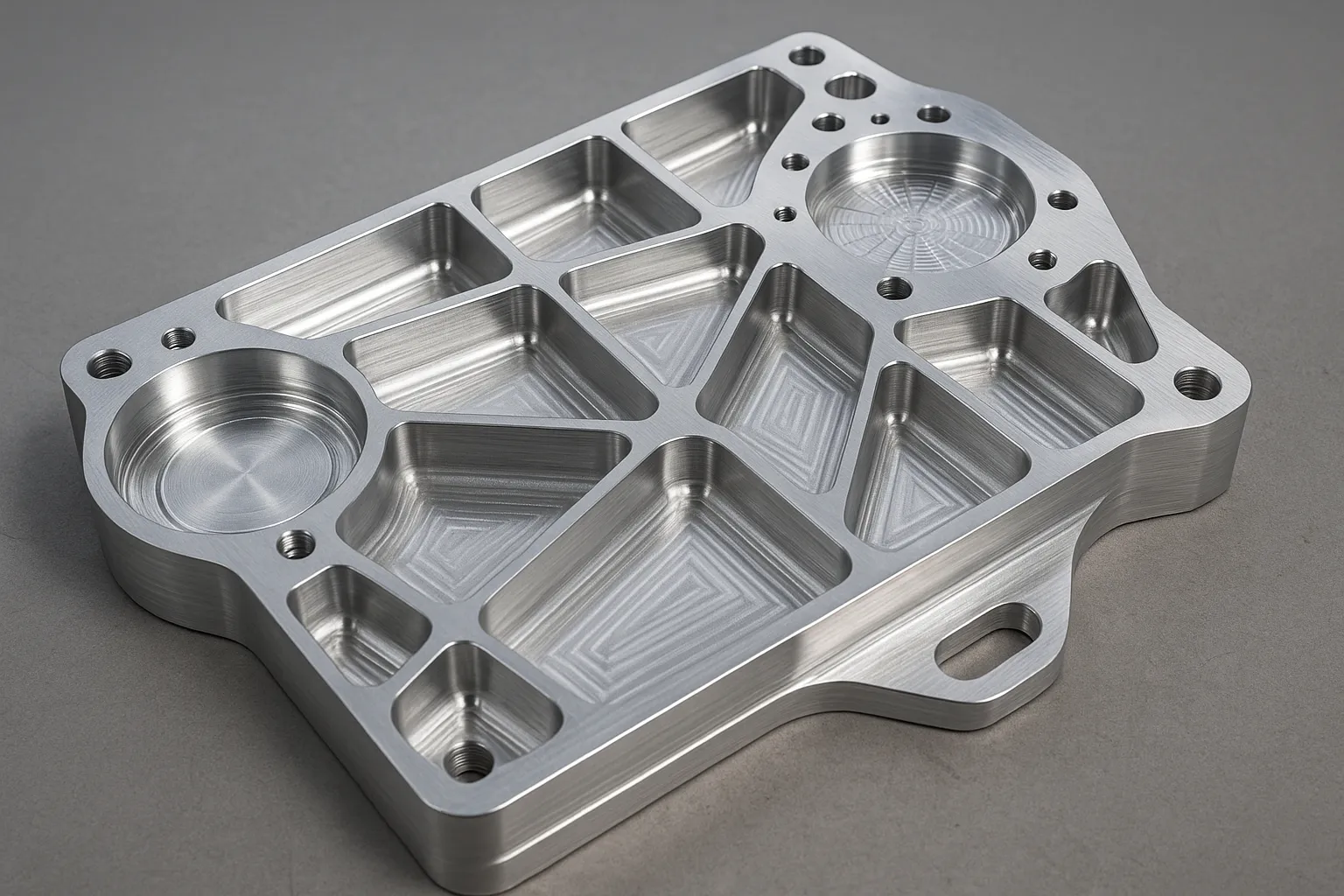
Early prototypes allow teams to test fit, package space, ergonomics, clips, fastener access, and assembly sequence without waiting for production tooling. Different processes answer different questions. 3D printing is useful for fast geometry iteration, while CNC machining can provide more representative mechanical properties for some engineering plastics. The rapid prototyping stage should be linked to a validation plan so each build produces a decision. Prototype success should not be confused with molding readiness because printed and machined parts do not reproduce every effect of injection molding.
3. Freeze Production Geometry Through DFM
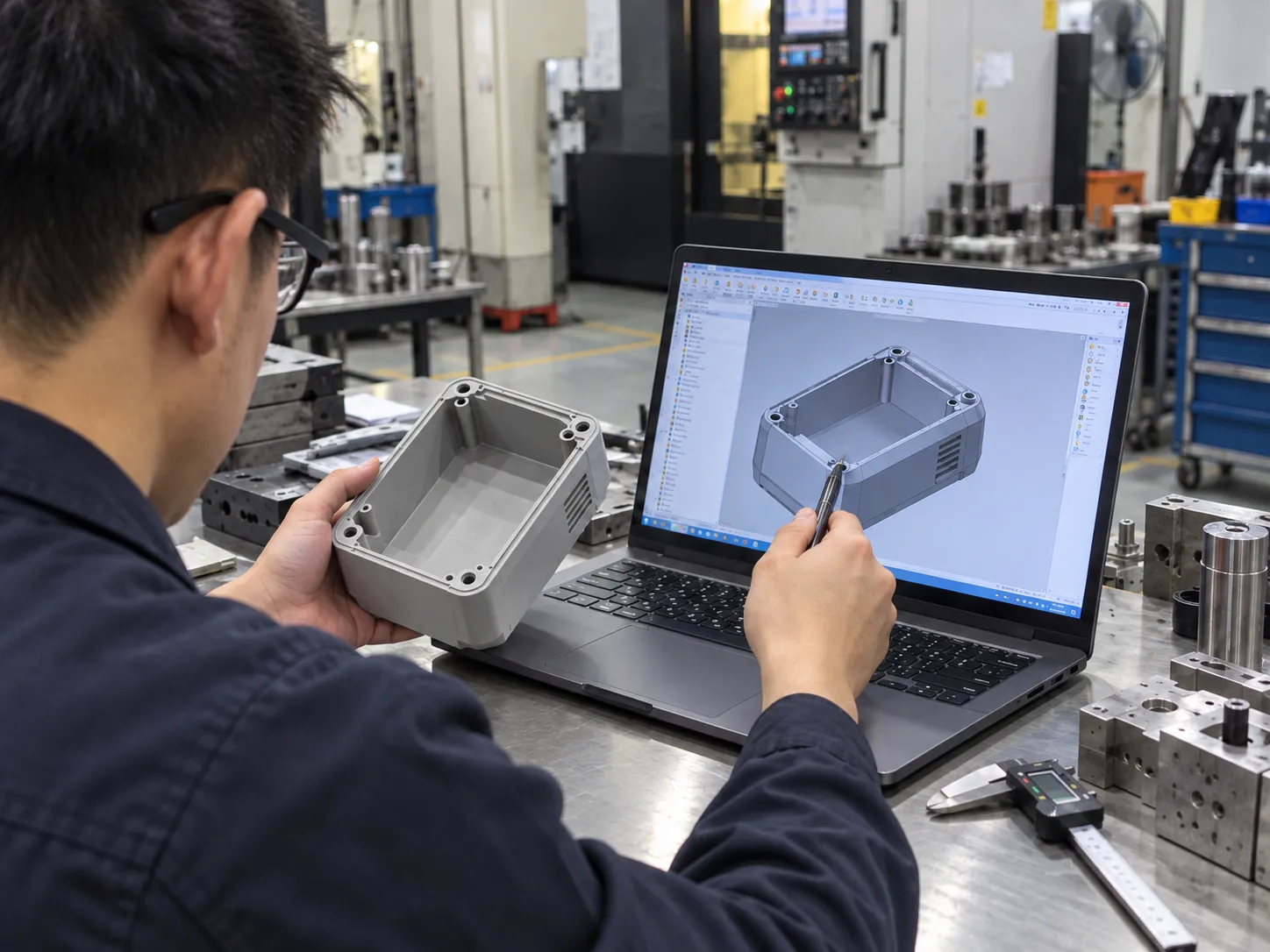
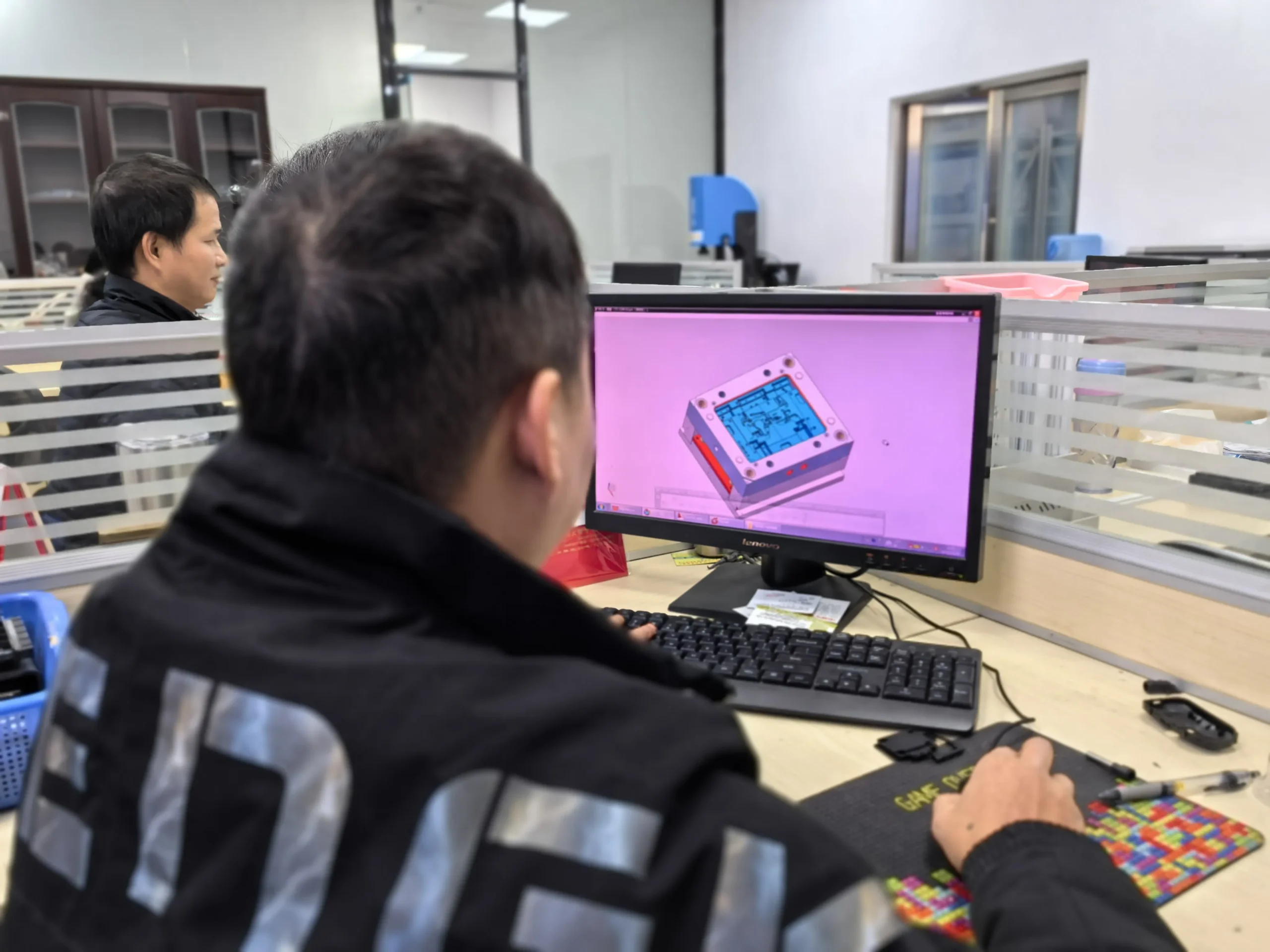
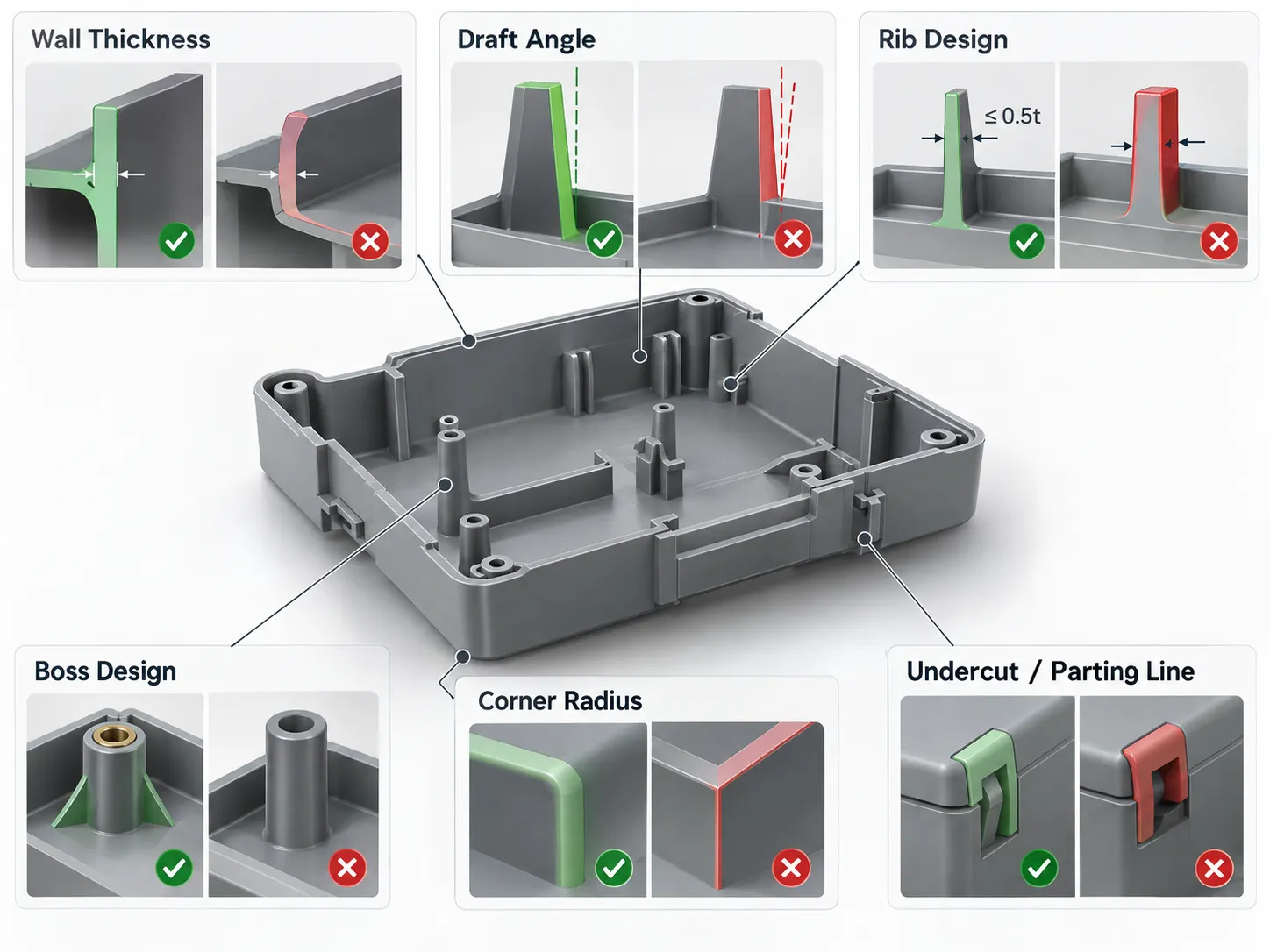
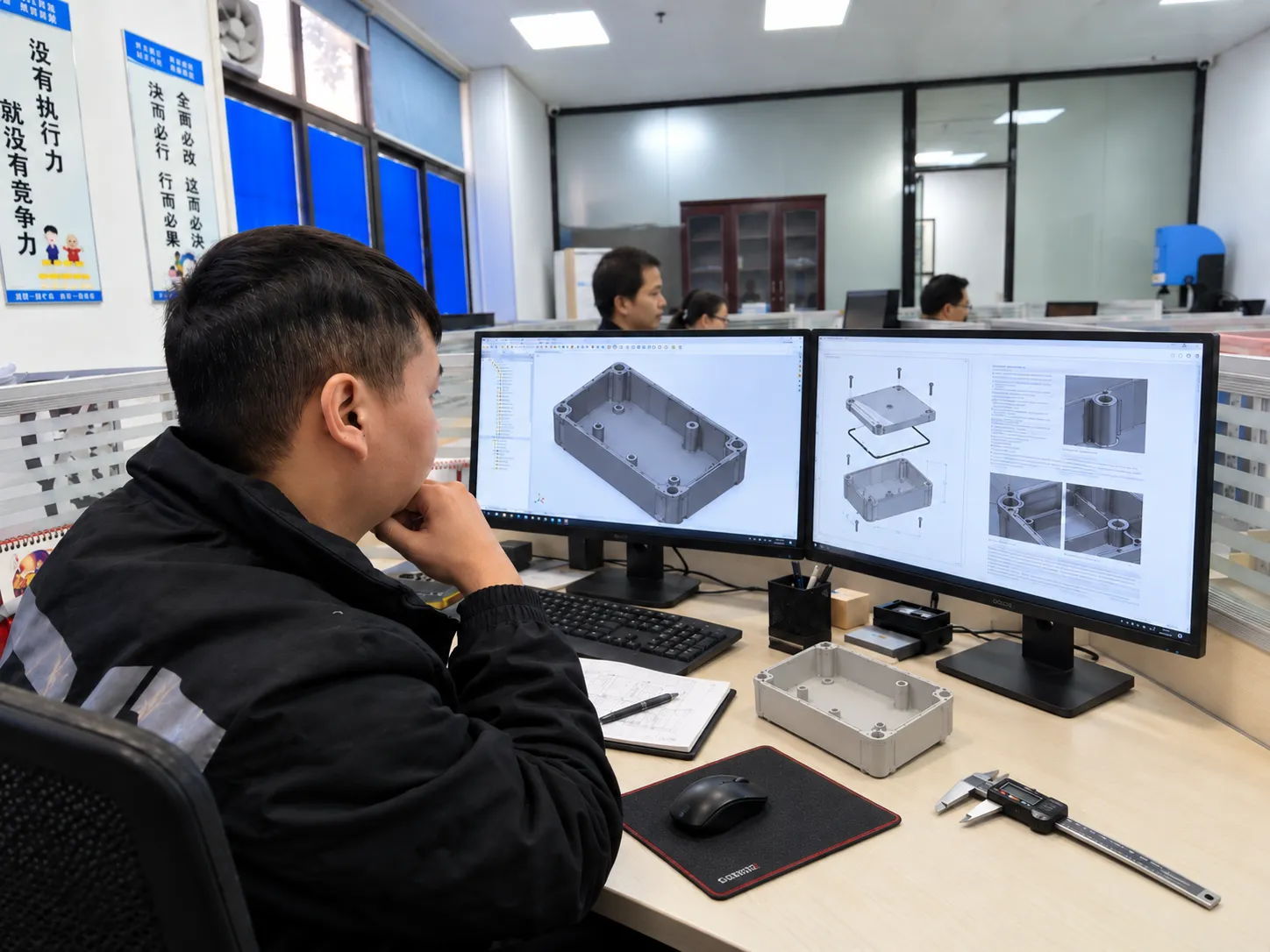
Before tooling, a detailed DFM analysis reviews wall thickness, draft, ribs, bosses, snap features, undercuts, parting lines, gate location, ejector areas, shrinkage, and cosmetic risks. Automotive components often contain both functional and visible surfaces, so tooling decisions can affect appearance as well as dimensions. Gate vestige, weld lines, texture direction, gloss, sink, and witness lines should be discussed before mold steel is cut. Critical dimensions should also be identified so the mold and inspection plan are built around the true functional requirements.

4. Build the Tool for the Expected Program Life
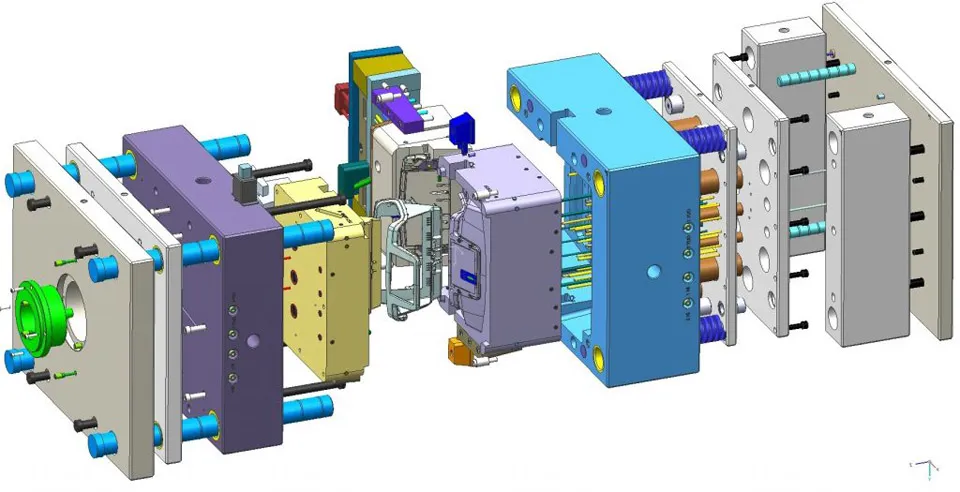
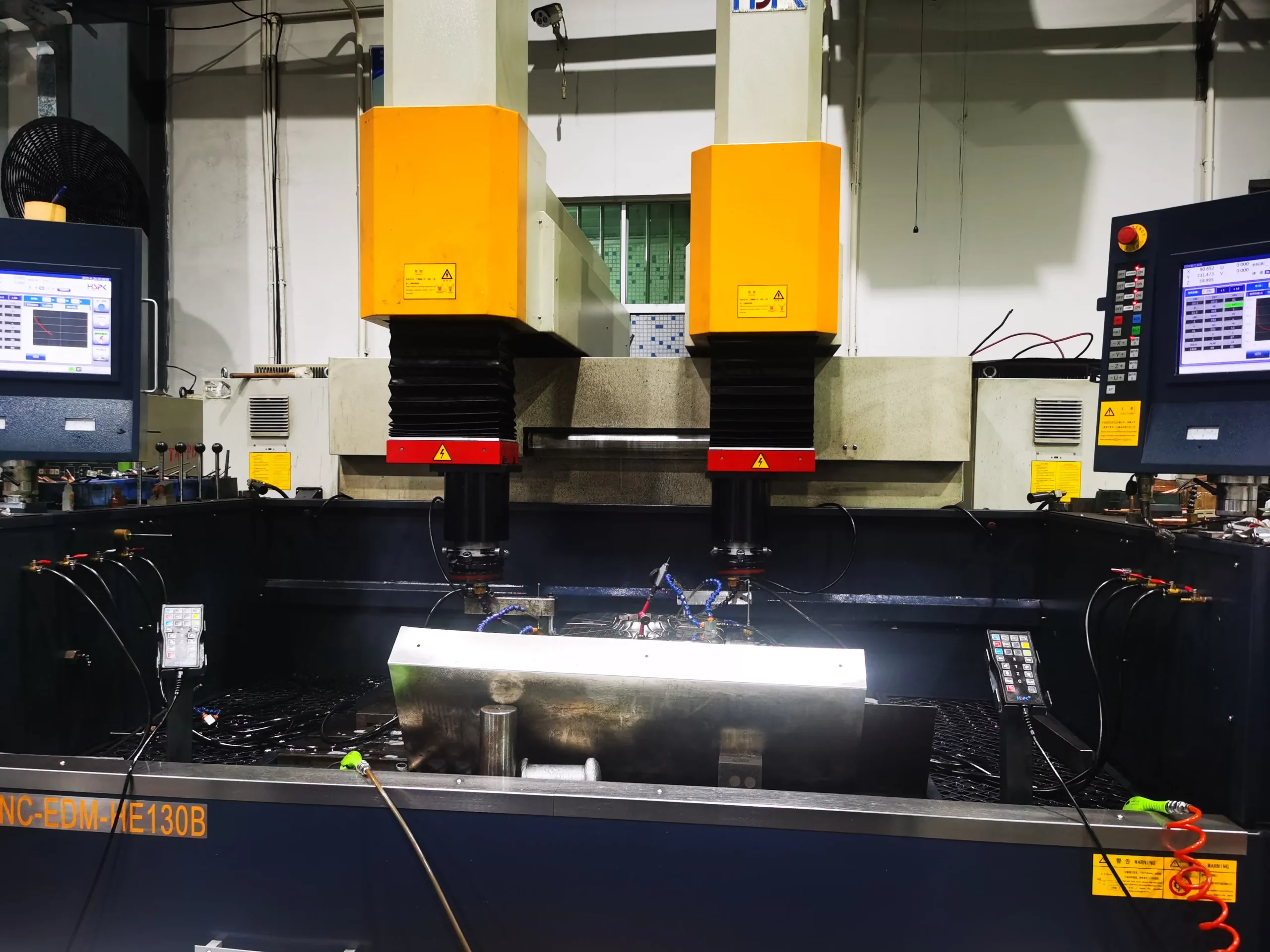
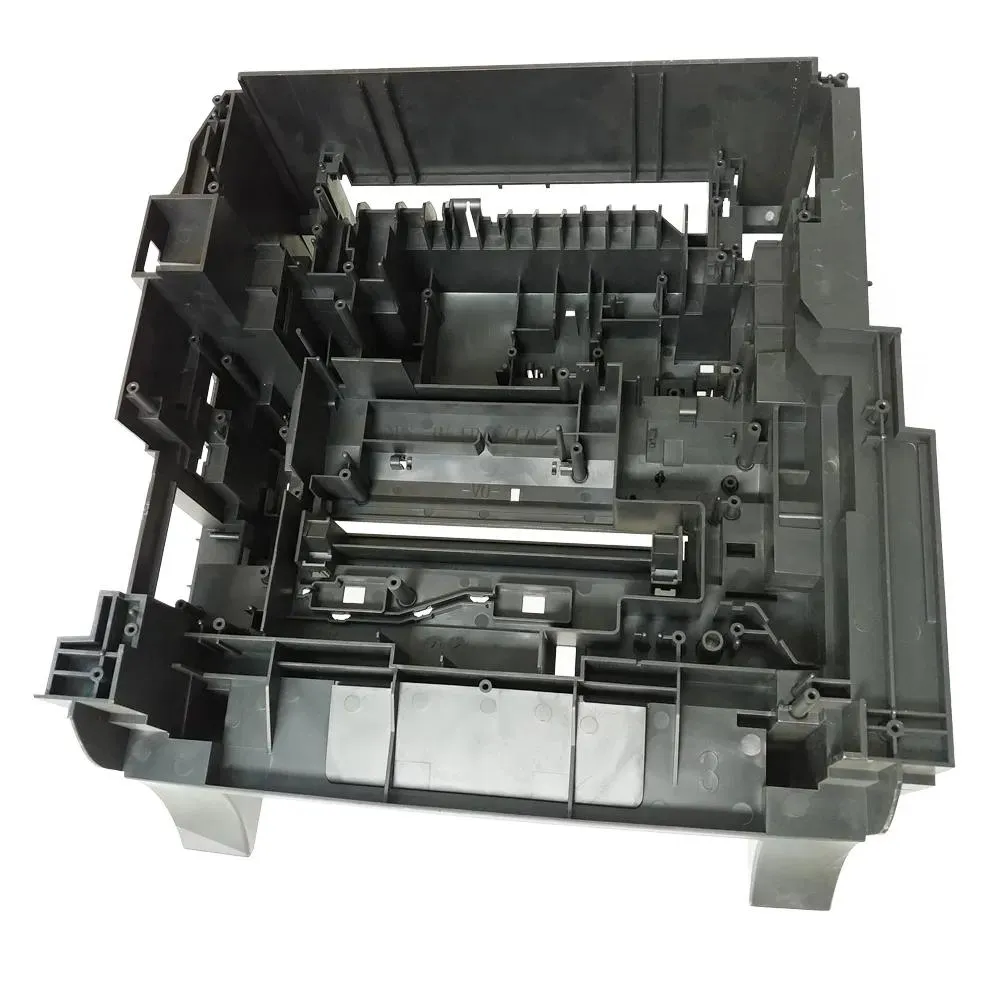
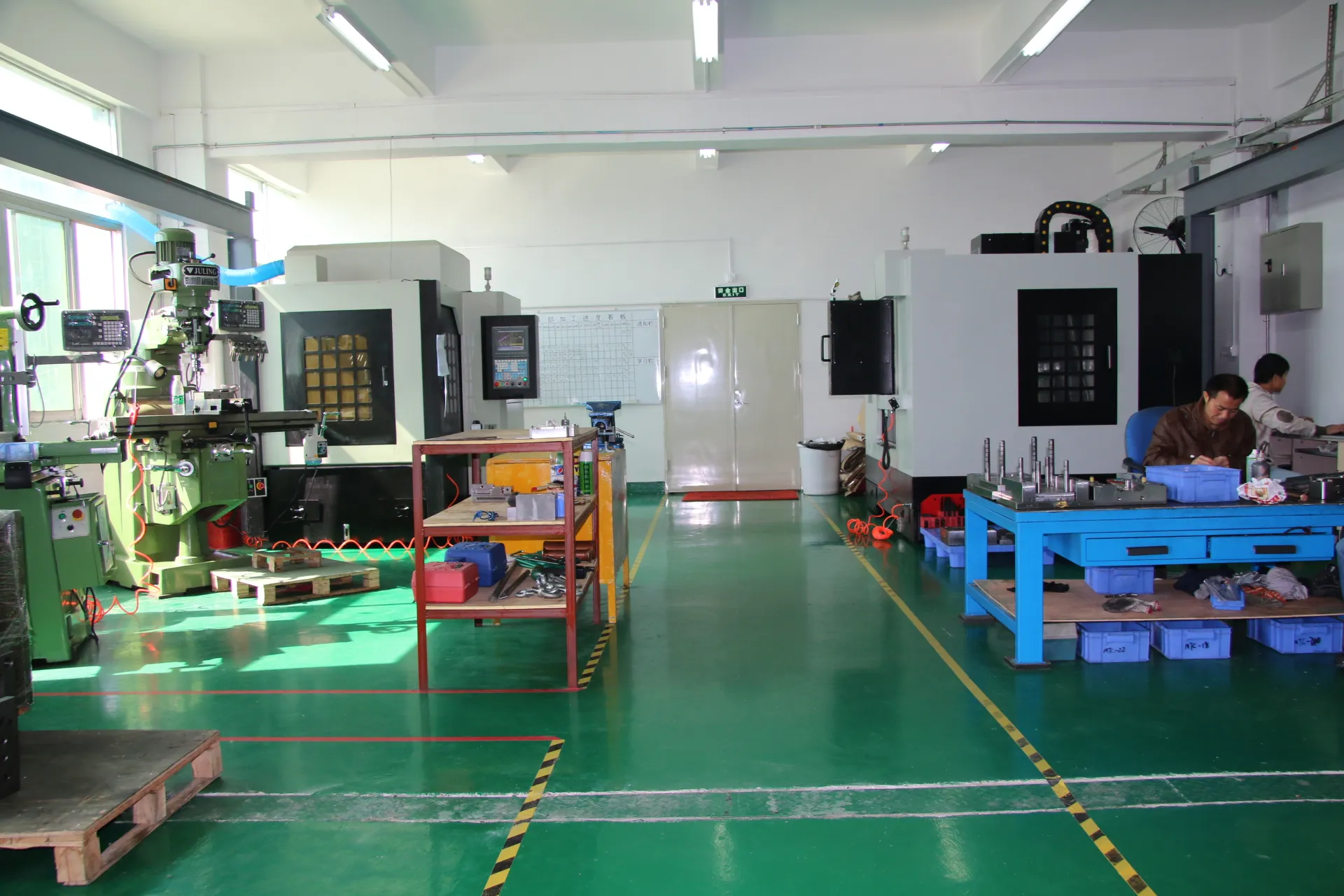
Tooling strategy depends on part size, resin, annual volume, surface requirements, cavitation, and expected program duration. Higher-volume automotive programs may justify hardened steels, hot runners, more sophisticated cooling, replaceable inserts, and detailed preventive-maintenance plans. Large trim components introduce additional concerns around filling balance, warpage, surface appearance, and handling. During mold manufacturing, machining and EDM accuracy must be followed by fitting, polishing or texturing, dimensional inspection, and mold trials on an appropriate machine.
5. T1 Samples Begin Process Development, Not the End of It
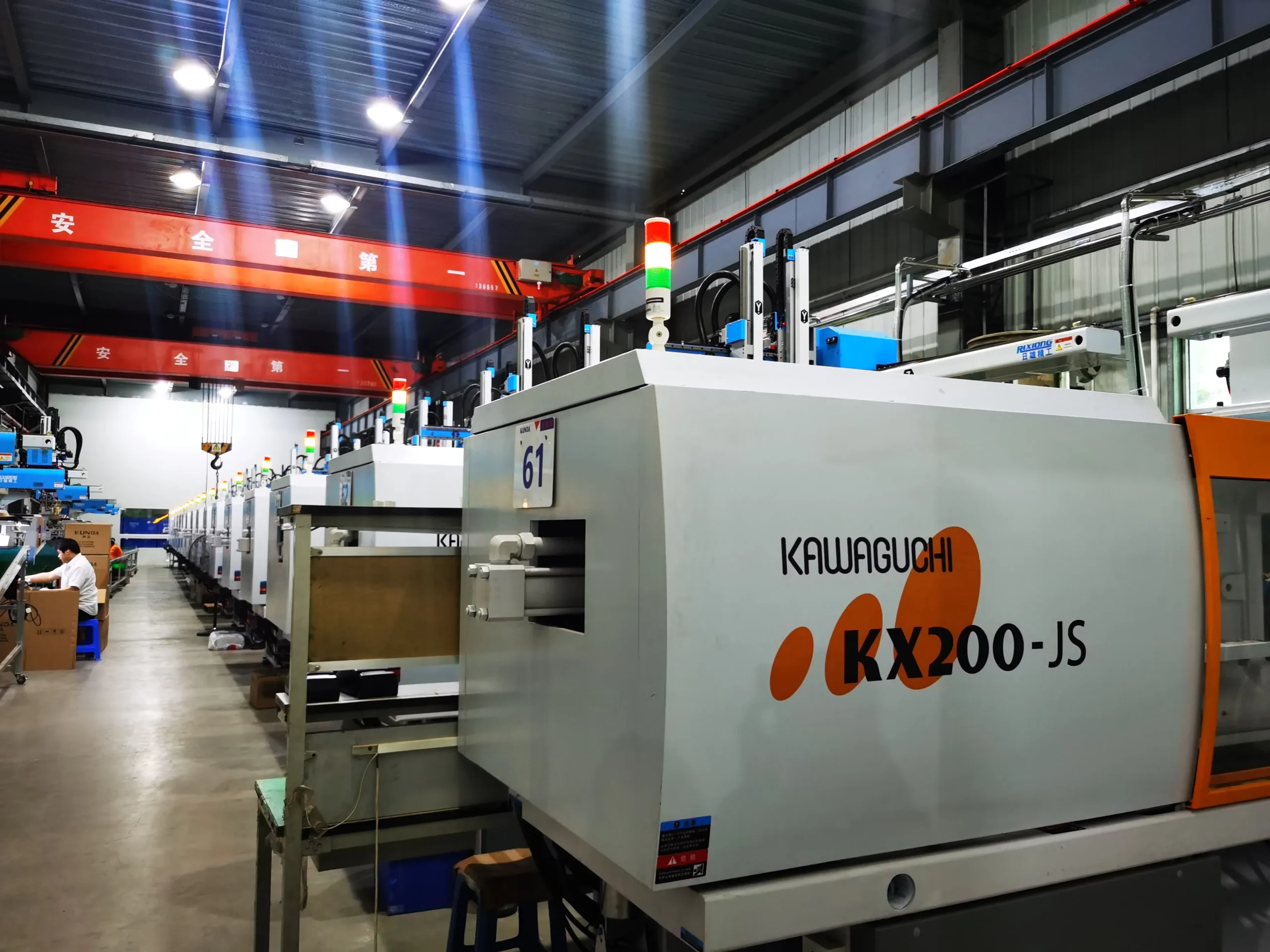
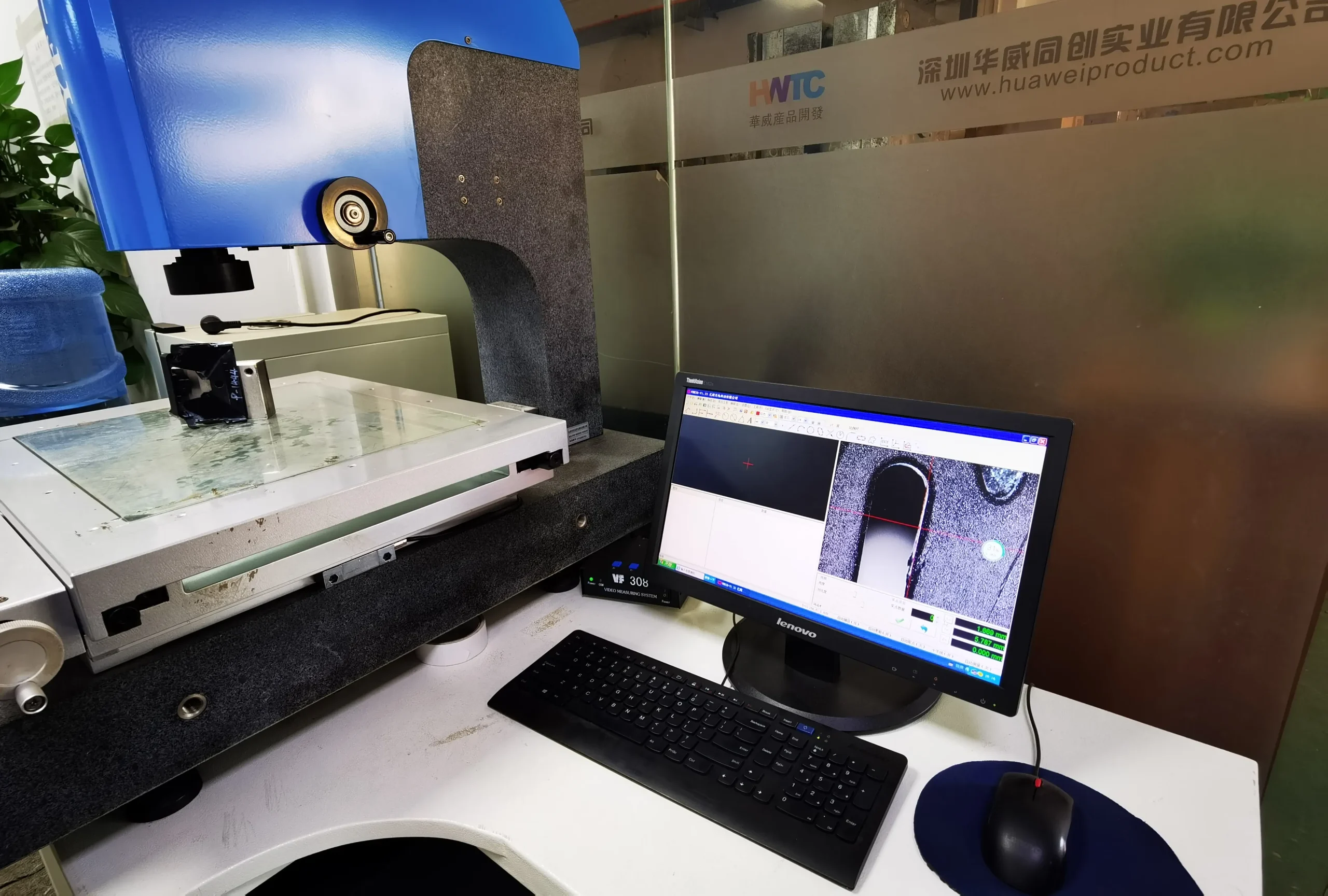
The first acceptable-looking samples are only the start of process validation. Engineers establish a stable molding window for melt temperature, mold temperature, fill speed, pressure, hold, cooling, and ejection. They then compare dimensions, appearance, weight, and functional performance across cavities and repeated cycles. If a dimension is out of target, the team should determine whether the root cause is steel condition, shrinkage assumption, process setting, measurement method, or part design. Controlled corrections are more effective than repeatedly “chasing dimensions” with undocumented machine adjustments.
6. Validate the Part in the Real Assembly and Environment
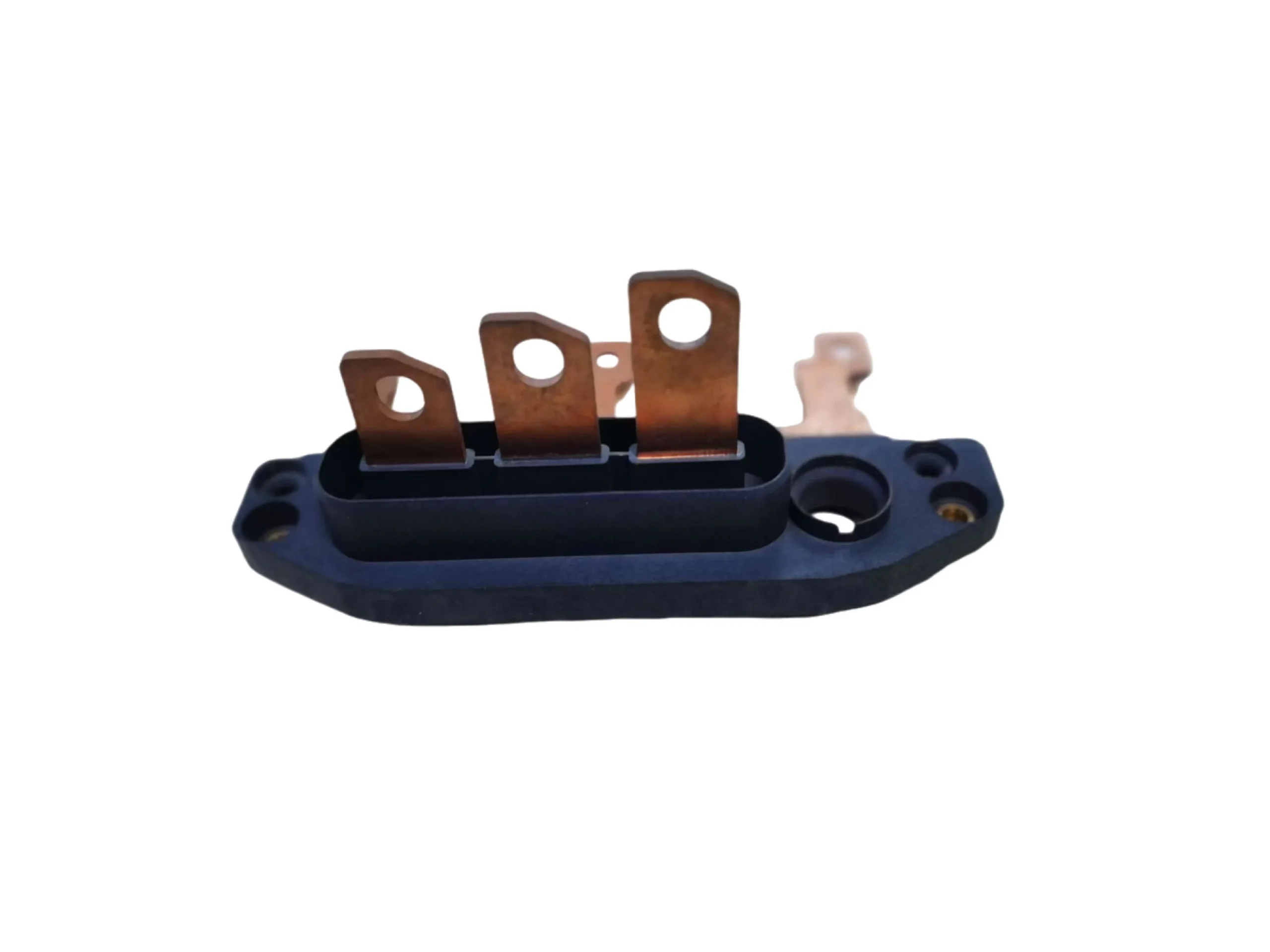
Automotive approval should consider how the component behaves after molding. Clips and bosses experience installation loads. Under-hood parts see heat and fluids. Exterior components face UV and weather. Interior trim must meet appearance and often odor or emissions requirements. Sensor and electrical housings may require sealing, dielectric performance, or stable connector position. Dimensional results therefore need to be combined with functional, environmental, material, and appearance testing appropriate to the program. Any design or process change during validation should be controlled so the tested configuration matches the intended production configuration.

7. Build Automotive Plastic Parts PPAP Evidence
PPAP packages vary by customer and submission level, but the underlying purpose is consistent: demonstrate that the production process can make conforming parts. Typical evidence can include design records, engineering-change status, process flow, PFMEA, control plan, measurement-system analysis, dimensional results, material or performance test records, initial process studies, appearance approval where applicable, sample parts, and supporting certifications. The documentation should describe the same tooling, material, machine conditions, gauges, and controls that will be used in production.
8. Production Release Requires Ongoing Control
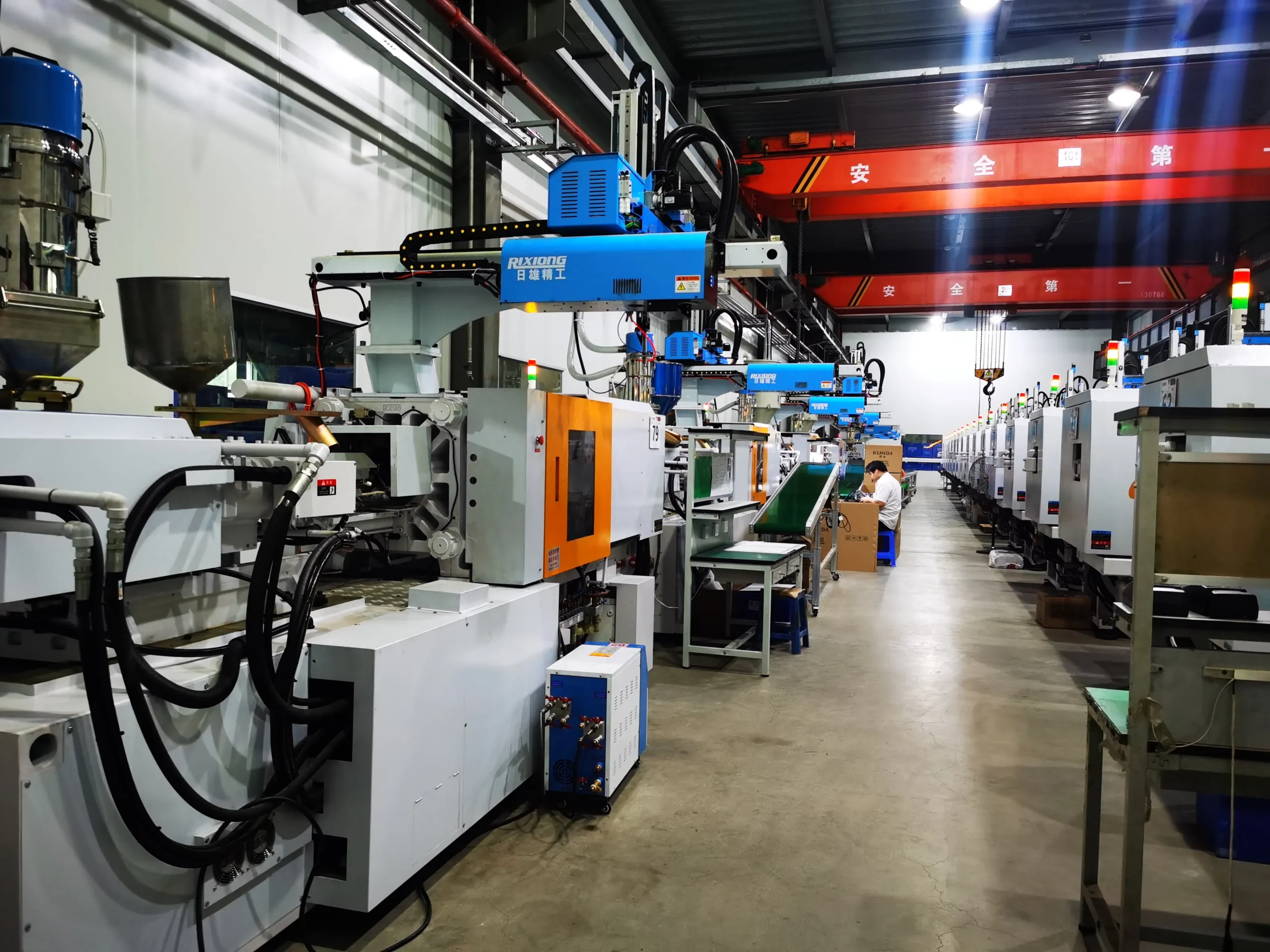
Approval does not eliminate variation. Stable mass production requires documented process settings, preventive mold maintenance, incoming-material control, in-process inspection, reaction plans, and traceability. SPC can be applied to critical dimensions or process characteristics when appropriate. Automated handling and vision inspection can reduce manual variation, but automation is most effective when the process itself is already understood. Changes to resin, tooling, supplier, cavity condition, or process should be evaluated according to customer and quality-system requirements rather than treated as routine adjustments.
Final Thoughts
The path from prototype to PPAP is a sequence of evidence. Prototypes show that the design concept can work. DFM shows that the geometry can be manufactured. Tool trials show that the mold can produce the part. Validation shows that the part performs under intended conditions. PPAP shows that the defined production process can repeatedly meet the approved requirements. When these stages are connected, automotive plastic development becomes more predictable, and teams can move into production with fewer late surprises, clearer traceability, and better control of quality over the life of the vehicle program.