






CASE STUDY 06 | AEROSPACE
A representative aerospace case for converting a machined bracket concept into a lightweight molded PEEK component.
Industry: Aerospace
Project Snapshot
| Project Parameter | Case Value |
|---|---|
| Application | Sensor / electronics mounting bracket |
| Representative resin family | PEEK |
| Manufacturing challenge | High-temperature injection molding |
| Primary CTQs | Mounting plane, sensor datums, hole position, connector interface |
| Quality approach | Conditioned dimensional inspection + traceability |
| Publication control | Representative until verified |
Project Overview
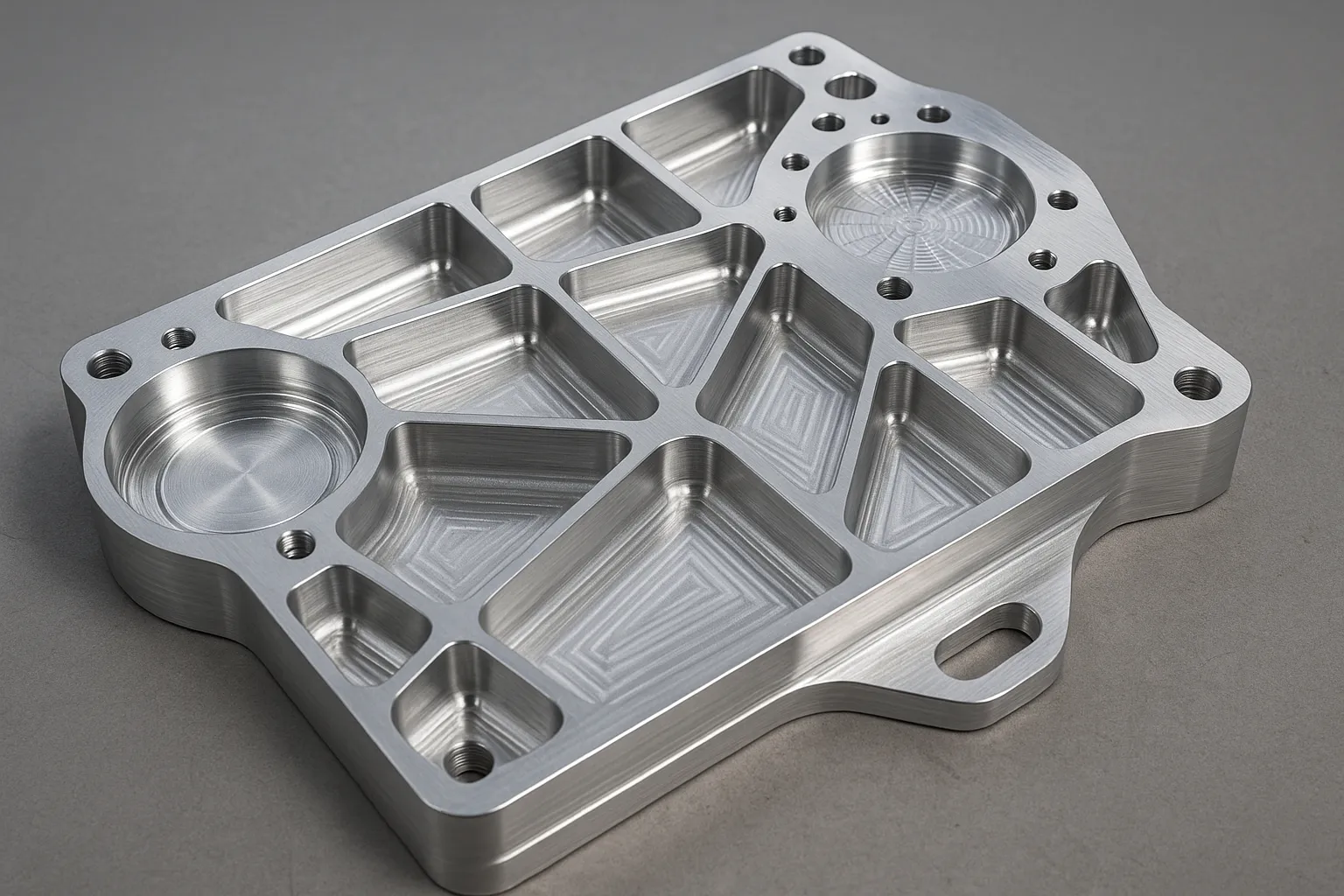
An aerospace electronics program evaluated replacing a machined metal sensor bracket with an injection-molded high-performance polymer design. The engineering goal was to reduce weight and consolidate features such as ribs, cable guides, and mounting details while preserving the datums that controlled sensor orientation. PEEK was considered because the component operated in a demanding thermal environment and required dimensional stability beyond that of conventional enclosure plastics.
This representative case fits HWPD’s aerospace manufacturing capability, which includes high-performance polymers, prototype and low-volume production, first-article inspection, and material traceability. The critical point is that a PEEK bracket is not a direct metal-to-plastic copy. Geometry, material behavior, tooling, and validation must be redesigned as one system.
Designing the Bracket Around Functional Datums
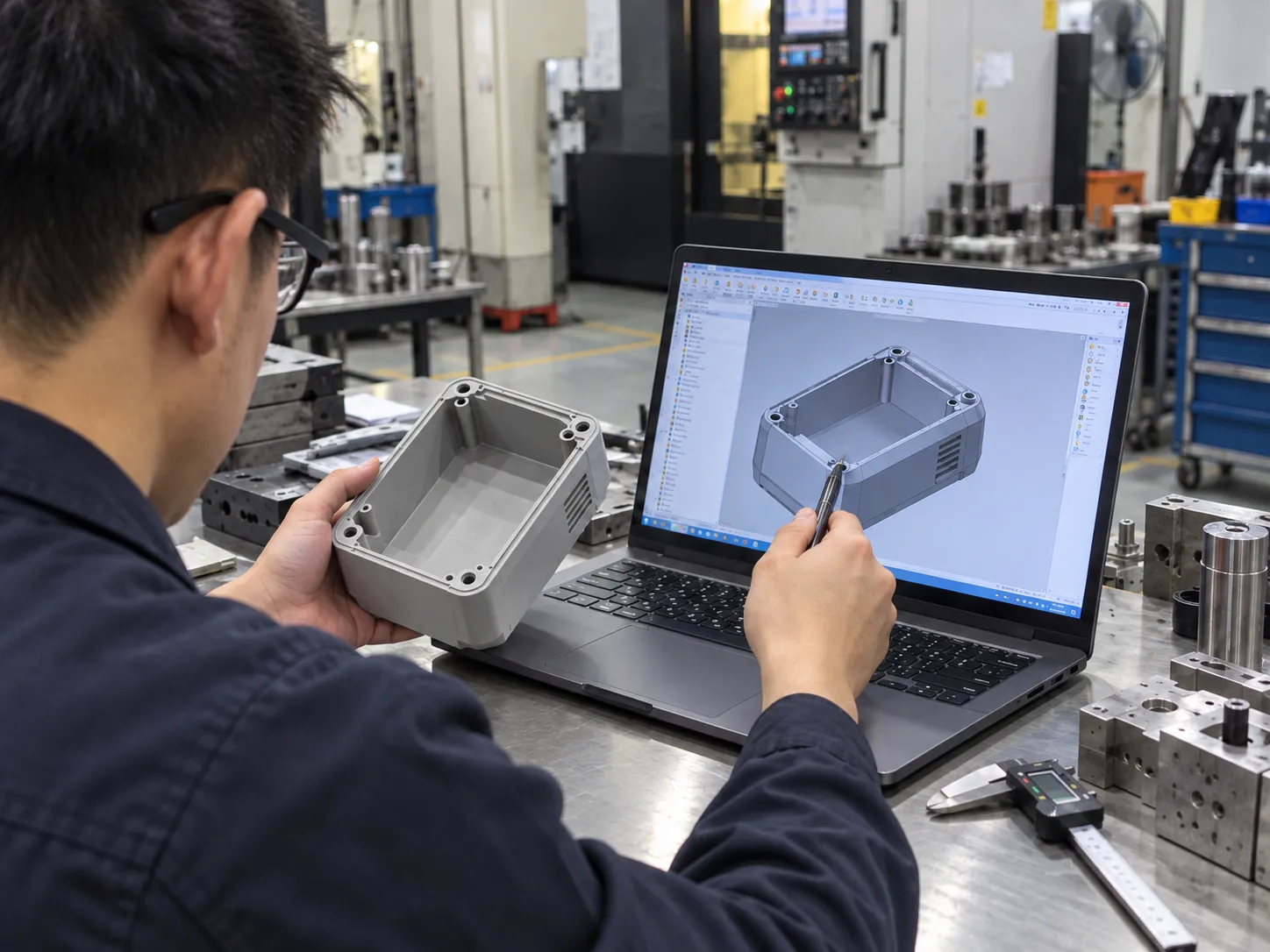
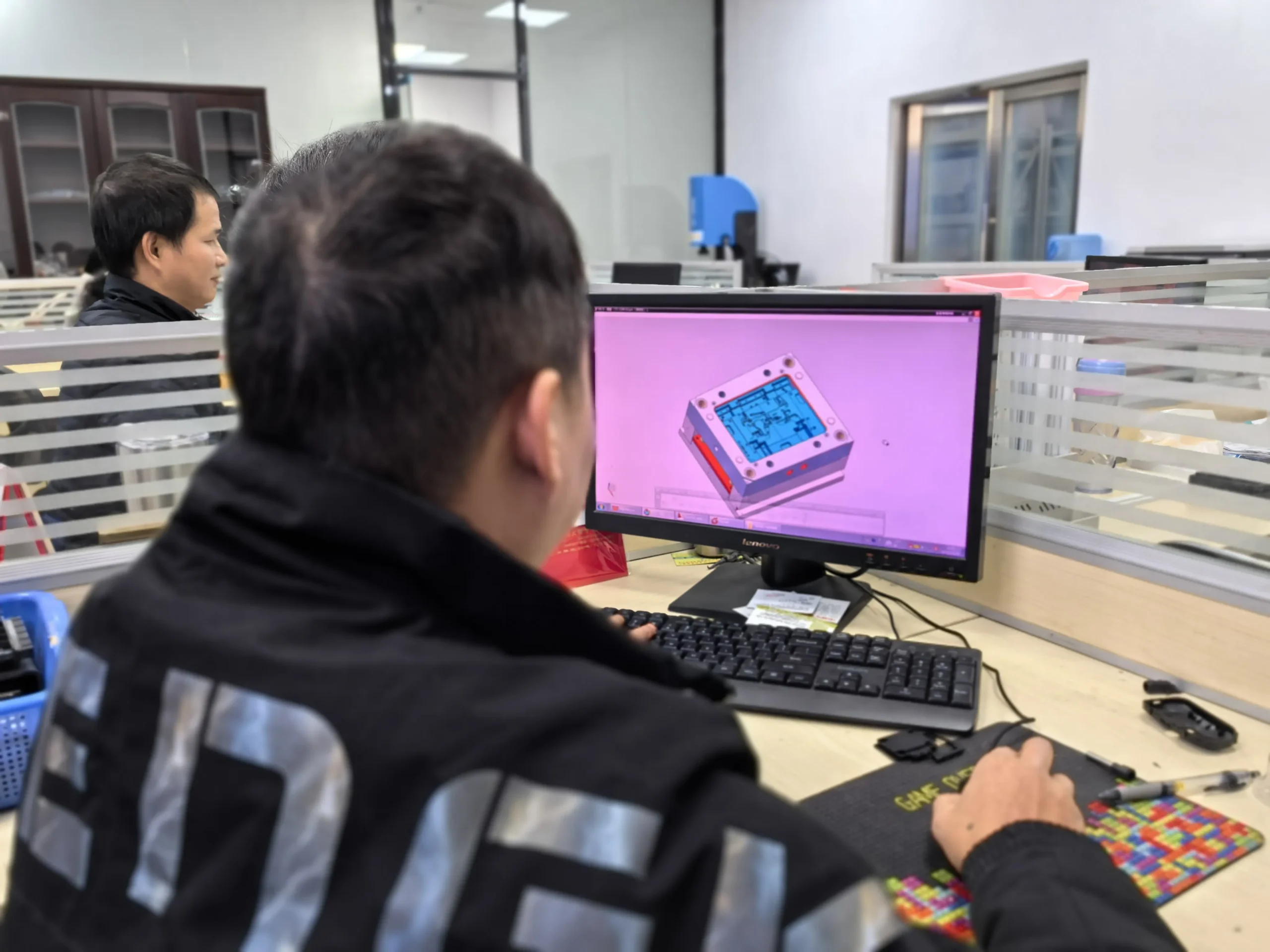
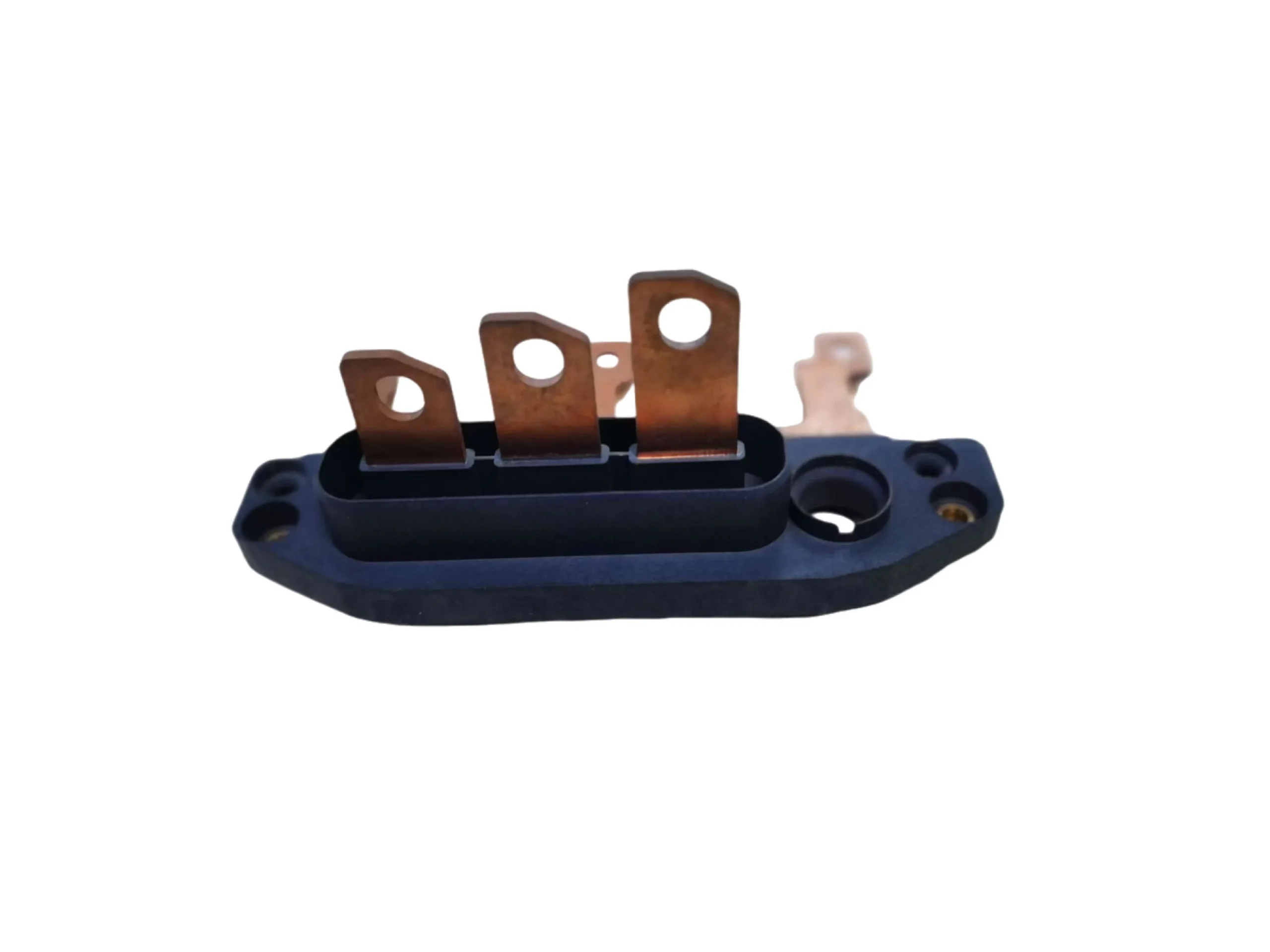
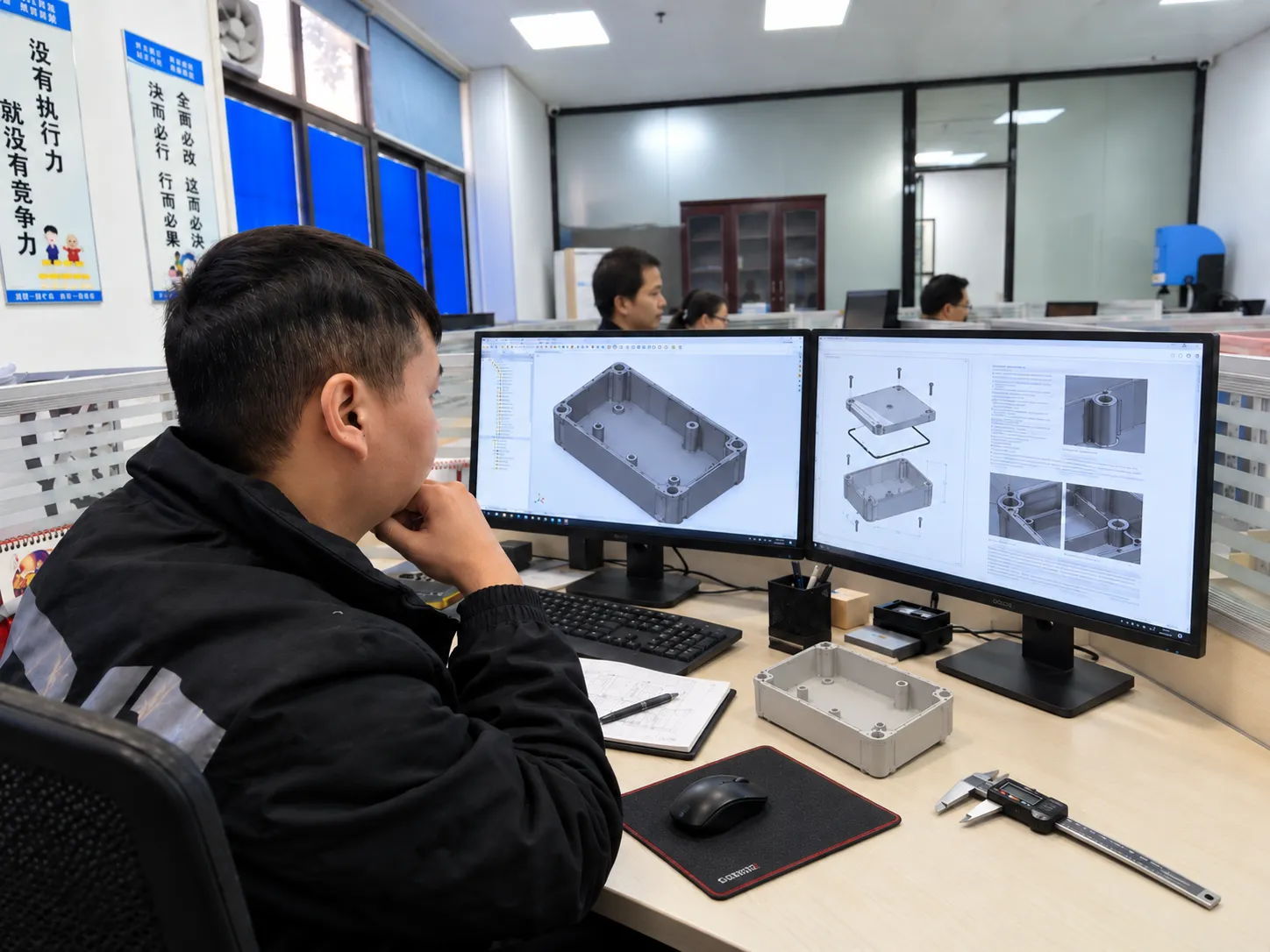
The first engineering task is to identify the dimensions that actually control the sensor. The mounting plane, locating holes, connector interface, and any orientation datums should drive the DFM discussion. Secondary ribs, cable features, and cosmetic edges can then be optimized around those CTQs rather than receiving unnecessary tight tolerances everywhere.
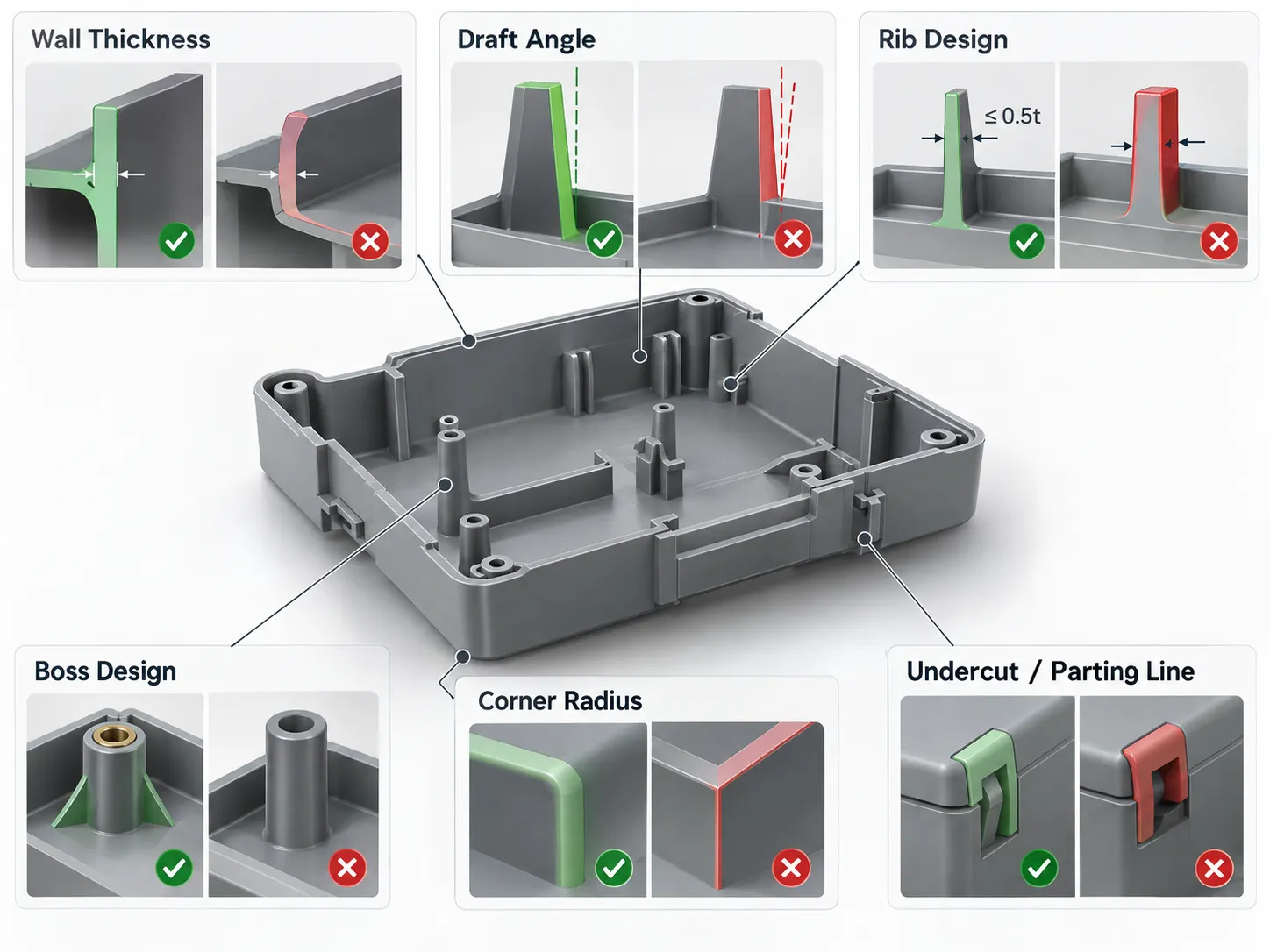
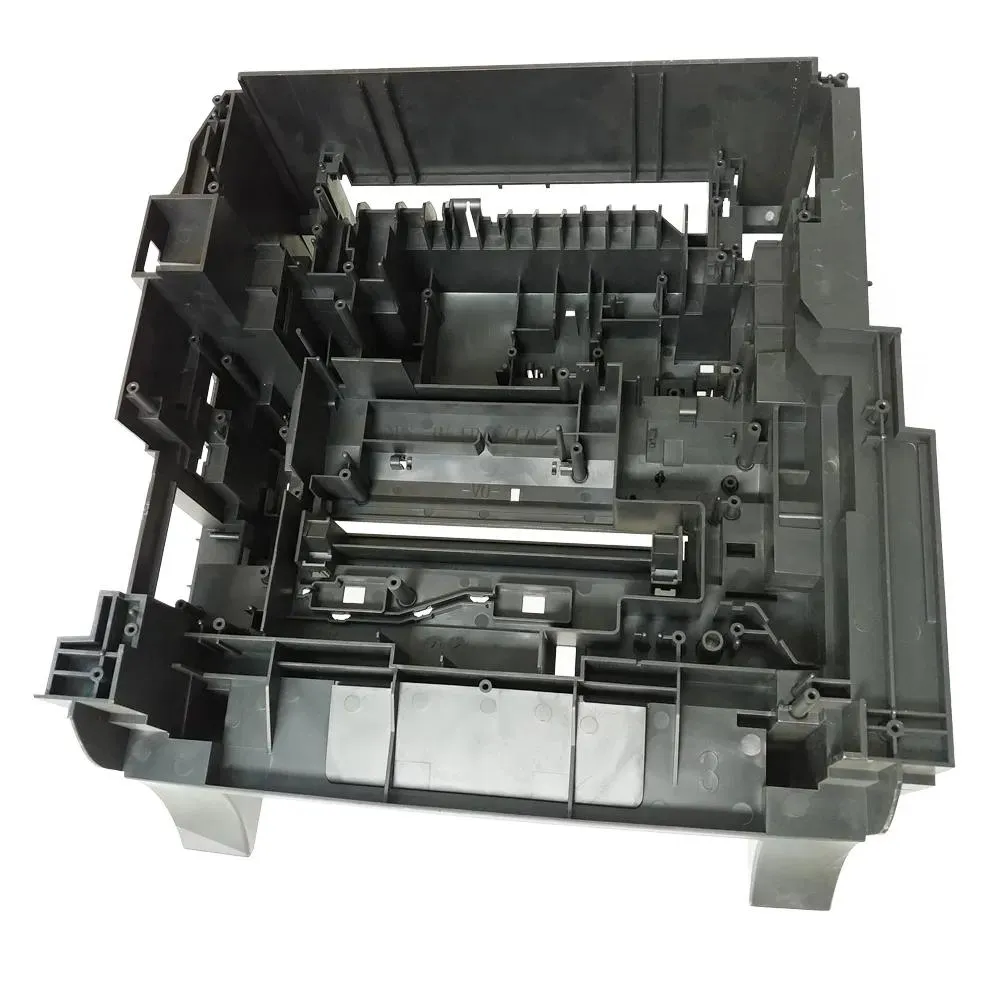
A high-performance resin still obeys injection-molding fundamentals. Thick-to-thin transitions, rib intersections, sharp corners, poor draft, and unbalanced flow can create stress or distortion even when the resin itself has excellent published properties. DFM analysis should also consider whether fiber-reinforced grades are being evaluated, because flow orientation can influence shrinkage and stiffness direction.
High-Temperature Tooling Strategy
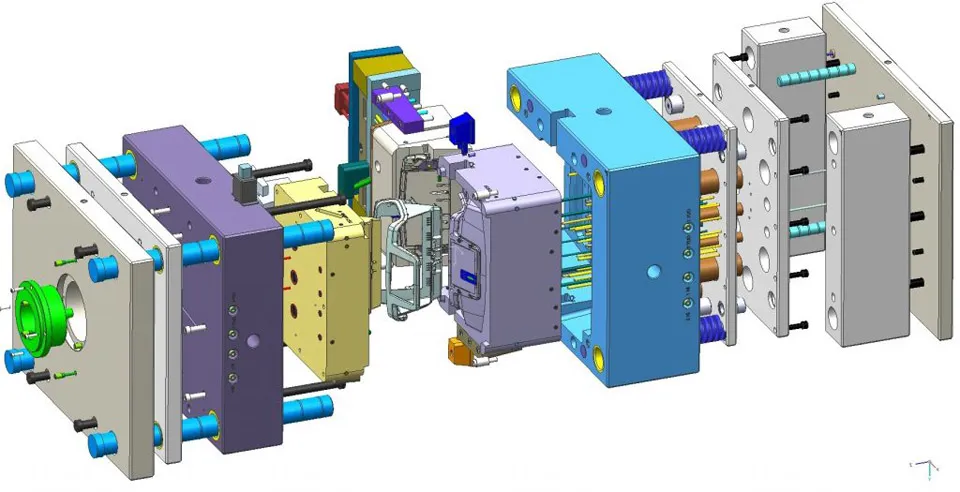
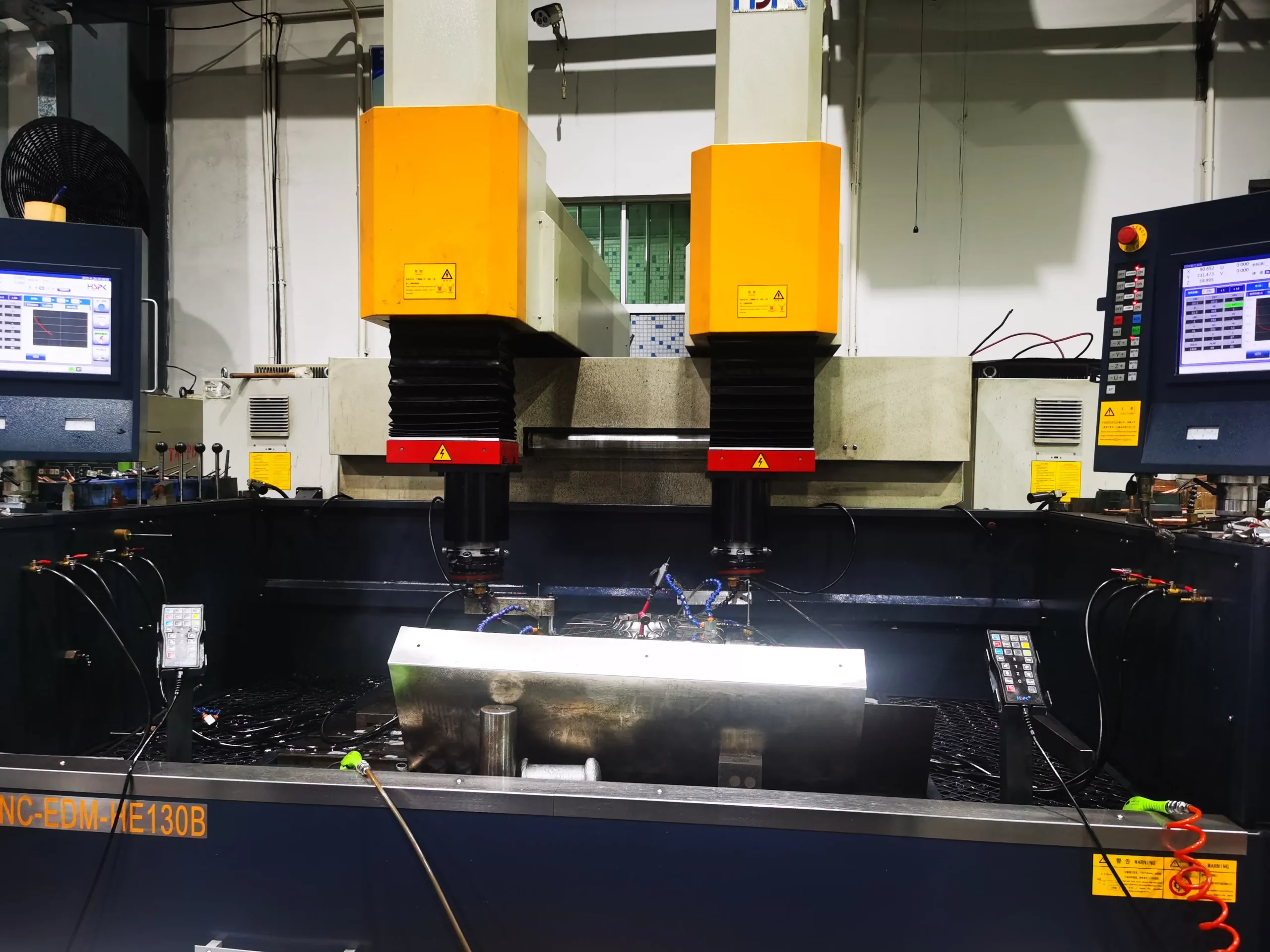
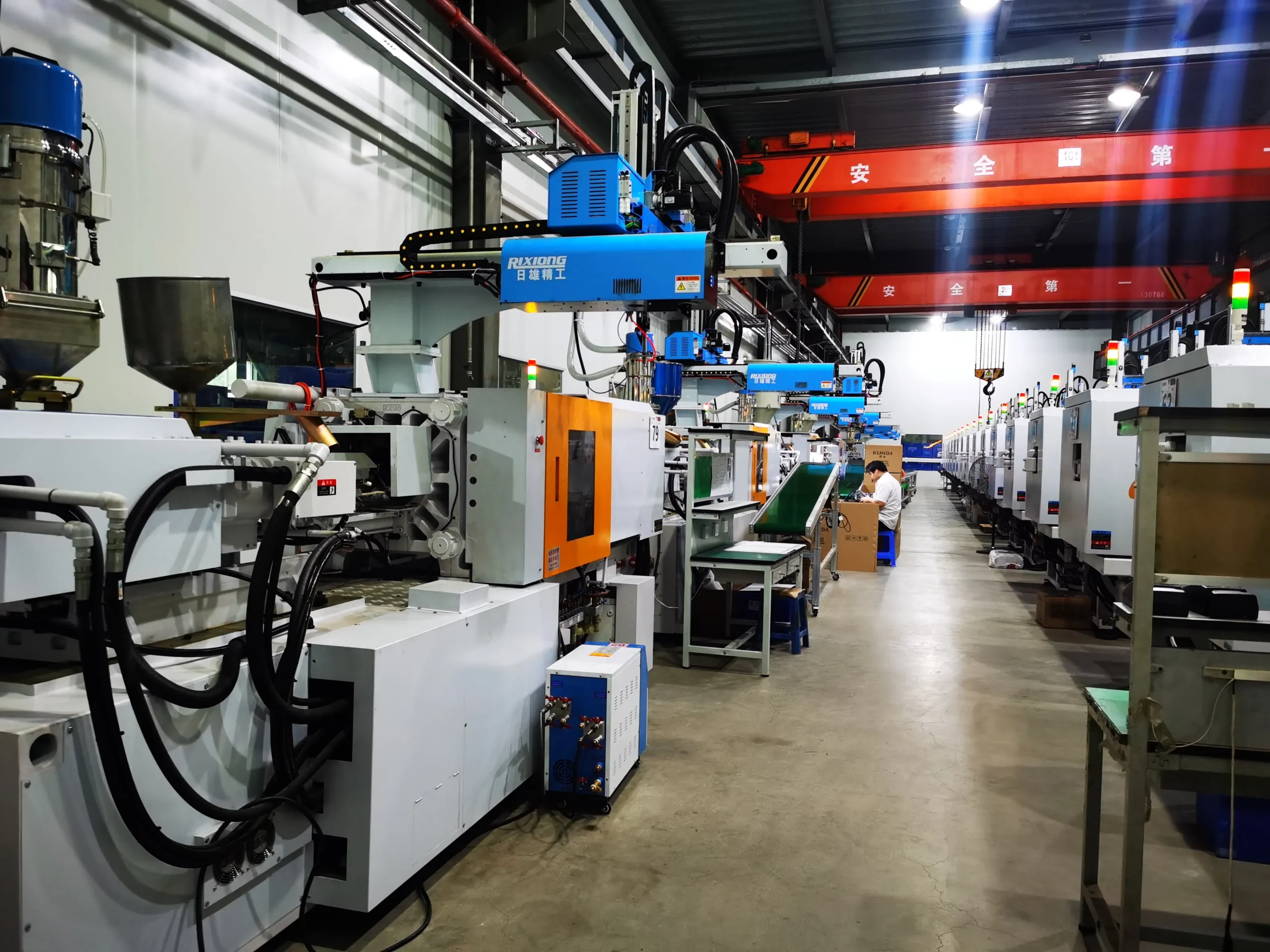
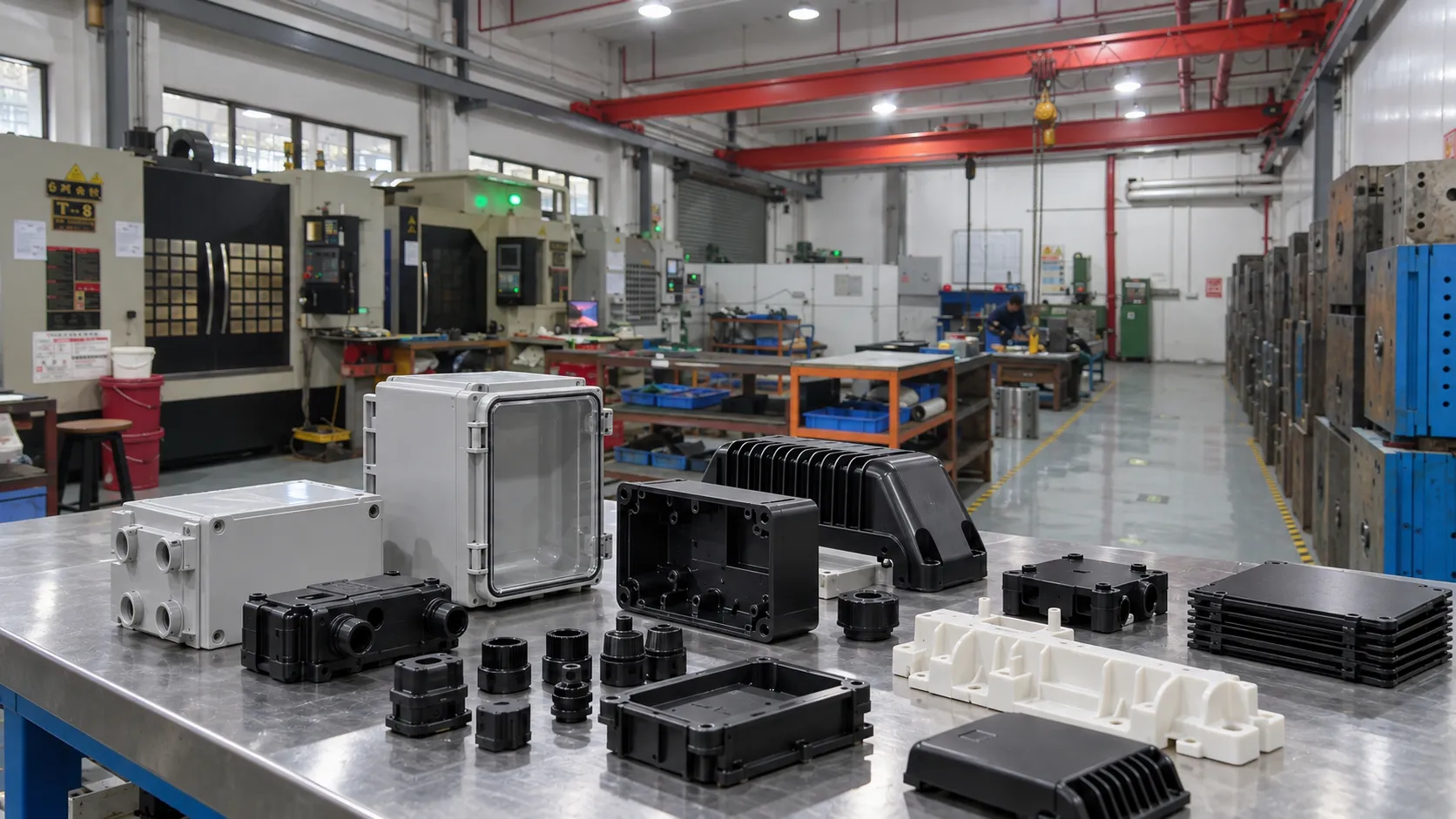
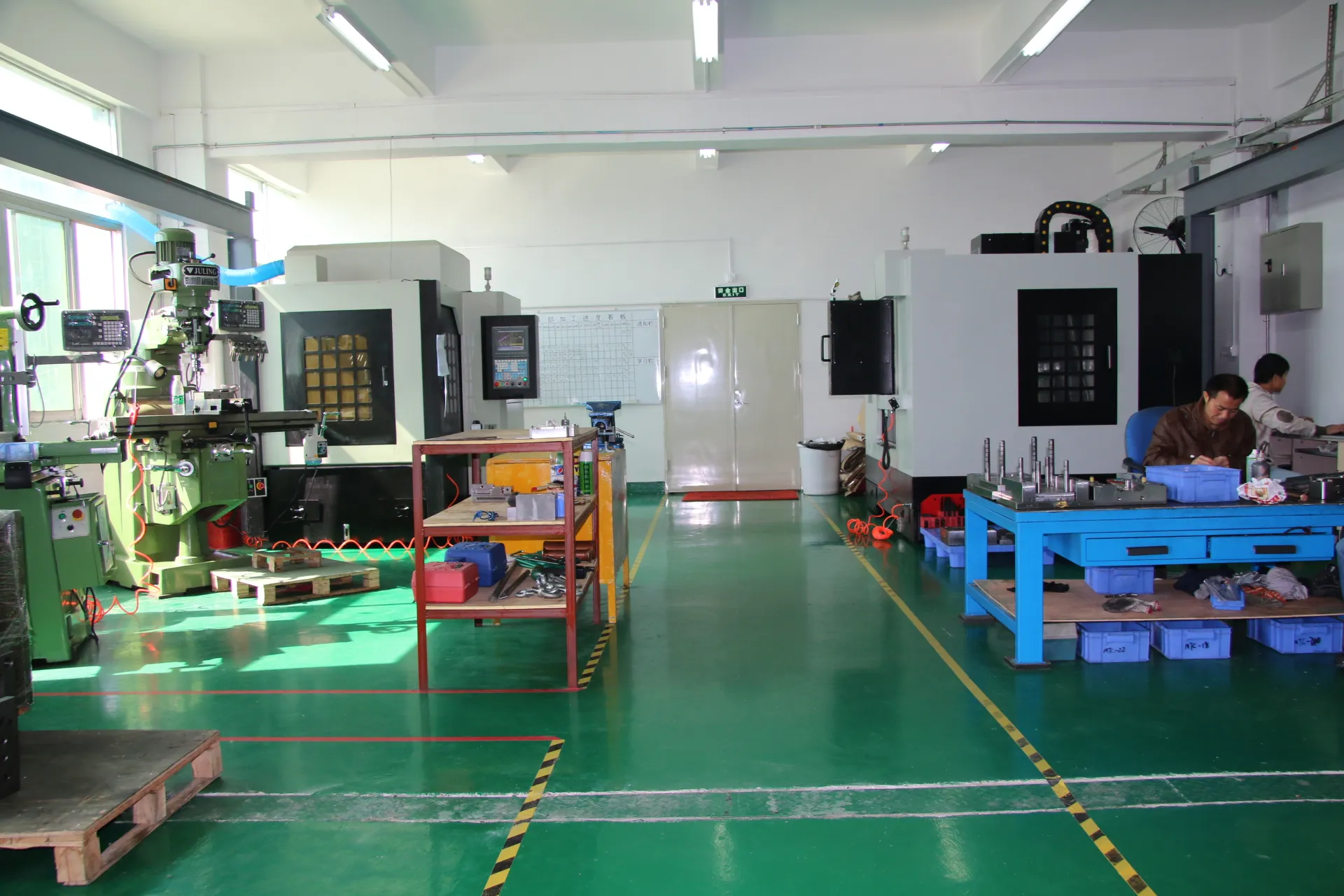
PEEK molding requires a high-temperature process window and tooling designed to sustain it. Heater layout, insulation, mold steel, seals, venting, gate condition, and ejection strategy all have to remain reliable at elevated thermal conditions. The mold should also protect the sensor datums from damage during ejection and maintenance.
That is why mold design and mold manufacturing need to be planned around the selected resin grade rather than using a conventional tool architecture and simply increasing temperature. Polished flow surfaces and suitable venting can reduce material degradation and trapped gas, while balanced thermal control can improve consistency across the bracket’s mounting flange and ribbed structure.
Material Preparation and Process Records
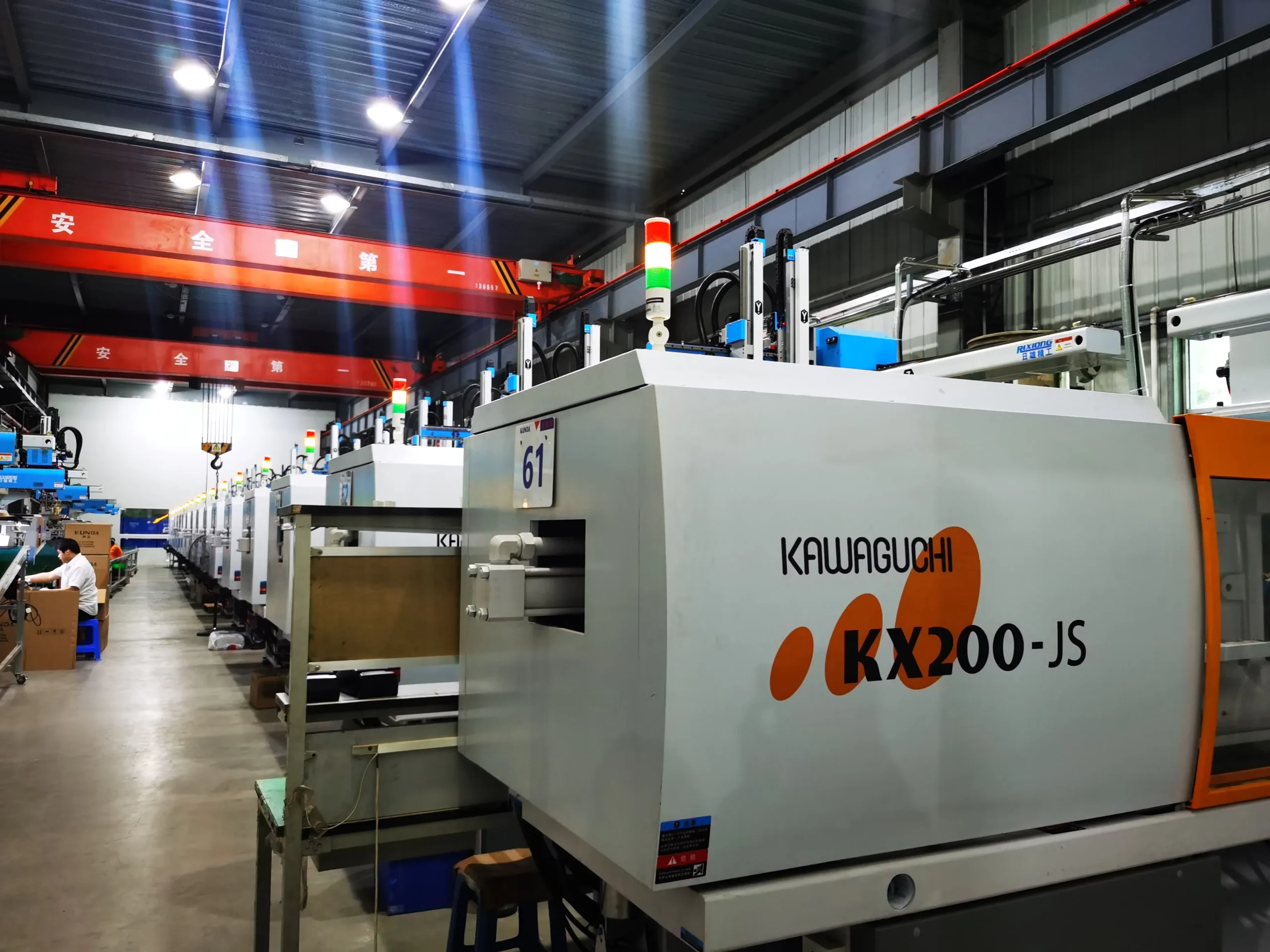
High-performance polymers are sensitive to material preparation and residence history. The exact drying and processing requirements come from the selected resin supplier, and production records should document the conditions actually used. During sampling, useful records include dryer status, melt history, mold temperature, part weight, visible condition, and the key machine parameters associated with each inspection lot.
The purpose of the record is not administrative. It helps engineers separate a tool-geometry problem from a material or process problem when dimensions move. Injection molding becomes more repeatable when those variables are treated as controlled production inputs rather than being adjusted informally between runs.
Datum-Based Validation and Aerospace Traceability
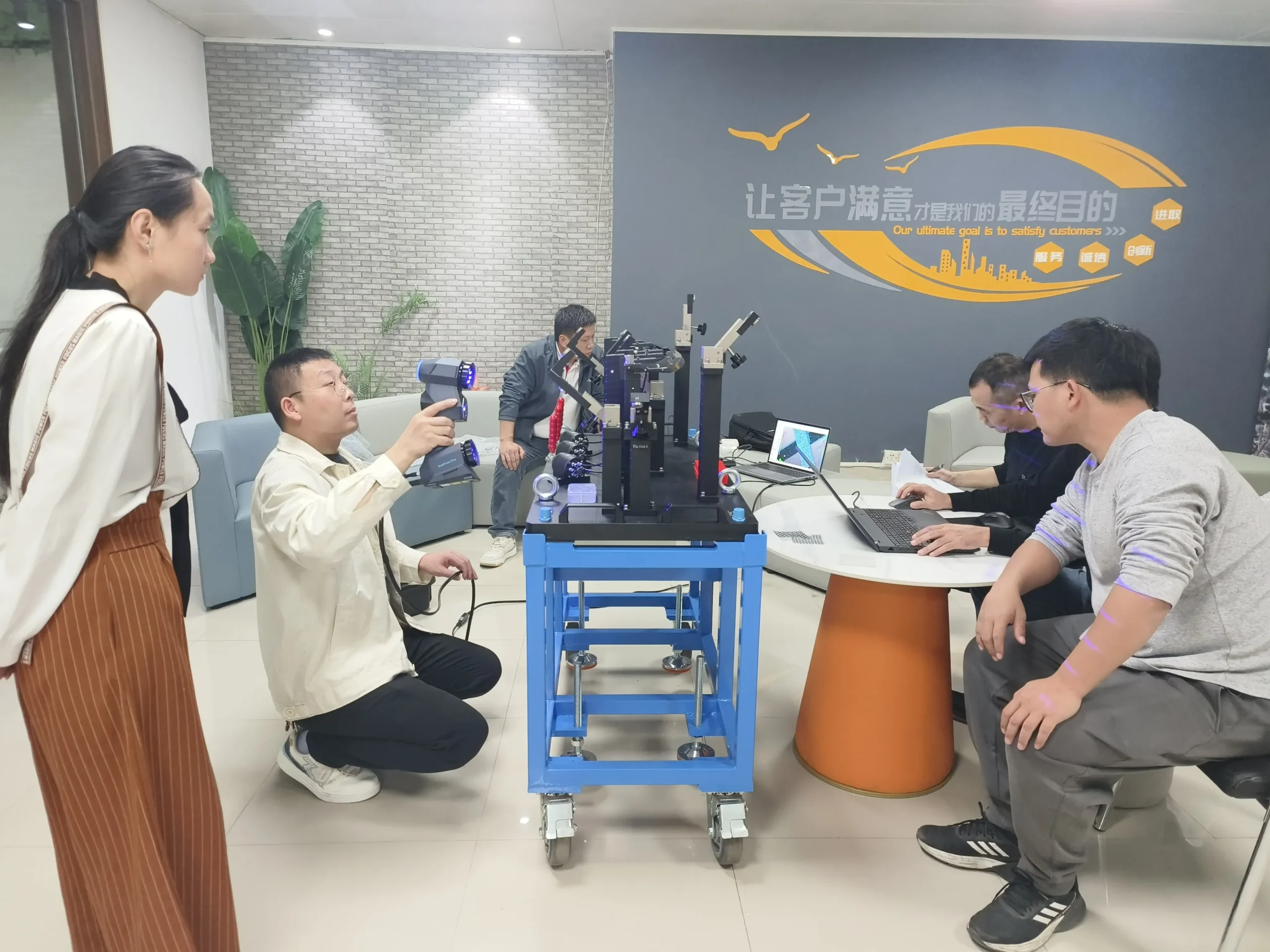
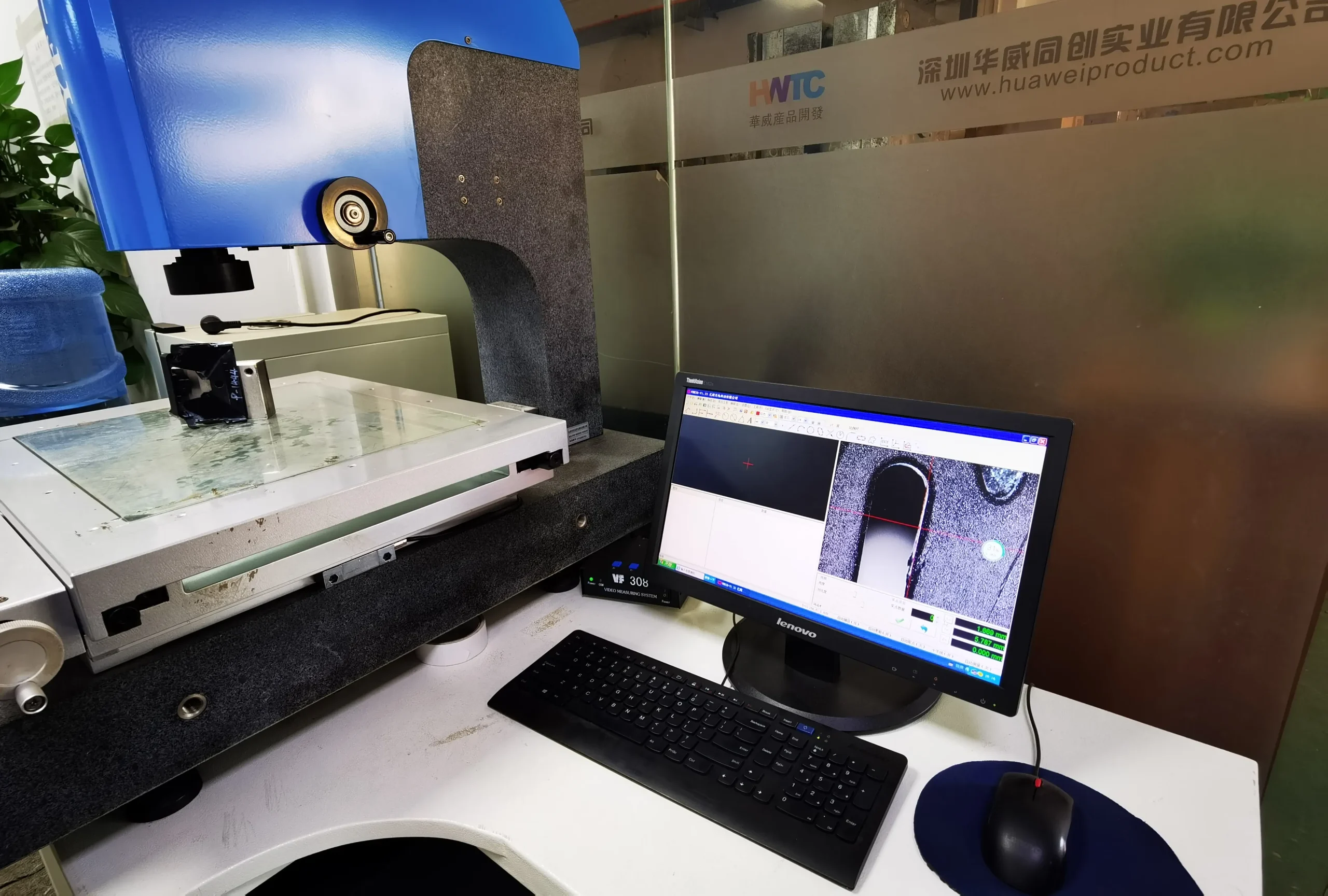
A bracket should be measured after the defined conditioning state, not only seconds after ejection. Inspection should focus on mounting-plane flatness, hole position, sensor datums, connector geometry, and any interfaces that affect the installed assembly. Depending on the program, customer validation may also include thermal cycling, fastener torque, vibration exposure, electrical checks, and final system assembly.
HWPD’s aerospace page highlights first-article inspection support, material and batch traceability, and precision manufacturing. Those controls are particularly relevant here because the value of a lightweight molded bracket depends on being able to connect the delivered part back to the approved material, process, and inspection evidence. Any published performance figure should therefore come from verified dimensional and test records.
Practical Takeaways for Similar Programs
For a similar aerospace conversion, the design team should document why polymer molding is being considered in the first place. Weight reduction, feature consolidation, corrosion resistance, electrical isolation, lower part count, or reduced machining can all justify the change, but each benefit has to be balanced against temperature, creep, load path, tolerance, flammability, and long-term environmental exposure. That requirements matrix should be reviewed before a PEEK grade or tooling architecture is frozen.
The first-article plan should be created at the same time. Define which datums will be measured, the conditioning state, measurement equipment, material-lot records, sample size, assembly checks, and any thermal or vibration tests required by the customer. If the part uses a reinforced grade, inspection should also consider direction-dependent shrinkage and stiffness. Building these controls into the program from the start gives the molded bracket an auditable engineering story: why the material was selected, how the tool was designed, how the process was controlled, and which evidence supported release. It also makes future mold maintenance, resin-lot changes, or process adjustments easier to review without losing the original qualification logic or traceability baseline.
Conclusion
High-temperature PEEK molding is not conventional molding at a higher setpoint. A credible aerospace bracket requires coordinated material selection, resin preparation, hot-tool design, flow and shrinkage planning, functional datum control, conditioned dimensional inspection, and traceable production records. This representative case provides a structure for presenting that engineering story without overstating unverified results. Once HWPD’s actual project reports are substituted for representative values, the article can show how a metal bracket concept becomes a lighter molded component through disciplined aerospace product development.