







CASE STUDY 04 | INDUSTRIAL EQUIPMENT
How material selection and high-temperature tooling strategy addressed chemical exposure and a five-year service-life target.
Industry: Industrial Equipment
Project Snapshot
| Project Parameter | Case Value |
|---|---|
| Operating requirement | Continuous exposure at 220°C |
| Chemical environment | Contact with process chemicals |
| Selected material in page body | PPS-GF40 |
| Service target | 5+ years |
| Reported validation outcome | Accelerated aging exceeded the field service requirement |
Project Overview
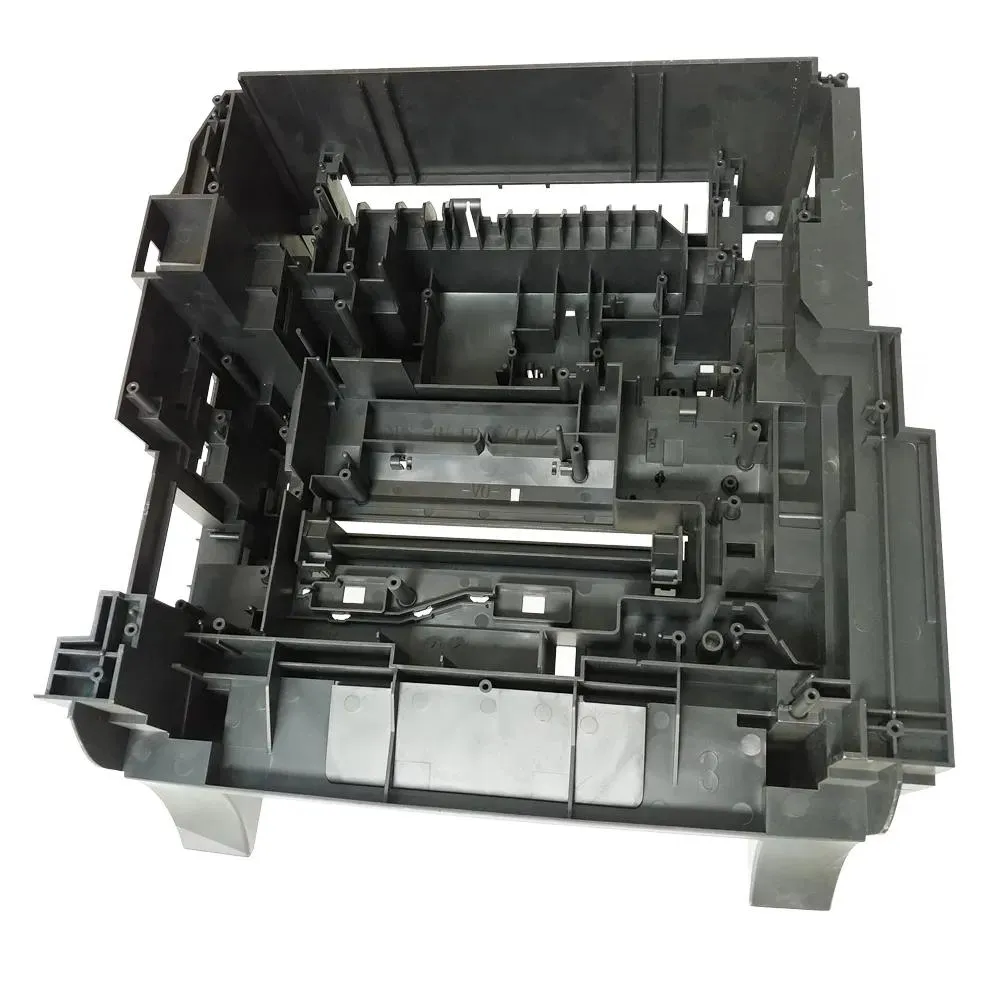
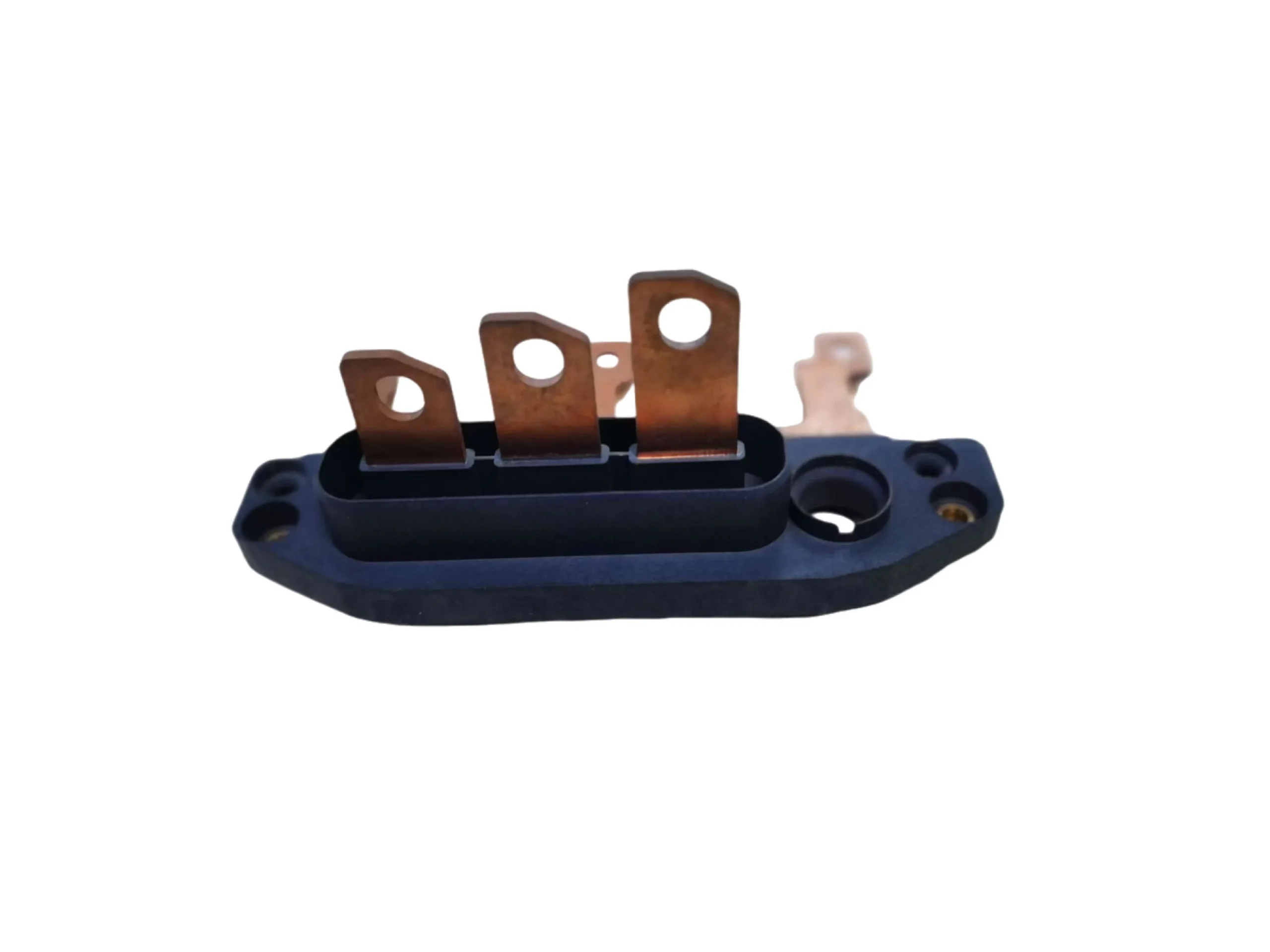
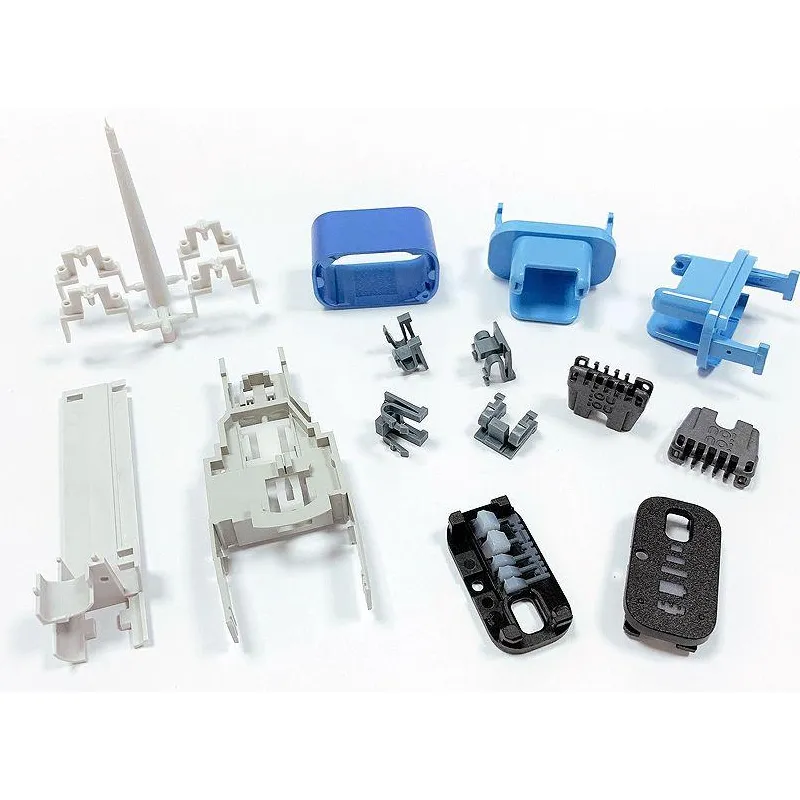
An industrial automation manufacturer needed a molded control-panel component that would operate continuously at 220°C while contacting process chemicals. HWPD's Product Development Cases page states that PPS-GF40 was selected and that the tooling was designed for elevated mold-temperature capability. The published summary further reports that accelerated aging testing exceeded the five-year field service target.
This type of project is a good example of why material selection should begin with the duty environment rather than with a familiar resin name. Temperature, chemical exposure, dimensional stability, electrical behavior, load, moisture, flame requirements, and production quantity all influence the decision. HWPD's end-to-end product development and DFM analysis processes can connect those requirements to part geometry and tooling before mold steel is cut.
Correcting the Material Story
There is one important publishing detail on the current case page: the headline refers to PEEK, but the descriptive paragraph says the selected material was PPS-GF40. Because those are different high-performance polymers with different processing and property profiles, the case should not present them as interchangeable. This expanded article follows the body statement and treats PPS-GF40 as the reported project material.
That distinction matters technically and for SEO credibility. A high-temperature application may justify PEEK, PPS, PEI, PPA, or another engineering resin depending on the actual environment. The final grade must be selected against the customer's specification and qualified data rather than by assuming the highest-temperature material is automatically best.
DFM for High-Temperature Engineering Plastics
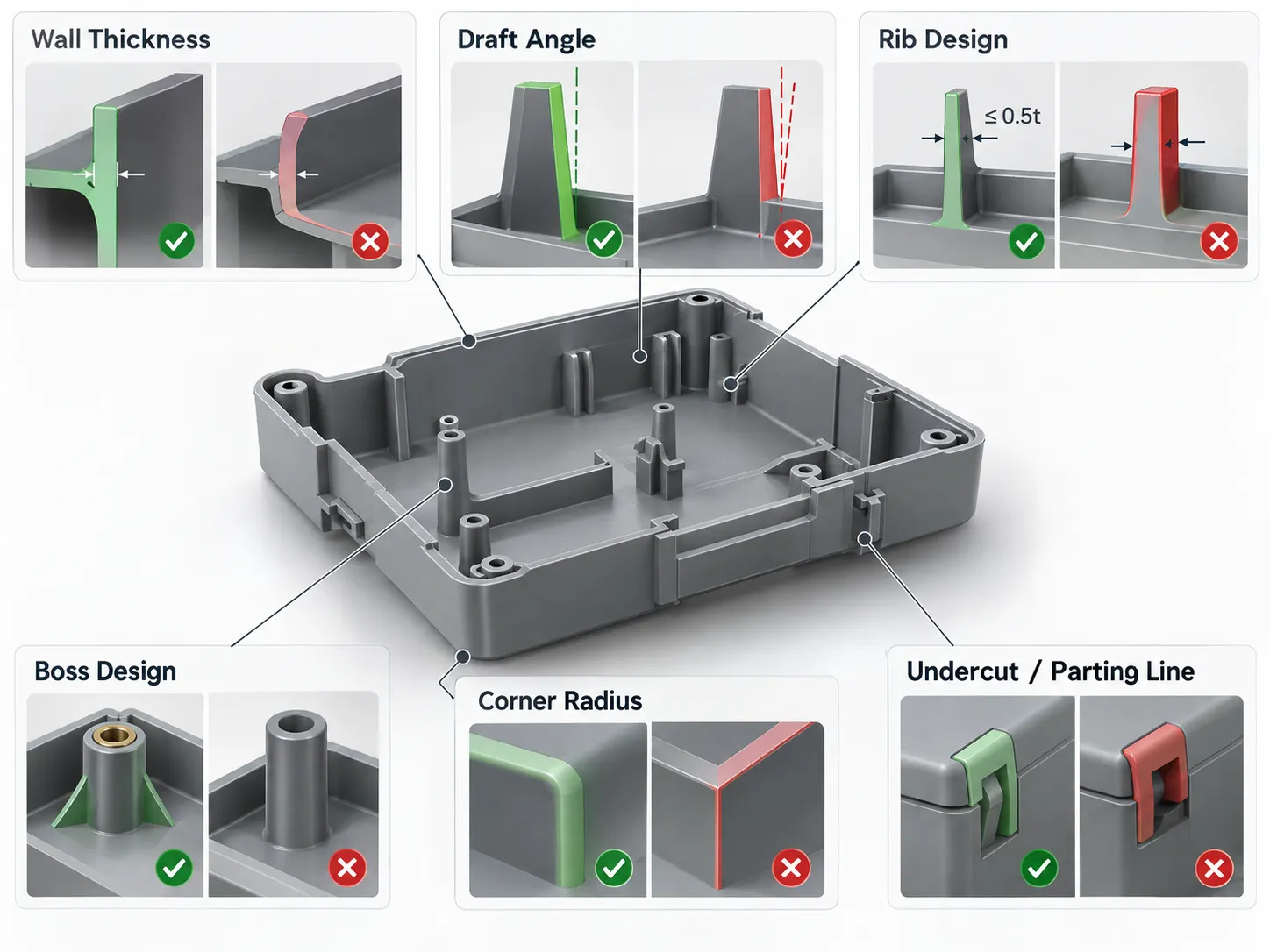
Glass-filled PPS can provide strong dimensional stability and temperature performance, but fiber orientation, wall transitions, gate direction, weld lines, and local stress still need to be considered. A geometry that works in an unfilled commodity resin may behave differently after a reinforced high-temperature material is introduced.
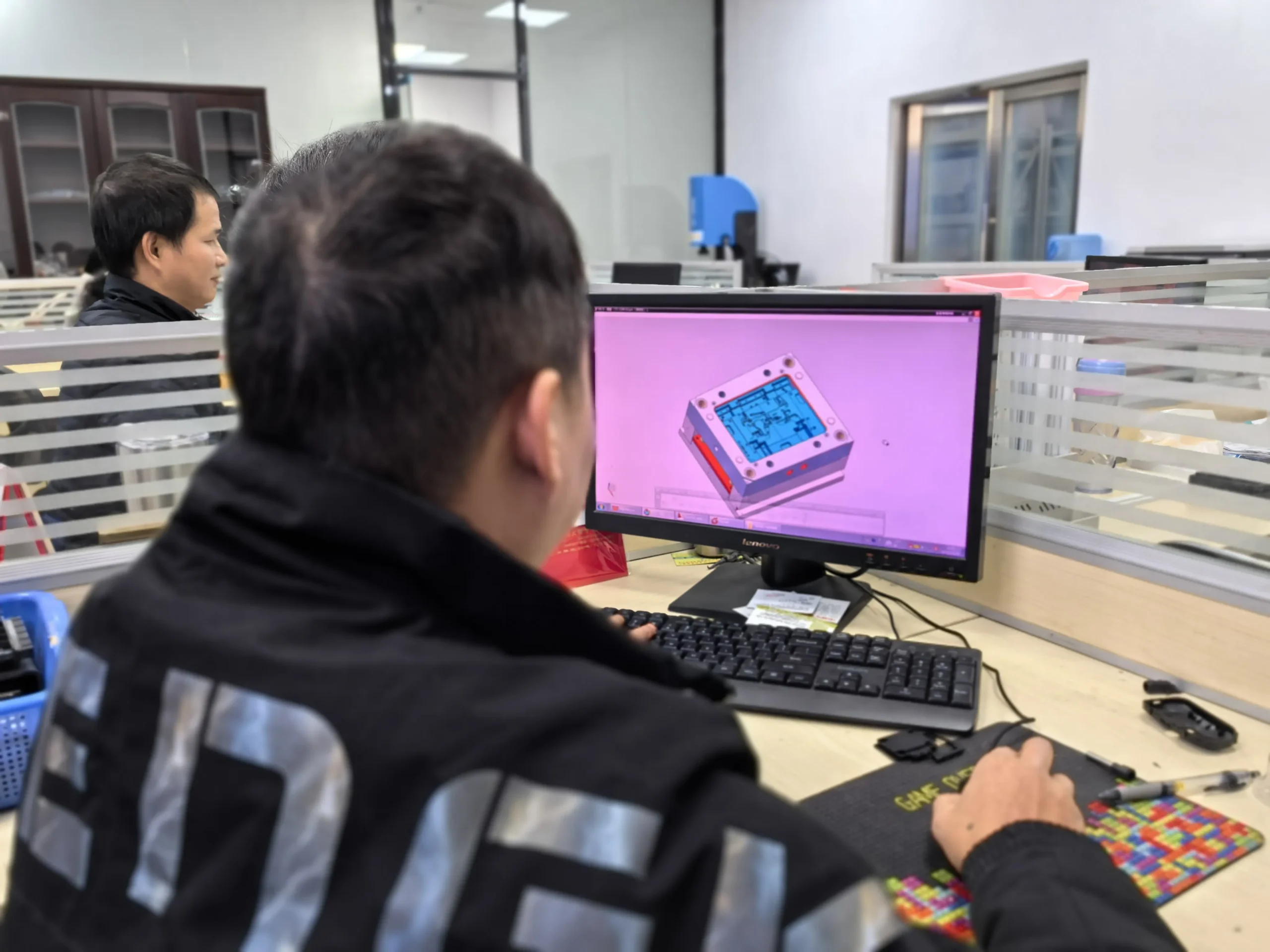
The DFM review should identify sealing or mounting datums, long flow paths, thick sections, sharp transitions, ribs, bosses, metal interfaces, and any surfaces exposed to the process chemical. Draft and ejection also matter because hot, stiff engineering parts should be released from the tool without overloading thin walls or precision interfaces. Mold design therefore needs to reflect the resin and the function simultaneously.
High-Temperature Tooling and Process Control
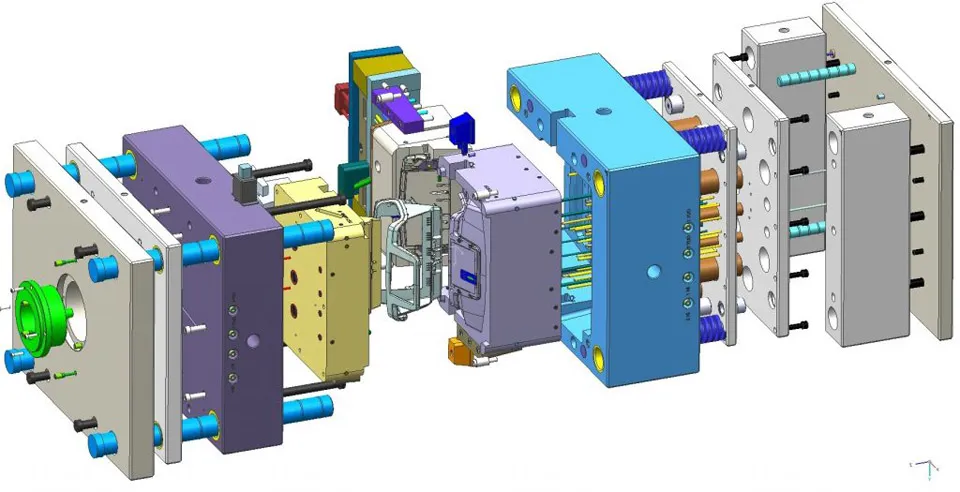
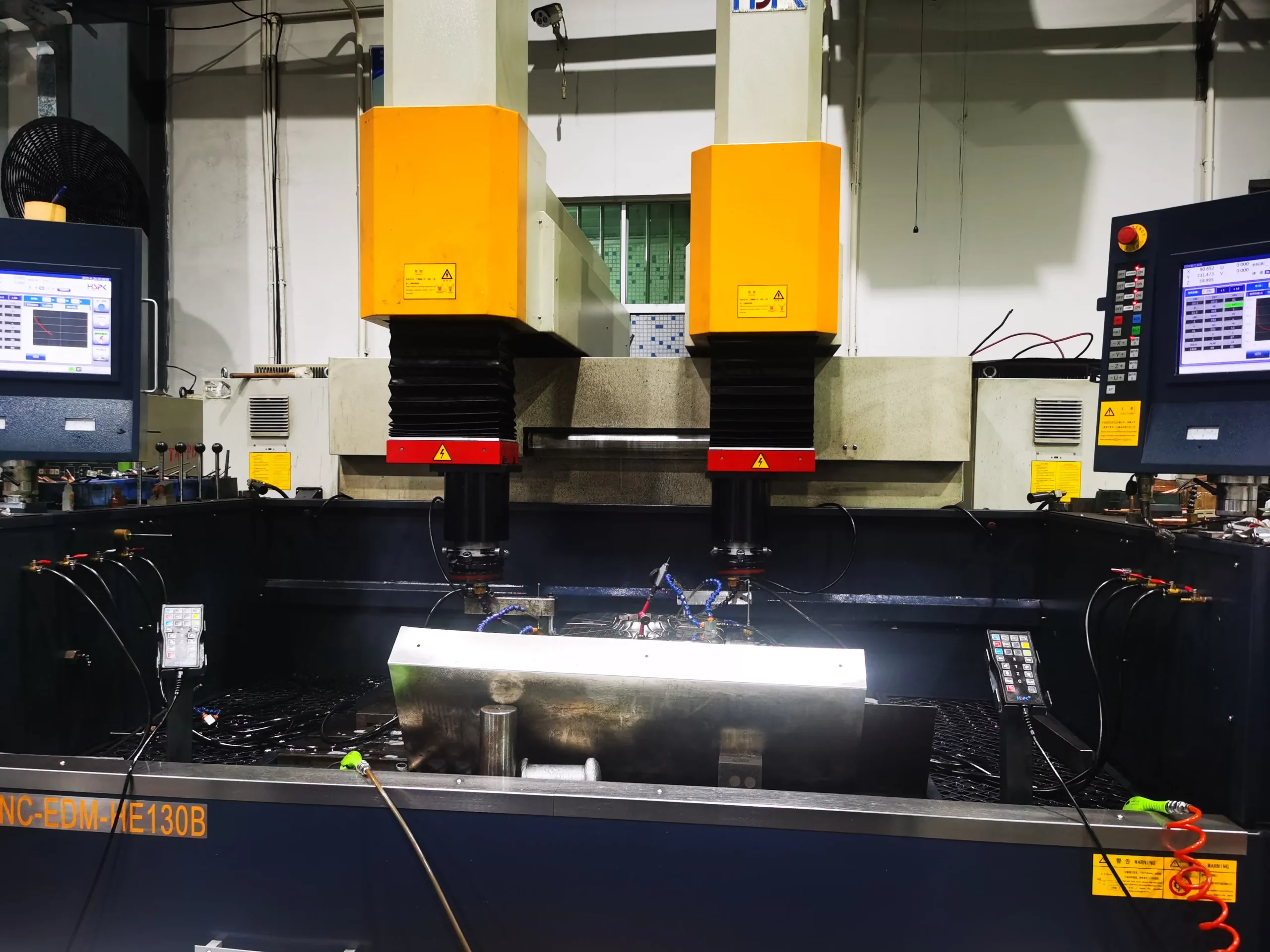
The published case specifically notes elevated mold-temperature capability. High-performance polymers often require tooling, heaters, temperature control, seals, and machine conditions that differ from conventional ABS or PP molding. The mold must reach and hold the required thermal condition without creating uneven zones that distort the part or produce inconsistent crystallinity.
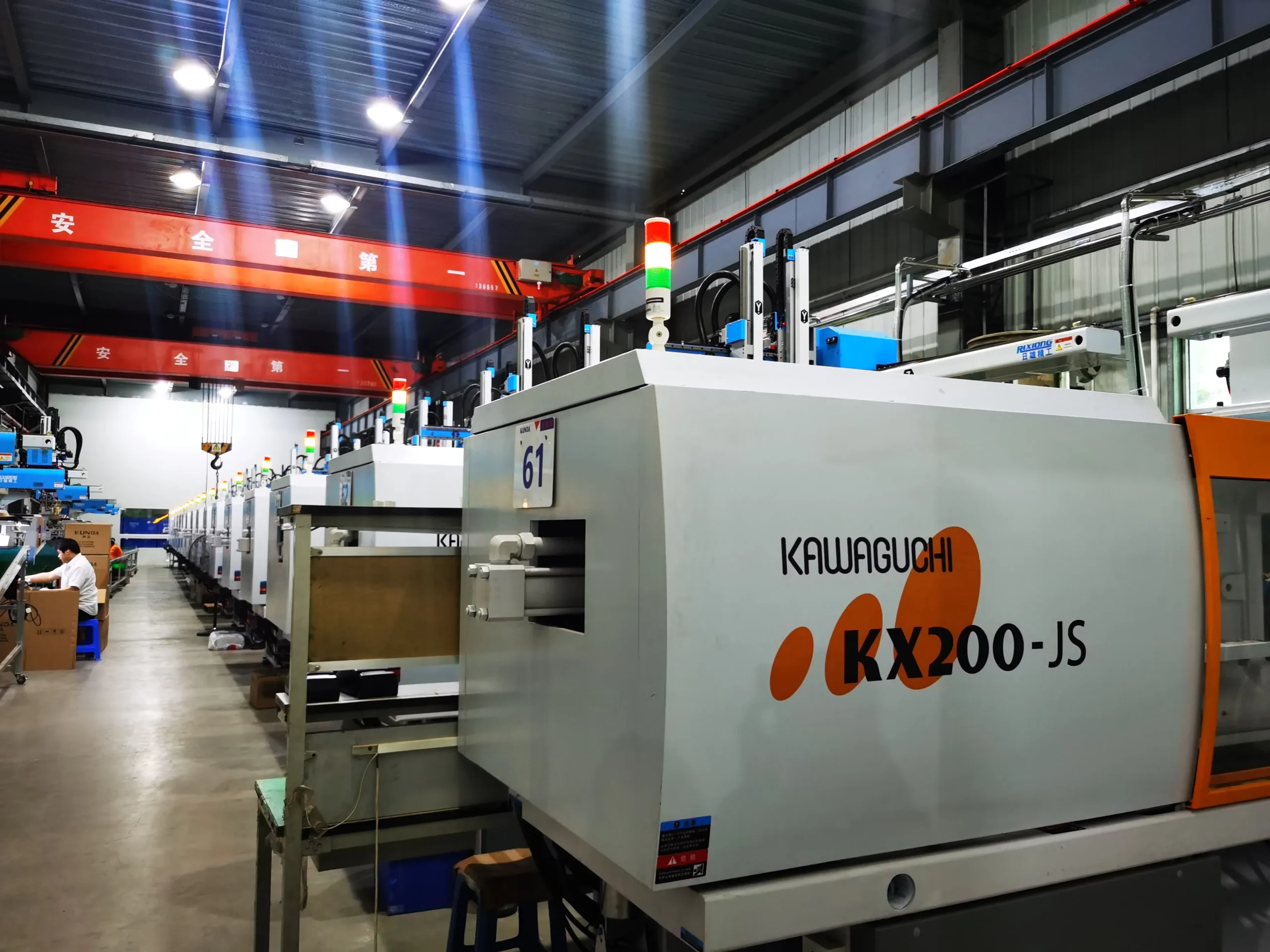
During mold manufacturing, thermal control should be treated as part of the tool architecture, not an accessory added after machining. During sampling, the team should document material preparation, actual mold temperature, fill behavior, part weight, critical dimensions, surface condition, and any post-mold dimensional change. The stable process then becomes the foundation for injection molding production rather than relying on repeated trial-and-error adjustments.
Validation Against the Real Duty Cycle
A five-year service target cannot be proven simply because a resin datasheet lists a high heat-deflection temperature. The finished molded component has geometry, molded-in stress, fiber orientation, fasteners, chemical exposure, and real interfaces that do not exist in a material coupon. The customer's accelerated aging program is therefore the relevant evidence for the application.
HWPD's page reports that the part exceeded the five-year field service requirement in accelerated aging tests. That outcome shows the value of linking material, DFM, tooling, and process development to the actual service environment. For similar programs, thermal cycling, chemical exposure, torque retention, dimensional inspection, and functional assembly may all be more informative than a single short-term material property.
Practical Takeaways for Similar Programs
Teams developing a similar high-temperature part should create an application matrix before selecting the resin. Useful inputs include continuous and peak temperature, chemical contact, mechanical load, electrical requirements, moisture, flame rating, dimensional stability, expected life, annual quantity, and whether the part can be conditioned after molding. Comparing these requirements against candidate materials often reveals that the best solution is not the resin with the highest headline temperature rating, but the grade that provides the right balance of processing, performance, and cost.
The mold trial should then be designed around the failure modes of that material and geometry. Dimensional checks after conditioning, visual review for burn or degradation, part-weight tracking, gate and weld-line inspection, and functional assembly testing can be combined with the customer's aging program. These controls make the case stronger because they demonstrate how the material was converted into a reliable molded component rather than merely naming a high-performance polymer.
Conclusion
This case demonstrates a disciplined route for demanding industrial plastic components: define the operating environment, select the resin against the real requirements, review geometry for the chosen material, design a tool capable of the required thermal conditions, and validate the molded part under representative service stress. The reported solution used PPS-GF40 for continuous 220°C operation and met a five-year service-life target in accelerated aging. Most importantly, the case also shows why published technical content should keep the material name consistent across headline, body, and validation data.