






CASE STUDY 03 | MEDICAL DEVICE
A medical housing program connected material control, DHR documentation, IQ/OQ/PQ validation, and controlled production supply.
Industry: Medical Device
Project Snapshot
| Project Parameter | Case Value |
|---|---|
| Reported resin requirement | ISO 10993-tested PC/ABS |
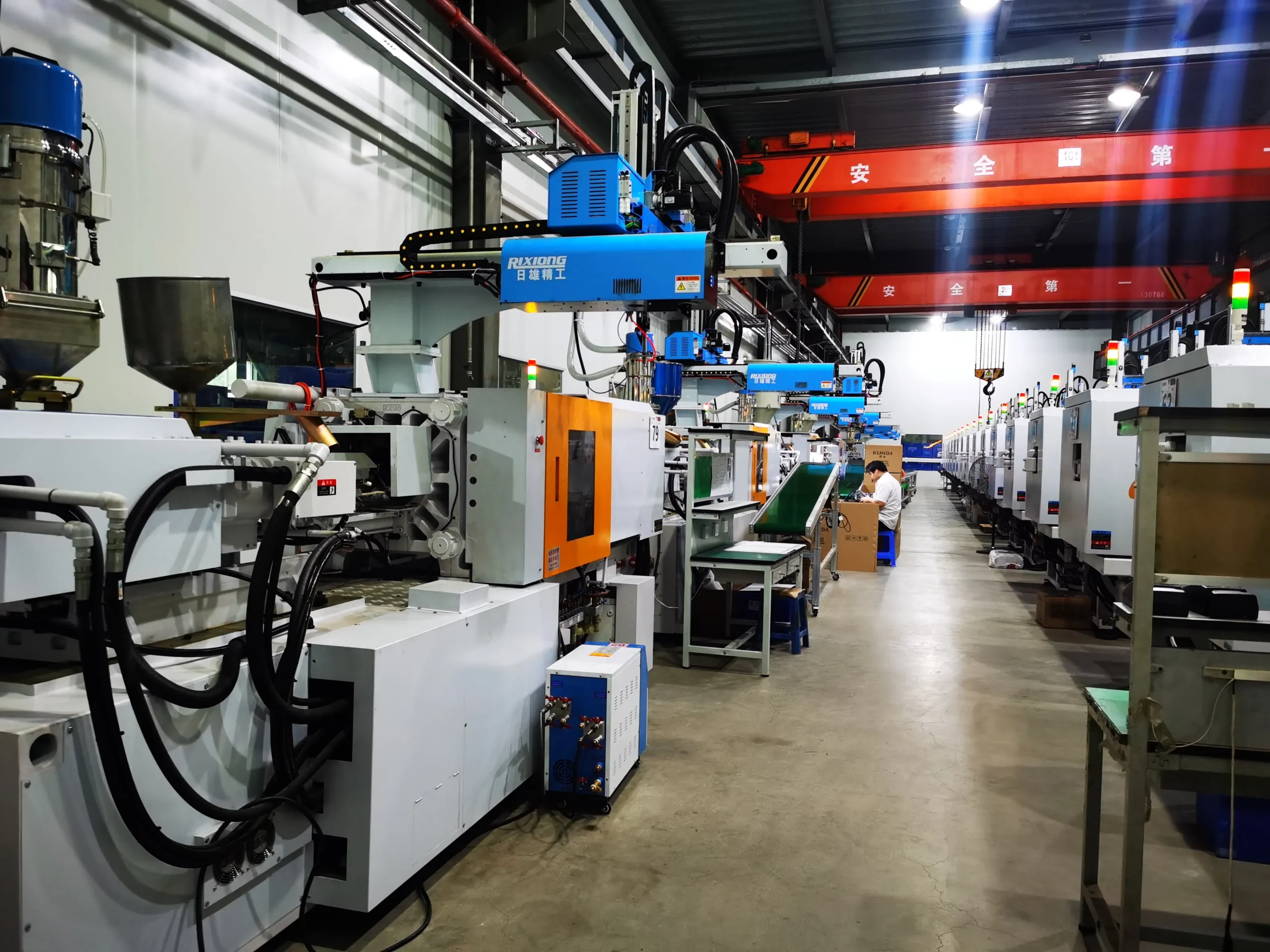
| Production environment | ISO Class 7 clean room |
| Validation package | DHR + IQ/OQ/PQ |
| Reported timeline | 16 weeks to validated production |
| Reported supply history | 3 years continuous supply |
Project Overview
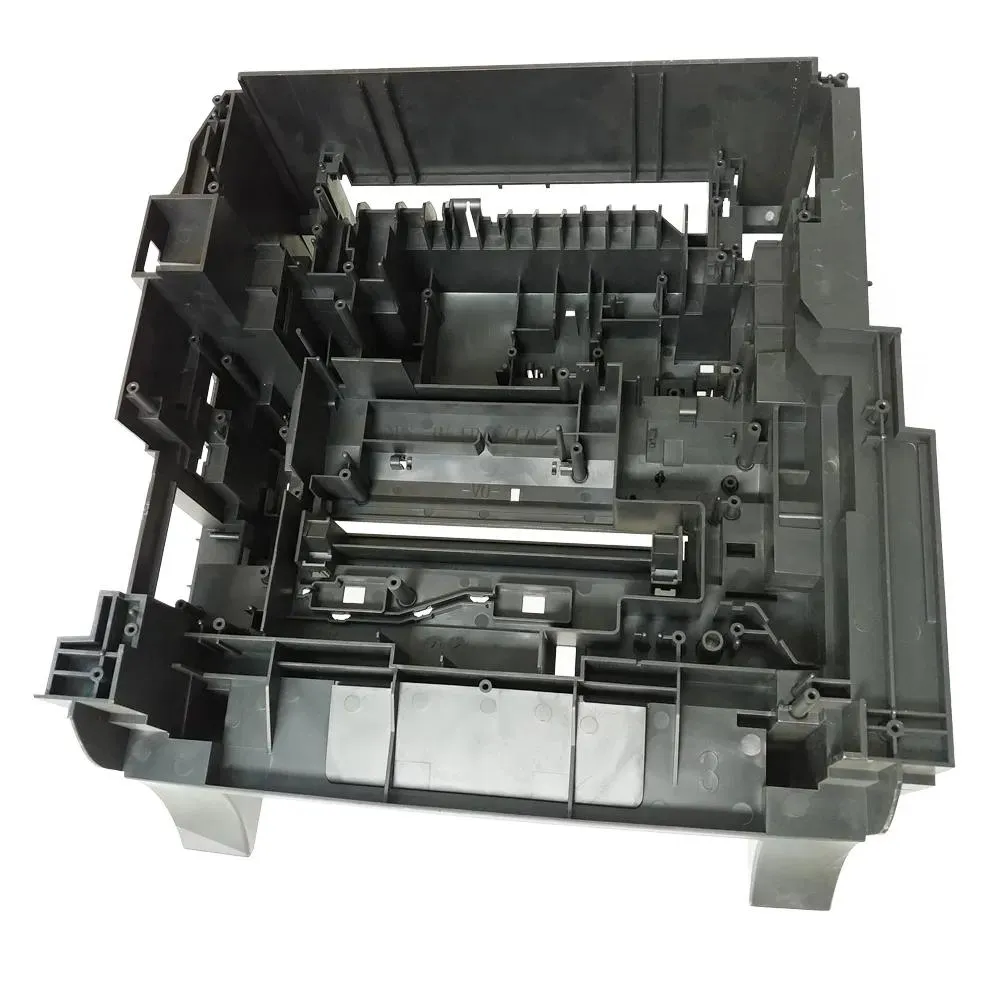
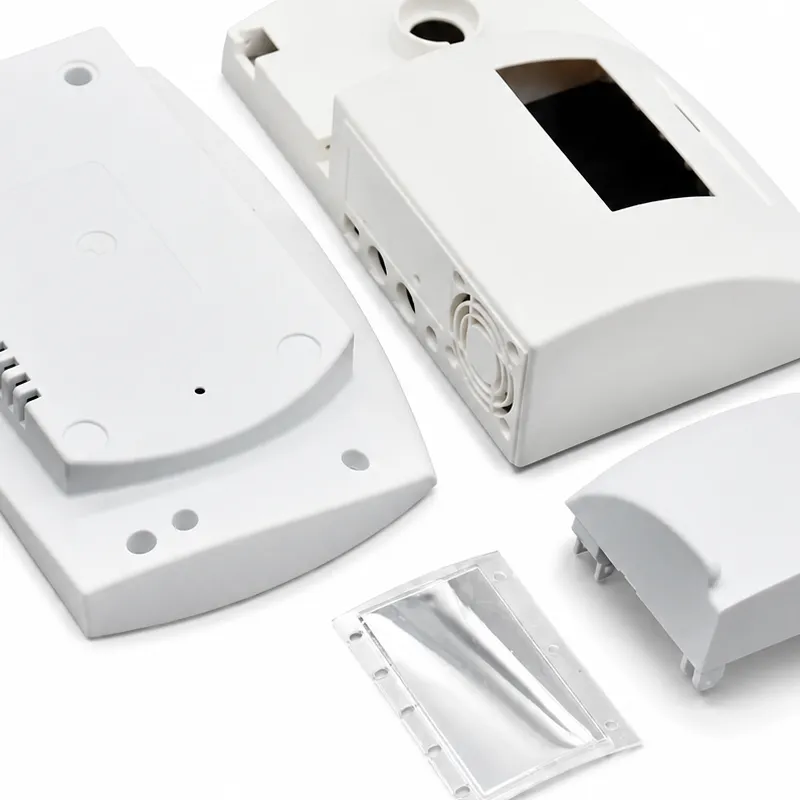
A medical-device OEM required a diagnostic instrument housing that could move beyond prototype fit checks into controlled production. HWPD's Product Development Cases page reports a housing molded in ISO 10993-tested PC/ABS, supported by a Device History Record, IQ/OQ/PQ validation, and ISO Class 7 clean-room production. The page also states that validated production was achieved within 16 weeks and continuous supply was maintained for three years.
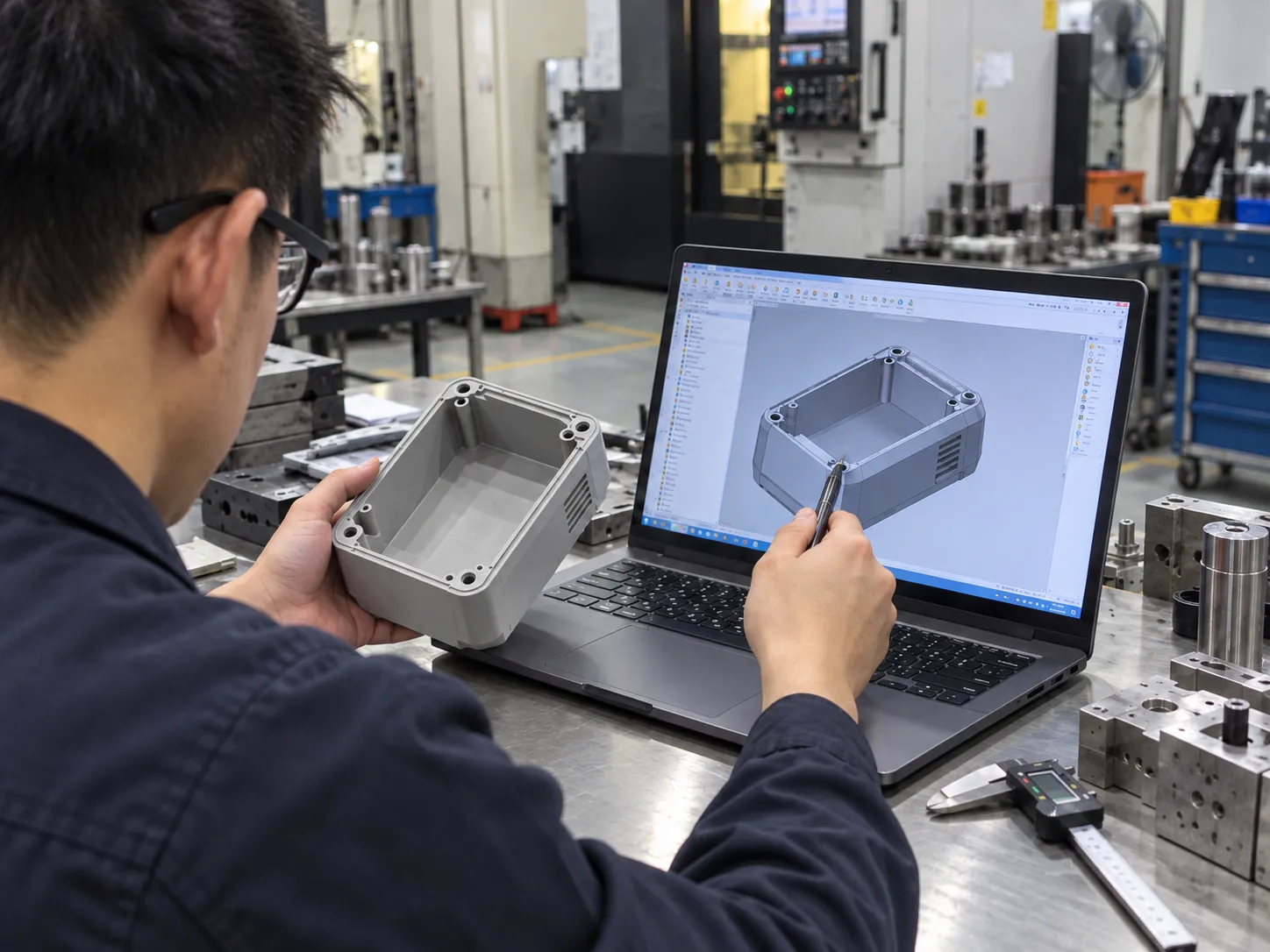
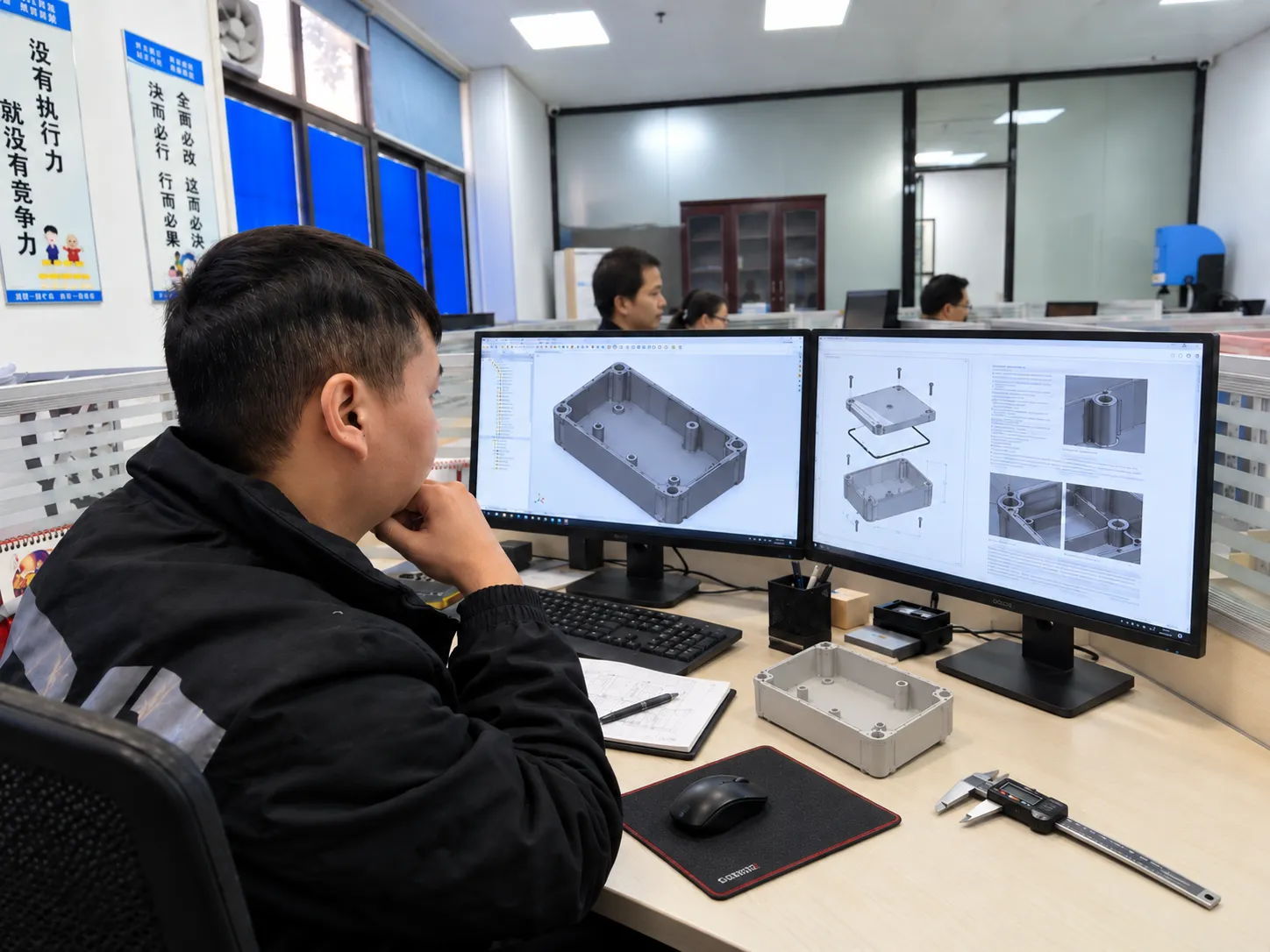
A medical enclosure is not only a cosmetic shell. It has to protect the electronics, maintain repeatable assembly, locate interfaces and displays, tolerate cleaning and handling, and support the documentation expected by the customer's quality system. The engineering plan therefore needs to connect DFM analysis with tooling, controlled molding, inspection, and lot records.
Why Medical Housings Need System-Level Review
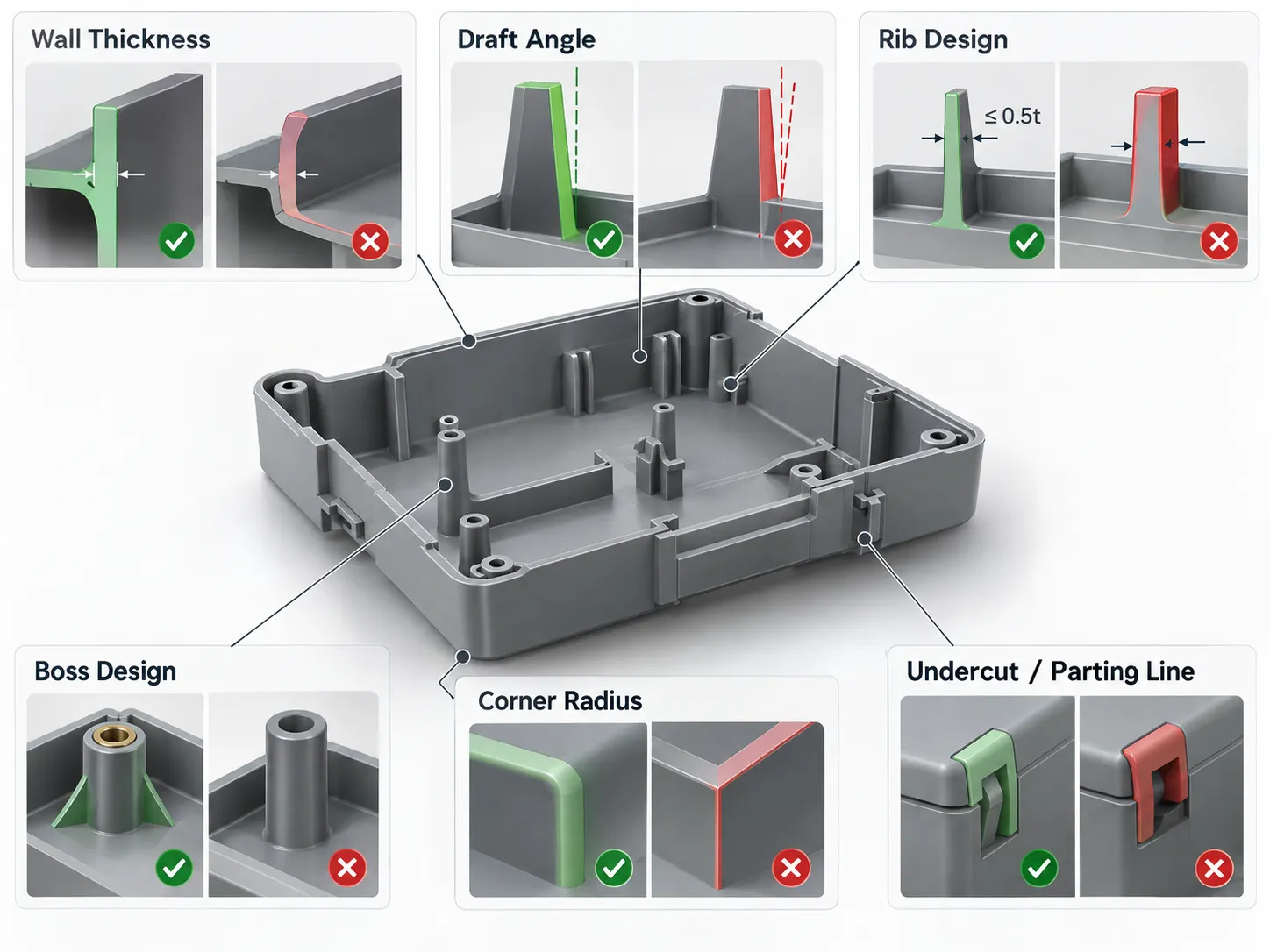
Large enclosure panels often carry two very different types of requirements. The outside must remain visually consistent, while the inside contains bosses, ribs, vents, connector openings, PCB mounts, and alignment features. If those internal structures are added without considering wall thickness and shrinkage, they can create sink, read-through, warpage, or misalignment on the exterior.
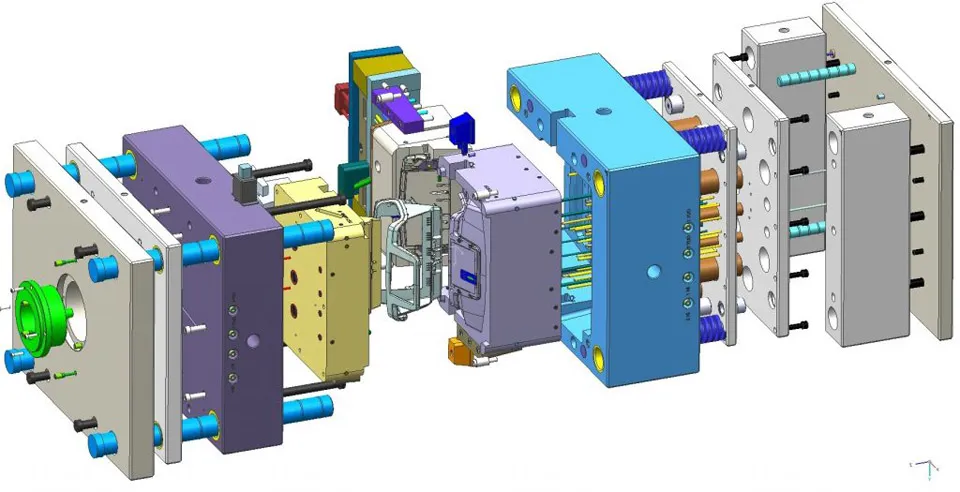
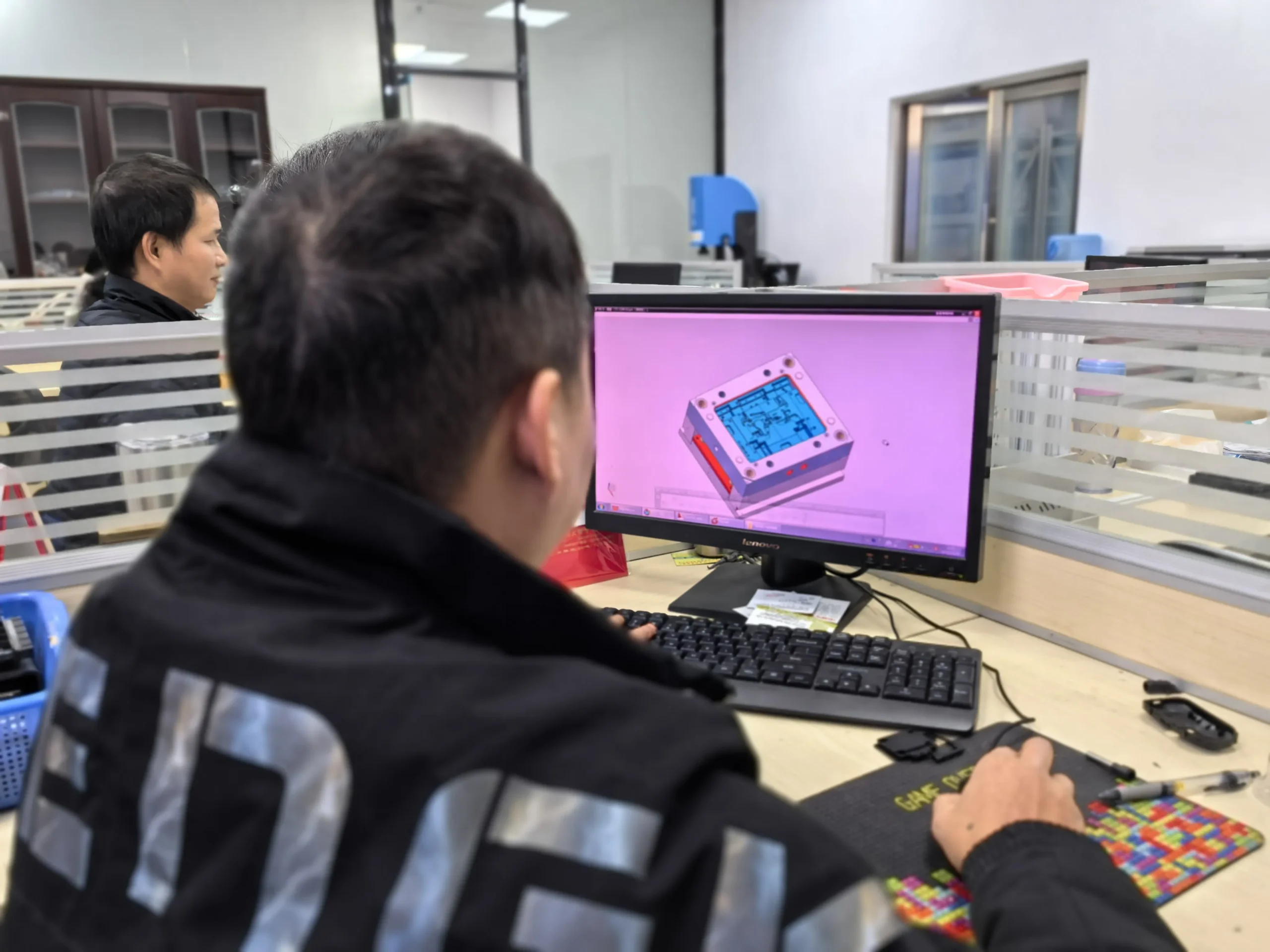
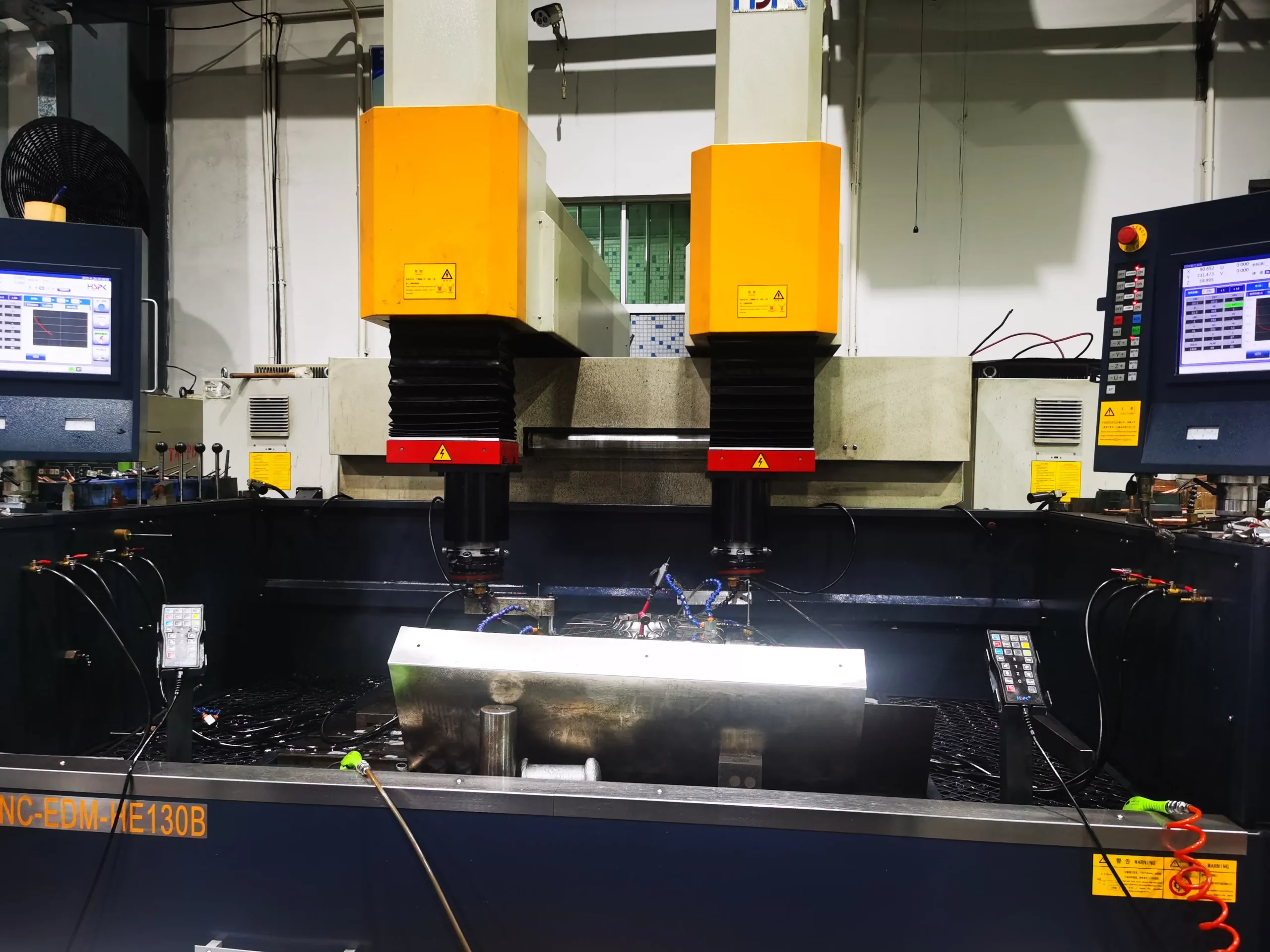
A production review should therefore evaluate the complete assembly rather than each plastic part in isolation. Datum strategy, mating edges, screw engagement, panel gaps, display openings, service access, cleaning exposure, and labeling zones all affect whether the finished diagnostic device assembles and performs consistently. Mold design then translates those requirements into parting, gating, cooling, ejection, and tool-service decisions.
Material and Controlled Processing
The case specifies ISO 10993-tested PC/ABS. For a regulated program, the exact resin grade, supplier, color system, and change-control expectations matter because a generic material family name is not enough to protect traceability. Material identification should follow the approved specification, and incoming lots should be linked to the production records required by the customer's system.
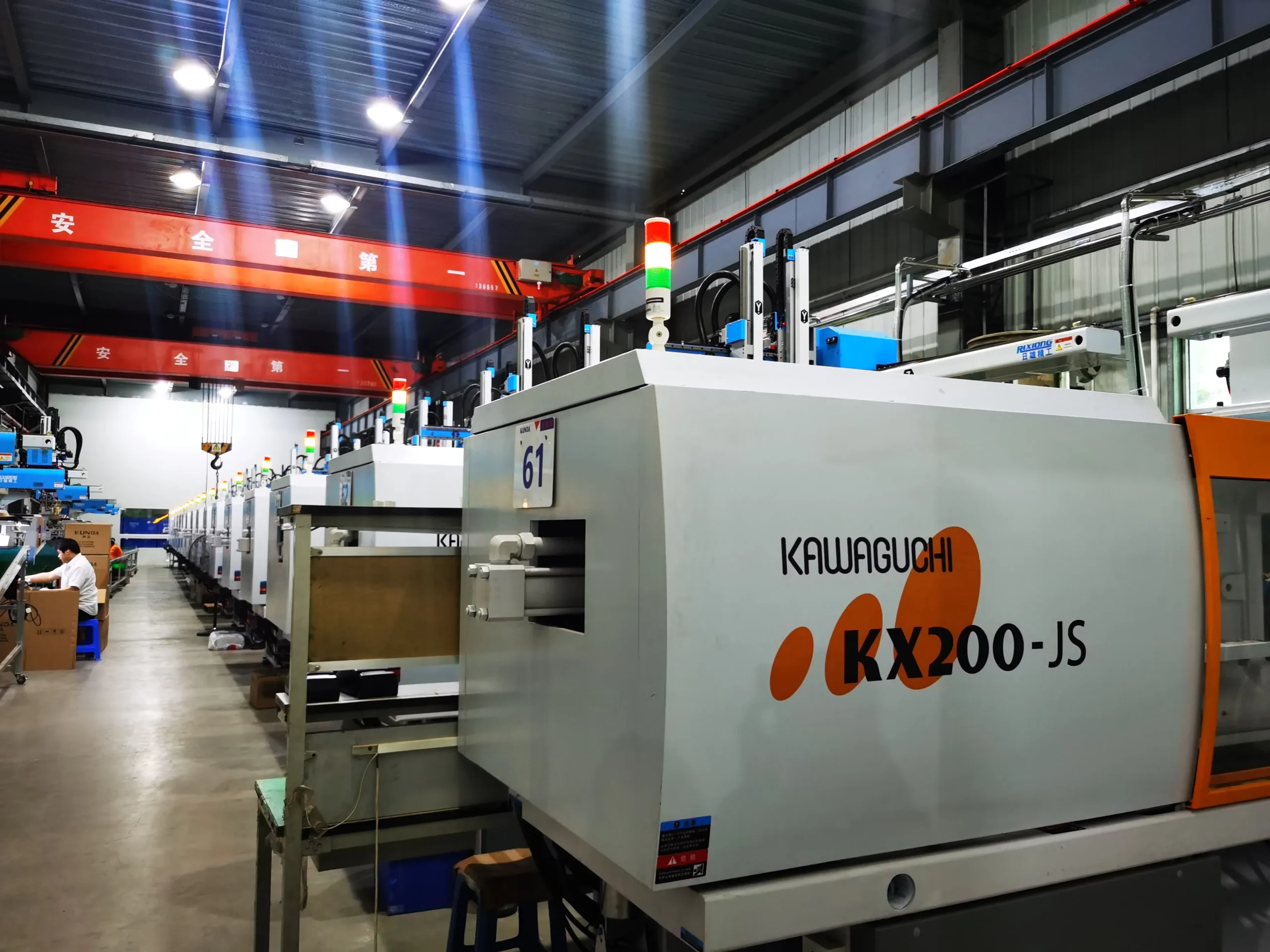
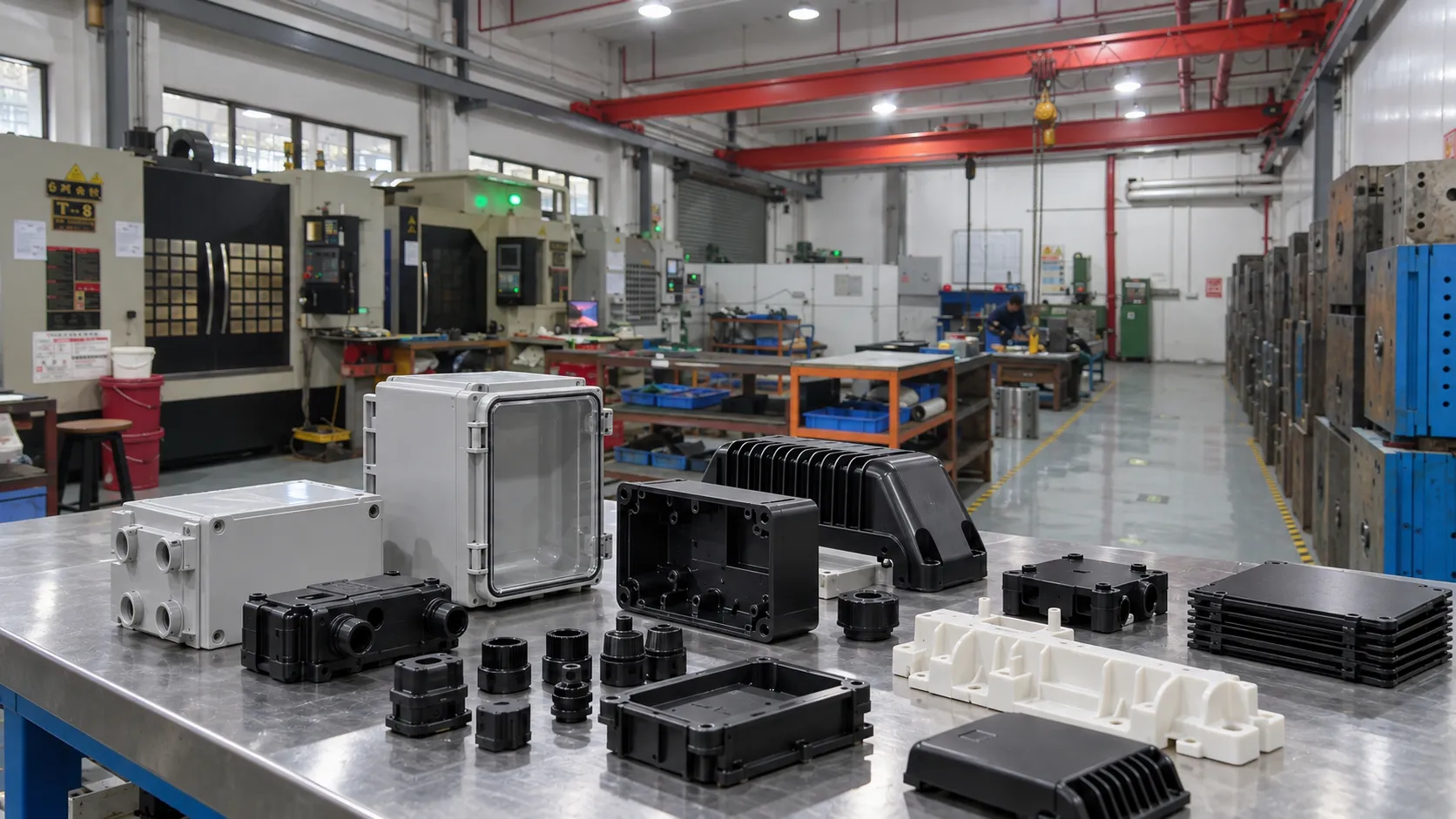
The molding process also needs a defined window. Melt and mold temperature, drying, fill and pack behavior, cooling, ejection, and handling can influence dimensions and appearance. Injection molding for a validated medical program is therefore less about finding one setting that makes good samples and more about proving a stable range that repeatedly produces acceptable parts.
IQ/OQ/PQ and Documentation
The published case identifies IQ/OQ/PQ validation and a Device History Record. In practical terms, these activities establish that equipment and tooling are installed as intended, that the process operates across an approved range, and that production conditions can repeatedly make conforming output. The exact protocol belongs to the customer's regulatory and quality framework, but the manufacturing supplier must be able to support the evidence and records.
That documentation is strongest when it is designed into the program before production starts. Inspection characteristics, sampling methods, lot identification, operator records, material traceability, and change controls should align with the approved process. HWPD's broader end-to-end product development approach is relevant because design, tooling, process, and documentation cannot be treated as disconnected deliverables on a medical device.
Results and Long-Term Supply
The case page reports 16 weeks to validated production and three years of continuous supply. Those outcomes demonstrate two different capabilities. The first is development speed under controlled validation; the second is sustaining the approved process after the launch pressure has passed. For a medical OEM, stable long-term supply is often as important as the first successful tool trial.
The case also shows why production readiness should be evaluated against the full system: approved material, qualified tooling, validated parameters, dimensional and cosmetic inspection, records, and a disciplined method for handling changes. A housing that looks correct at T1 is only the beginning. A controlled supply program has to make the same approved product repeatedly across lots, maintenance events, operators, and time.
Practical Takeaways for Similar Programs
For similar medical programs, the validation plan should be discussed before the mold is ordered. The customer and manufacturer need a shared definition of critical dimensions, cosmetic acceptance, material traceability, cleaning exposure, assembly tests, sampling frequency, record retention, and the conditions that would trigger requalification. This prevents the tooling team from discovering after T1 that a required characteristic is difficult to inspect or that a process change needs additional documentation.
Change control is equally important after launch. Resin substitutions, color-system changes, mold repairs, cavity insert replacement, process-window changes, or transfers between machines can affect the approved state. A stable supply program therefore needs a documented route for review and approval before those changes reach production. That discipline is what converts a successful validation event into a repeatable manufacturing system.
Conclusion
This diagnostic housing program combines the engineering and quality disciplines that medical products require. The published project used ISO 10993-tested PC/ABS, ISO Class 7 production, Device History Records, and IQ/OQ/PQ validation, reaching validated production in 16 weeks and then supporting three years of continuous supply. For similar medical equipment, the practical route is to define material and assembly requirements early, review the enclosure as a complete system, build the tool around critical features, validate a robust process, and maintain traceable production records from the first approved lot onward.