





CASE STUDY 05 | ROBOTICS & AI
A representative robotics case showing how bridge tooling can provide molded parts for optical, thermal, sealing, and field validation.
Industry: Robotics & AI
Project Snapshot
| Project Parameter | Case Value |
|---|---|
| Development stage | Field-validation / pilot production |
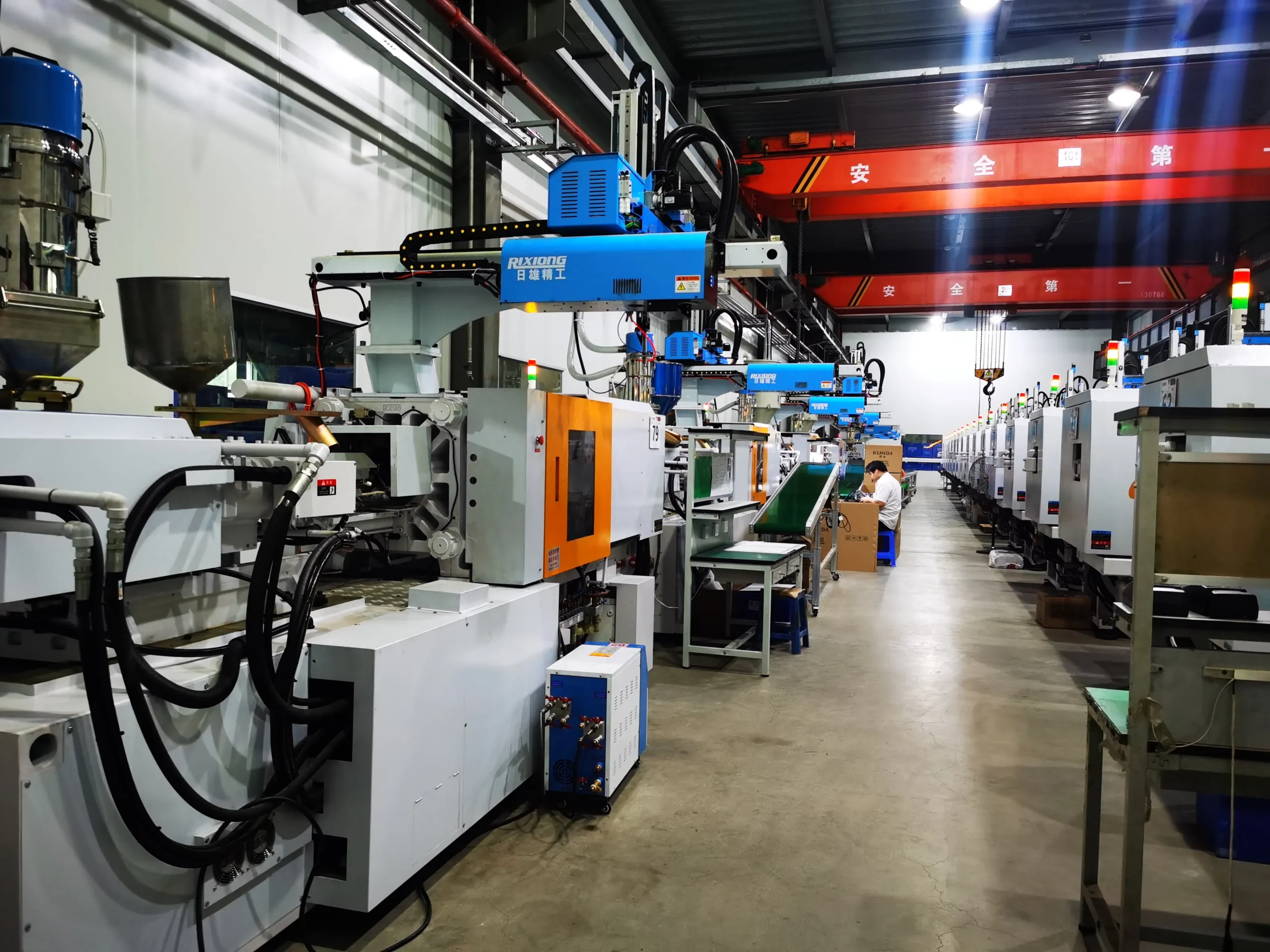
| Manufacturing route | Low-volume injection molding |
| Tool concept | Bridge tooling |
| Primary risks | Sensor alignment, flatness, sealing, thermal movement |
| Publication control | Representative data only until verified |
Project Overview
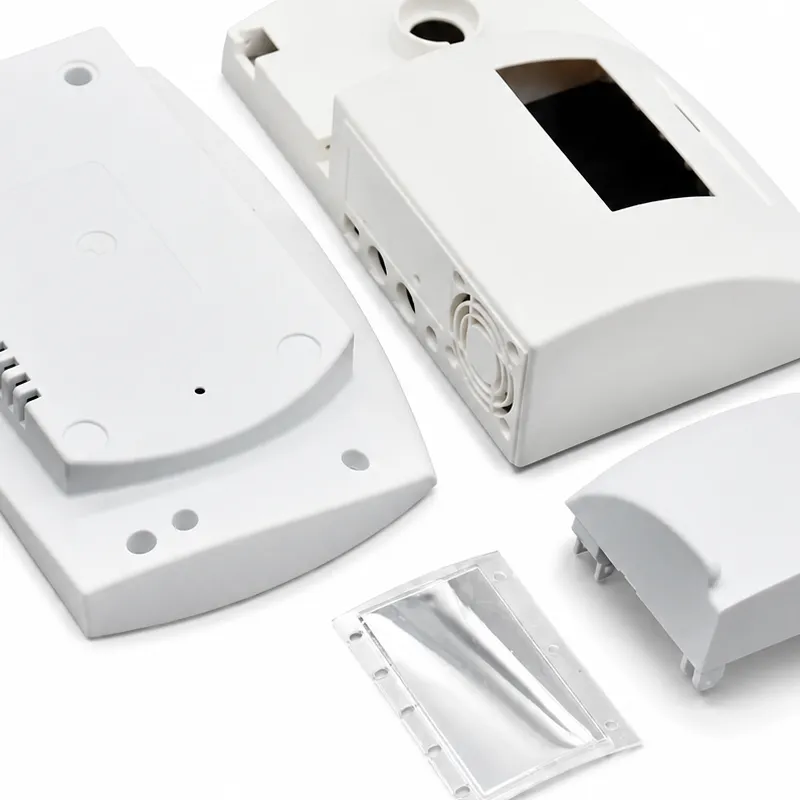
A mobile-robot developer needed production-like housings for a LiDAR module before the forecast justified a hardened multi-cavity mold. Printed prototypes had already confirmed the equipment envelope and basic appearance, but they could not reproduce molded shrinkage, snap behavior, sealing surfaces, or the thermal movement of the intended engineering resin. The program therefore needed a bridge between prototype learning and full production investment.
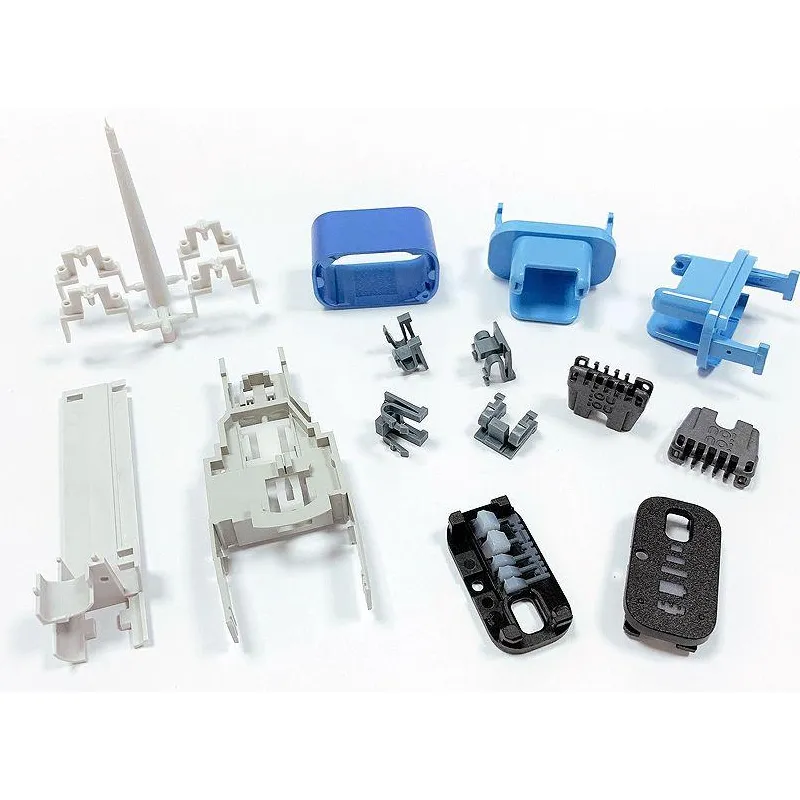
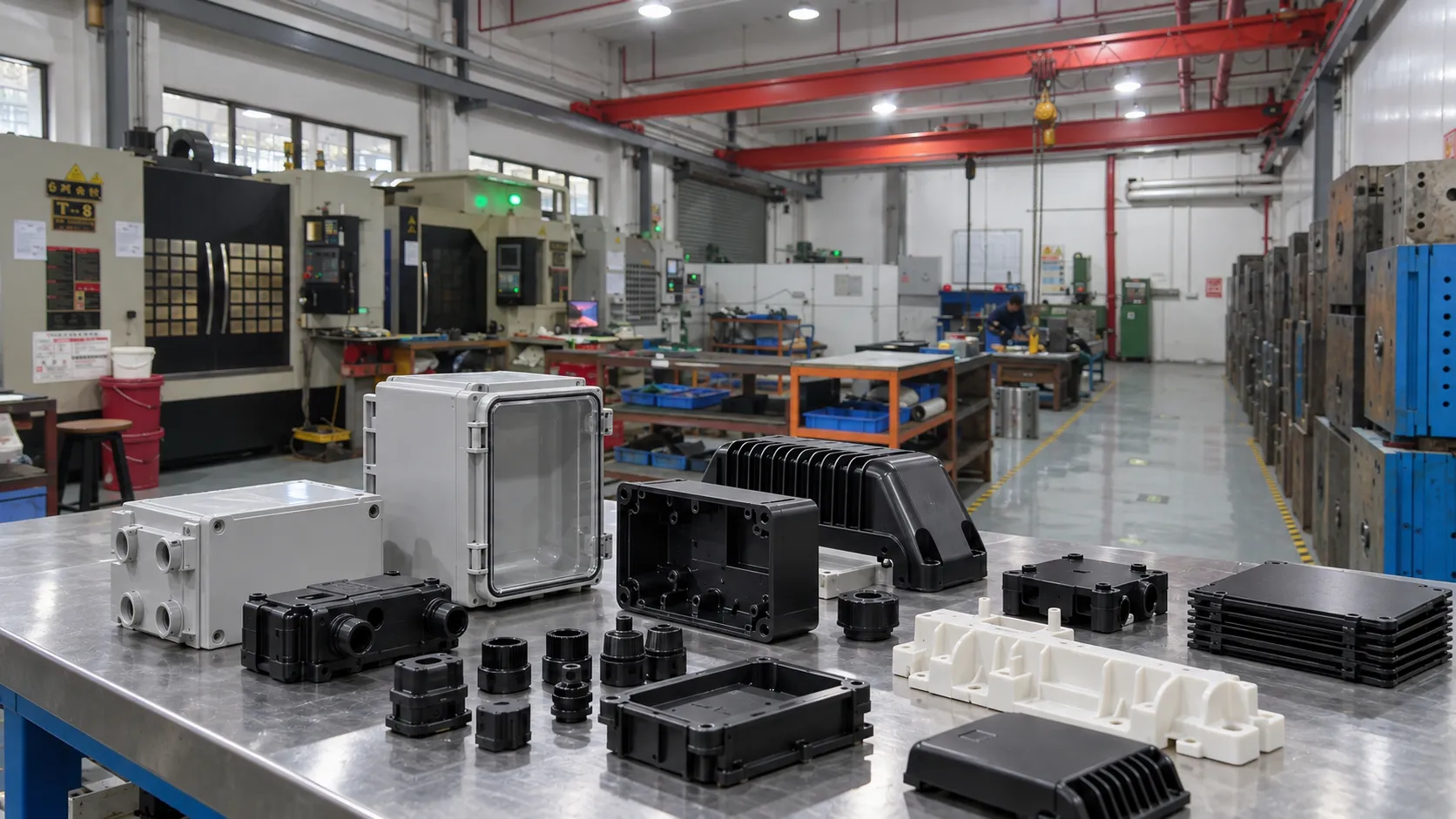
This representative case is aligned with HWPD’s robotics and AI manufacturing capability, which covers sensor housings, optical parts, robot covers, compute enclosures, and connector components. The objective was not to maximize cavity count. It was to create a controlled molded part that could generate useful engineering evidence during pilot deployment.
Why Robot LiDAR Housing Injection Molding Requires Tight Control
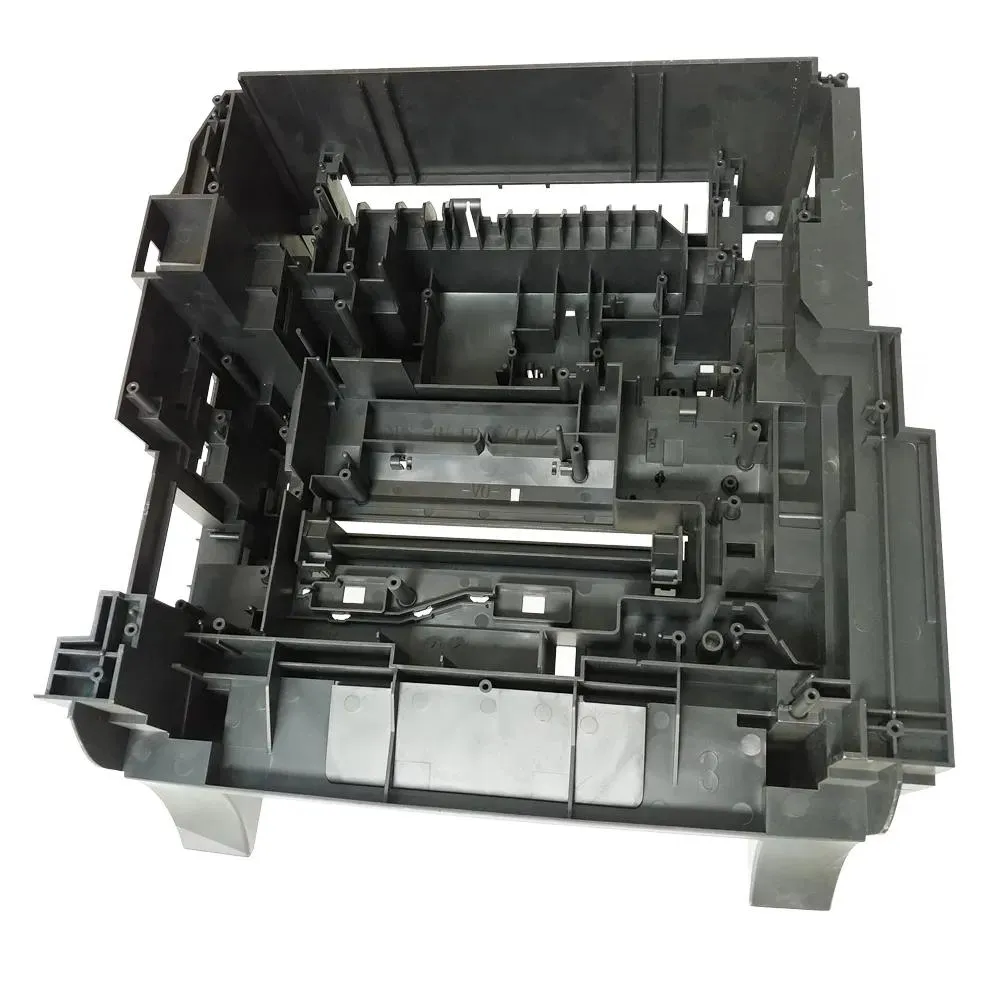
A LiDAR housing carries more than cosmetic requirements. Lens or window geometry must remain aligned with the optical stack, mounting datums influence sensor orientation, sealing features have to compress consistently, and internal heat can move dimensions after the robot has been running. The enclosure may also need controlled connector positions, fastener engagement, impact resistance, and a surface that survives field handling.
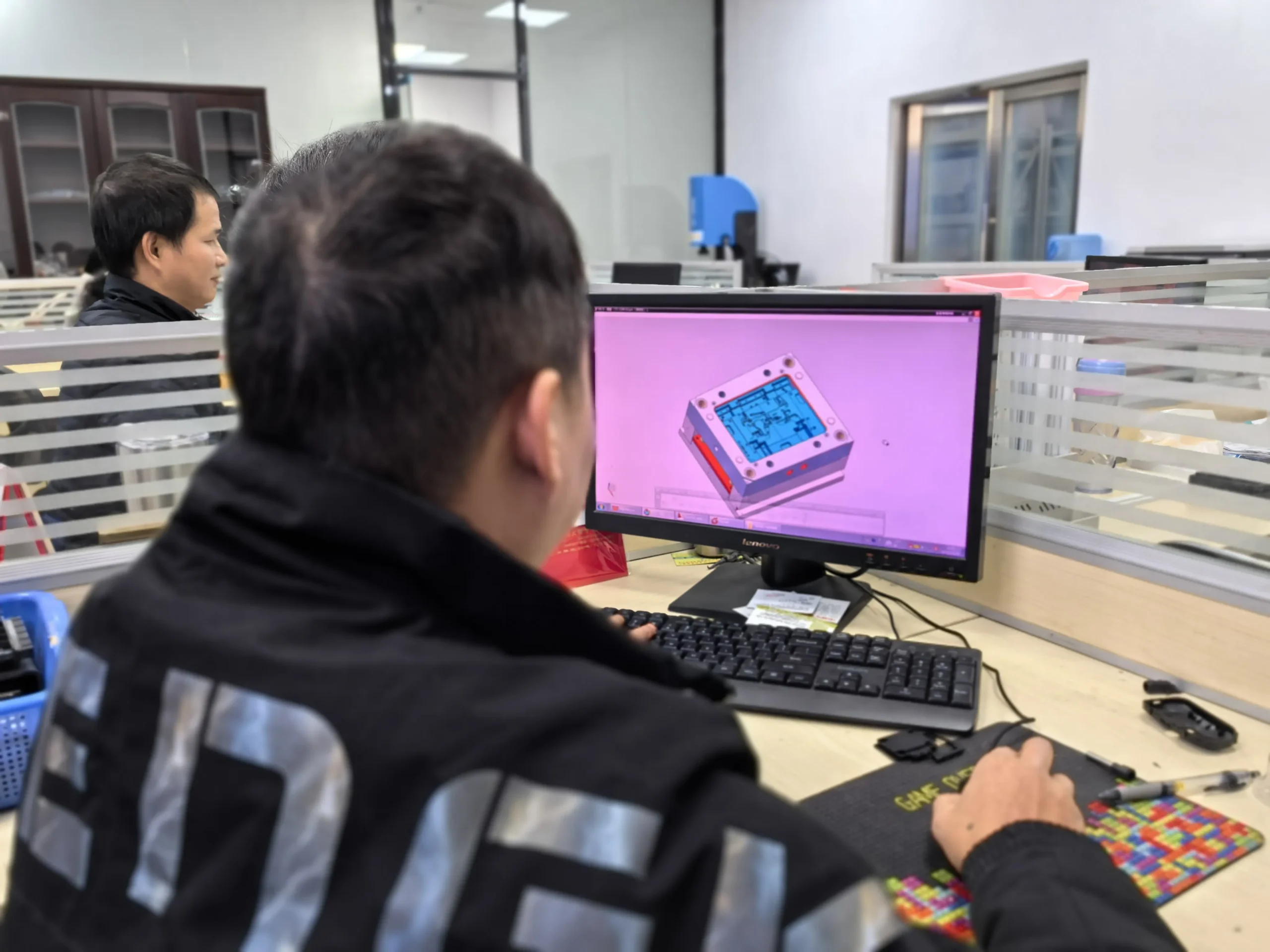
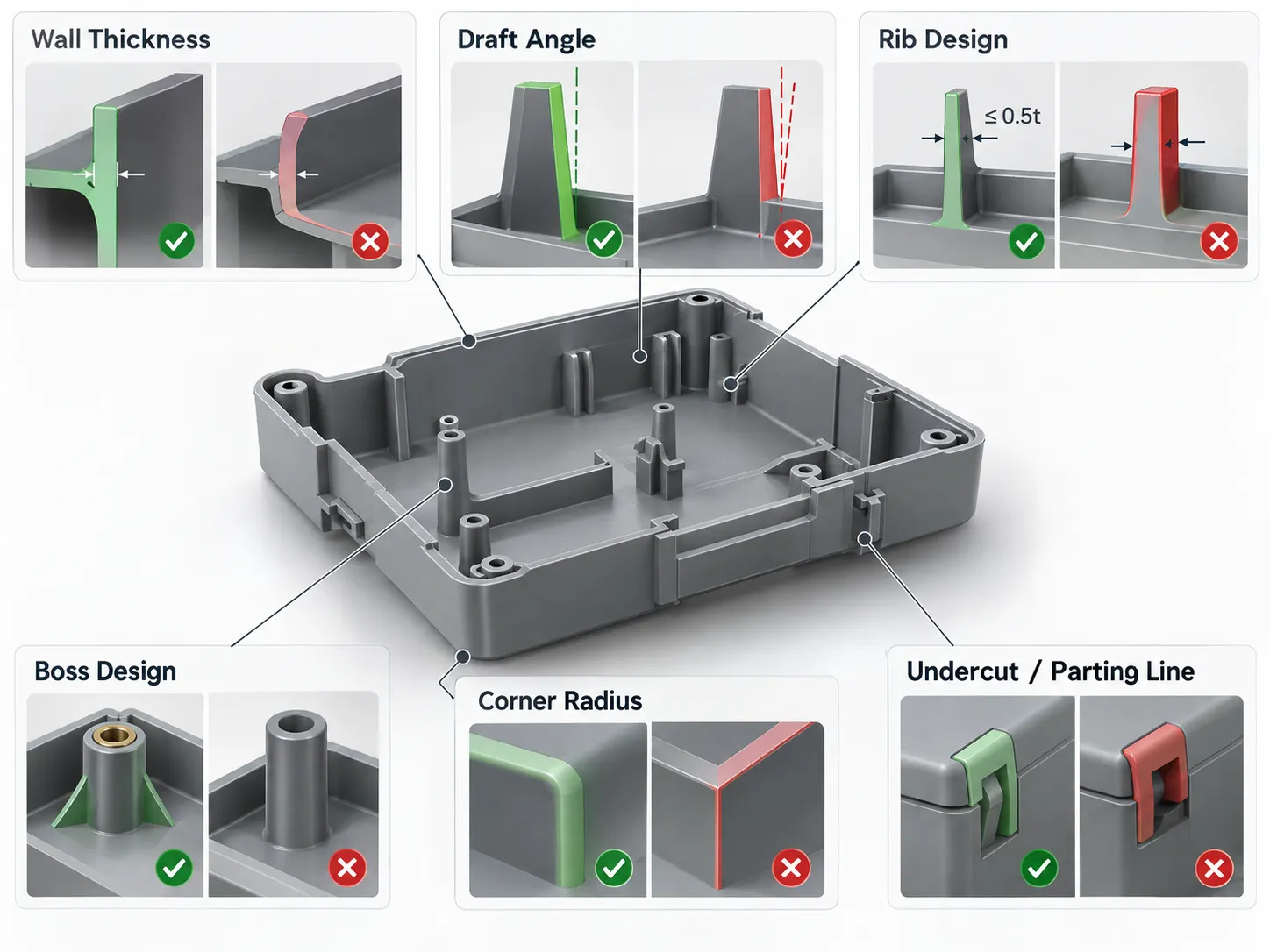
Those interfaces make a housing sensitive to local wall thickness, ribs, bosses, gate direction, cooling, and shrinkage. During DFM analysis, the team should separate optical and mounting CTQs from non-critical cosmetic geometry so tool corrections and inspection resources focus on the features that actually influence sensor performance.
Bridge Tooling for Low-Volume Robot LiDAR Housing Production
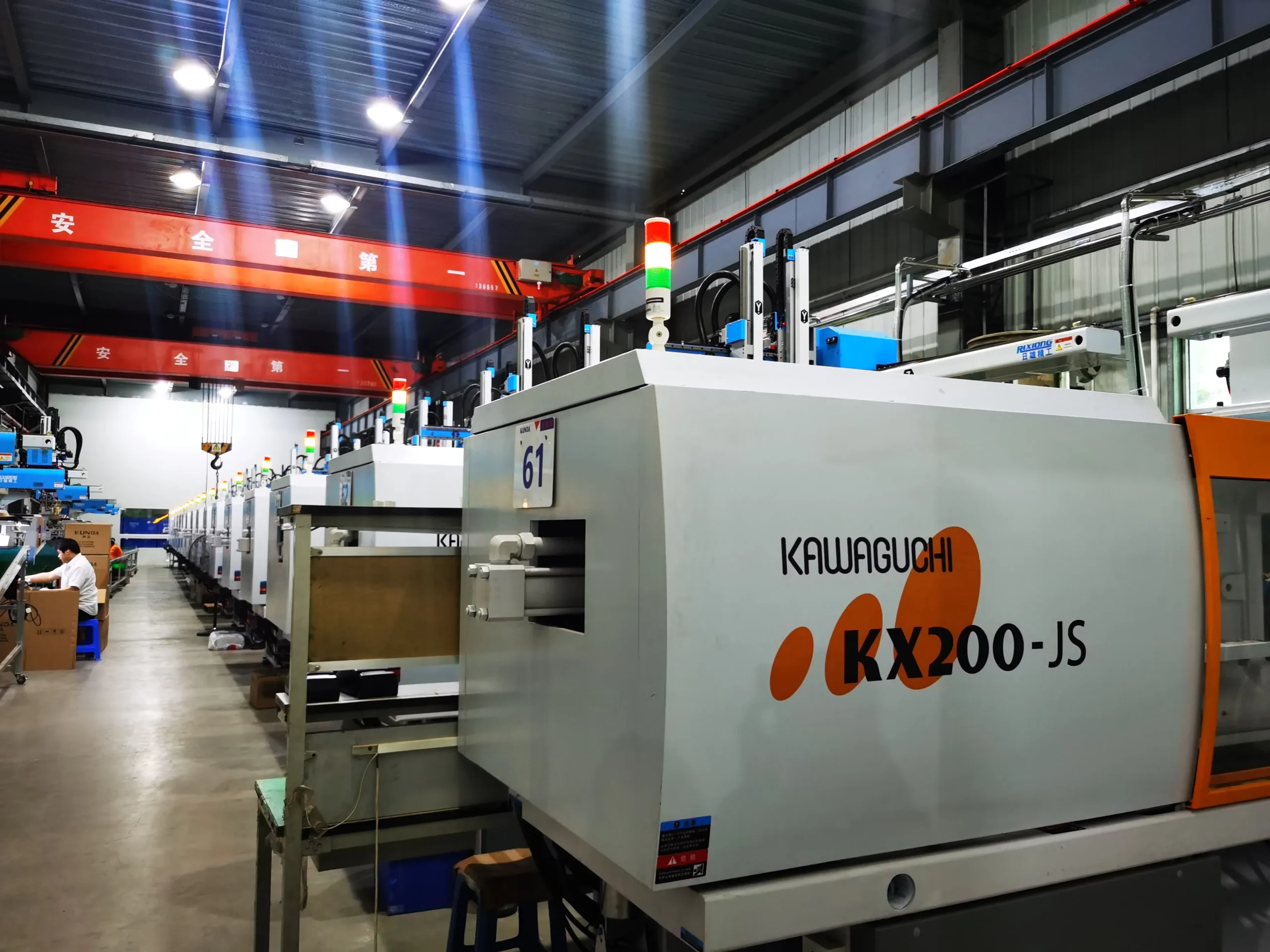
The key manufacturing decision is to match the tool to the uncertainty of the program. A hardened production mold is efficient when the design and demand are stable. During field validation, however, an expensive high-cavitation tool can turn every design discovery into a costly modification. Low-volume injection molding allows the team to collect data while keeping change more practical.
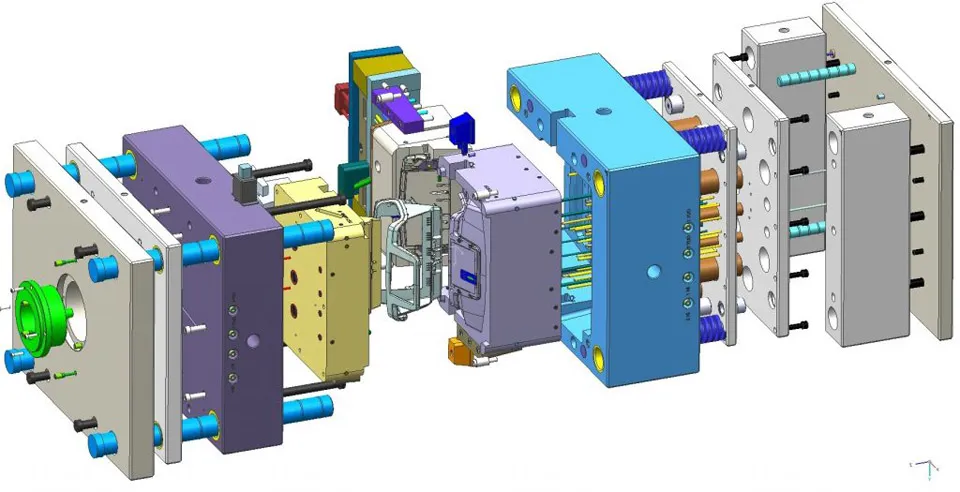
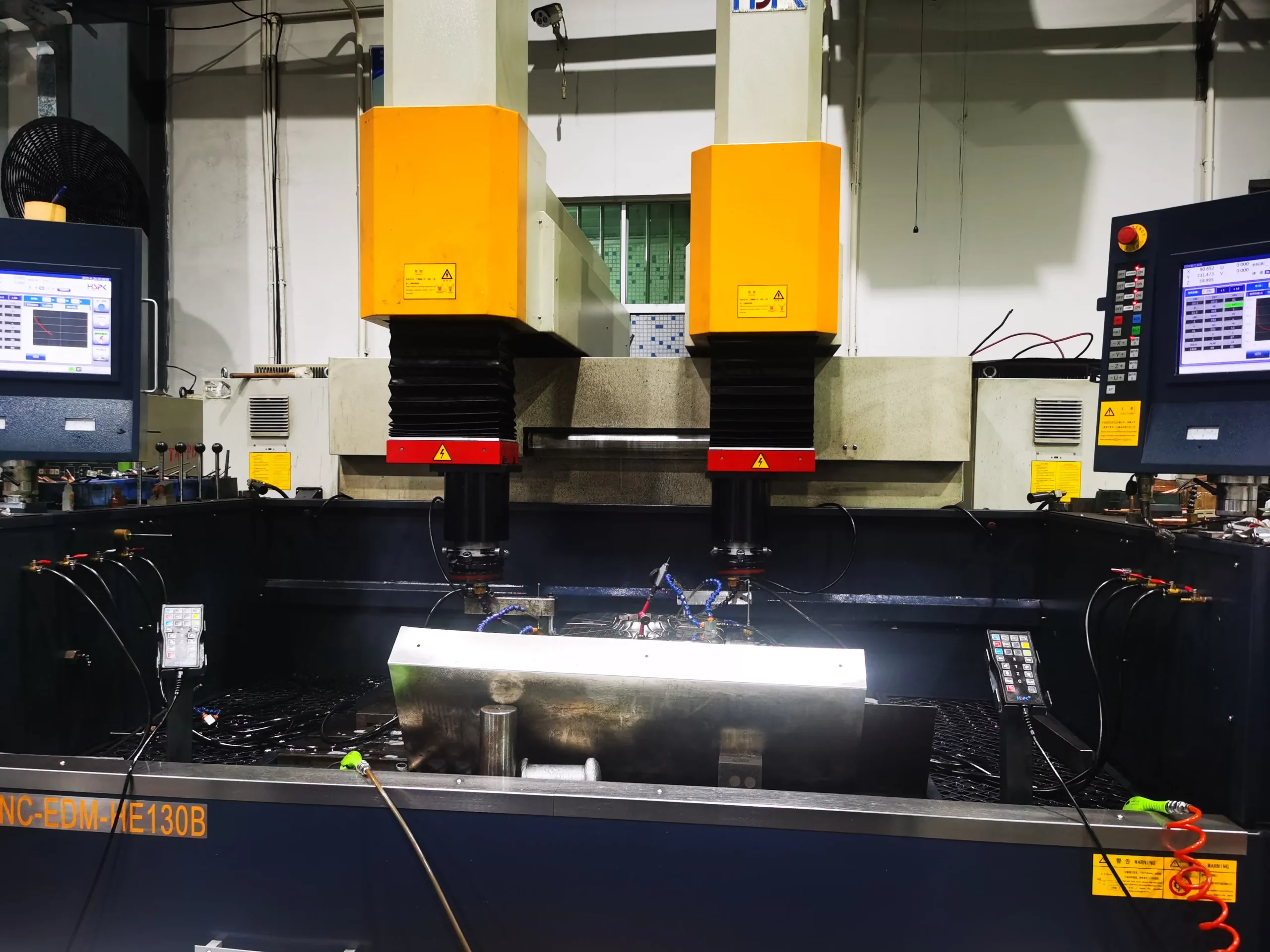
A bridge tool can use a simplified cavity strategy and replaceable inserts around high-risk features such as the optical opening, sealing land, or connector interface. The exact tool material and life should be chosen for the required pilot quantity. The aim is to reproduce the material, gate, shrinkage, ejection, and surface behavior of molded production parts without pretending the design is already frozen.
Mold Trial and Functional Validation
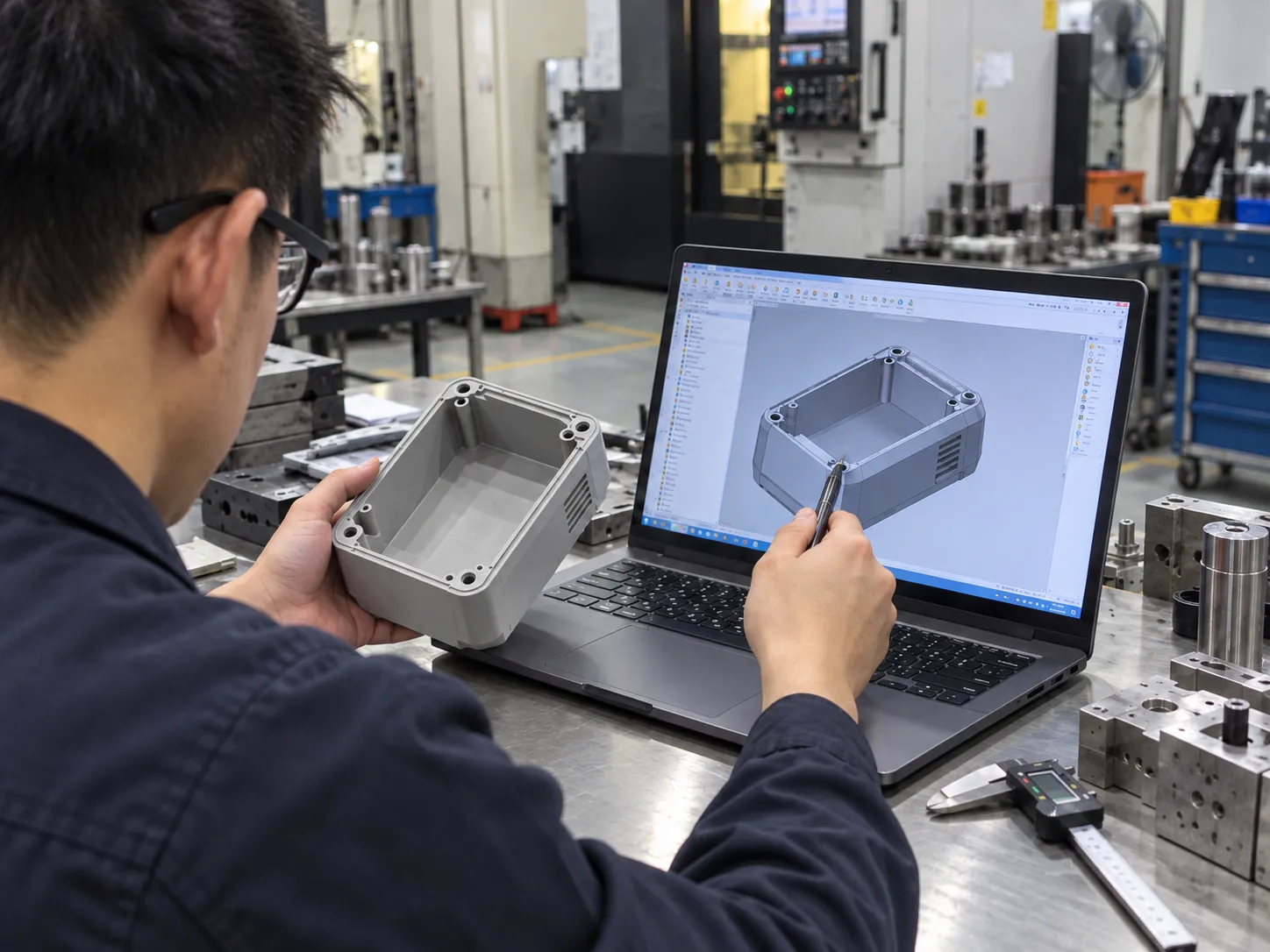
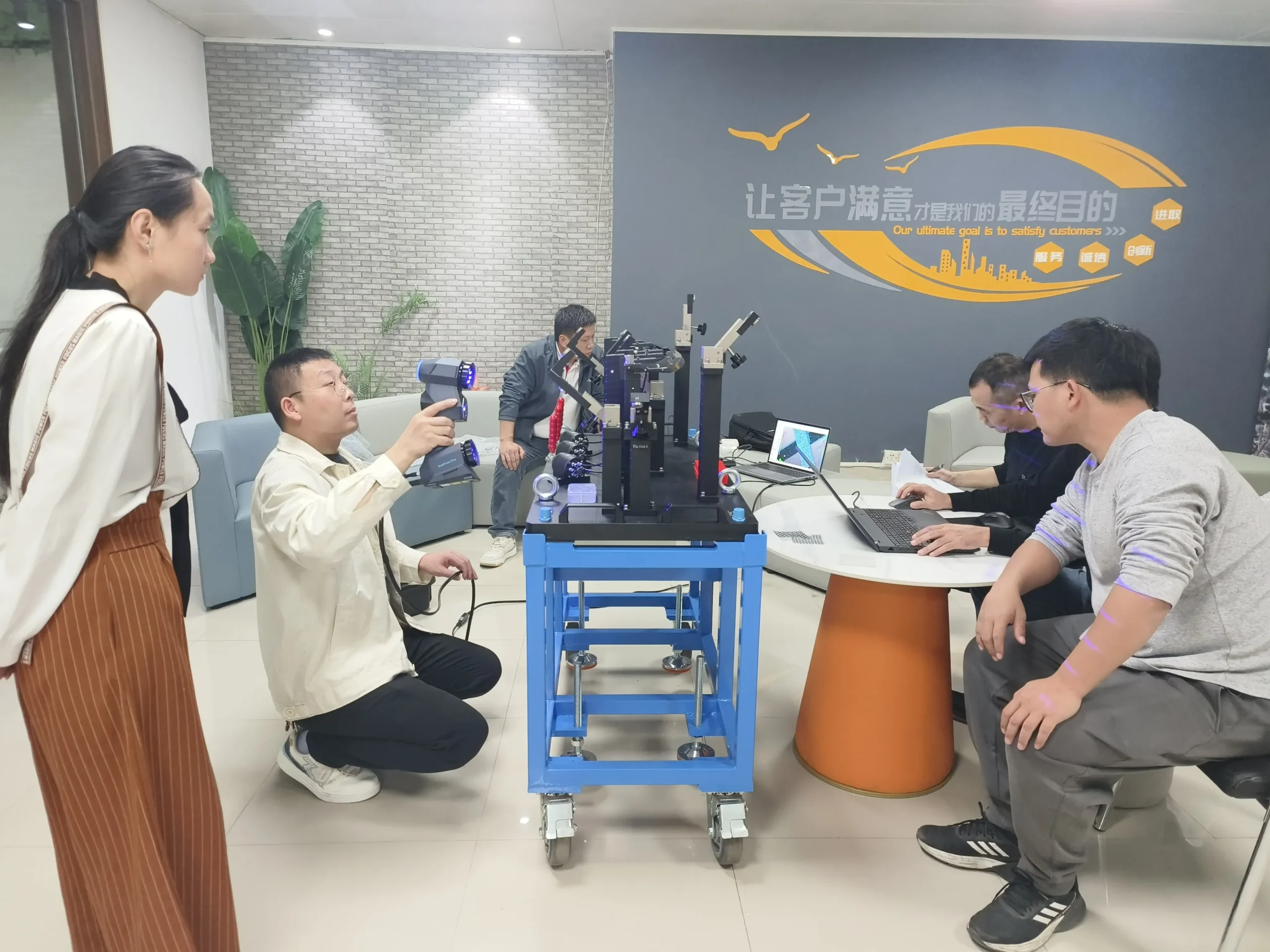
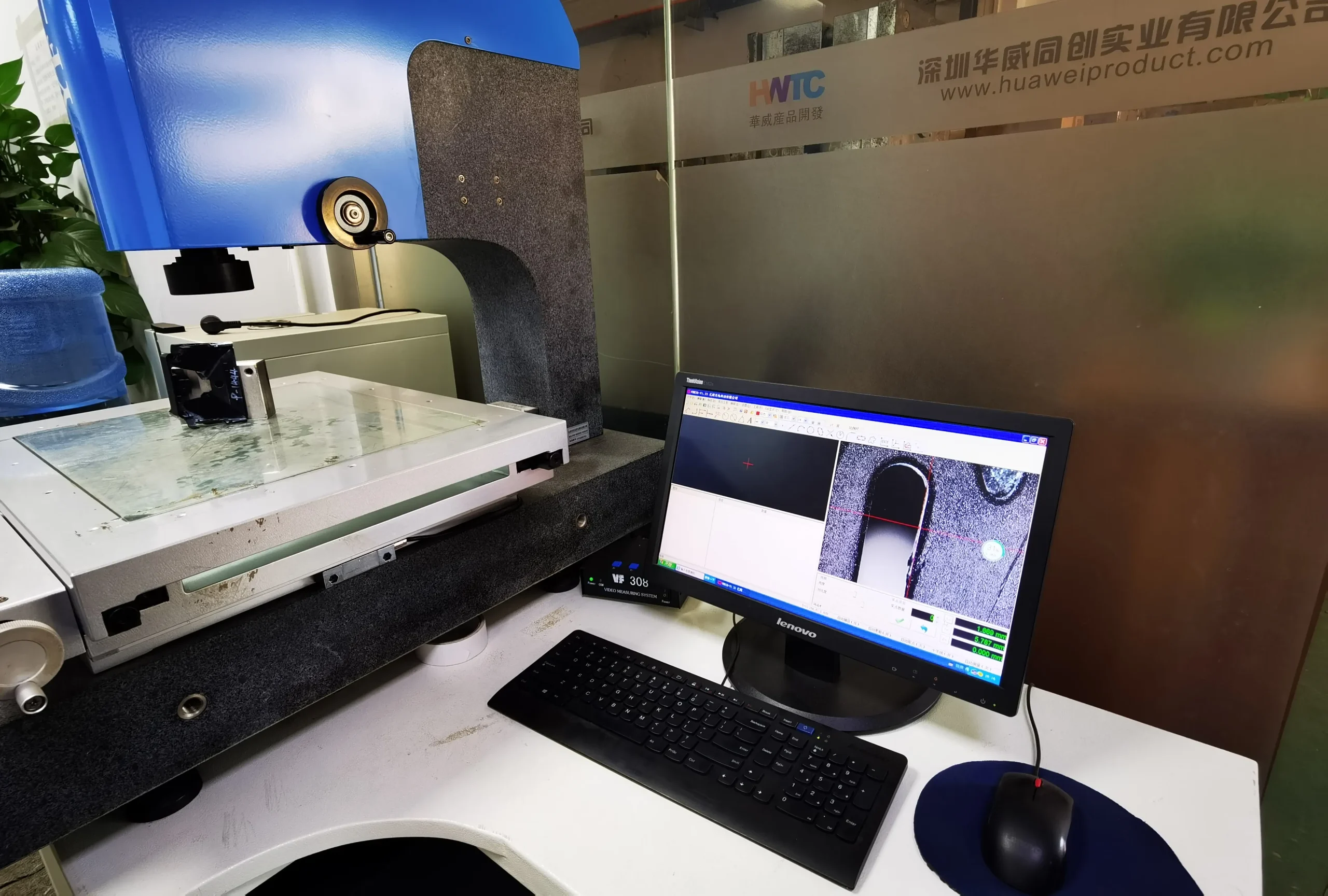
During the first mold trials, the engineering team should evaluate more than whether the cavity fills. Important checks include housing flatness, lens-window position, connector alignment, gasket groove dimensions, snap engagement, screw-boss condition, warp after conditioning, and cosmetic flow around visible surfaces. Rapid prototyping still has value at this stage for fixtures or alternative inserts, but the molded housing becomes the reference for production-like behavior.
The pilot parts can then be assembled with the same sensor module, lens or cover, gasket, fasteners, cables, and thermal hardware intended for field testing. Robot-level evaluation may include optical calibration, sealing tests, thermal soak, vibration, impact, and repeated service assembly. Any numerical result published as a customer outcome should come from approved project records rather than from a representative scenario.
How the Bridge Stage Reduces Launch Risk
The main benefit of bridge tooling is better information before scale. If field testing reveals a local sealing issue, optical misalignment, thermal shift, or assembly problem, the team can correct the housing and then transfer the learning into the final mold design. The eventual production tool begins with evidence from real molded parts instead of assumptions based only on additive prototypes.
This staged approach is especially suitable for robotics programs, where hardware generations change quickly and customer demand can ramp unevenly. It separates two decisions that are often confused: proving that the part is ready for production and deciding that the market is ready for high-volume tooling. The same bridge tool can support engineering builds, customer demonstrations, certification samples, and pilot fleets while the production plan matures.
Practical Takeaways for Similar Programs
Before starting a comparable robotics bridge-tooling program, the team should define what must be learned from the pilot mold. Typical questions include whether the optical stack stays aligned after thermal exposure, whether sealing compression is consistent, whether sensor calibration survives assembly variation, whether the housing can be serviced repeatedly, and which dimensions are most sensitive to shrinkage. A pilot tool is most valuable when it is linked to a written validation plan rather than used only to produce a small quantity of parts.
The production-tool decision can then be based on evidence. If the pilot geometry, resin, gate concept, and assembly method remain stable through field trials, those lessons transfer directly into the hardened tool. If they do not, the company can revise the design while the financial exposure is still controlled. That is the central advantage of bridge tooling for fast-moving robotics hardware.
Conclusion
A LiDAR enclosure is a strong candidate for low-volume bridge tooling when optical alignment, sealing, thermal behavior, and field durability must be proven before full production investment. The method replaces the false choice between 3D printing and a hardened production mold with a controlled intermediate step. For publication, HWPD should pair this case structure with verified project quantities, material grades, dimensional reports, and test results. Once those records are confirmed, the case can demonstrate how robotics hardware moves from prototype geometry to evidence-based production tooling.