






A product can look excellent in a rendering and still become expensive, slow, or unreliable to manufacture. Many production problems are not created on the factory floor; they are created months earlier when product architecture, wall thickness, surface requirements, assembly features, and material choices are defined. That is why effective industrial design must balance user experience with engineering reality from the beginning. The goal is not to make every product simple. The goal is to make each piece of complexity intentional, so appearance and function are achieved without creating avoidable tooling or production risk.

1. Decide the Likely Manufacturing Process Early
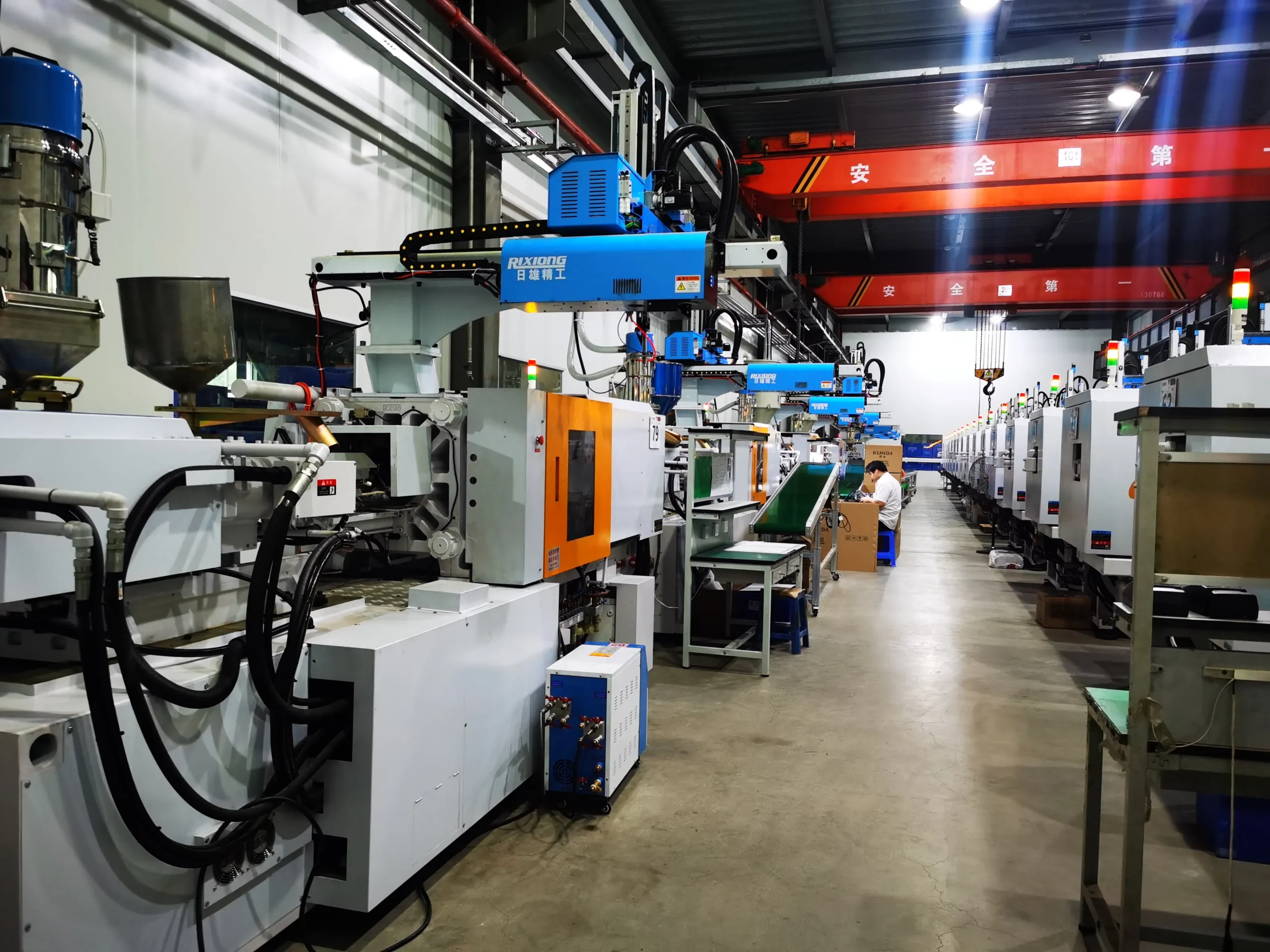
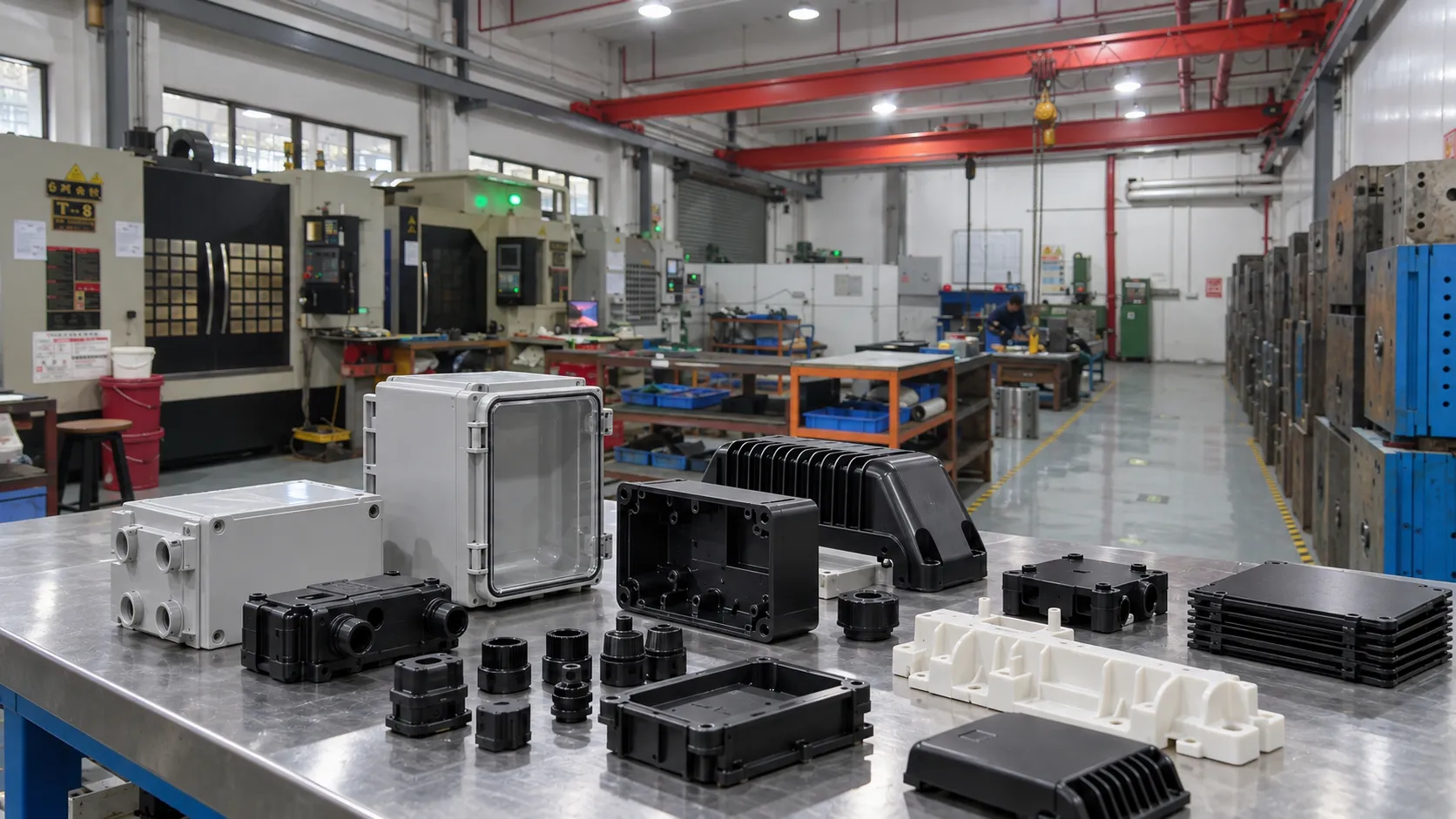
Industrial designers do not need to finalize every manufacturing detail during concept sketching, but they should understand the likely production route. A housing intended for injection molding should not be shaped as though it will always be 3D printed or machined from solid stock. The expected process influences wall thickness, draft, parting strategy, corner radii, surface transitions, and allowable undercuts. In an end-to-end product development workflow, design and manufacturing teams can compare several concepts before one geometry becomes expensive to change. Even a broad early decision such as “two-piece molded enclosure with cosmetic front surface” gives the design team useful boundaries without restricting creativity.
2. Control Product Architecture Before Detail Design
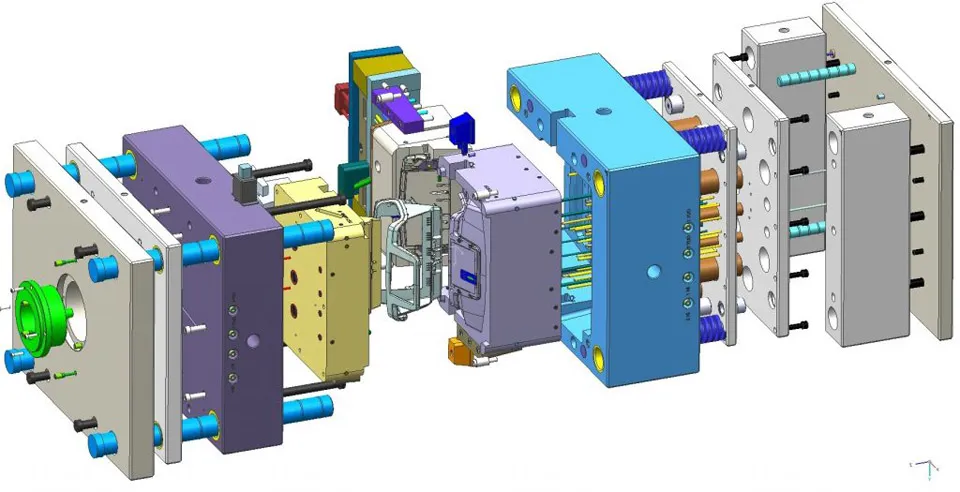
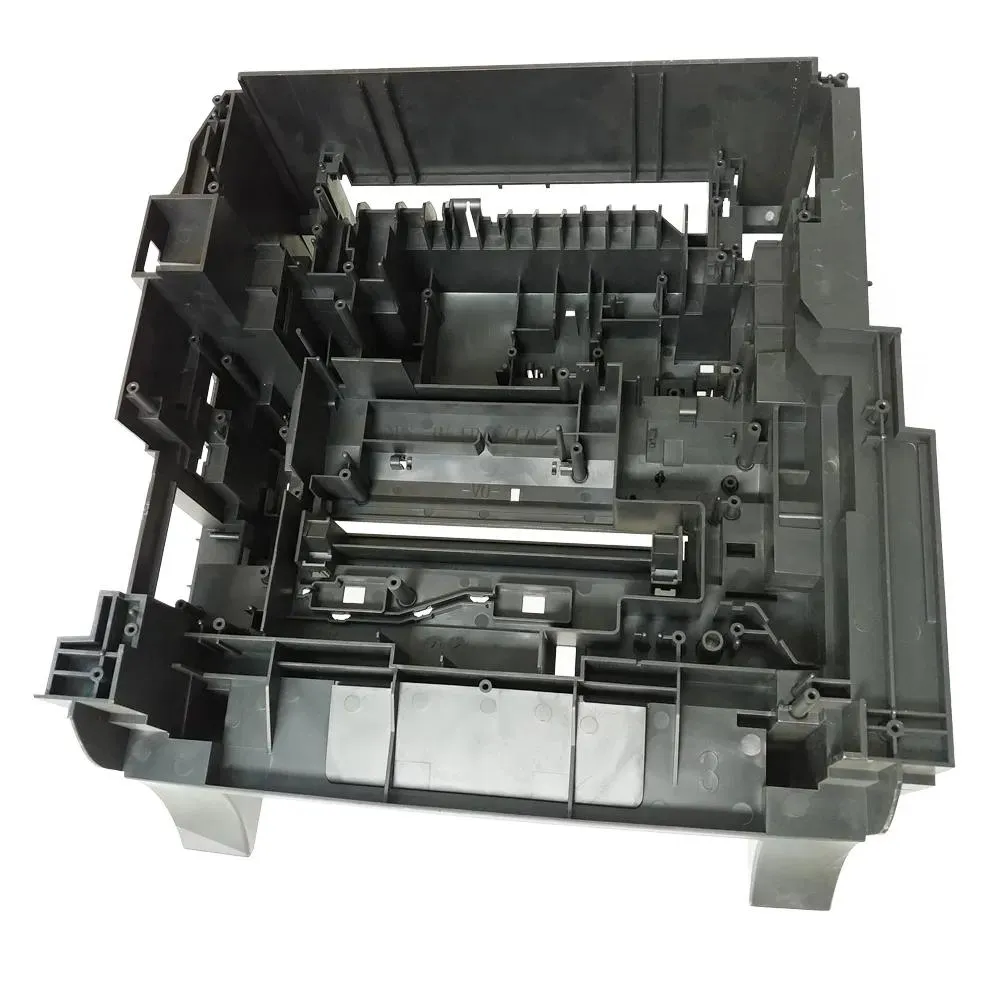
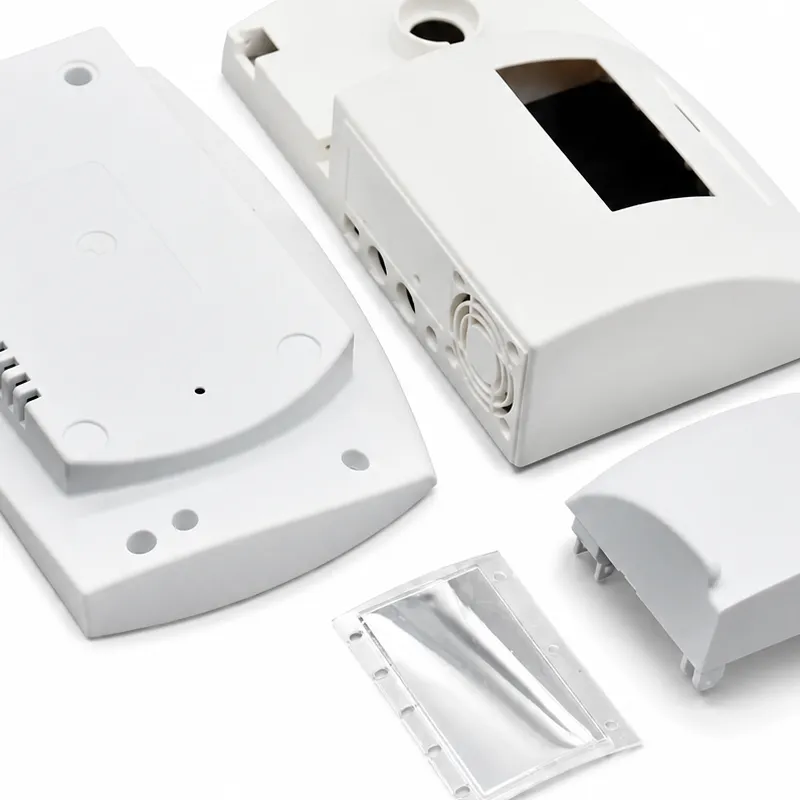
A surprisingly large portion of tooling cost comes from how the product is divided into parts. A single complicated shell may require multiple sliders, deep cores, difficult polishing, and awkward ejection. Splitting the product into two or three intelligently designed components may simplify tooling and assembly while preserving the same external appearance. Designers should review where seams can be hidden, which features need access, where electronics will be installed, and whether service or repair is required. Product architecture also affects fasteners, snap fits, gasket paths, cable routing, and tolerance accumulation. These decisions are much easier to solve before detailed surfacing is complete.
3. Use Structure Instead of Unnecessary Material
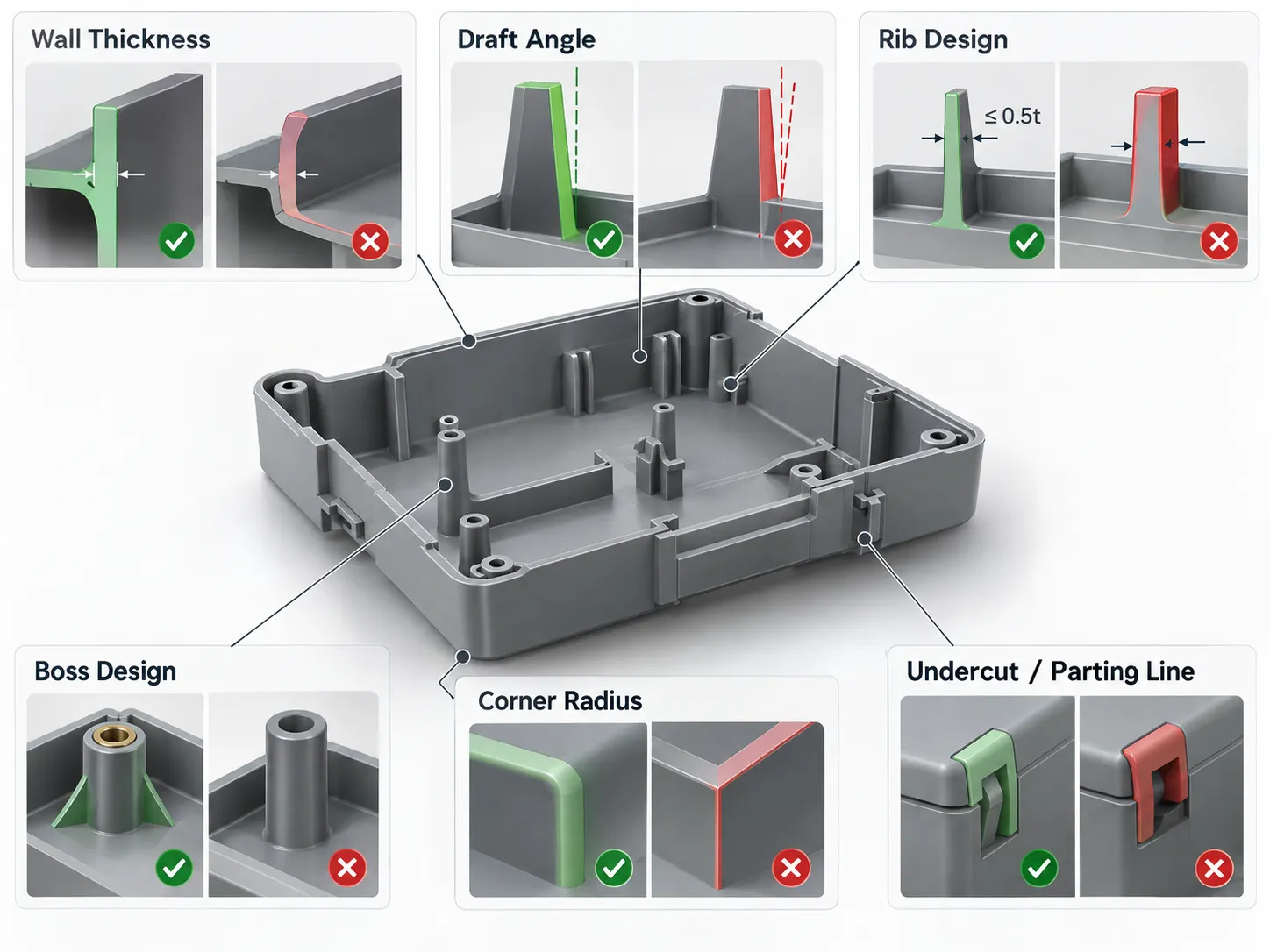
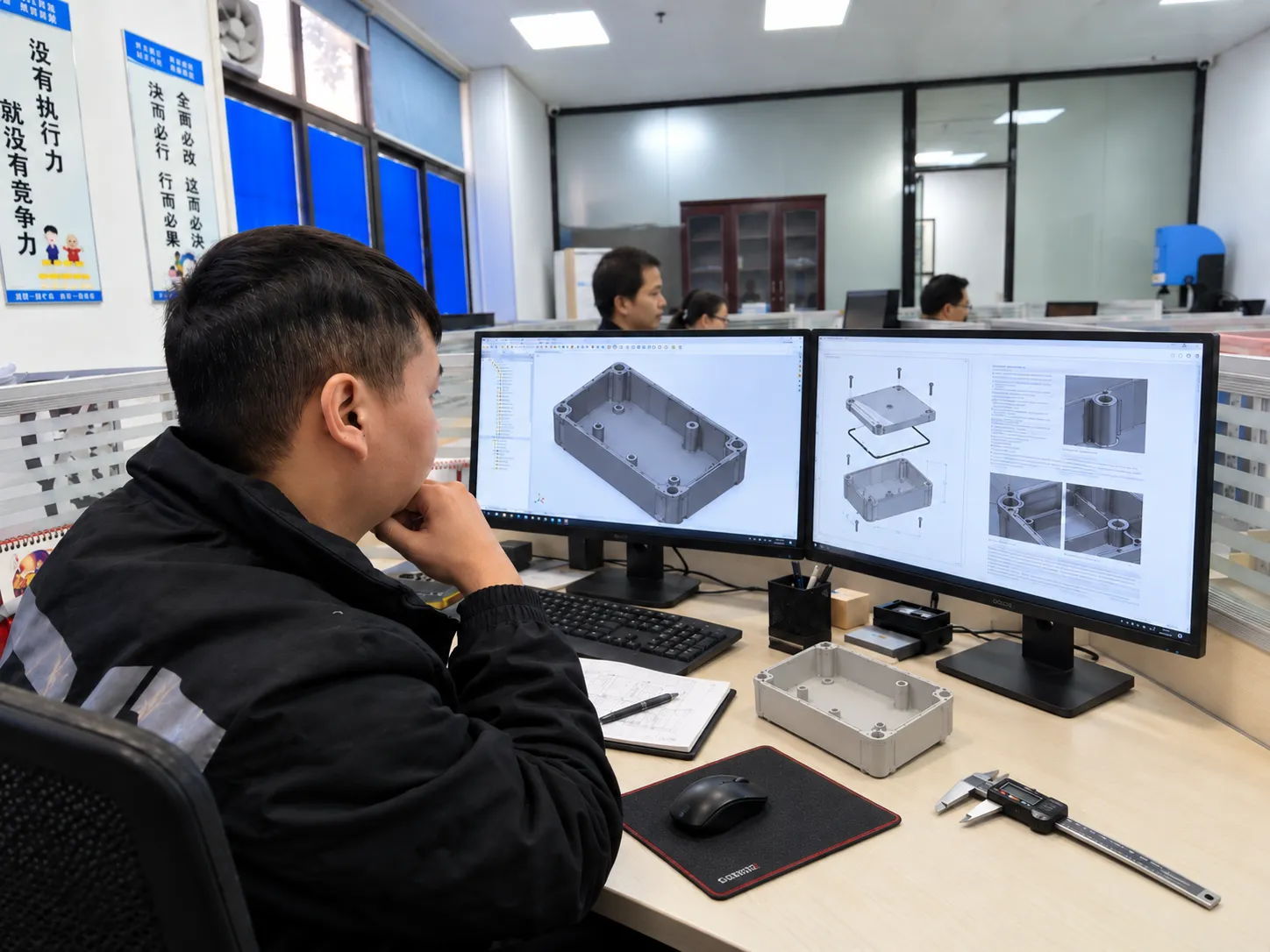
Thicker plastic does not automatically create a better product. In molded parts, excessive local thickness can increase cooling time and contribute to sink marks, internal stress, or visible distortion. Ribs, gussets, curved surfaces, and carefully placed bosses can often create stiffness more efficiently than simply adding material. This is where early DFM analysis becomes valuable. Engineers can review nominal walls, transitions, rib proportions, boss support, and likely shrinkage while the industrial designer still has freedom to refine the shape. The result can be a lighter product with better appearance and more predictable production behavior.

4. Design Draft and Parting Lines Into the Aesthetic
Draft angles and parting lines are often treated as manufacturing details to be added later. That approach can damage an otherwise refined design. A late-added draft may change a critical silhouette, while a poorly located parting line can appear across a visible surface. It is better to include mold opening direction during surface development and intentionally place parting lines along natural edges, shadow lines, or transitions. The same thinking applies to undercuts. Some are essential for function, but others exist only because the design was created without considering how the mold must open. Removing one unnecessary side action can reduce tool complexity and future maintenance.
5. Make CMF Choices That Match the Process
Color, material, and finish influence both brand perception and manufacturing. A deep gloss surface may require a highly polished mold and tighter control of flow marks and sink. Heavy texture can demand additional draft. Soft-touch effects may require overmolding, coating, or secondary finishing. Metallic-looking surfaces may rely on paint, plating, film decoration, or a molded effect, each with different geometry and cost implications. CMF should therefore be reviewed together with material, tooling, production volume, and expected wear rather than selected only from a mood board.
6. Design the Product for Assembly, Not Just Molding
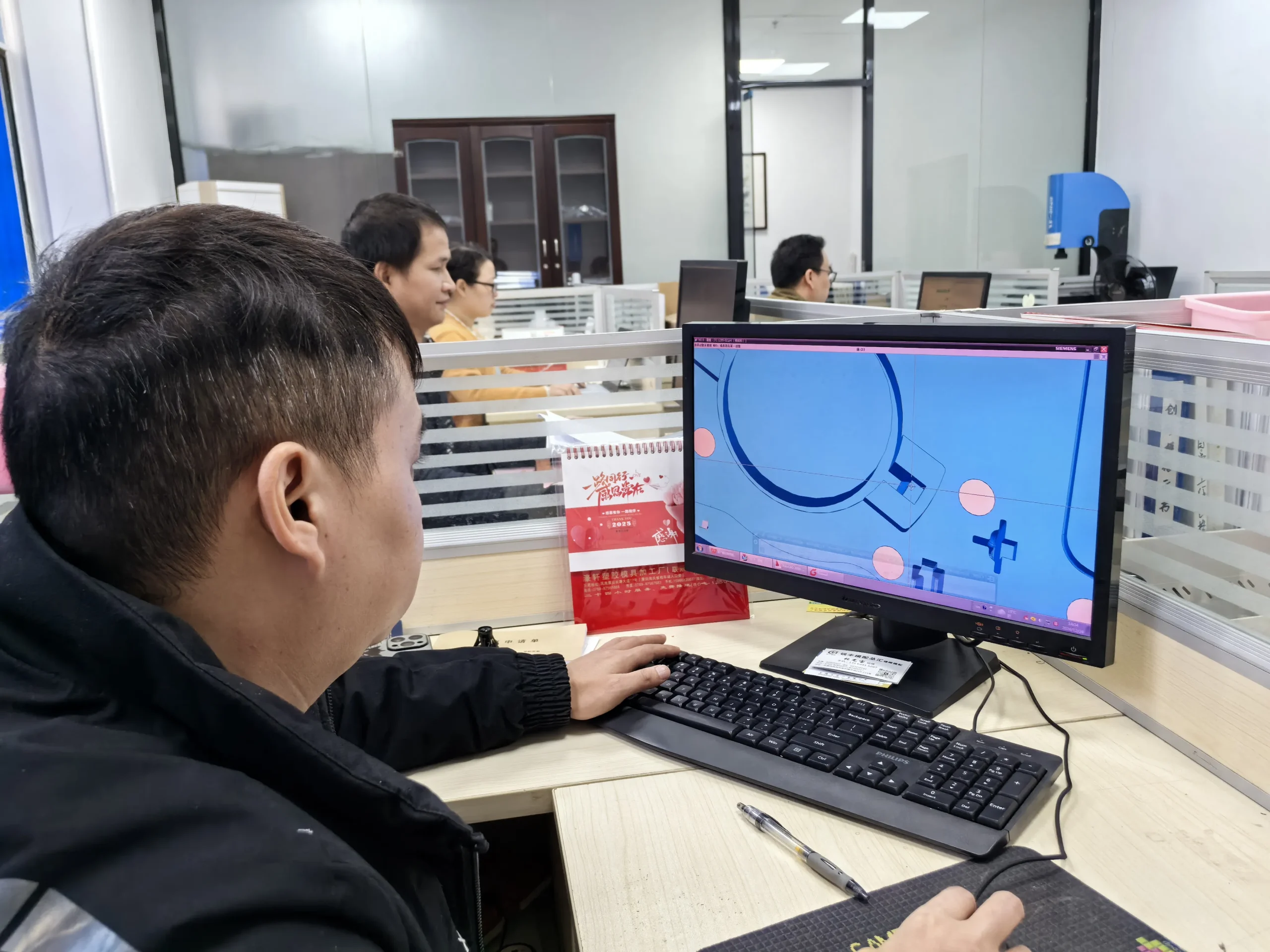
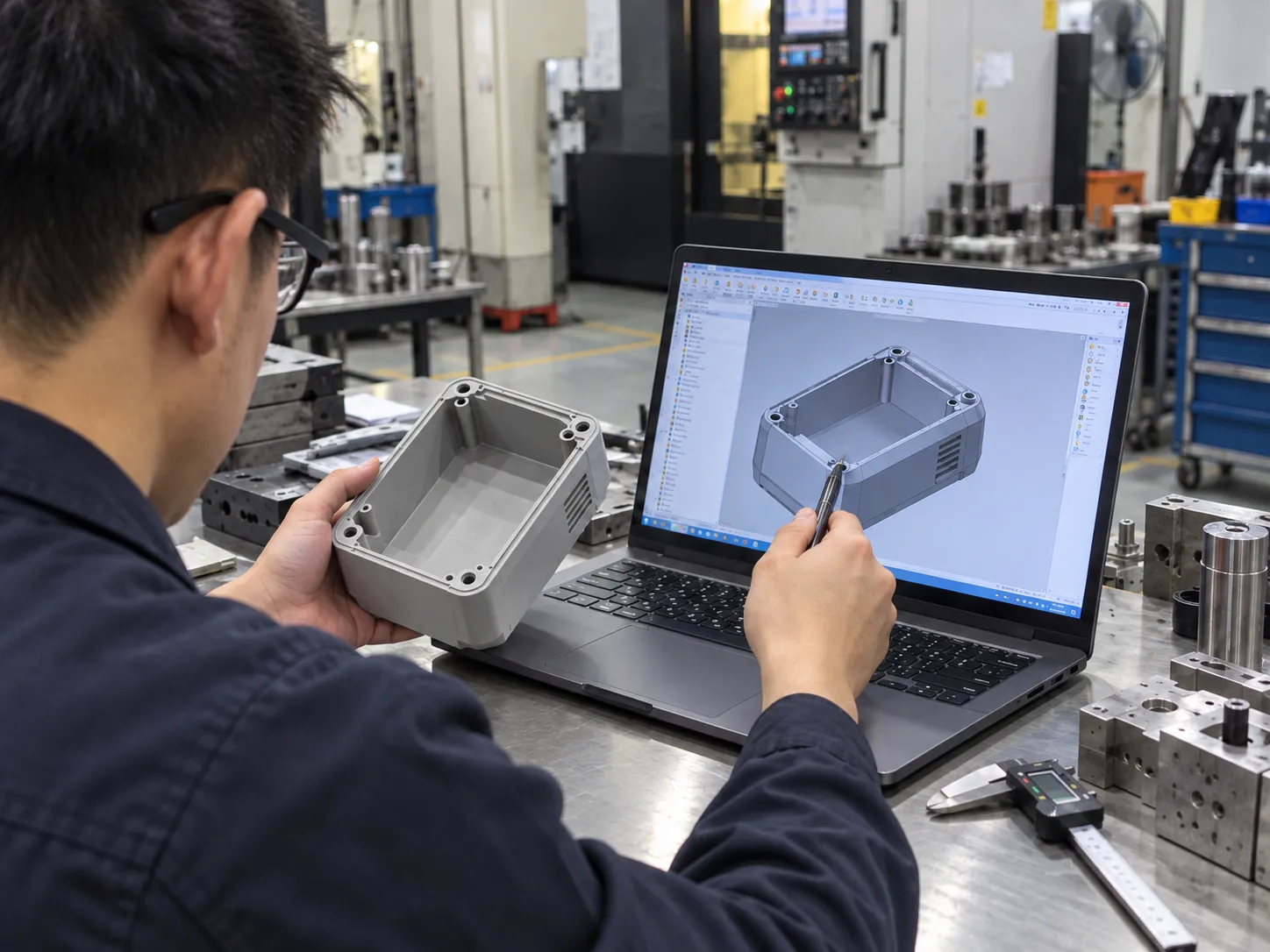
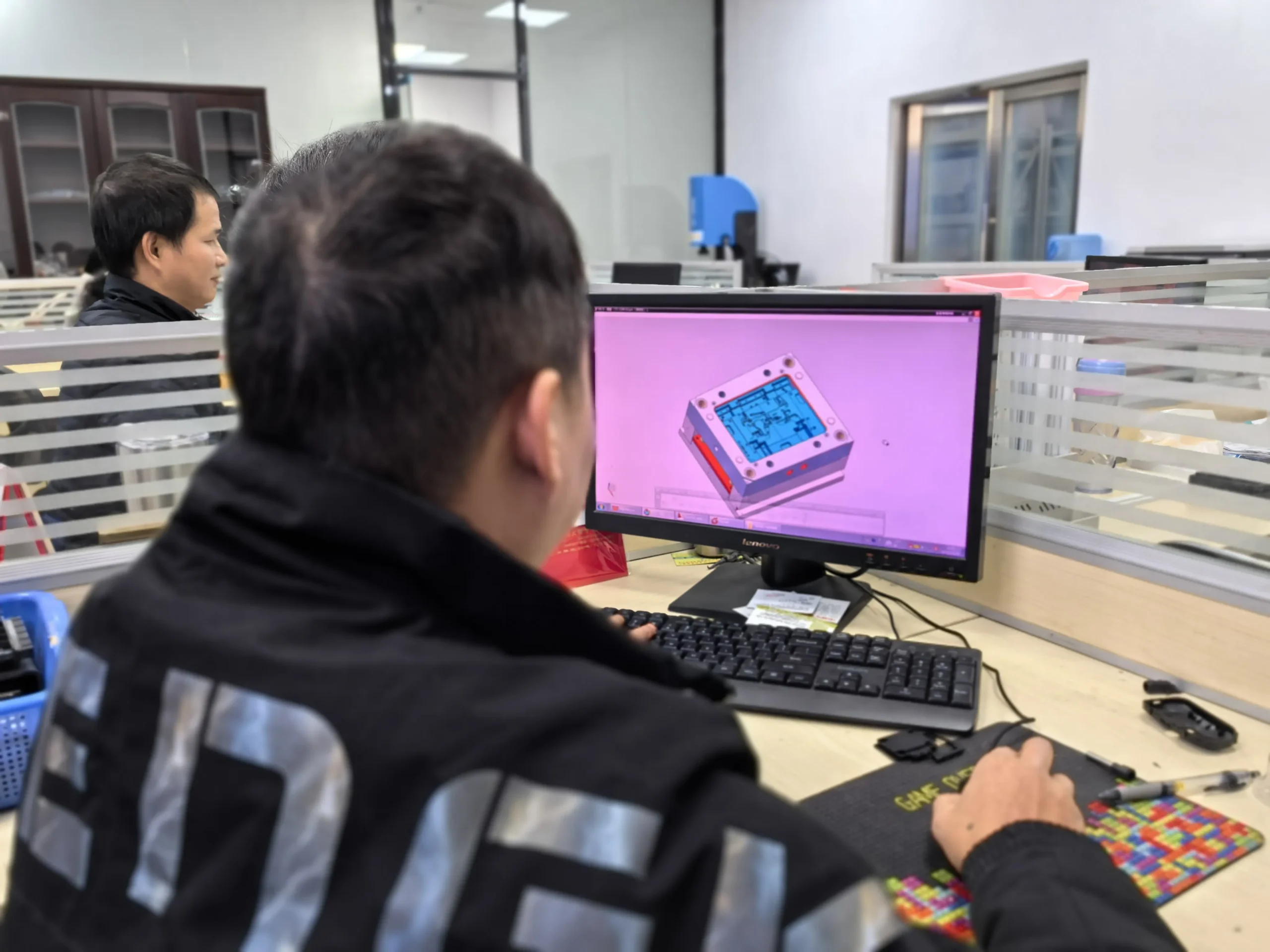
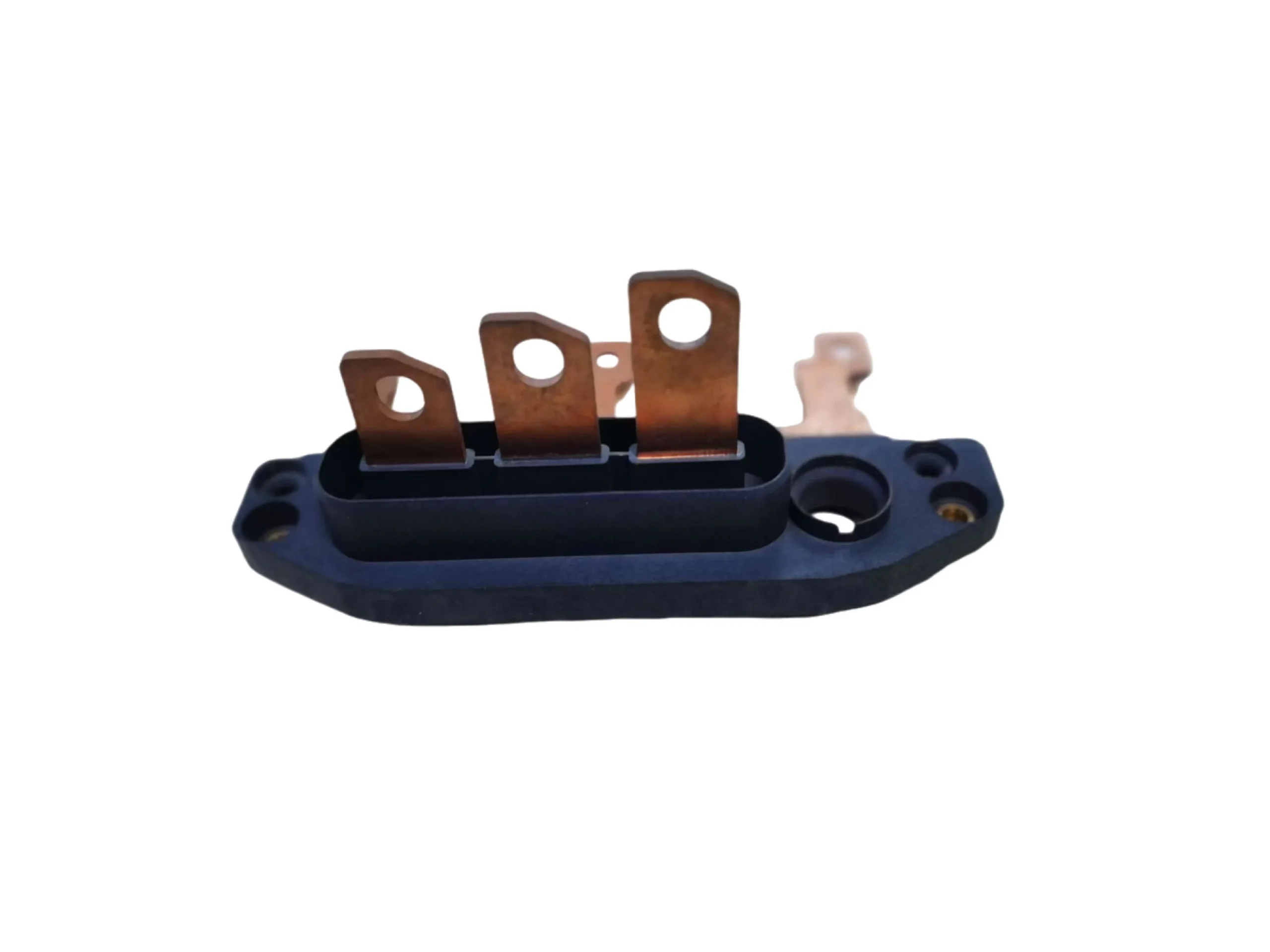
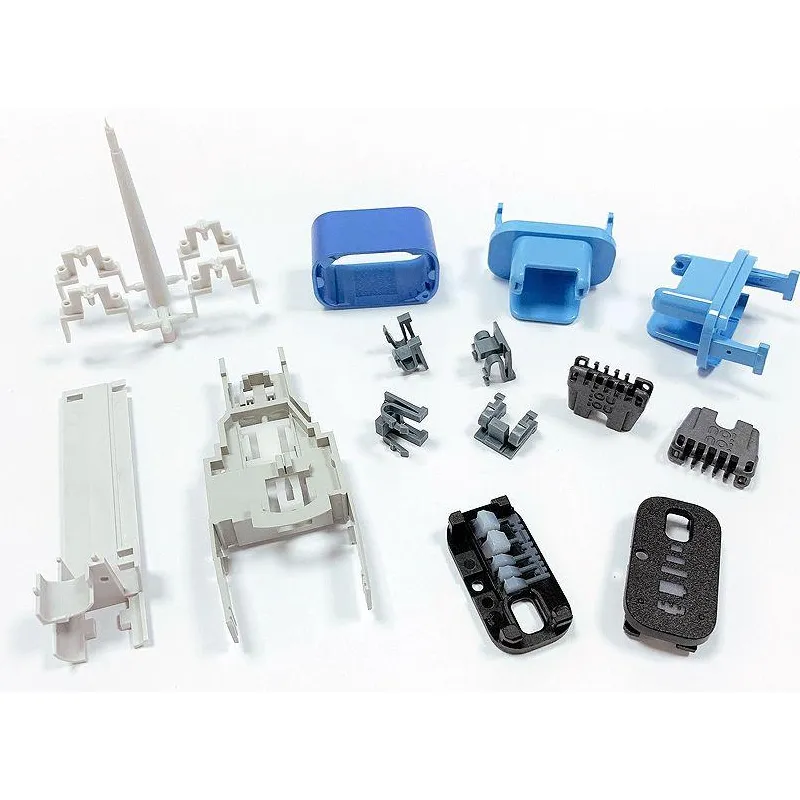
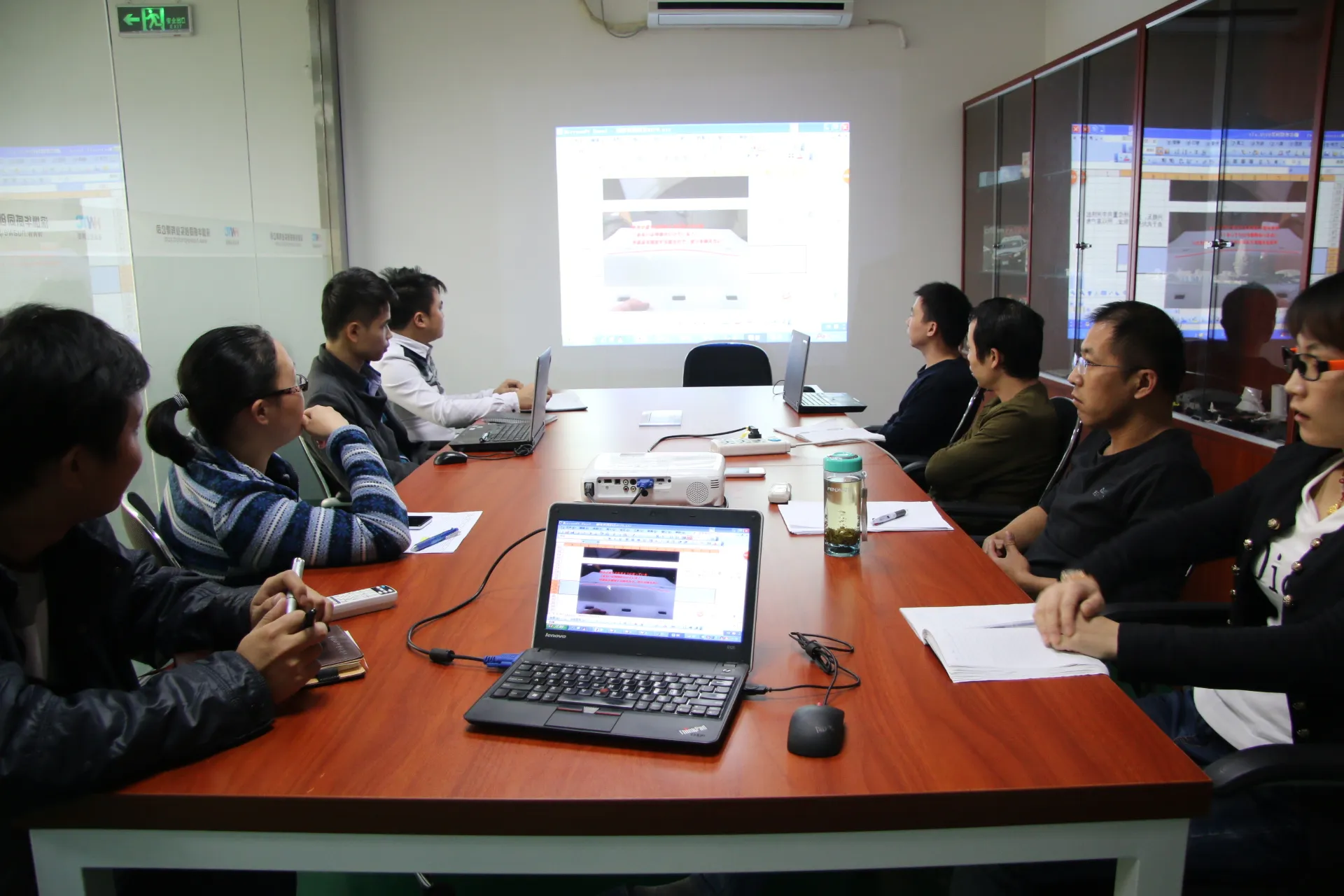
A well-molded component can still create an expensive product if assembly is difficult. Industrial designers should consider tool access, screw direction, connector visibility, insertion sequence, poka-yoke features, cable clearance, and the number of separate operations required. Snap fits may eliminate hardware, but they must be designed for material strain and realistic molding conditions. Locating features can reduce operator adjustment. A consistent fastening strategy can simplify both assembly and service. When design, tooling, and assembly engineers review the same CAD model, production issues can be removed before fixtures and work instructions are developed.

7. Prototype to Answer Specific Questions
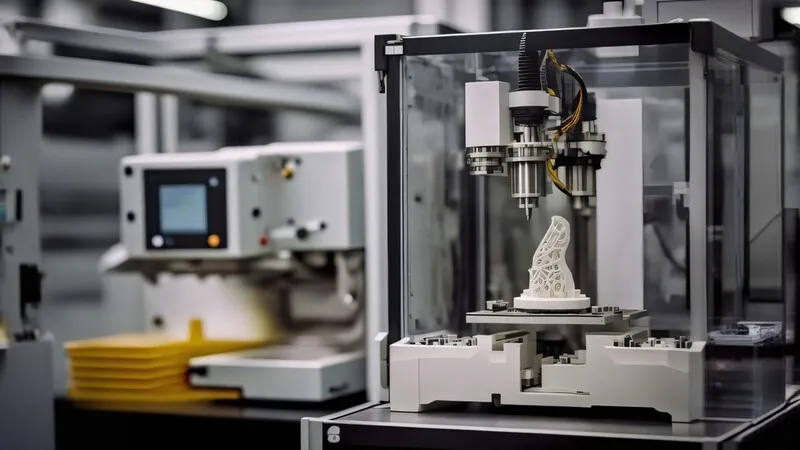
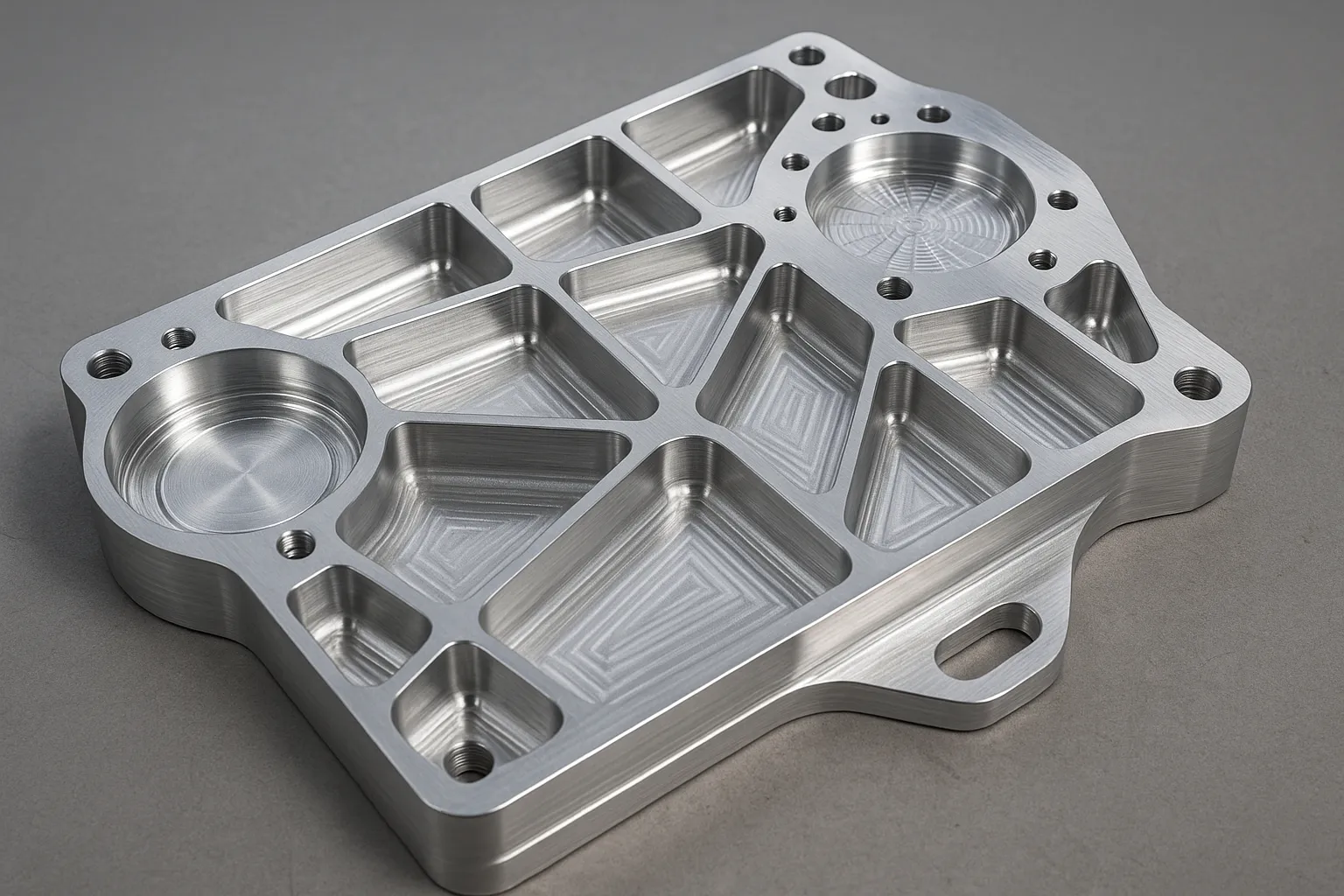
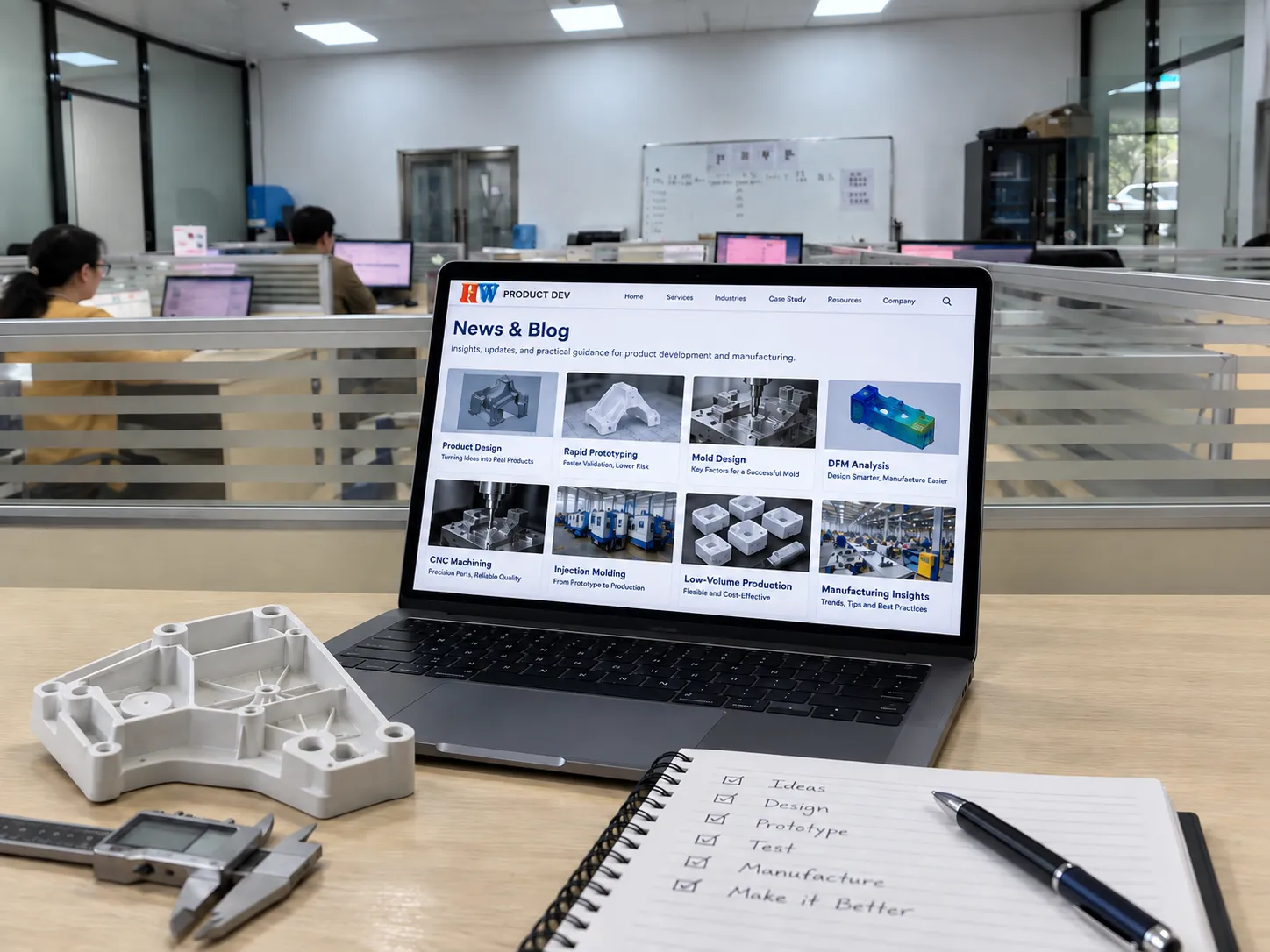
Prototypes are most useful when each build has a defined purpose. An early appearance model may test size and ergonomics. A CNC prototype may check precision interfaces. A later functional build may validate snap fits, sealing, load paths, or assembly sequence. HWPD’s rapid prototyping services can support these validation stages before production tooling is released. The key is to avoid treating a good-looking prototype as proof that the design is ready for molding. Prototype feedback should feed back into CAD, and the final design should receive a manufacturing review before mold manufacturing begins.
Industrial Design for Manufacturing: Final Recommendations
The strongest industrial designs are not compromised by manufacturing; they use manufacturing knowledge to make better design decisions. Process awareness, intelligent part architecture, efficient structure, planned parting lines, realistic CMF choices, assembly thinking, and purposeful prototyping all reduce uncertainty before tooling. This approach protects the visual and user experience goals of the product while giving engineers a design that can be built repeatedly. When industrial design and manufacturing engineering work together from the first concept, teams spend less time fixing avoidable problems and more time improving the features customers actually notice.