


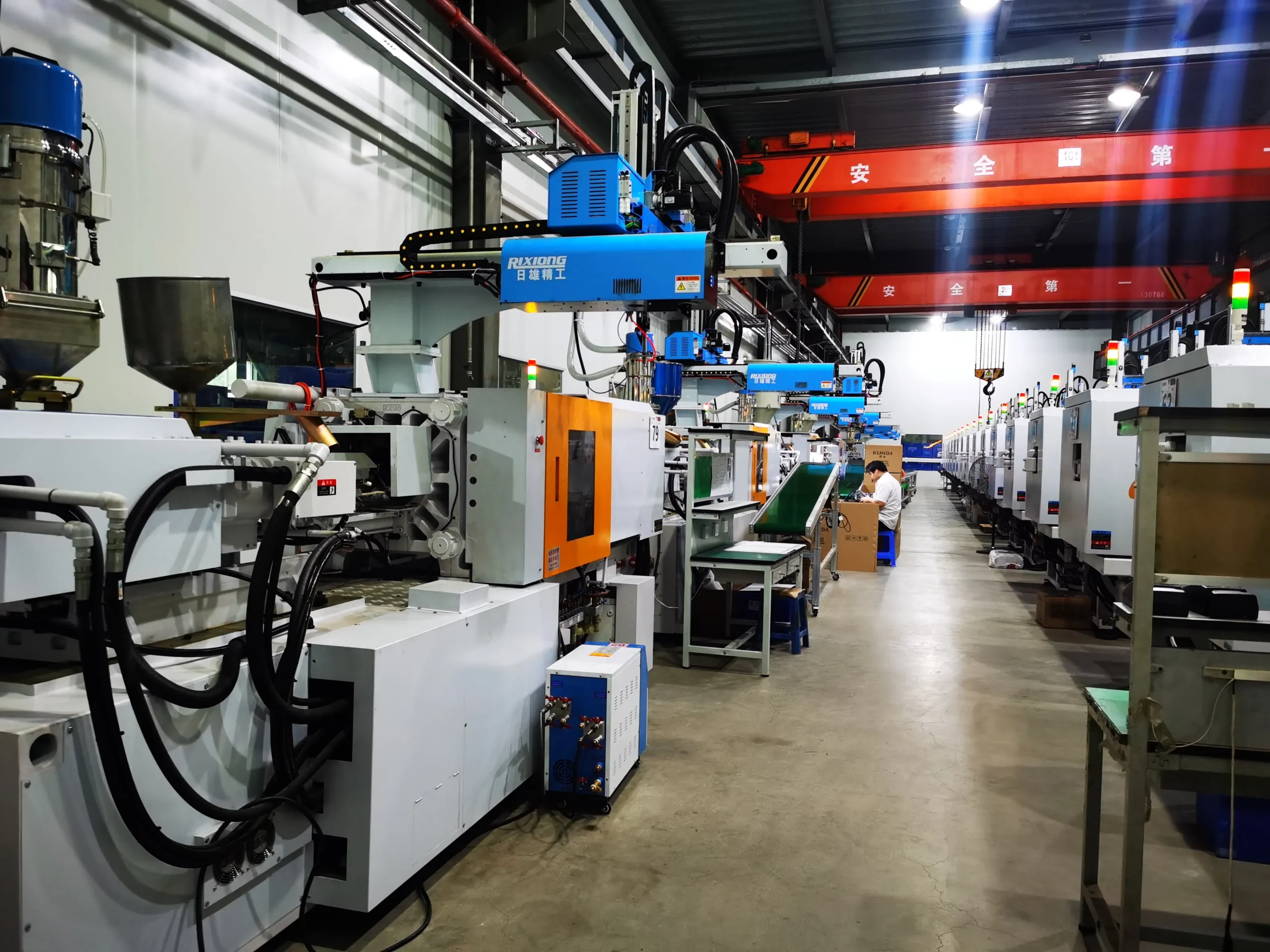


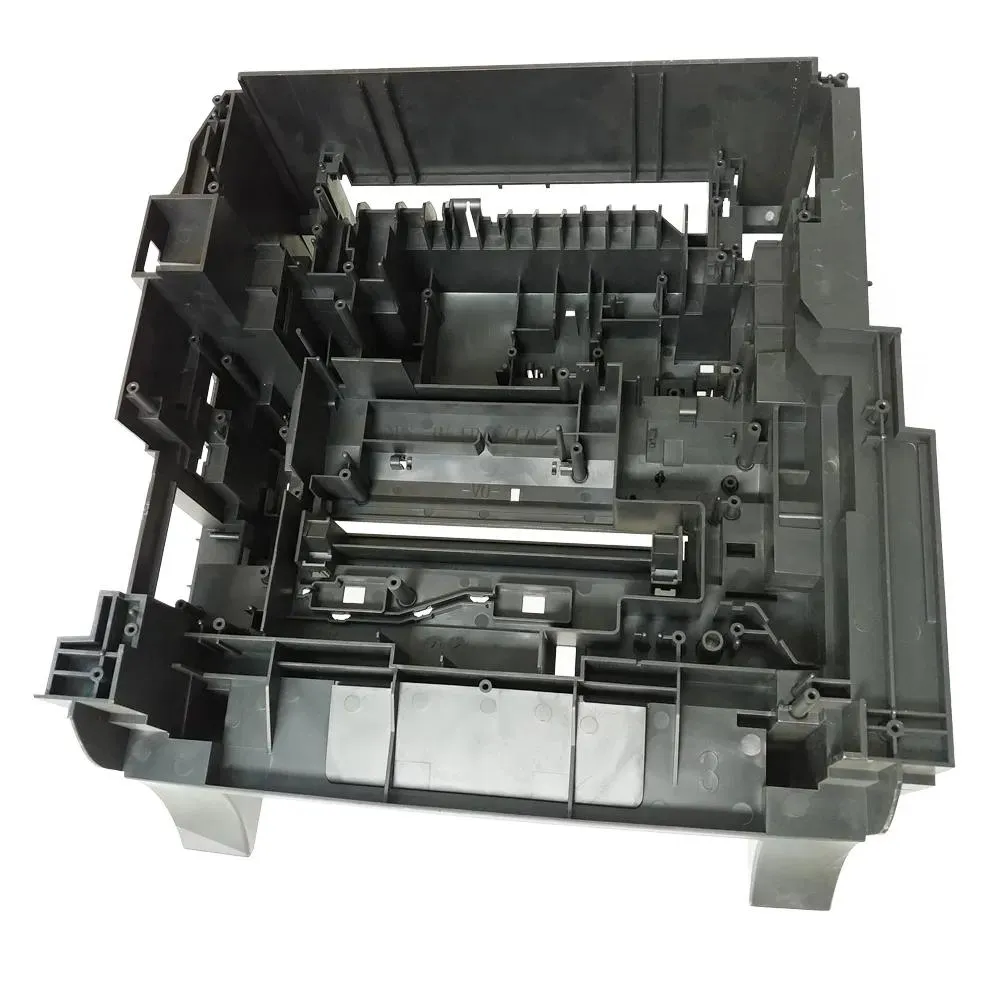
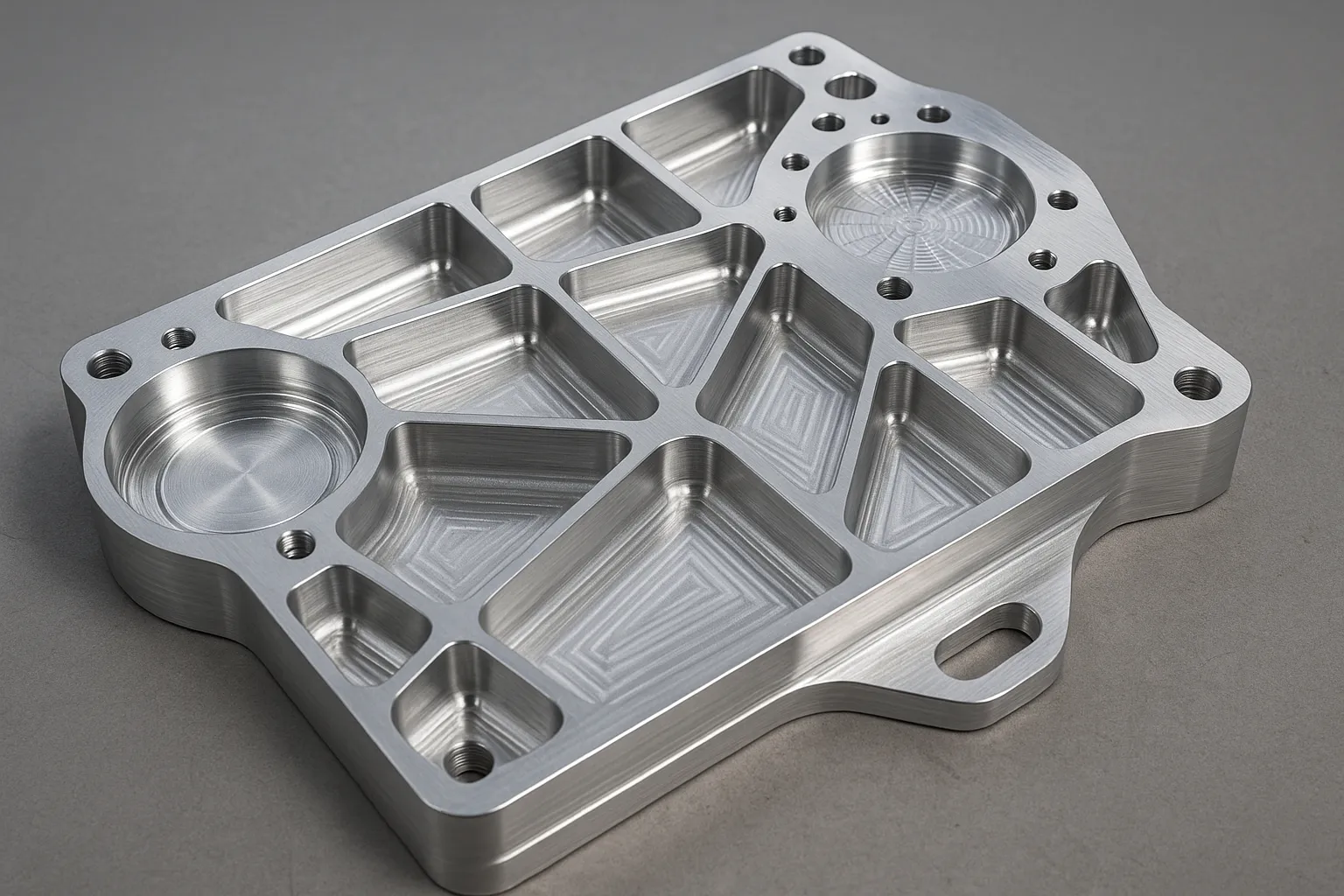
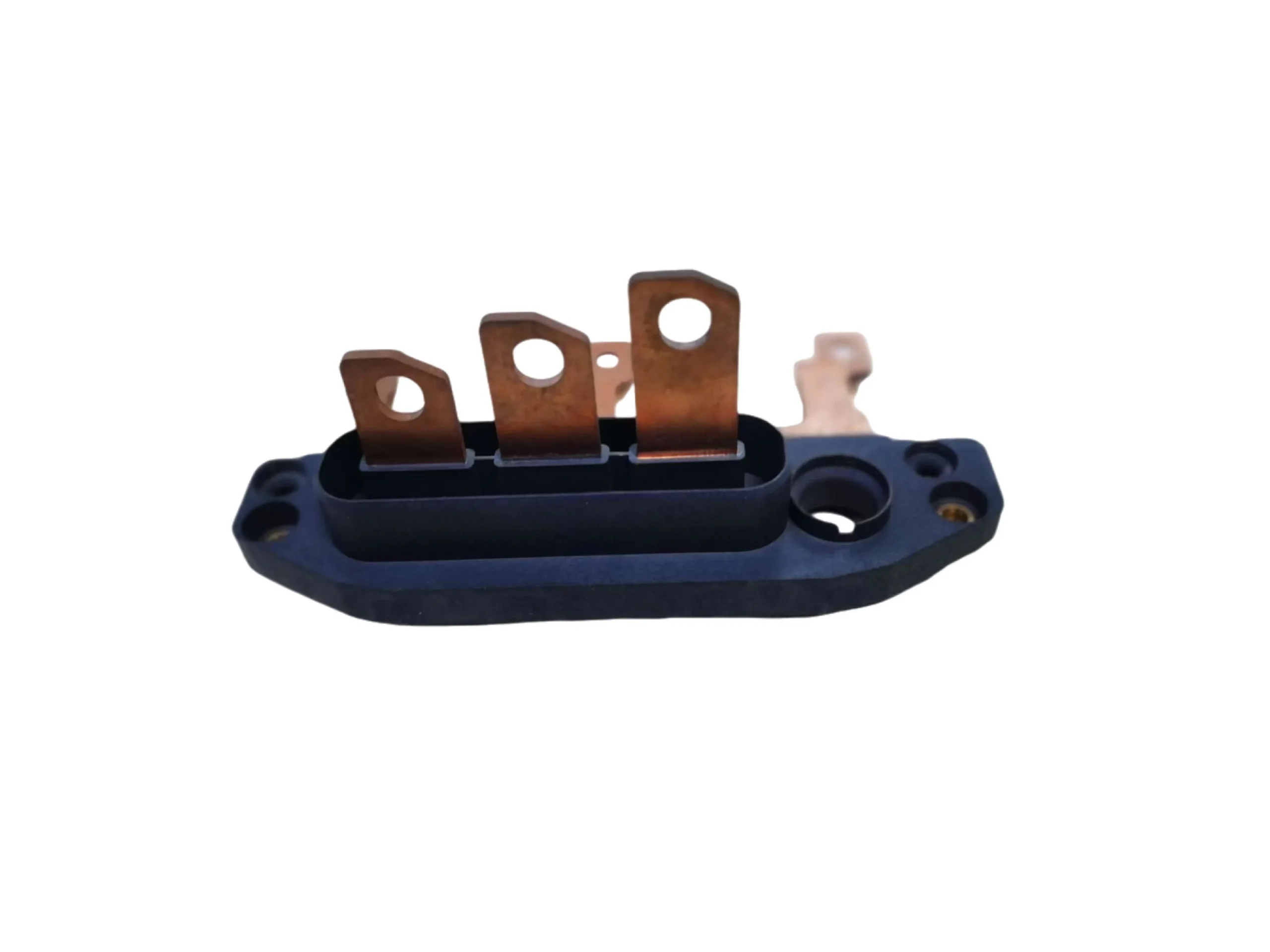
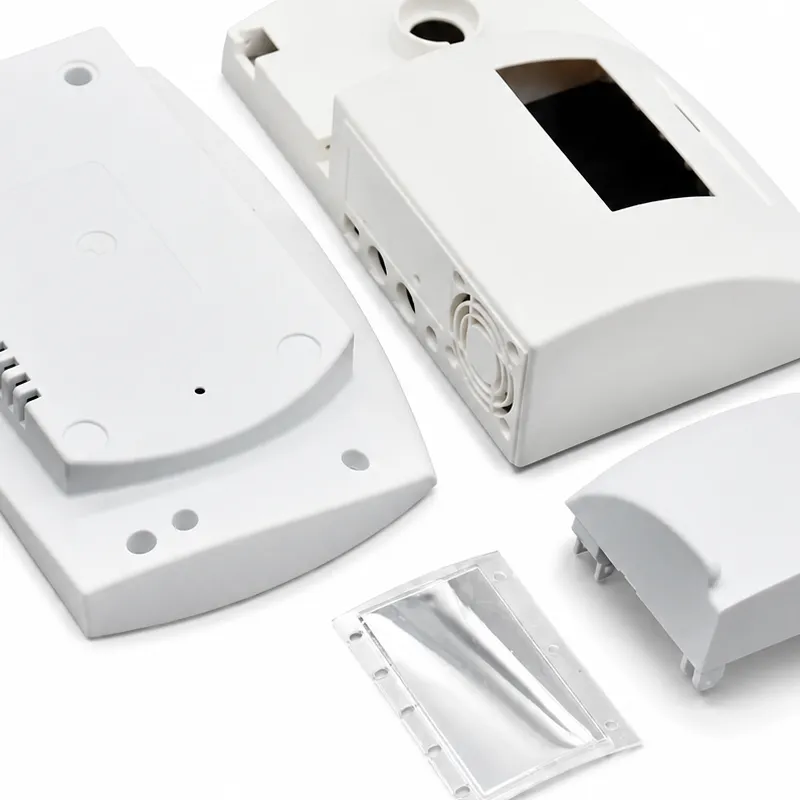
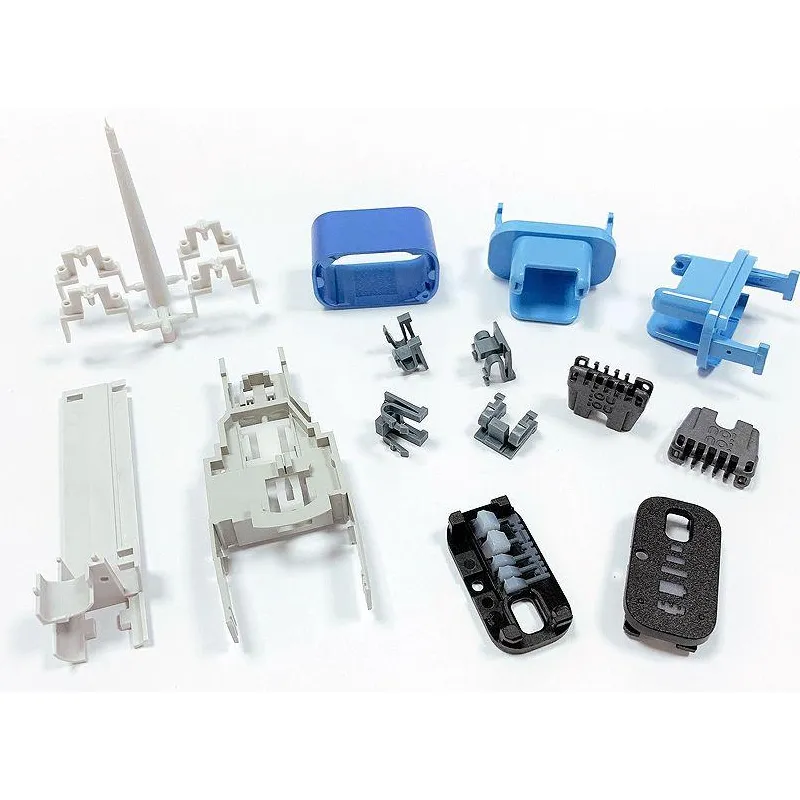
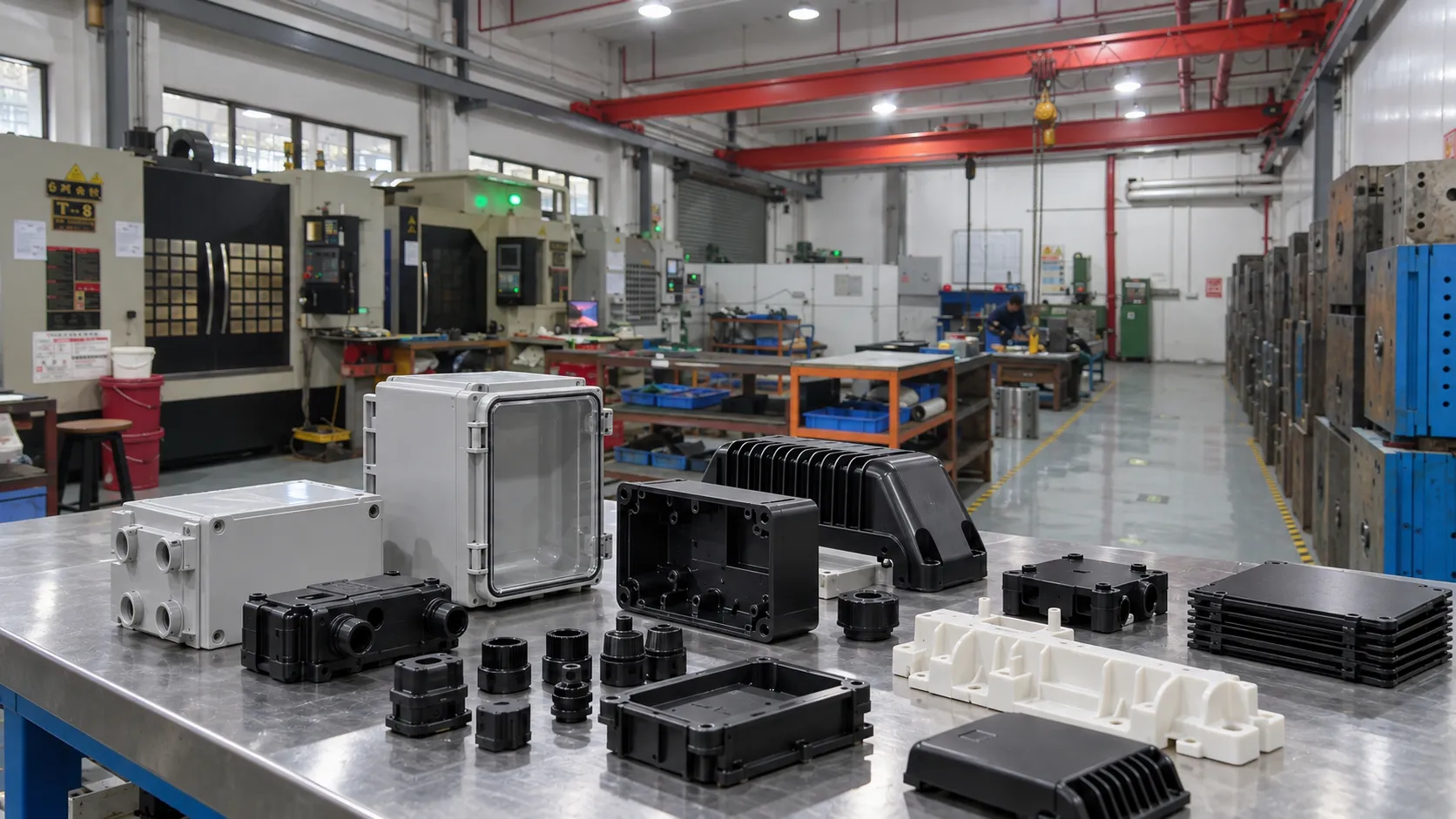
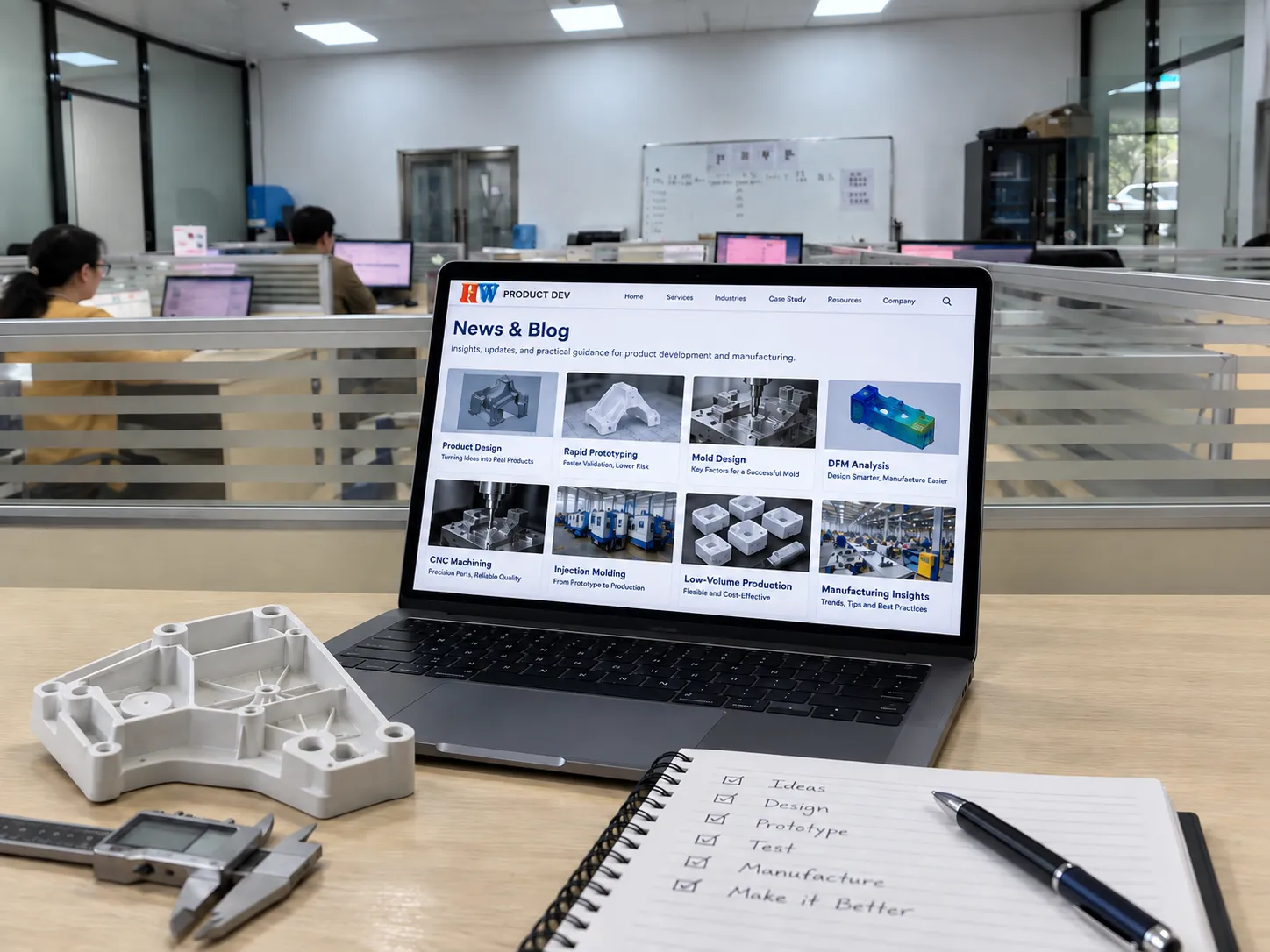


Consumer products compete on shelf appeal, usability, and speed. A kitchen storage brand approached HWPD with twelve product concepts and a demanding retail launch date. The program required six colorways, food-grade polypropylene, consistent fit between lids and containers, and retail packaging that could survive distribution. From the first design review to finished goods, the project reached production in 18 weeks.
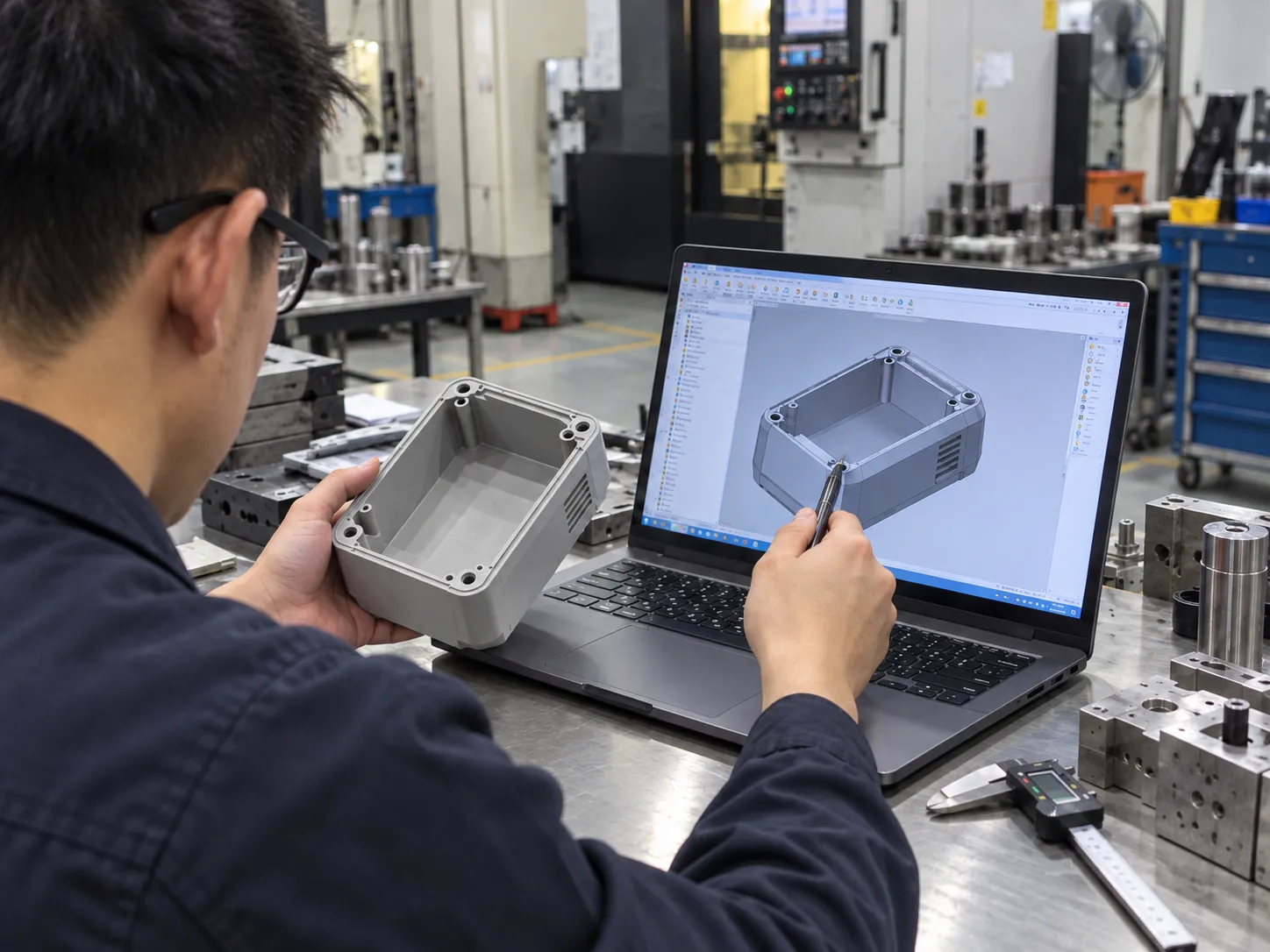
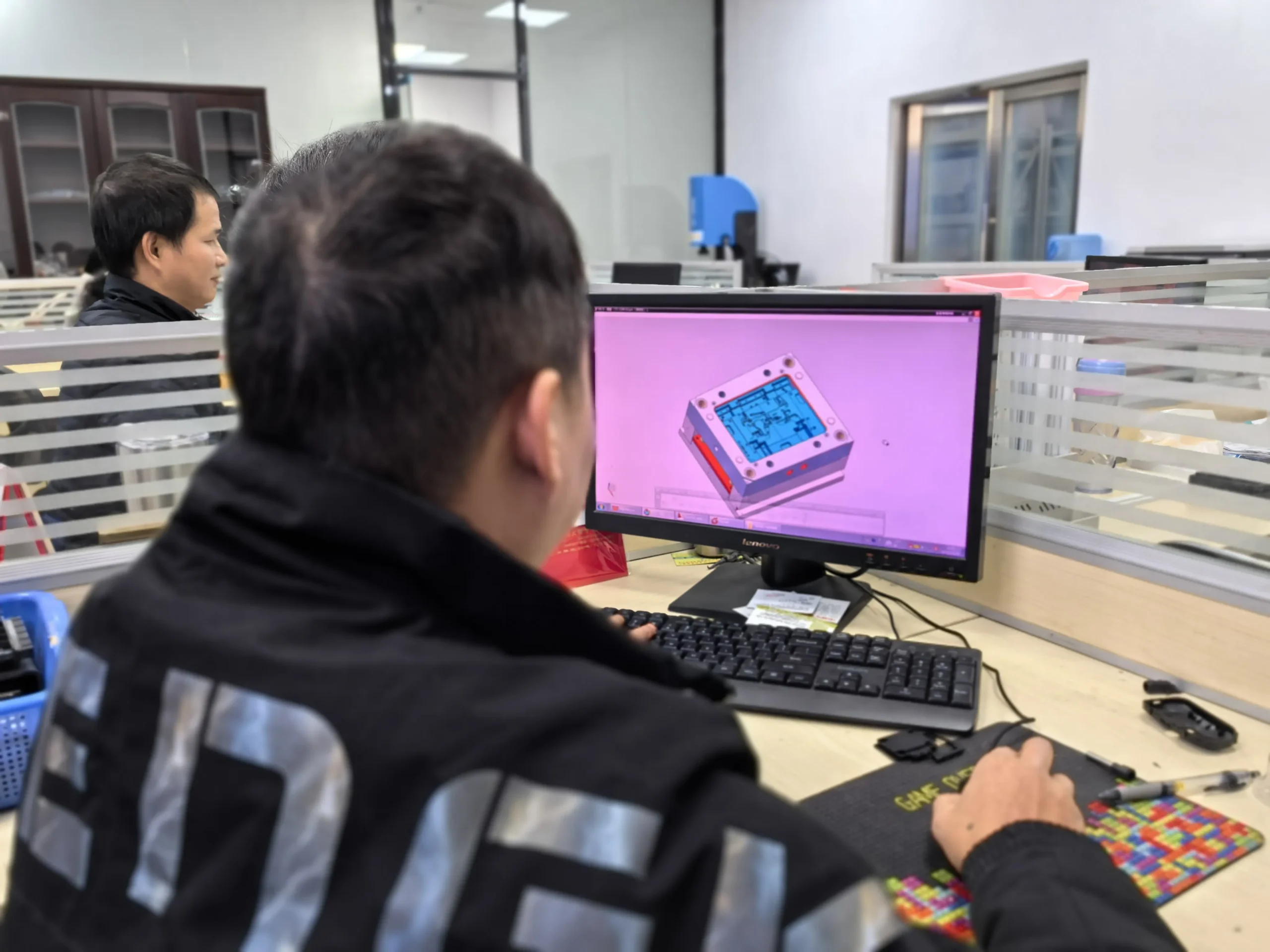
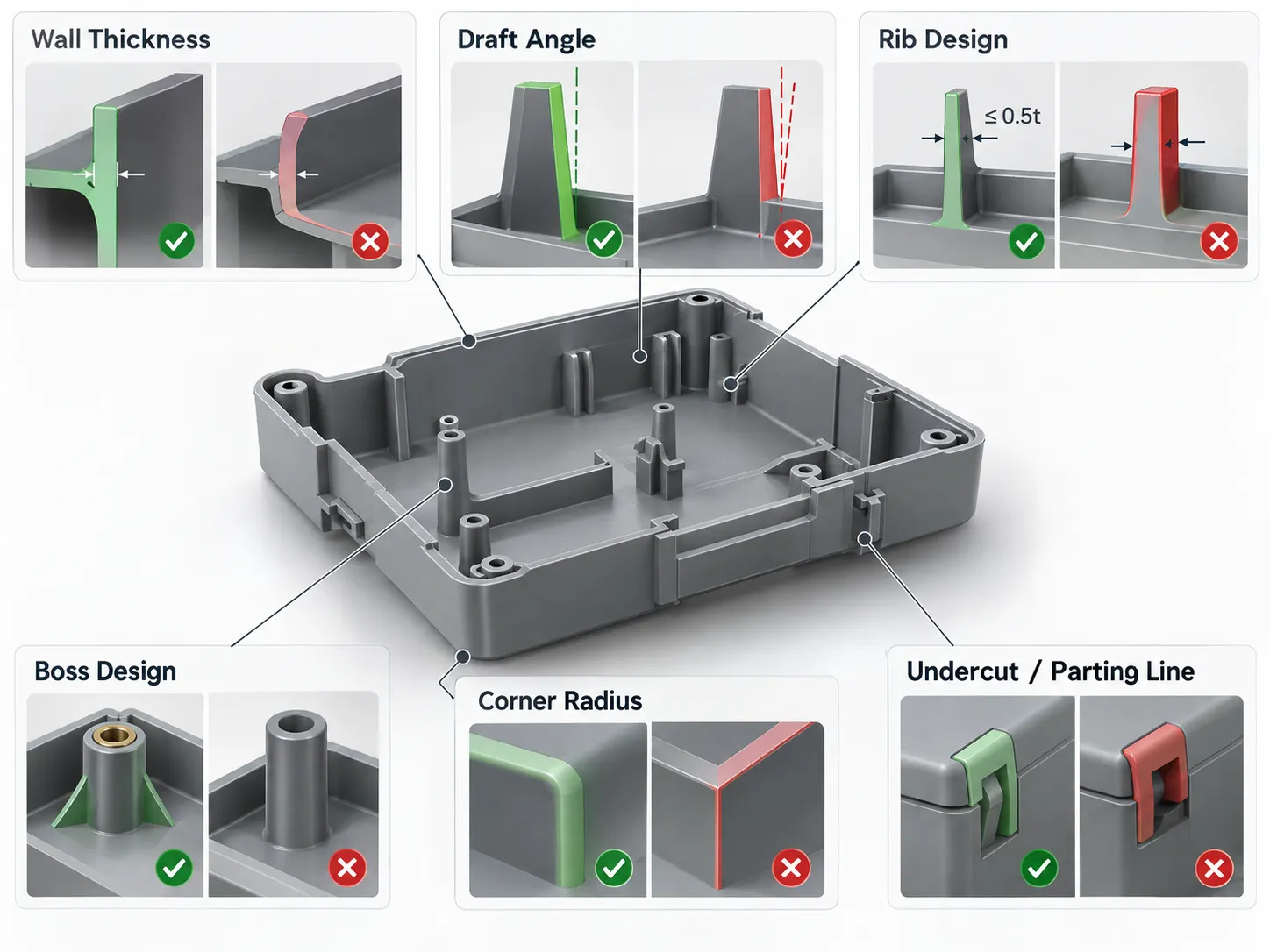
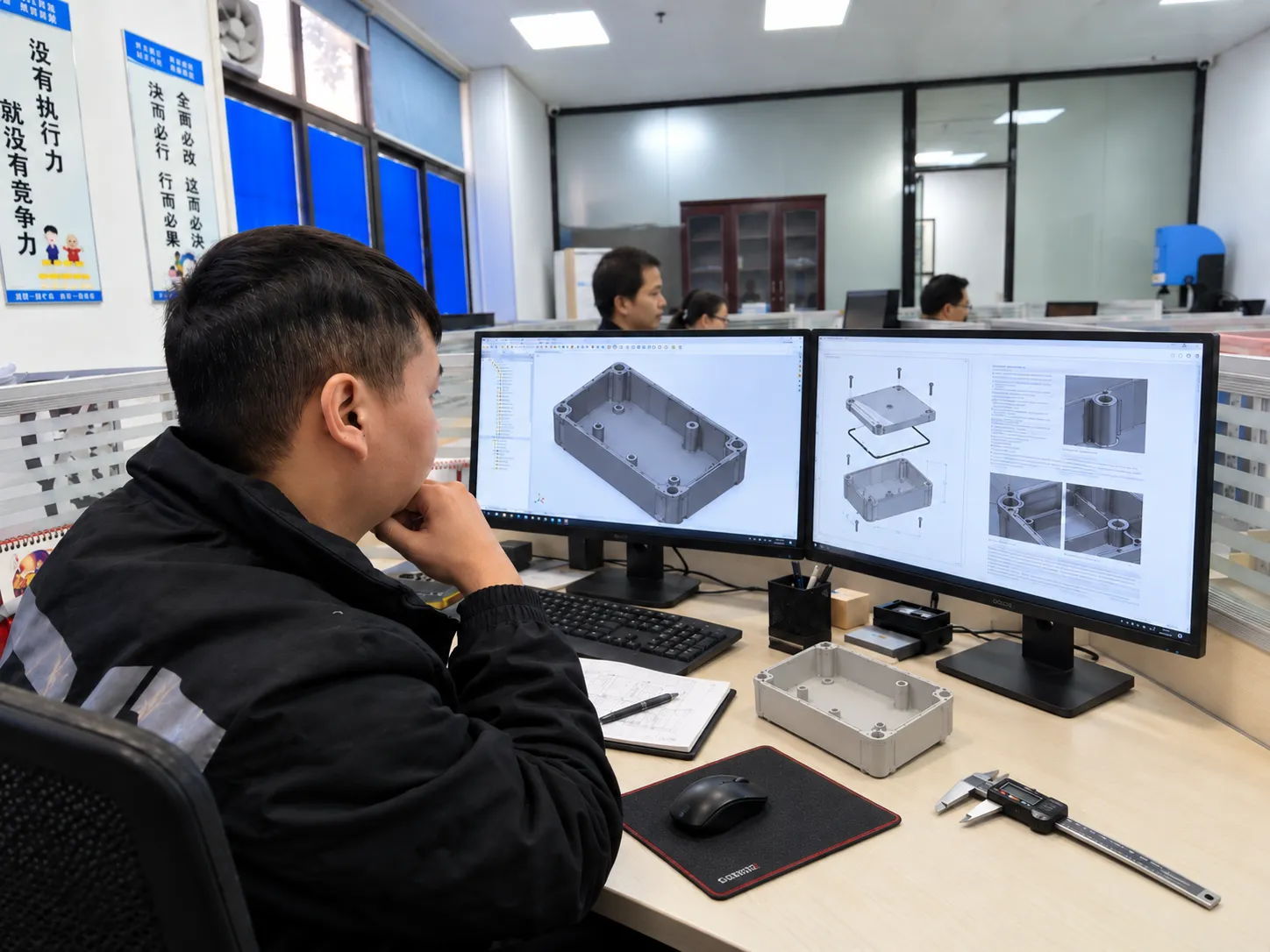
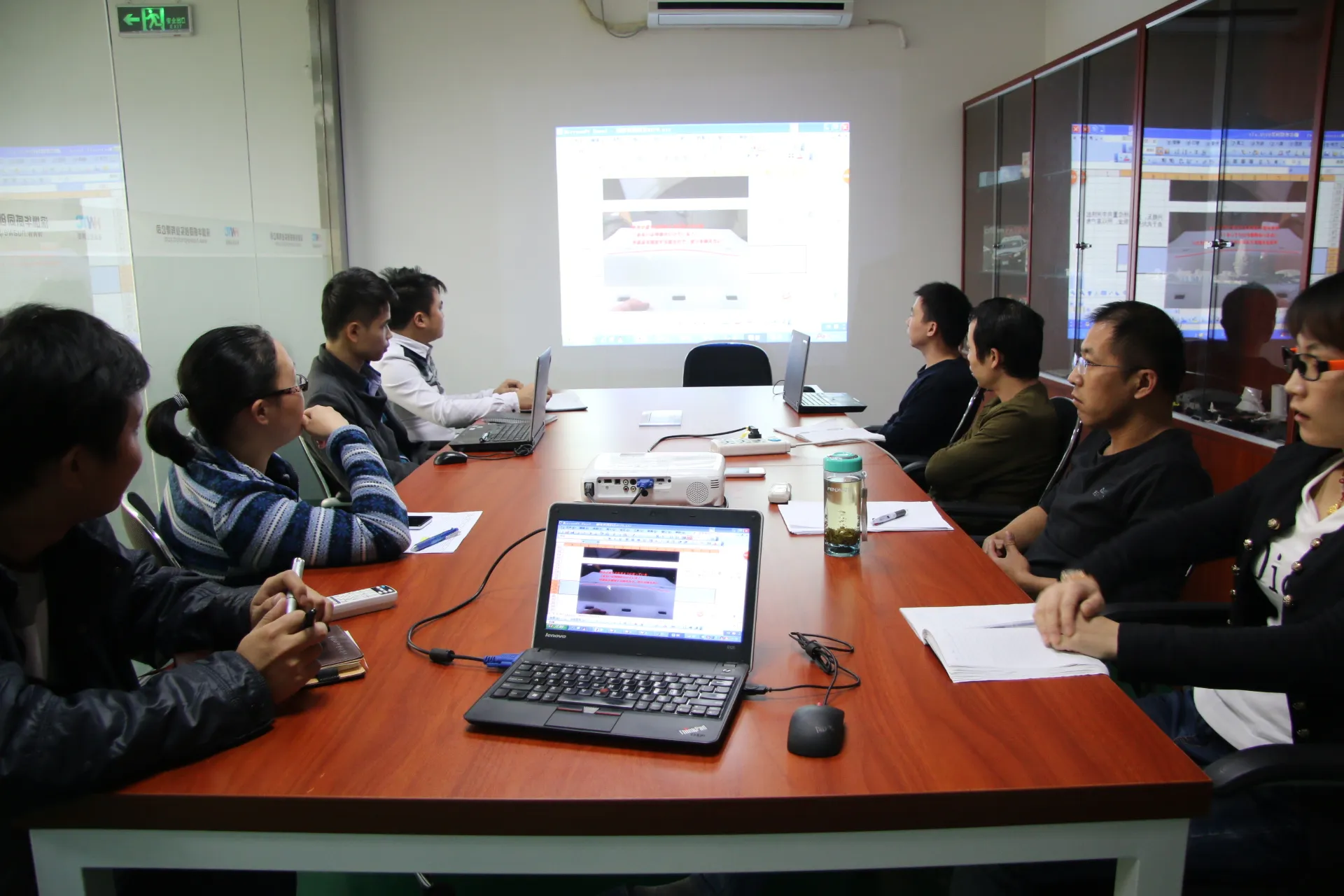
The first step was a practical product-development review. HWPD checked the CAD models for draft, wall thickness, parting lines, and ejection access before any steel was ordered. Several deep corners would have trapped the parts in the tool and created unnecessary side actions. The engineering team simplified those areas and added ribs only where they improved stiffness. This reduced tooling complexity and made the parts easier to wash and stack.
Food-contact requirements shaped both resin selection and process controls. The approved PP grade offered the needed balance of toughness, cycle time, and surface appearance. Color concentrates were validated against physical standards rather than screen images. For a consumer product, even a small difference between a lid and its container can be visible on the retail shelf, so each color was sampled and signed off before the remaining cavities were run.

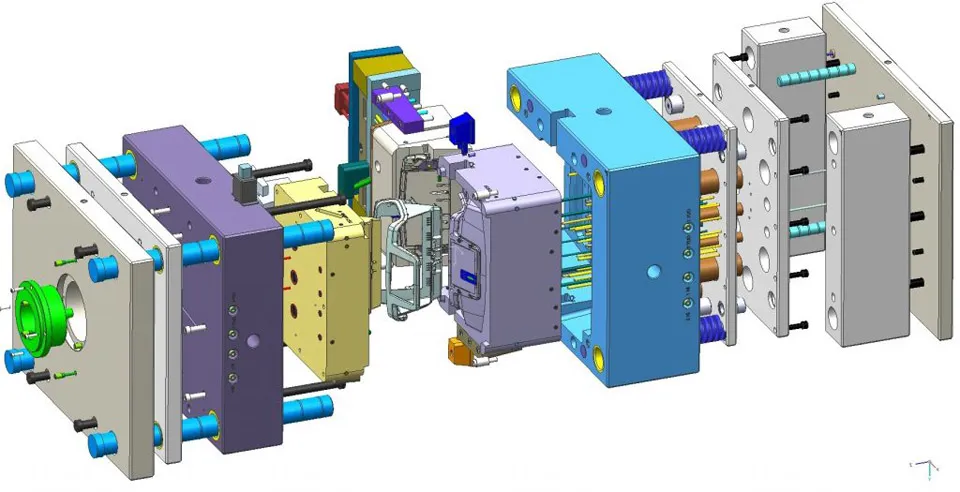
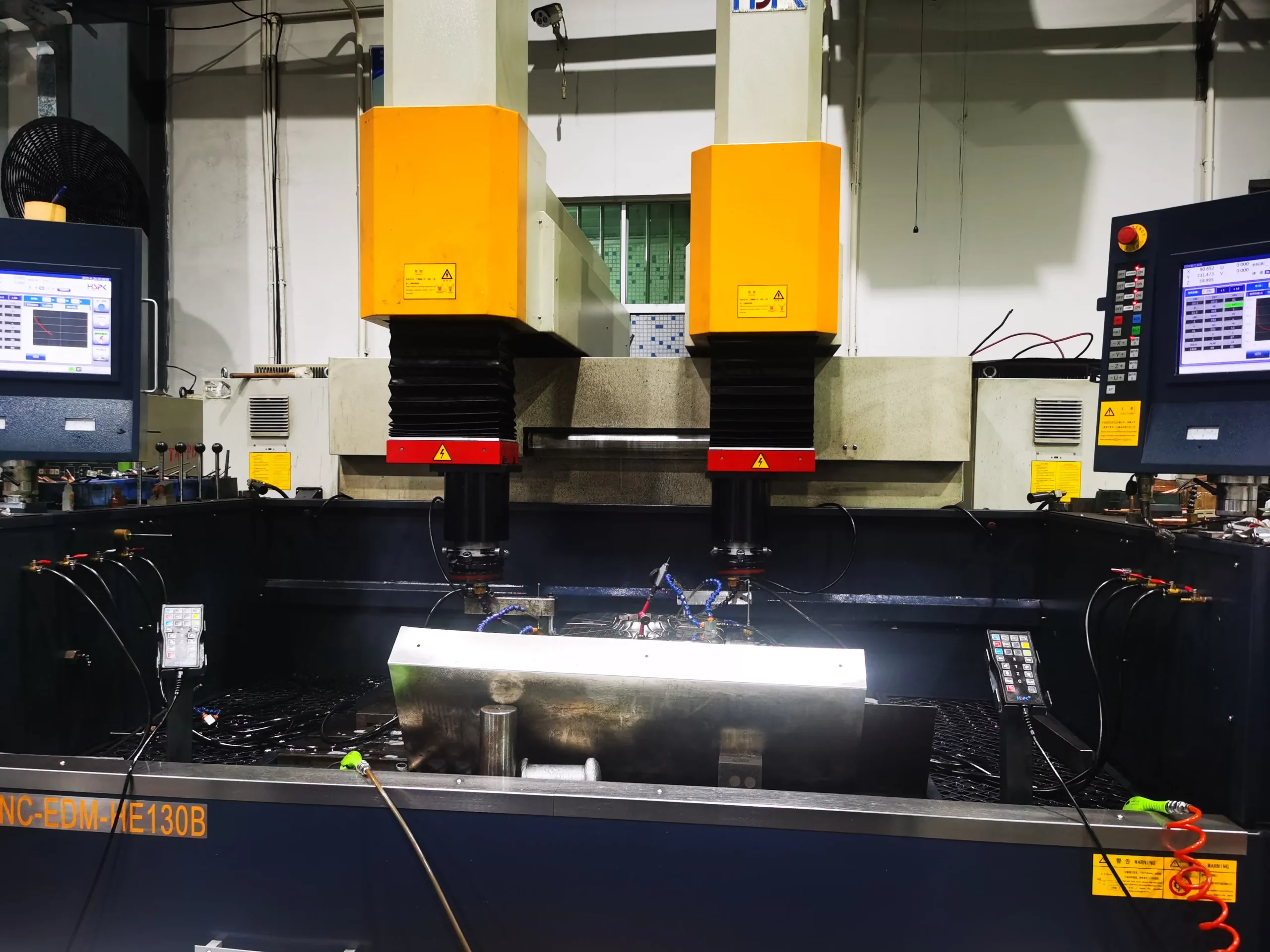
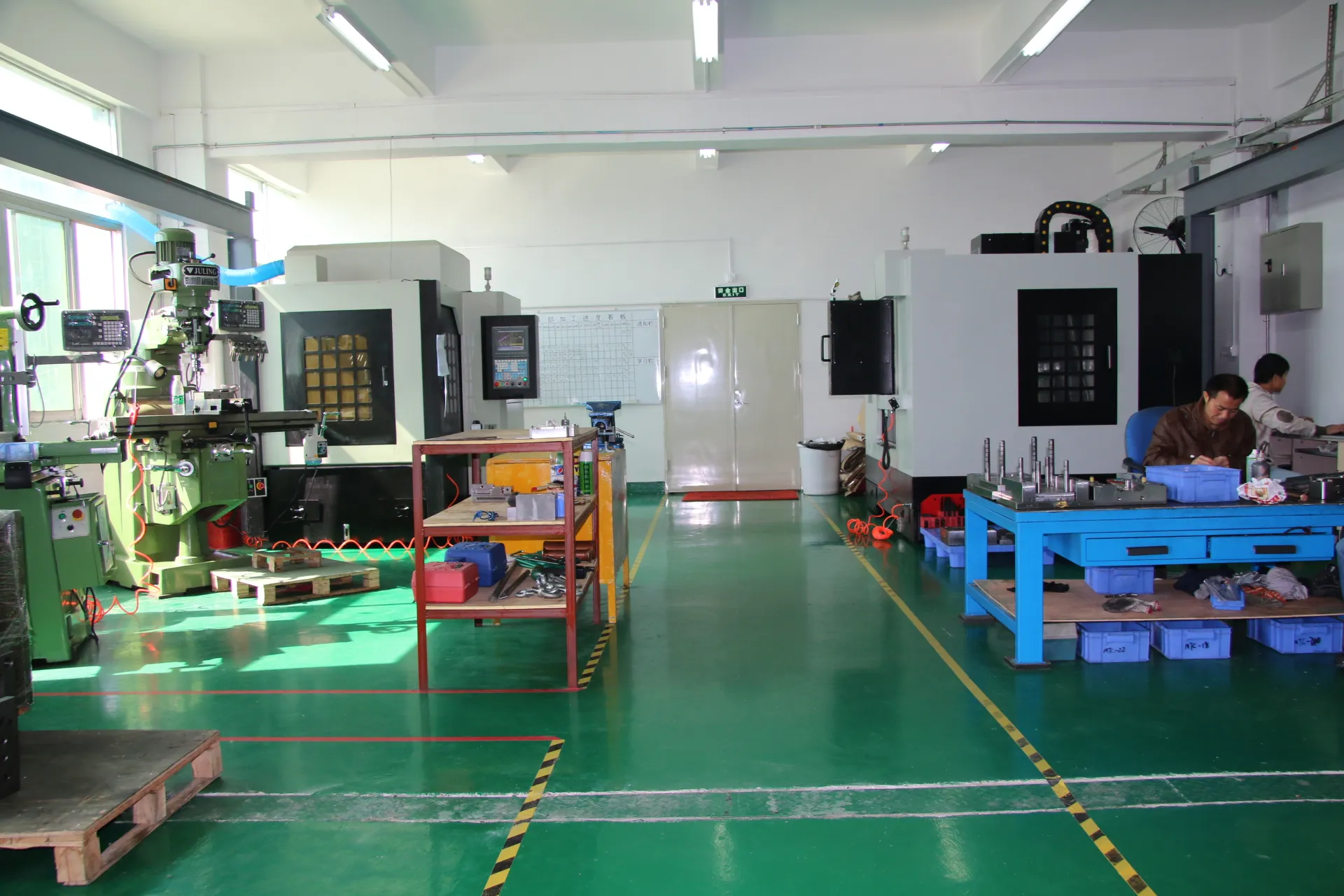
The mold design used family-tooling principles where practical, while keeping fill balance and cooling performance under control. Gate positions were selected to minimize read-through on the top surfaces. Cooling channels were reviewed around the base and locking features because warpage in those zones could affect stacking. These checks followed the same engineering discipline used in HWPD’s DFM analysis service.
Packaging was developed alongside the parts instead of at the end of the project. HWPD’s team reviewed the retail tray, barcode placement, and drop-protection requirements while the mold was being built. That parallel workflow prevented a common launch delay: finished parts waiting for packaging approval.
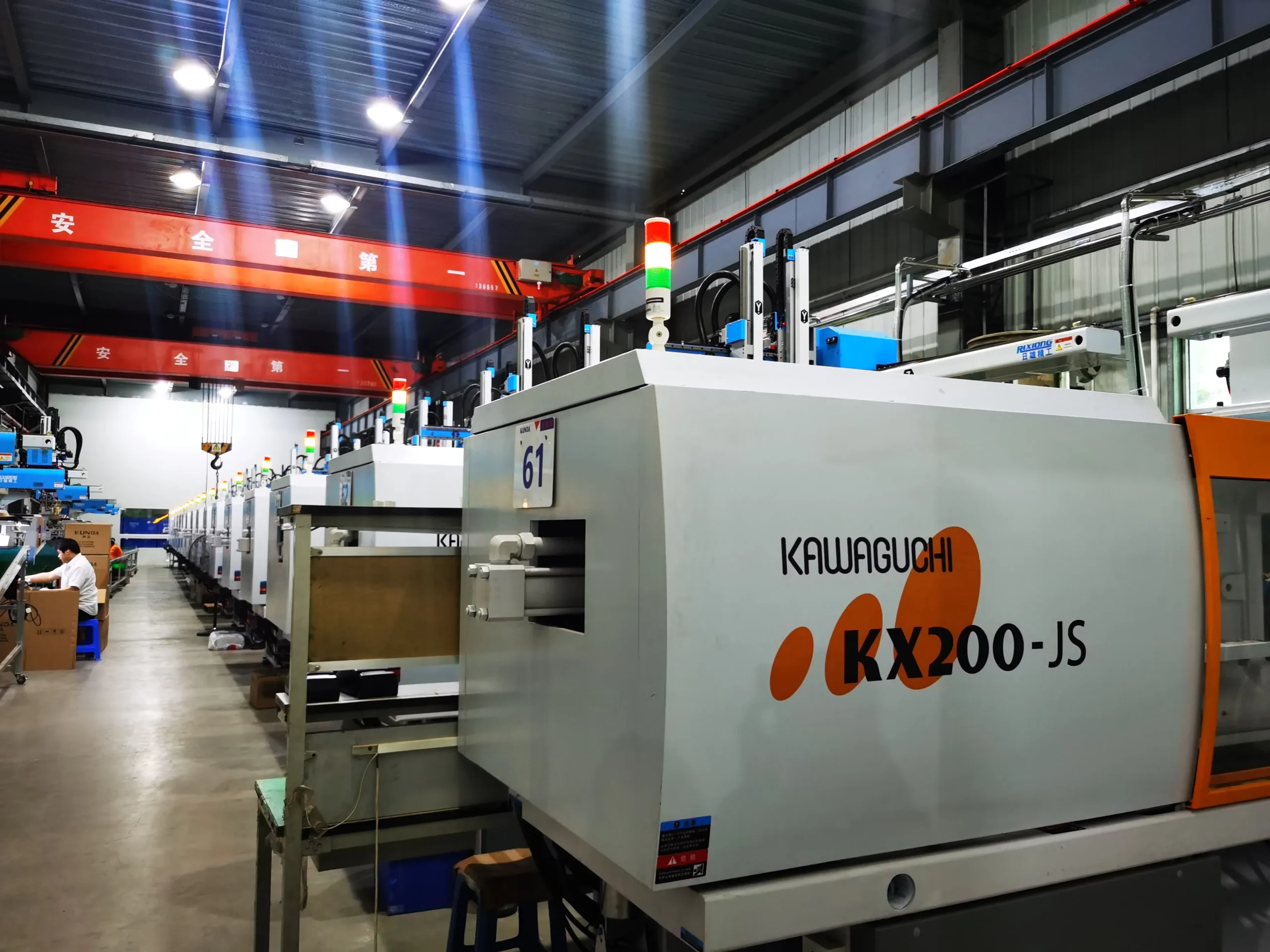
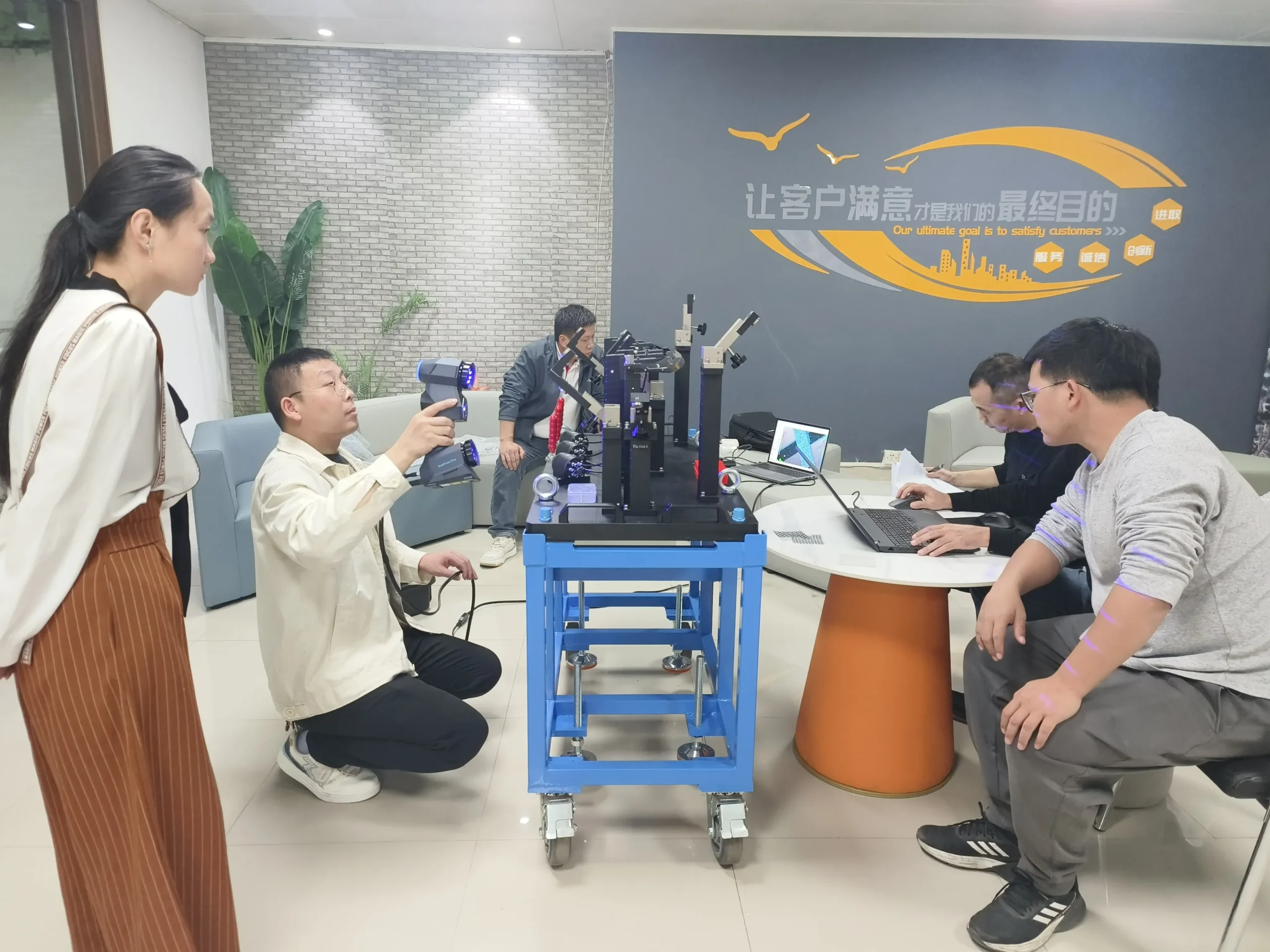
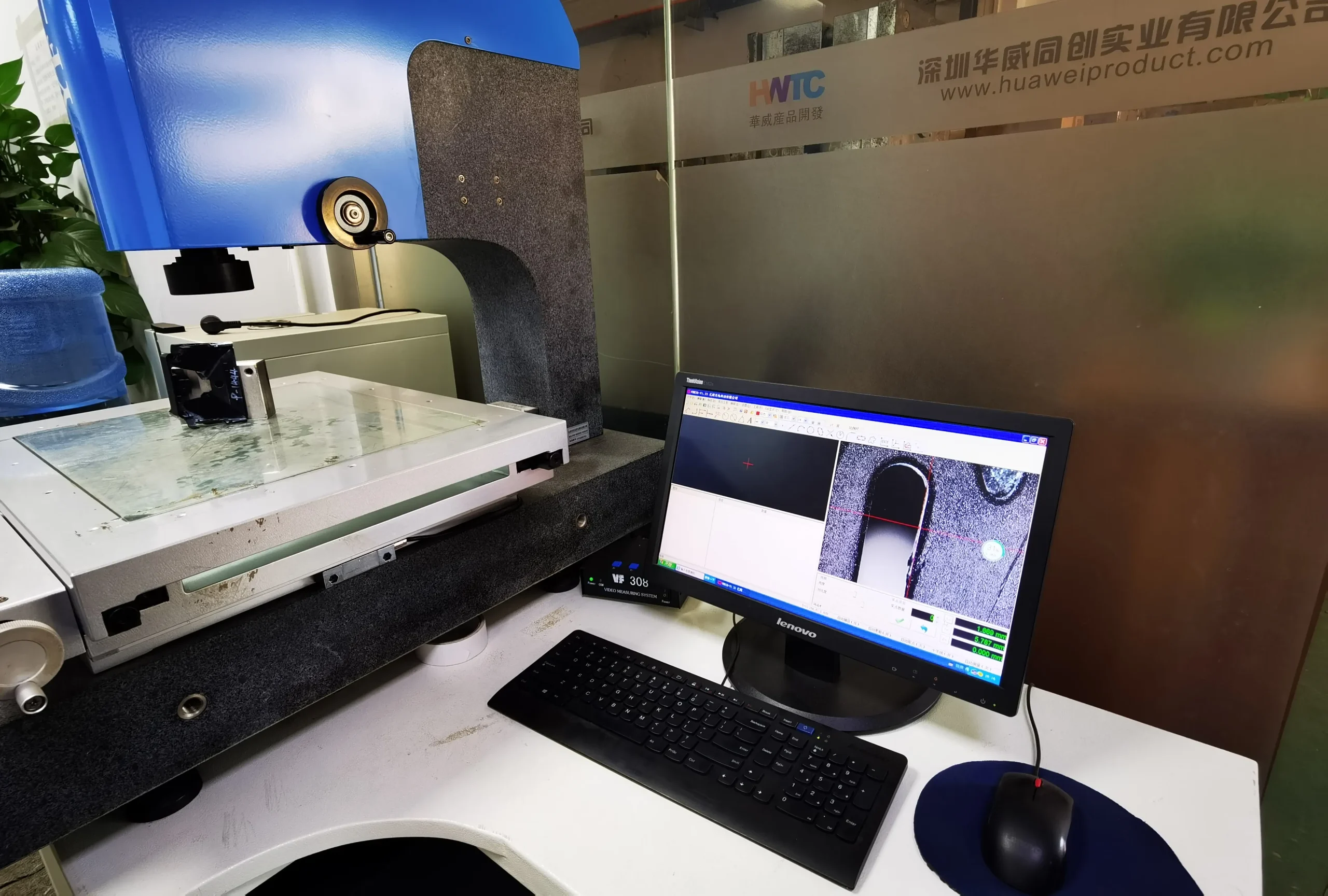
The first trial exposed a small sink mark near a reinforcing boss. Rather than simply increasing packing pressure, the team adjusted the boss geometry and cooling balance. The change improved appearance without adding a longer cycle. Assembly tests confirmed that lids remained secure but could still be opened by hand. A pilot run then checked color consistency, fit, labeling, and carton counts before the retail shipment.
The brand launched on schedule with twelve storage SKUs, six coordinated colorways, and a consistent customer experience. The project demonstrates why consumer product manufacturing benefits from early prototype development and disciplined tooling decisions. When design, materials, molding, and packaging are reviewed together, a fast launch does not have to mean compromised quality.