




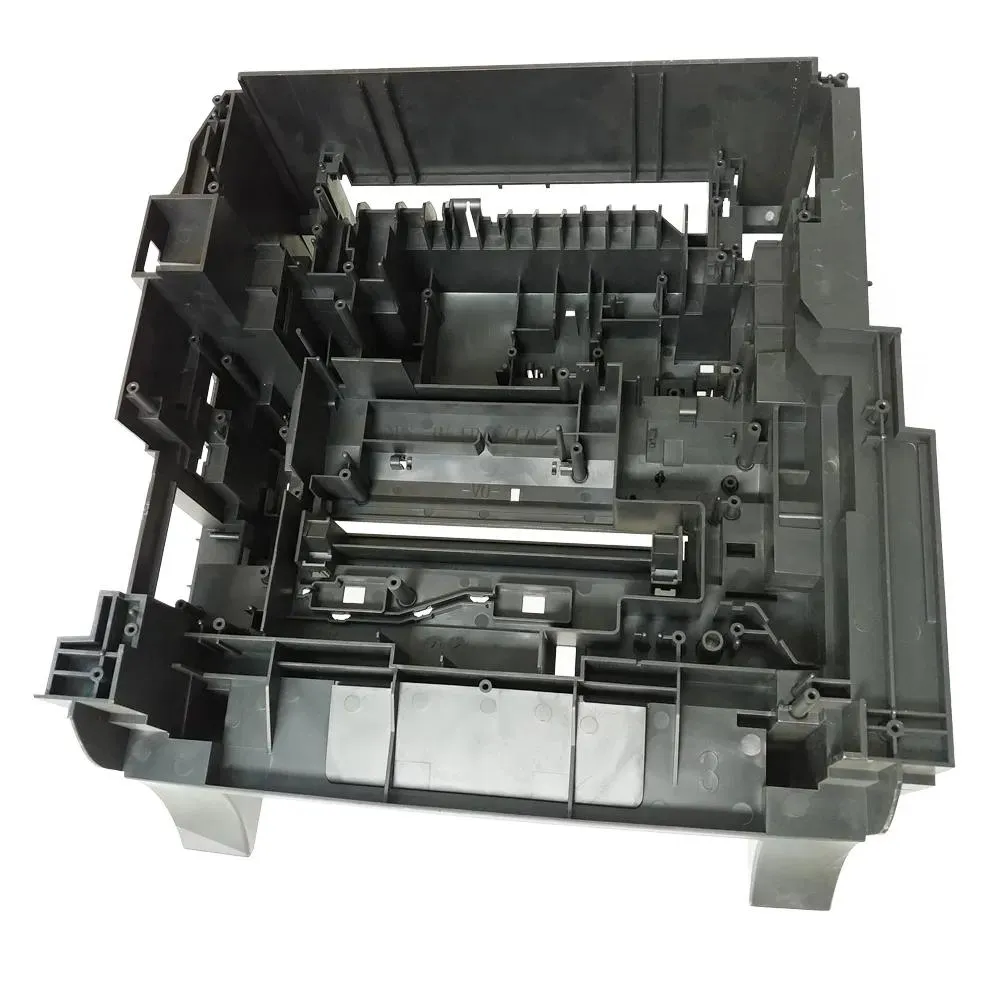
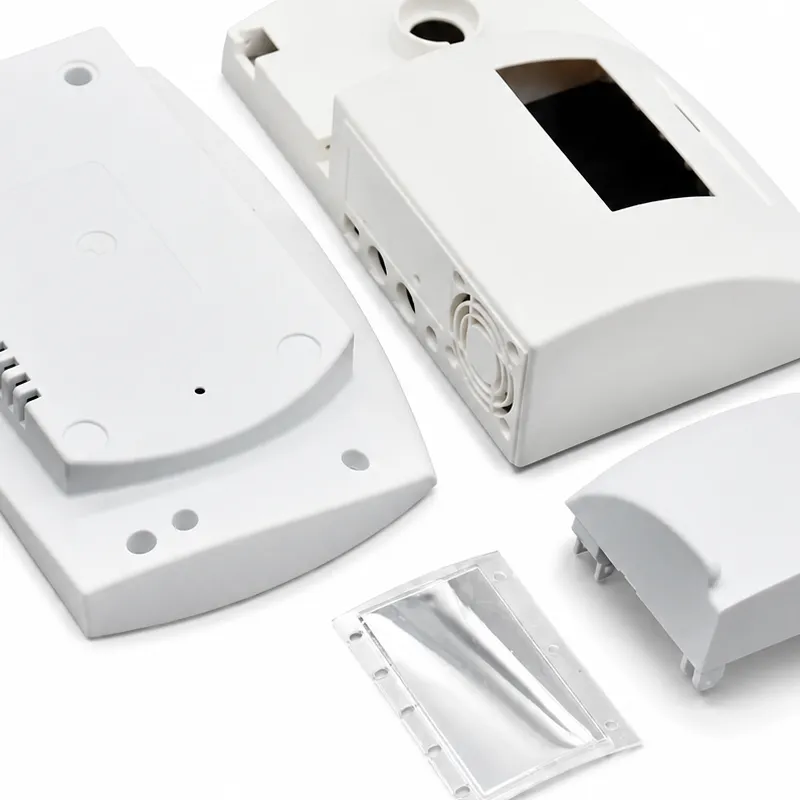
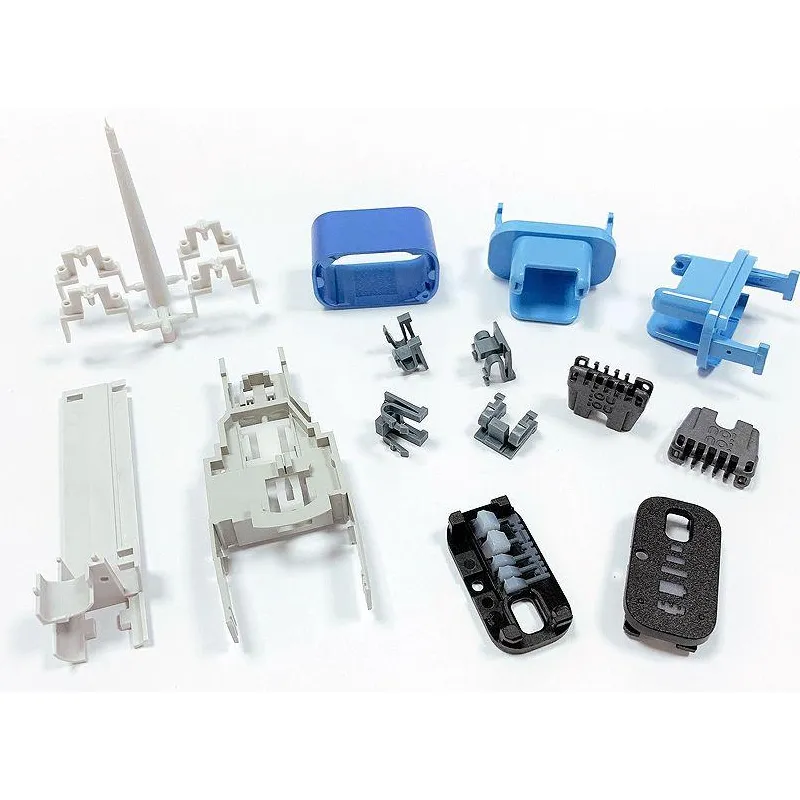
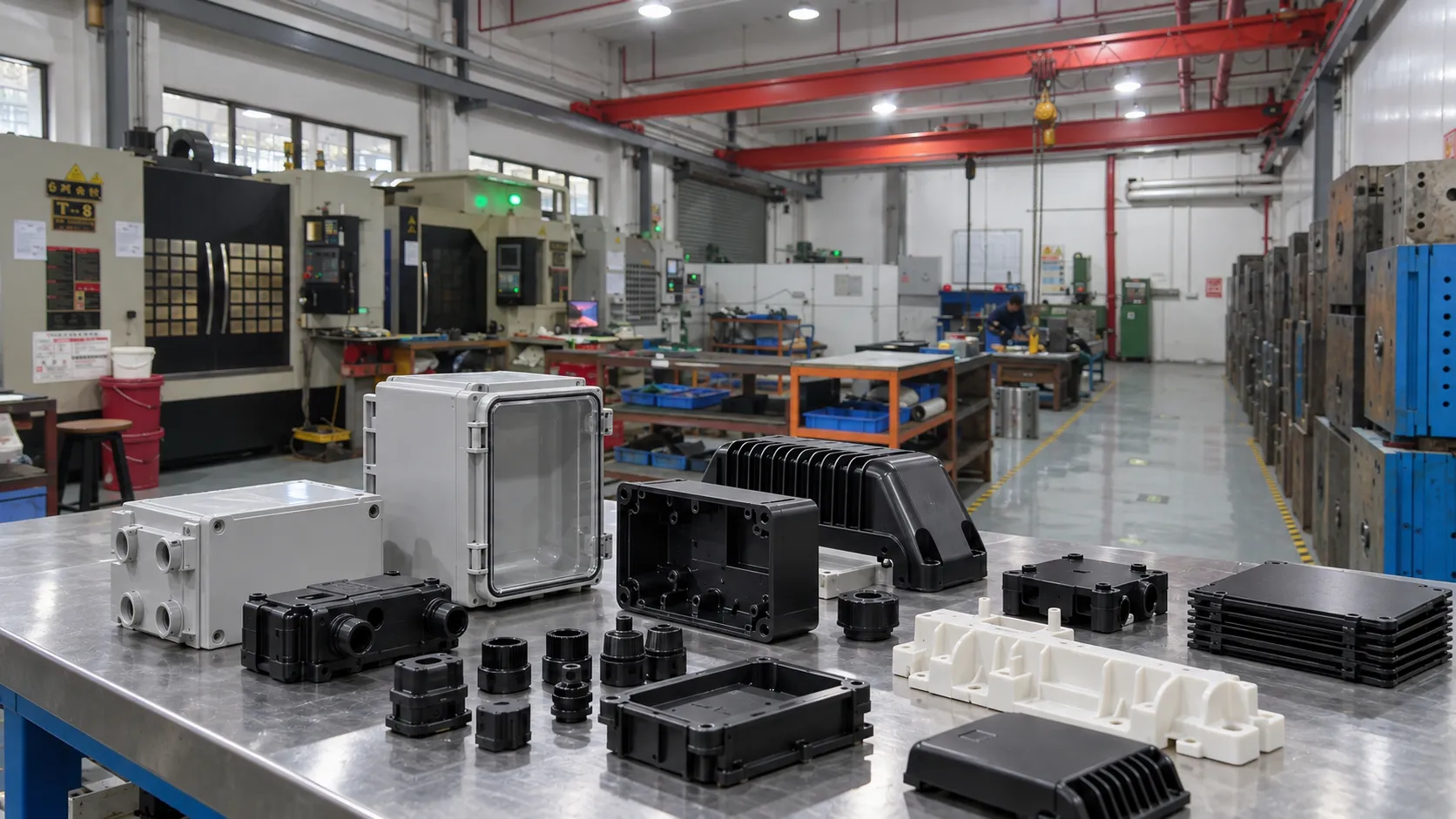



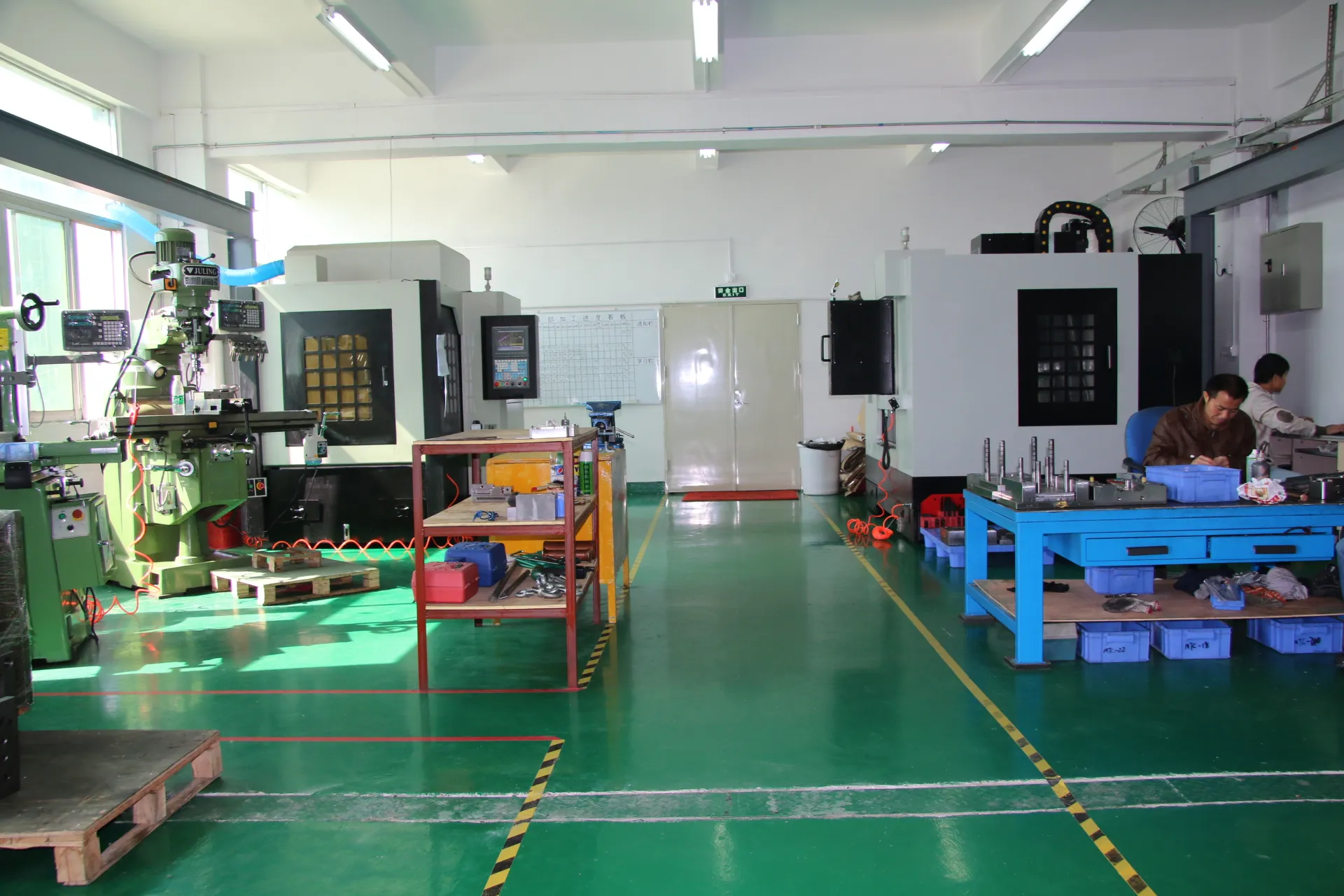

IoT gateway housings combine cosmetic expectations with strict functional requirements. The enclosure must protect electronics from dust and water, maintain accurate alignment for connectors, and support heat management without looking industrial or unfinished. HWPD recently produced an IoT gateway housing using UL94 V-0 flame-retardant PC/ABS, with IP65 sealing and a 12-week development deadline.
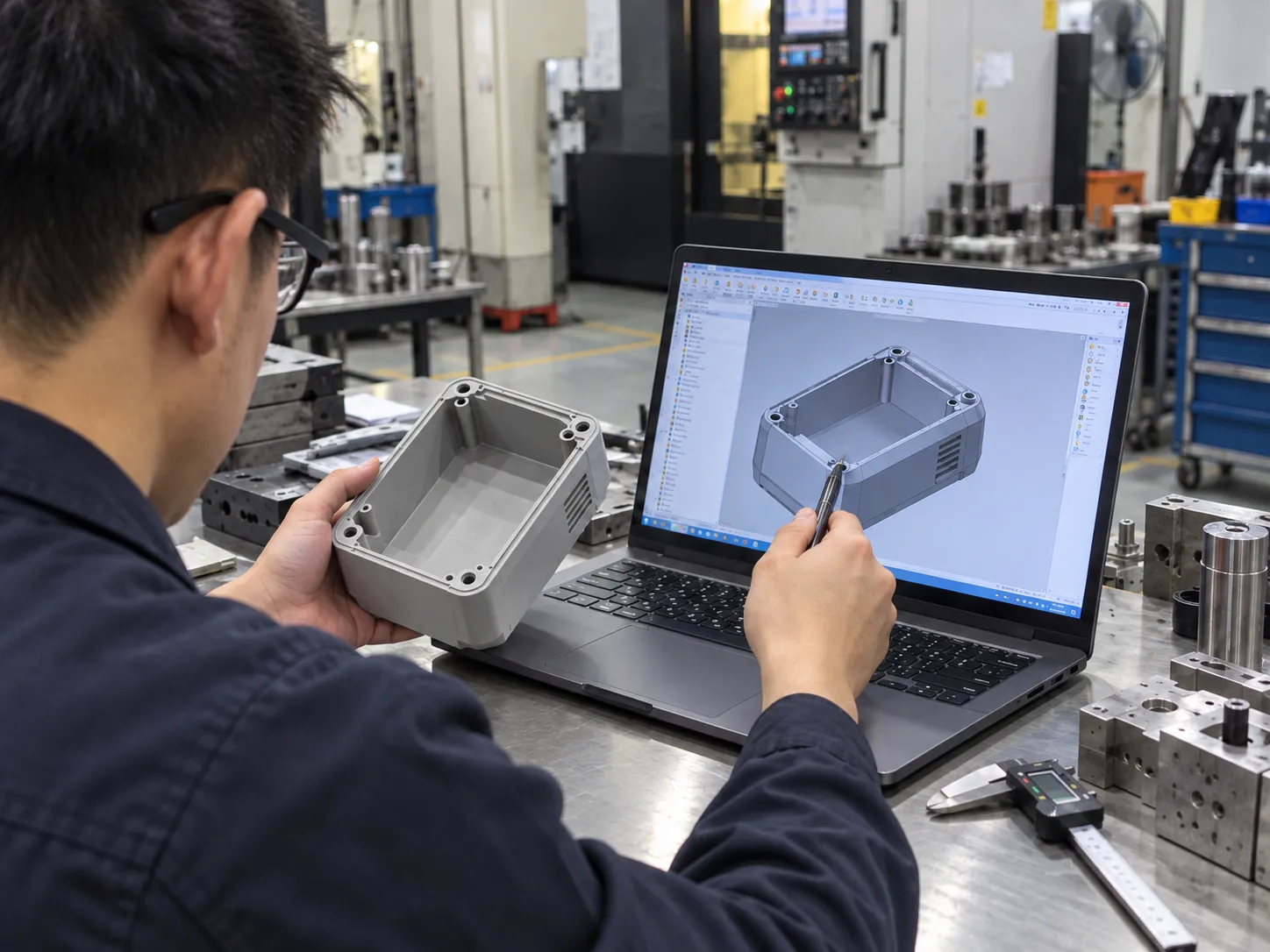
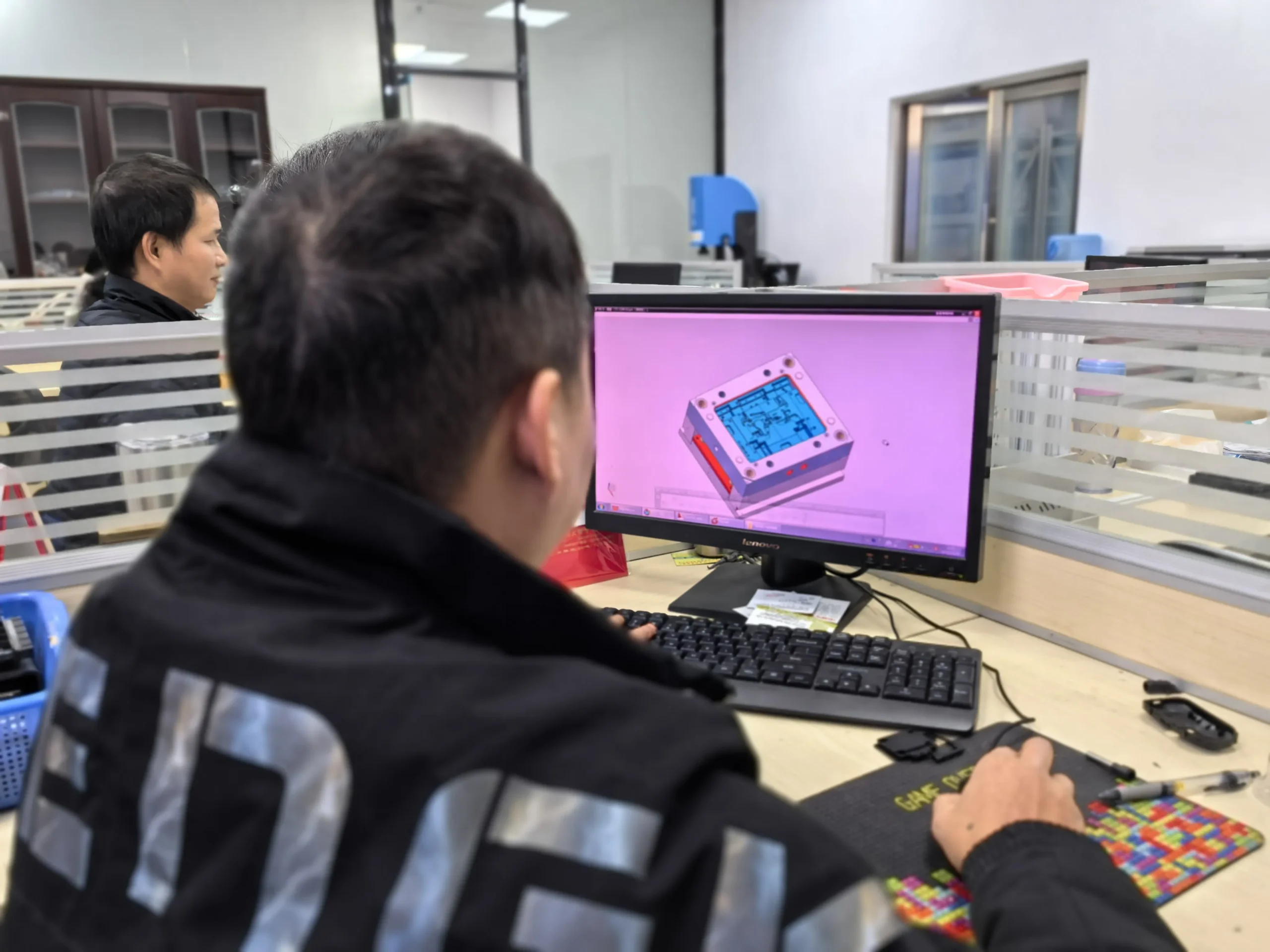
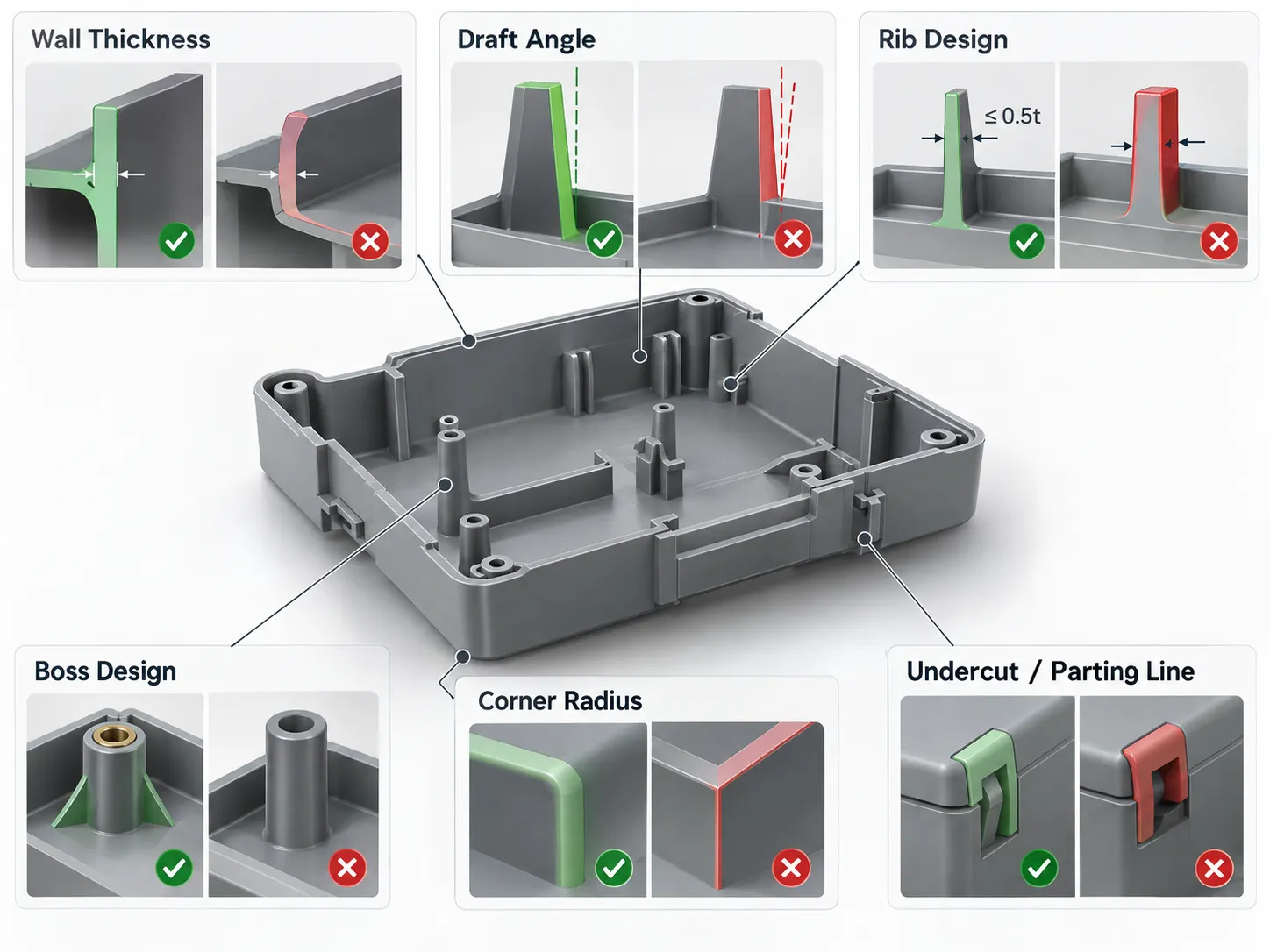
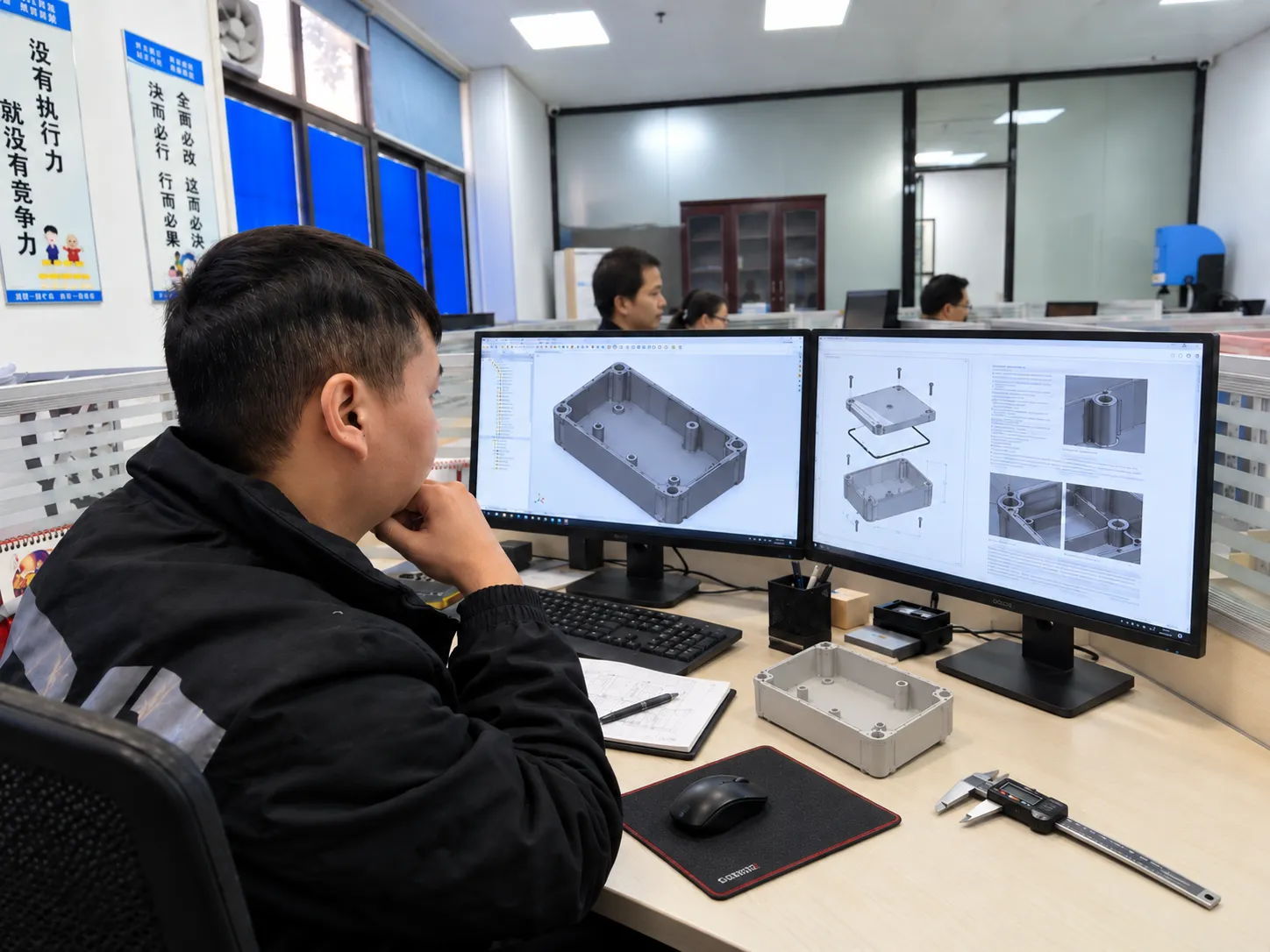
The customer’s first CAD release contained several competing requirements: thin walls for a compact footprint, bosses for the PCB, a perimeter gasket, and an external surface that could be textured without visible flow marks. HWPD began with a DFM review that mapped the sealing land, screw towers, and connector openings. The team identified a tolerance stack between the upper and lower shells that could have compressed the gasket unevenly.
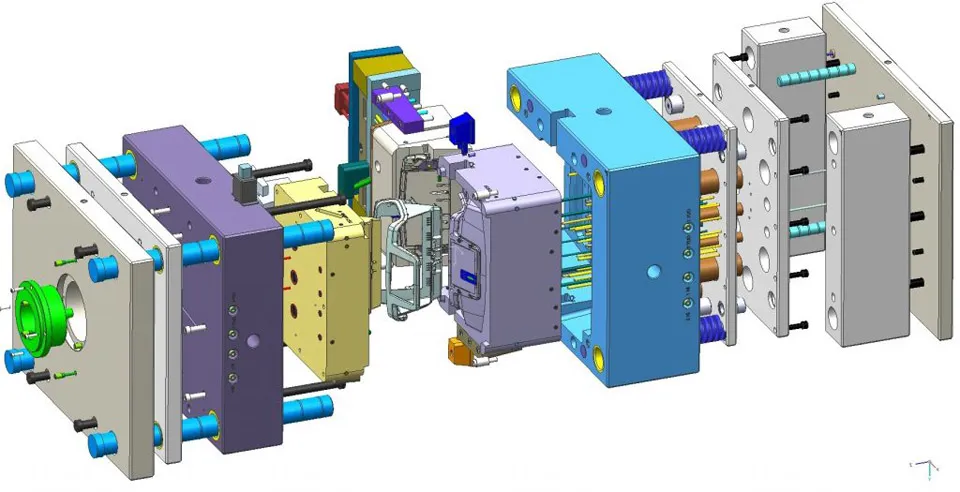
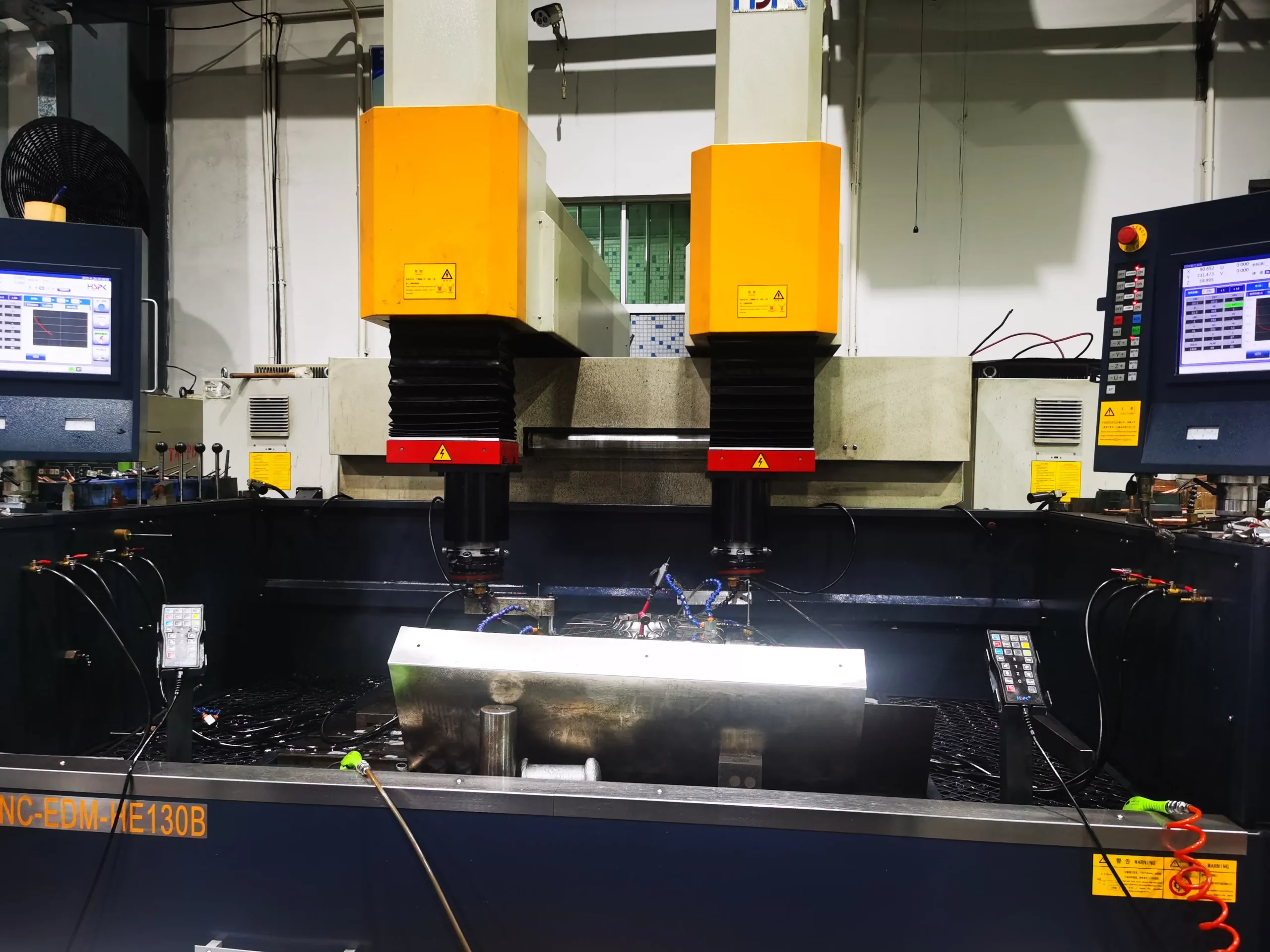
To improve sealing, the gasket channel was redesigned with controlled compression and positive corner radii. Screw bosses were isolated from the cosmetic wall so that sink marks would not appear on the outside. Gate locations were positioned near the thicker internal structure, allowing the flow front to reach the perimeter with less hesitation. The mold included replaceable inserts around connector openings, where engineering changes were most likely.

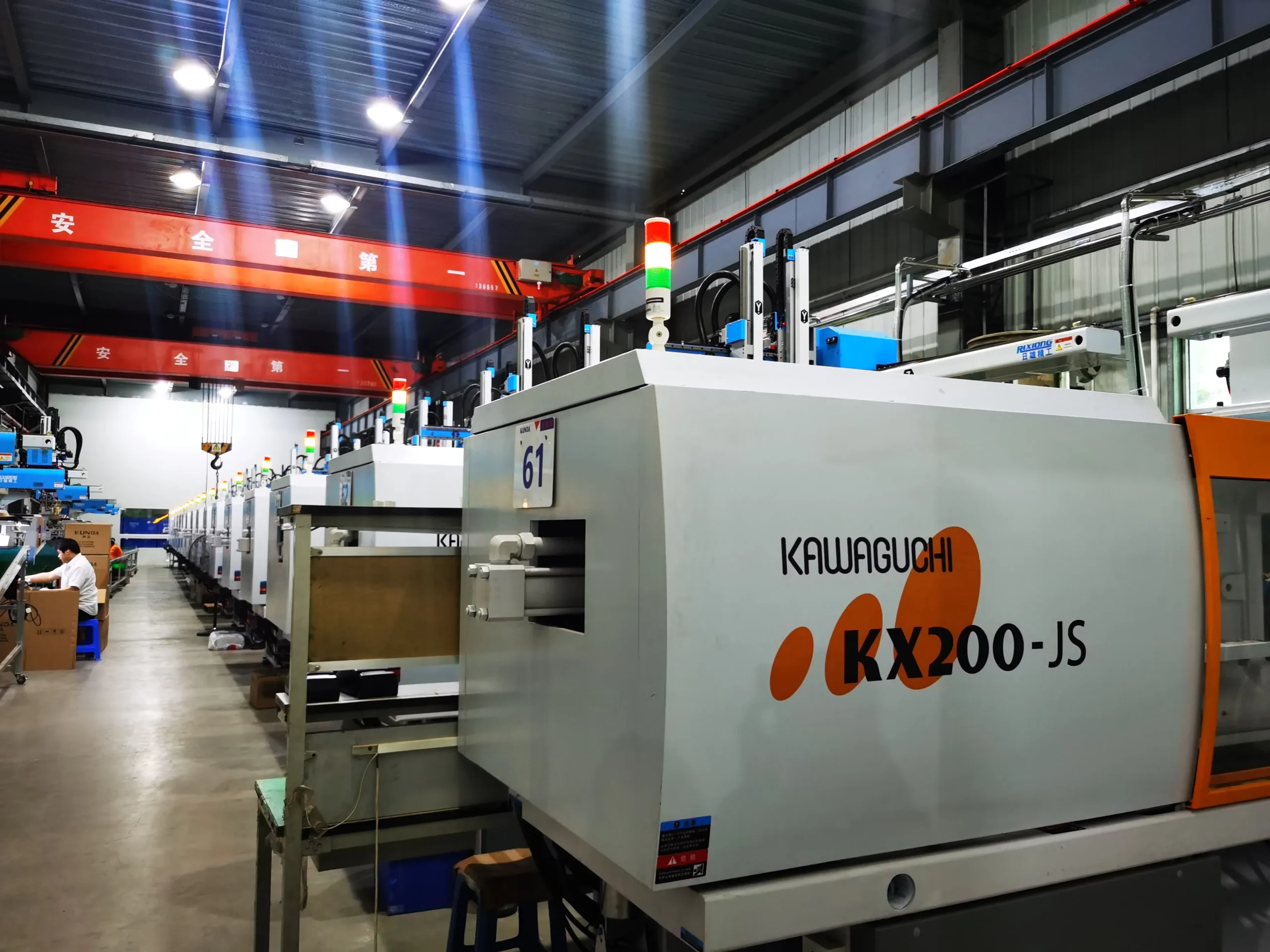
Material processing was carefully documented because flame-retardant PC/ABS can be sensitive to moisture and shear. Resin drying, melt temperature, injection speed, and hold pressure were recorded during the initial trials. The tool temperature was balanced to protect the textured surface and maintain dimensional stability around the gasket land. These controls were integrated into the production plan rather than treated as a one-time setup.
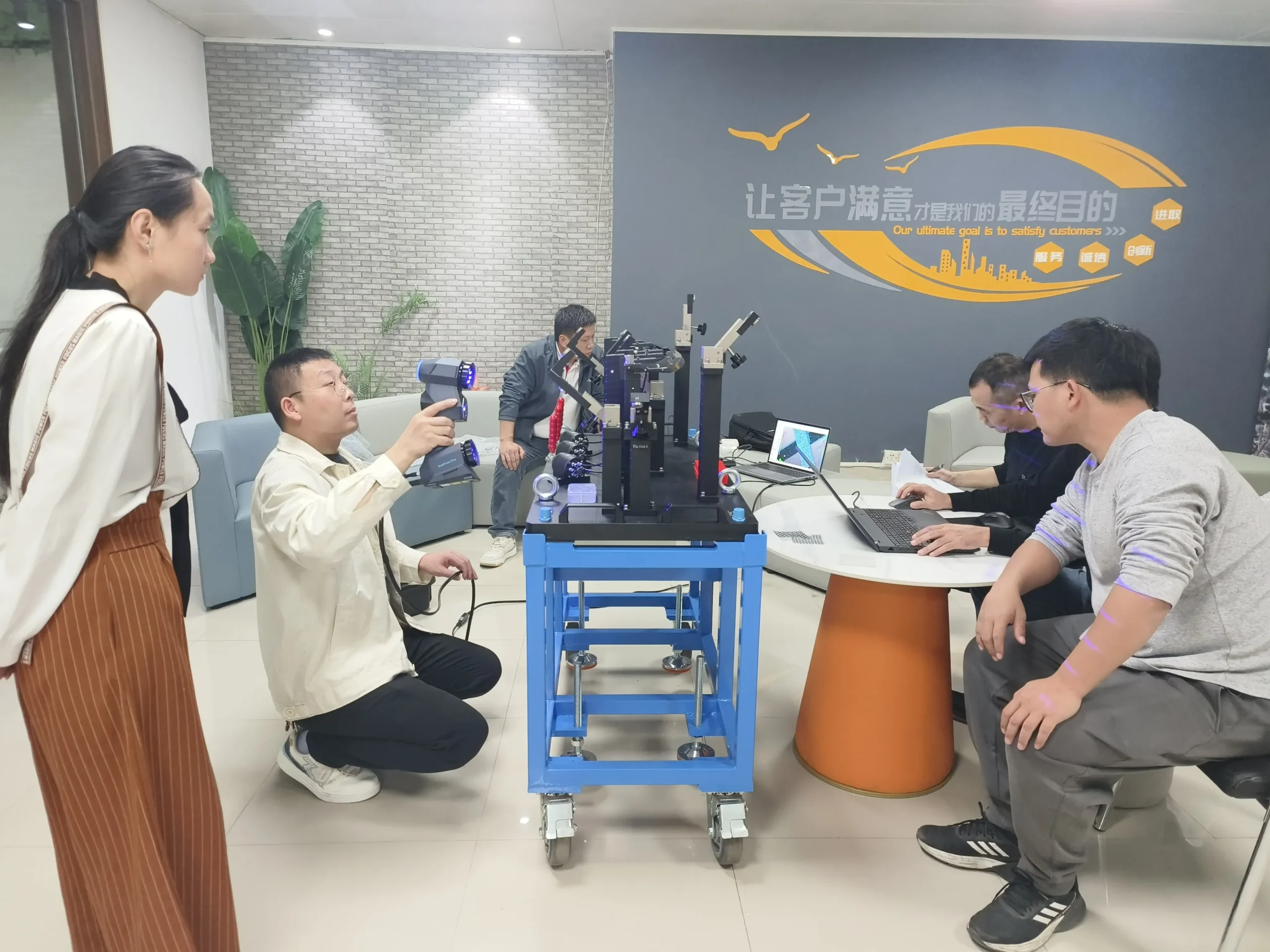
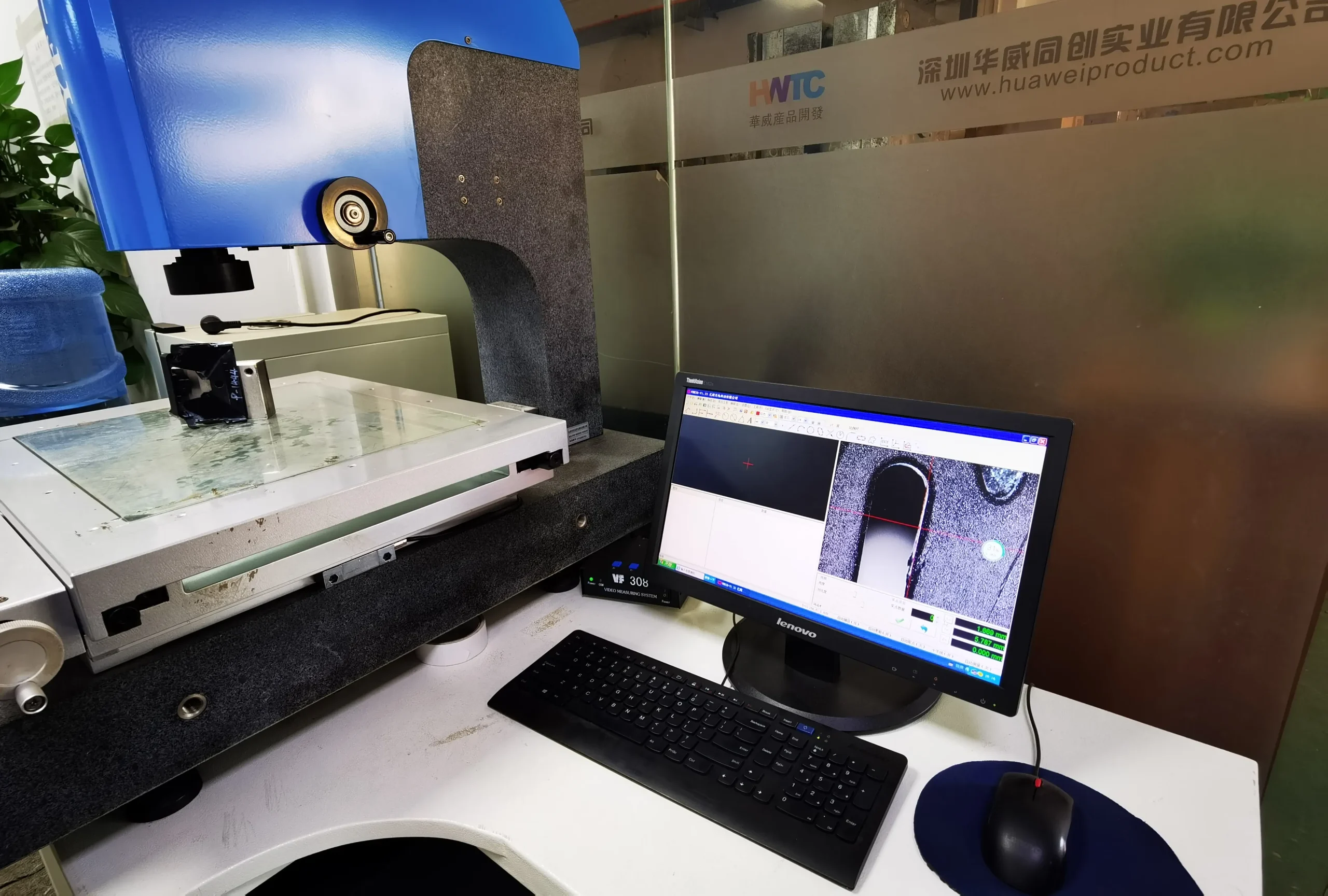
The first T1 samples met the visual standard but showed minor variation at one connector opening. HWPD’s quality team measured the opening with a dedicated gauge, reviewed the steel condition, and made a small insert correction. The revised parts aligned with the customer’s connector and passed the IP65 water-ingress test. Dimensional reports and material certificates were supplied with the approval package.
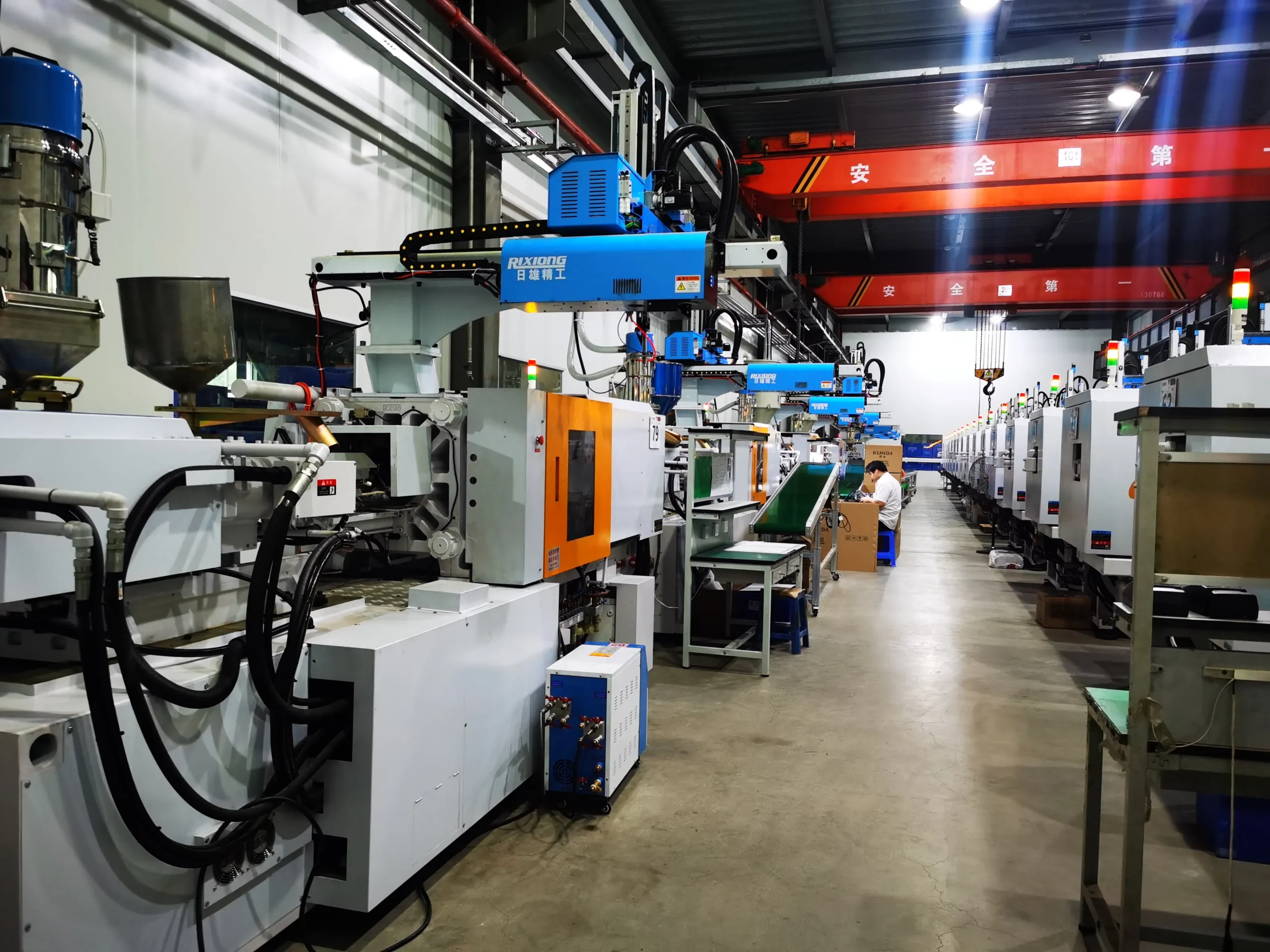
The finished housing was delivered on the promised schedule, with consistent texture, clean shutoff surfaces, and dependable sealing. For electronics teams, this type of result comes from treating the enclosure as a system rather than a simple plastic shell. Mold design, material behavior, gasket compression, and inspection strategy must be considered together. HWPD supports that process from mold manufacturing through repeat production.