


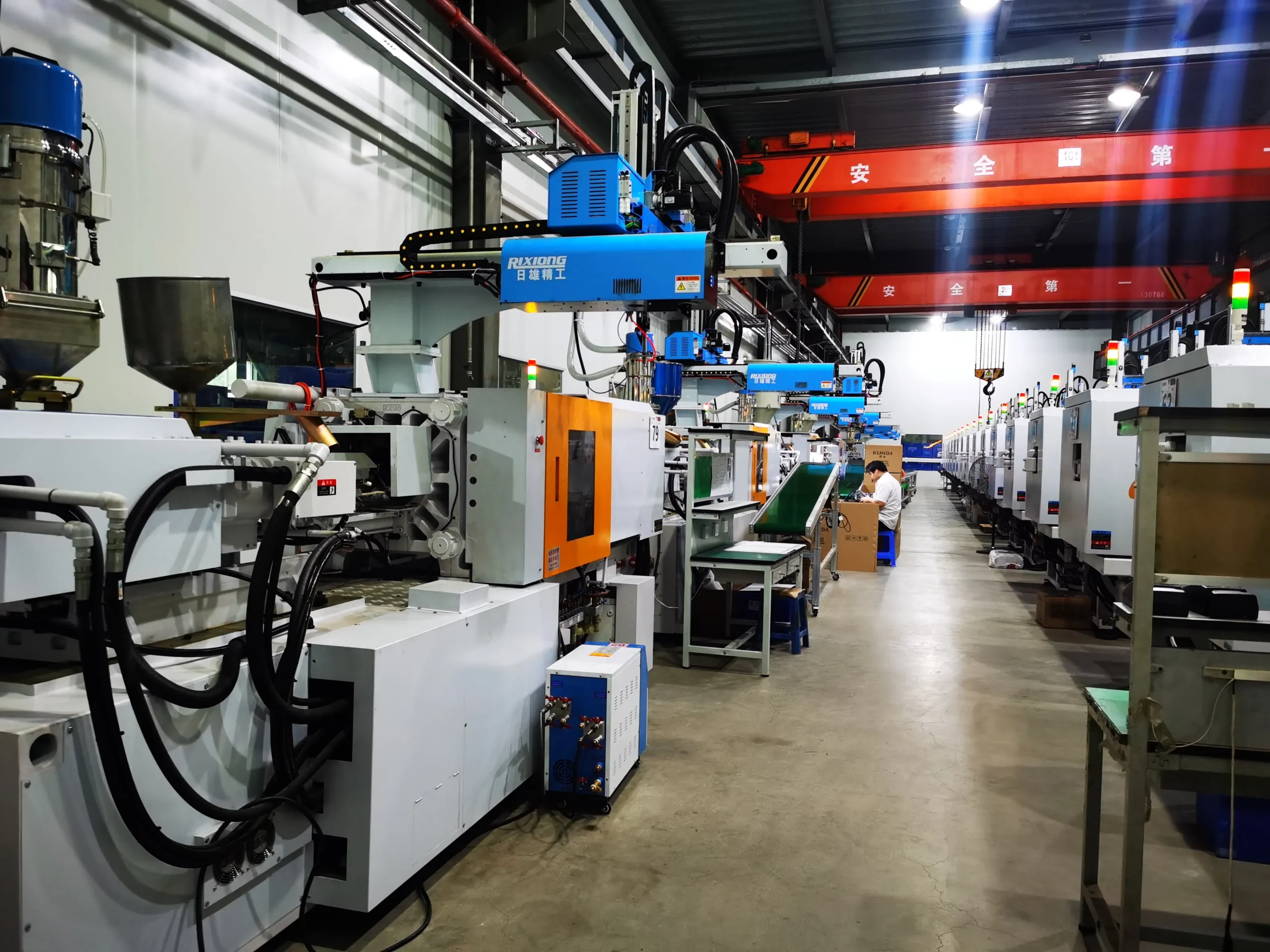


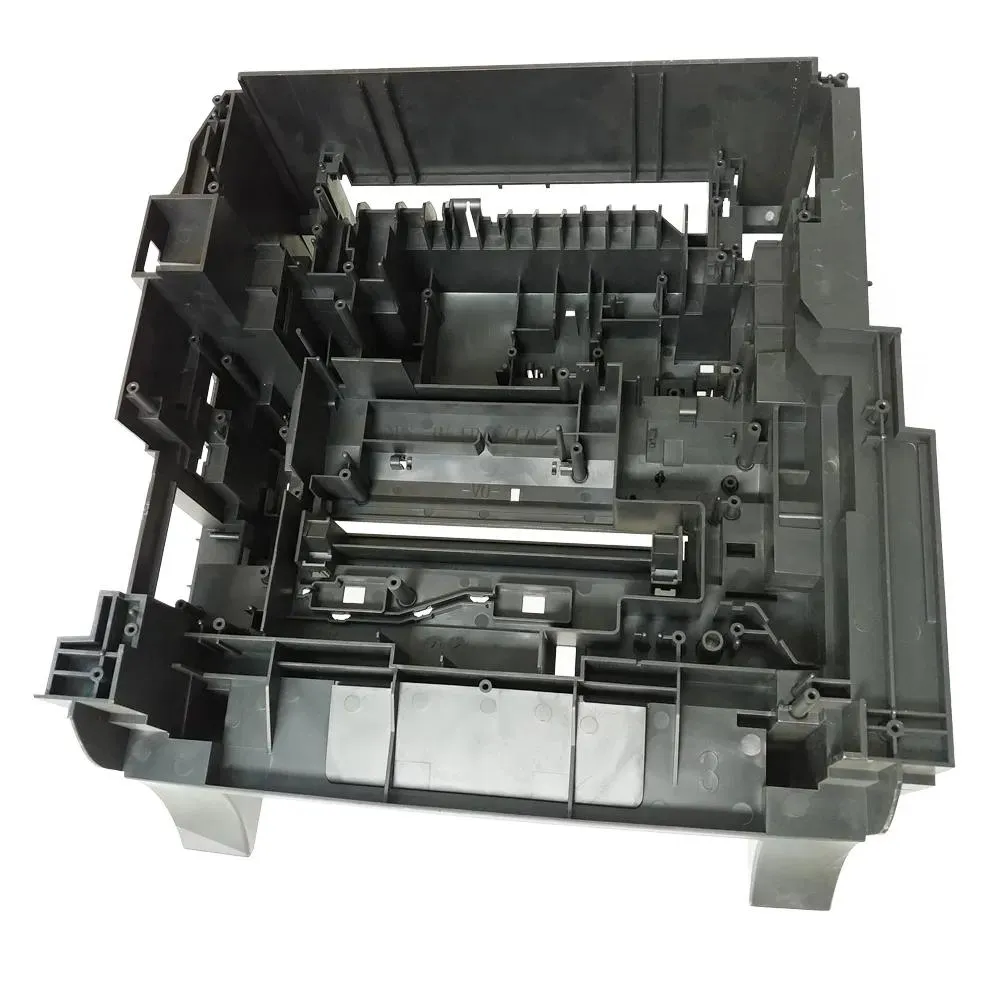
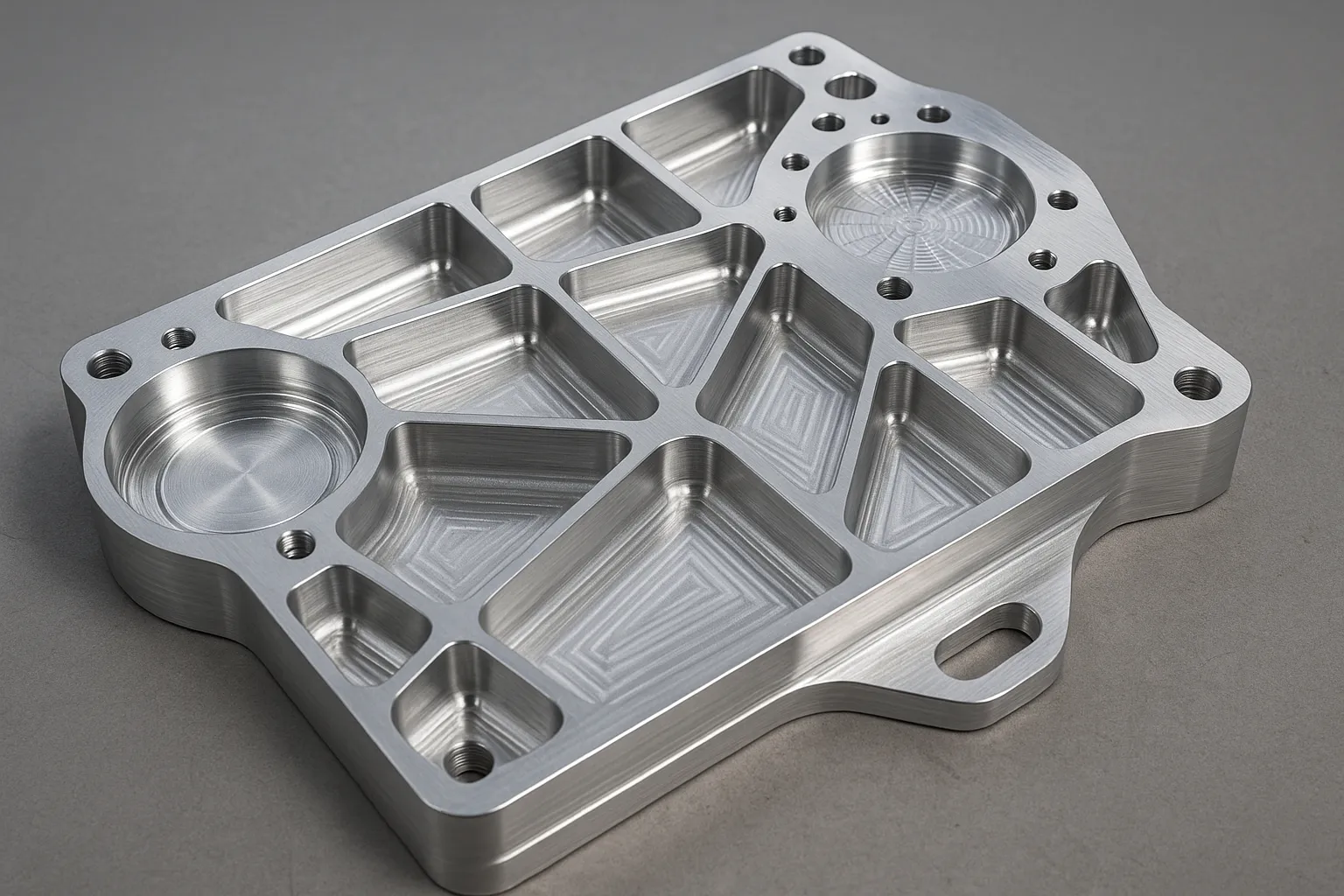
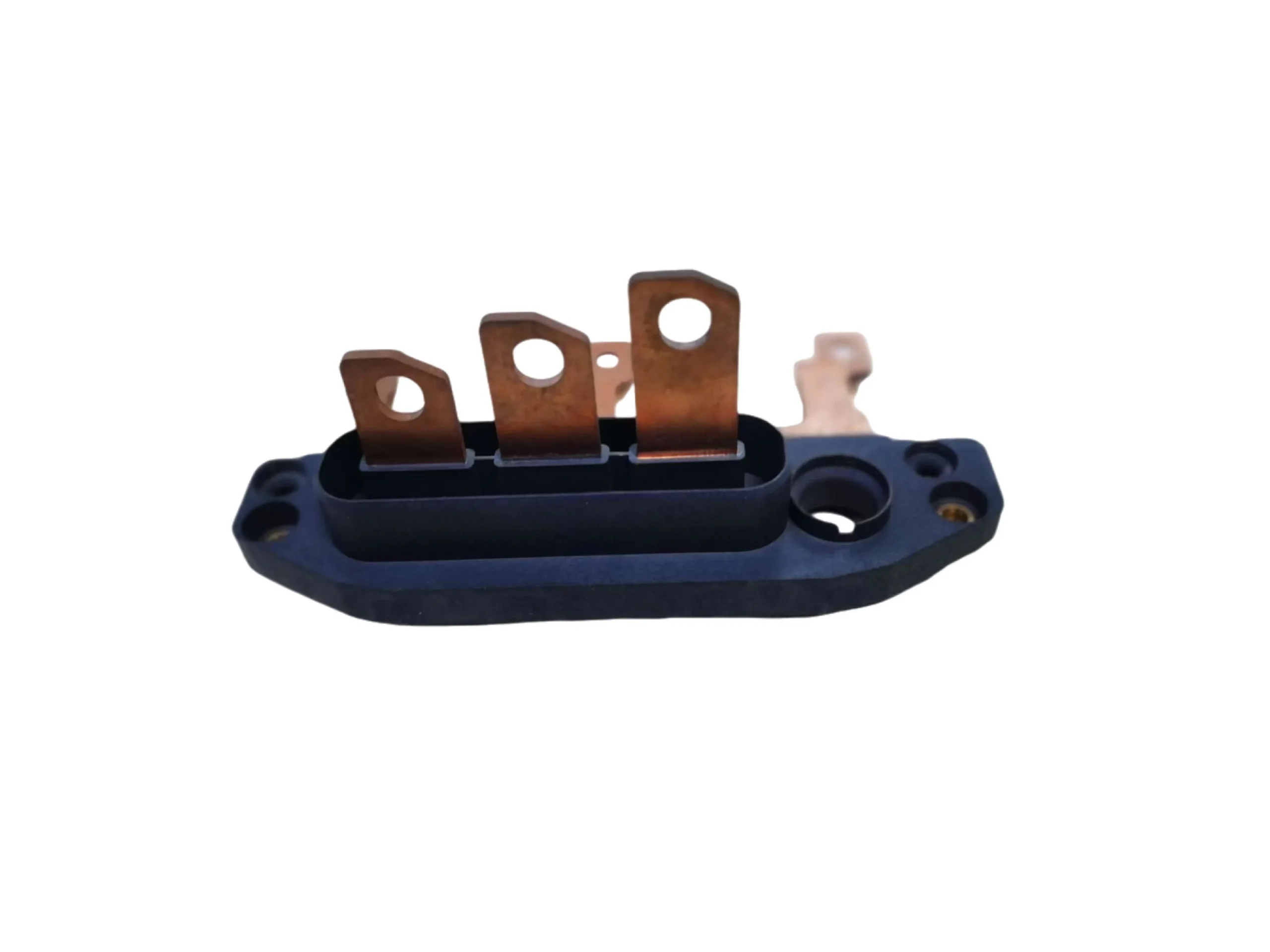
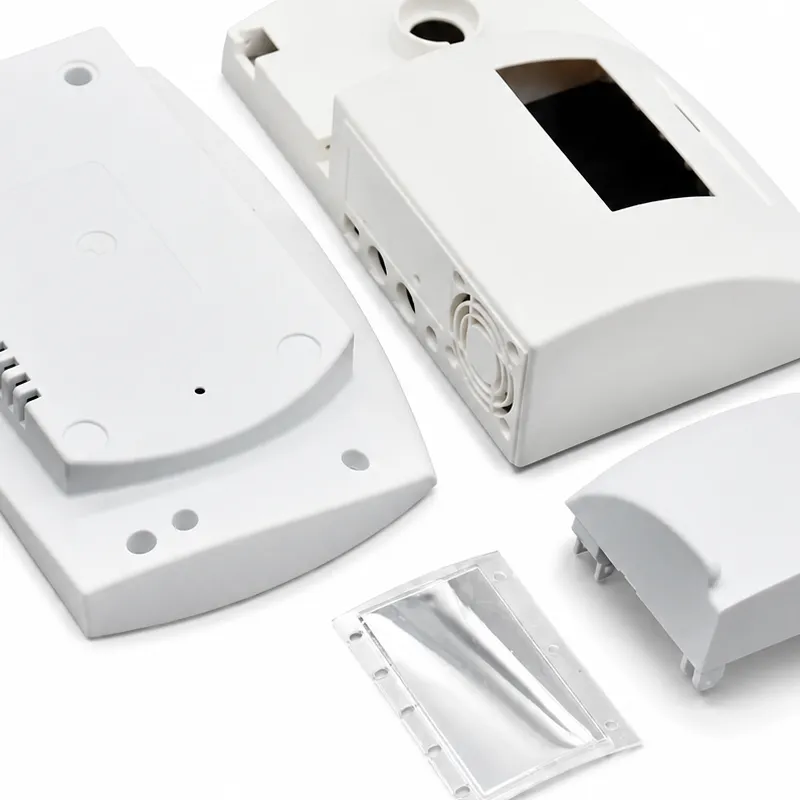
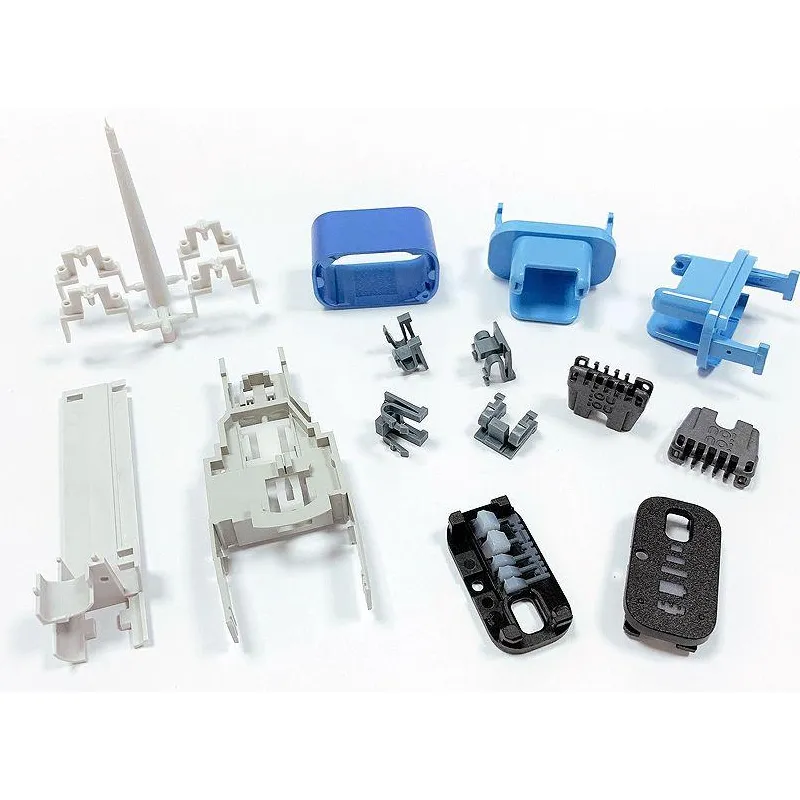
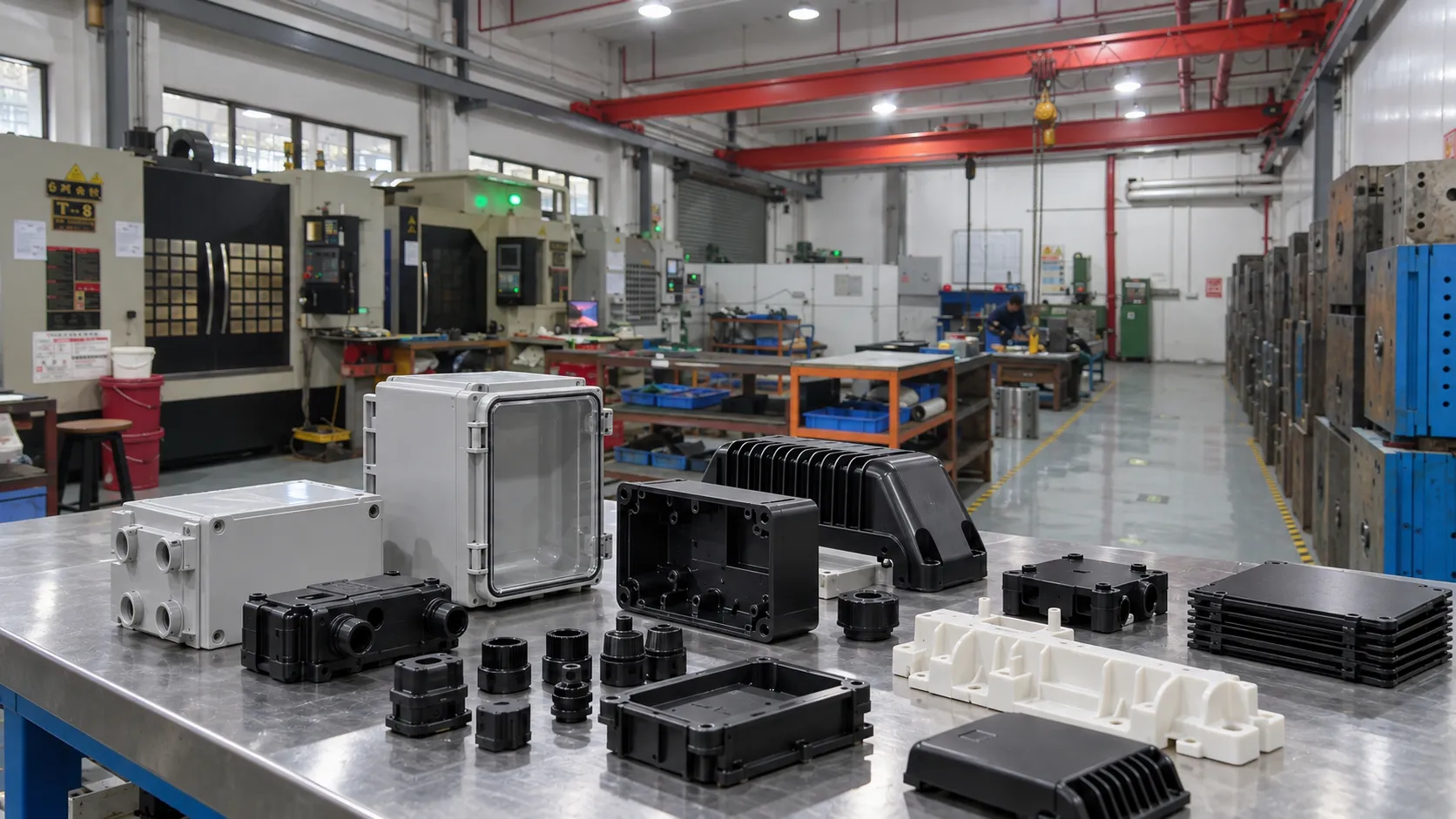
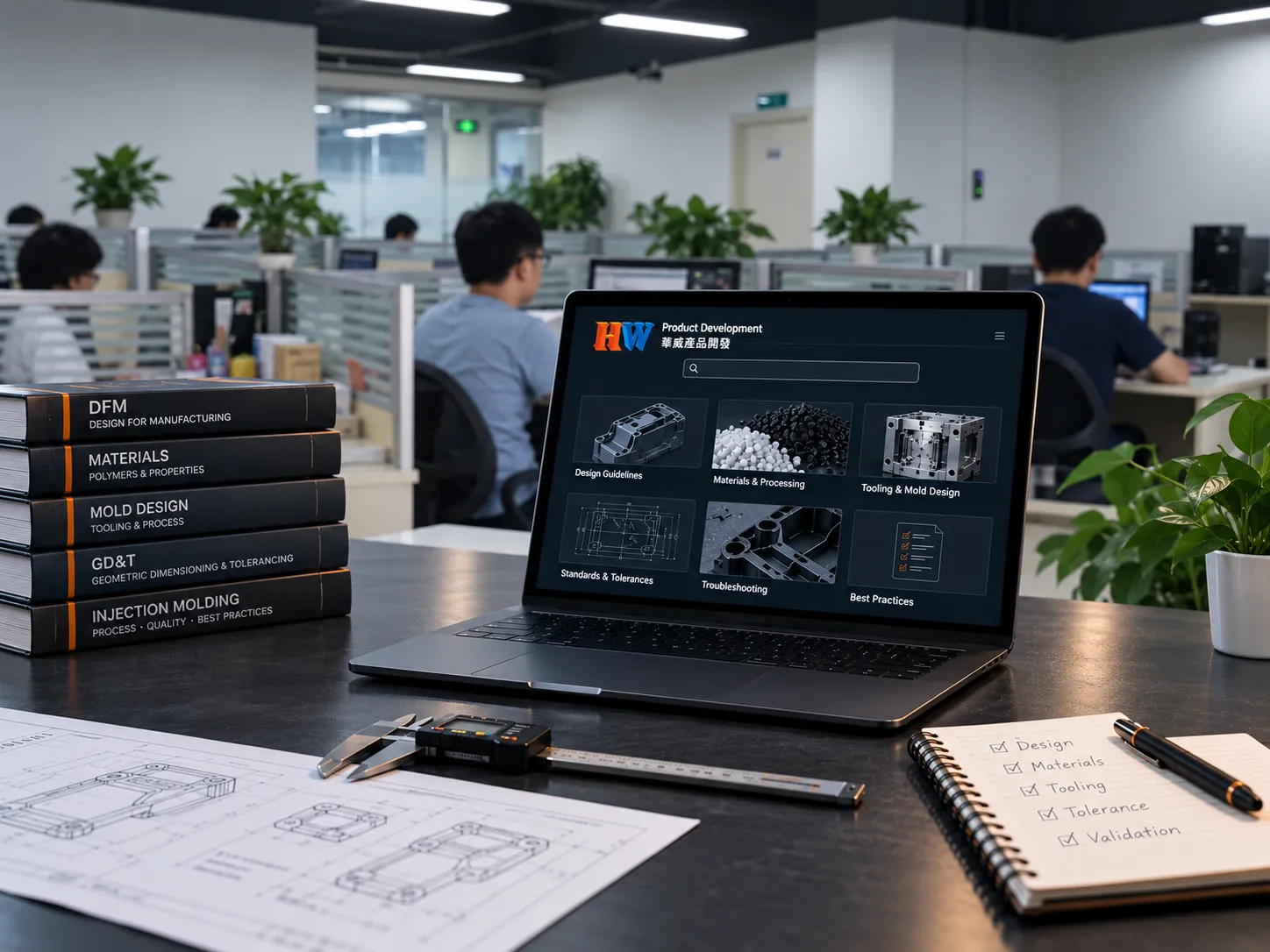
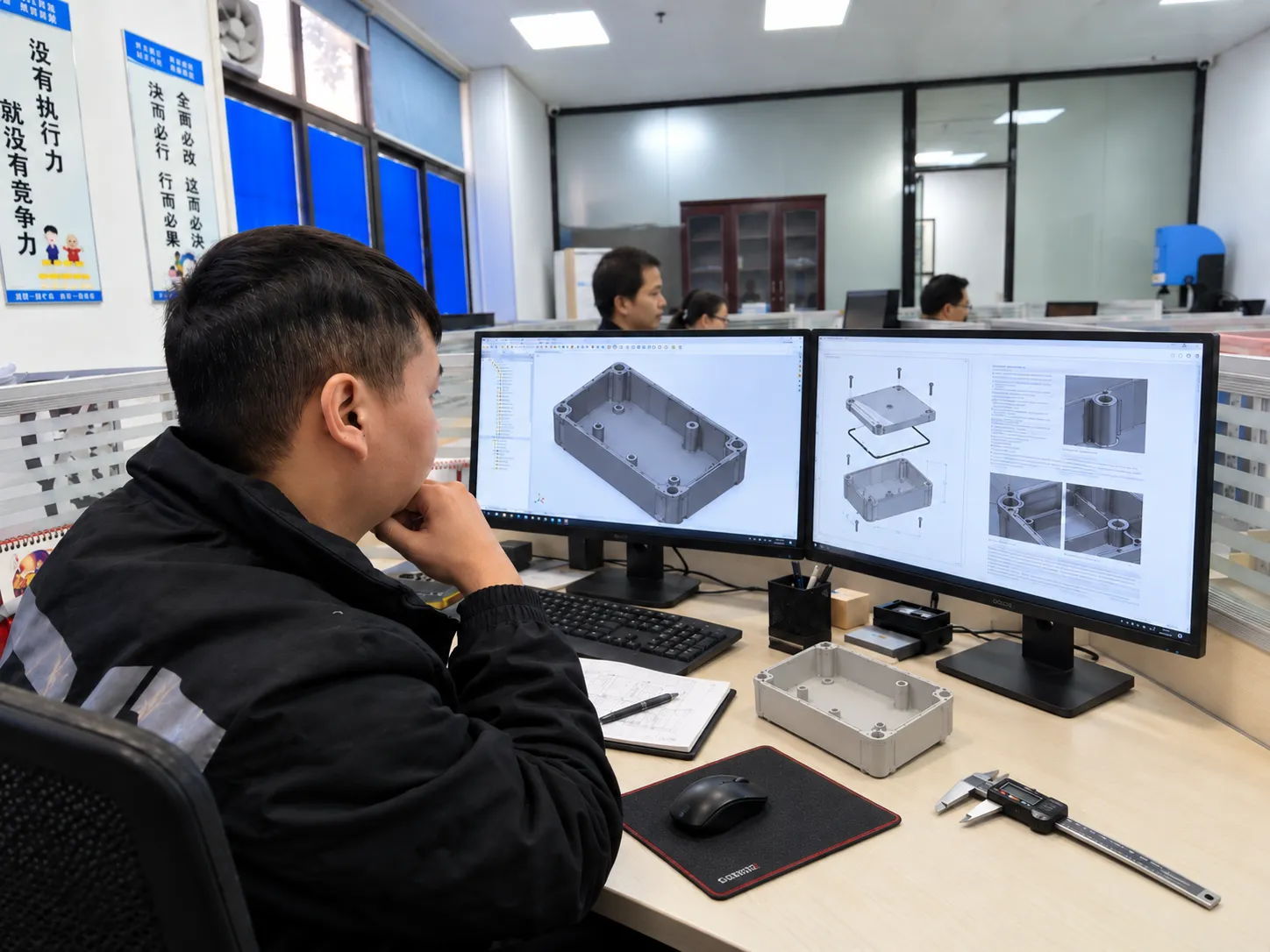


An undercut is not automatically a design mistake. Sometimes it is essential to the product. The problem starts when every undercut is treated as equally necessary. A small hook, side hole, reverse lip, or trapped surface can force the tool to add sliders, lifters, collapsible cores, unscrewing mechanisms, or manual inserts. The visible geometry may be small; the effect on mold architecture can be large.
| Key idea: Undercut ≠ bad design. Unexamined undercut = hidden tooling complexity. The useful question is whether the function is worth the mechanism it creates. |
1. What counts as an undercut in injection molding?
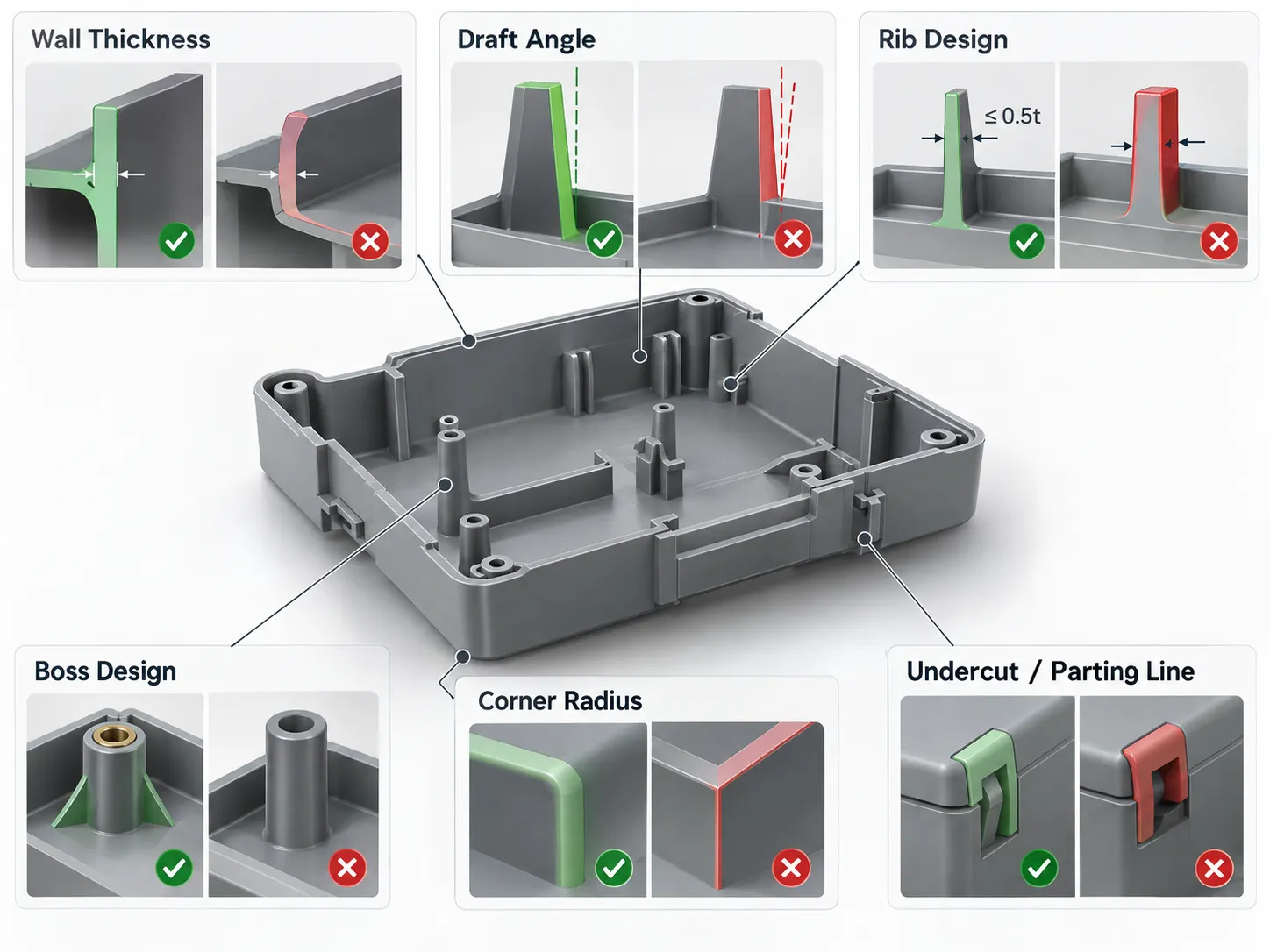
An undercut is any feature that prevents the part from releasing in the intended mold-opening direction. Typical examples include side holes, snap hooks, reverse ribs, internal ledges, threaded details, and geometry that traps the core or cavity.
The first step in a DFM review is therefore not “remove all undercuts.” It is to establish the natural pull direction and then identify which features conflict with it.
2. Why can a tiny feature change the whole mold?
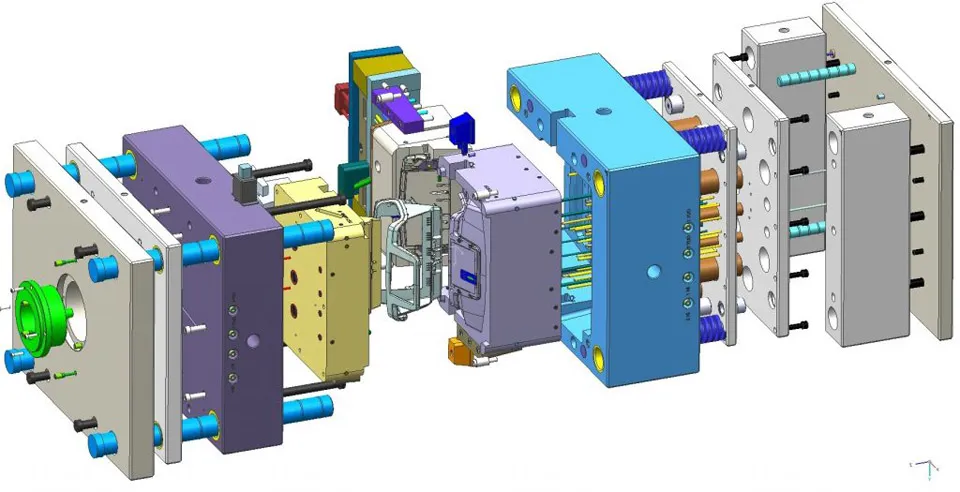
Because the mold must create that feature and then get out of the way before ejection. A side hole may require a slider. An internal hook may need a lifter. A continuous internal thread may require an unscrewing system. Each mechanism adds components, fits, wear surfaces, timing, maintenance, and possible failure modes.
This is why undercut cost should be evaluated at the mechanism level, not the geometry level. Two 3 mm features can have very different tooling consequences depending on where they sit relative to the parting line and pull direction.
3. Which undercuts are usually worth keeping?
Keep features that protect a real product function: retention, sealing, safety, connector position, user interaction, or a packaging constraint that cannot be achieved more simply. The right question is: if this feature disappears, what measurable function is lost?
If the answer is vague—“we have always drawn it that way” or “it looks cleaner”—the feature deserves another look. If the answer is concrete—“this hook provides the required retention force”—then the task is to find the most robust tooling method, not to remove the feature blindly.
4. When can a redesign eliminate the side action?
Many avoidable undercuts can be removed by changing the parting line, splitting one feature into two molding-friendly features, adding a pass-through opening, changing a clip direction, converting a closed pocket into an open slot, or moving a hole so it becomes parallel to the pull direction.
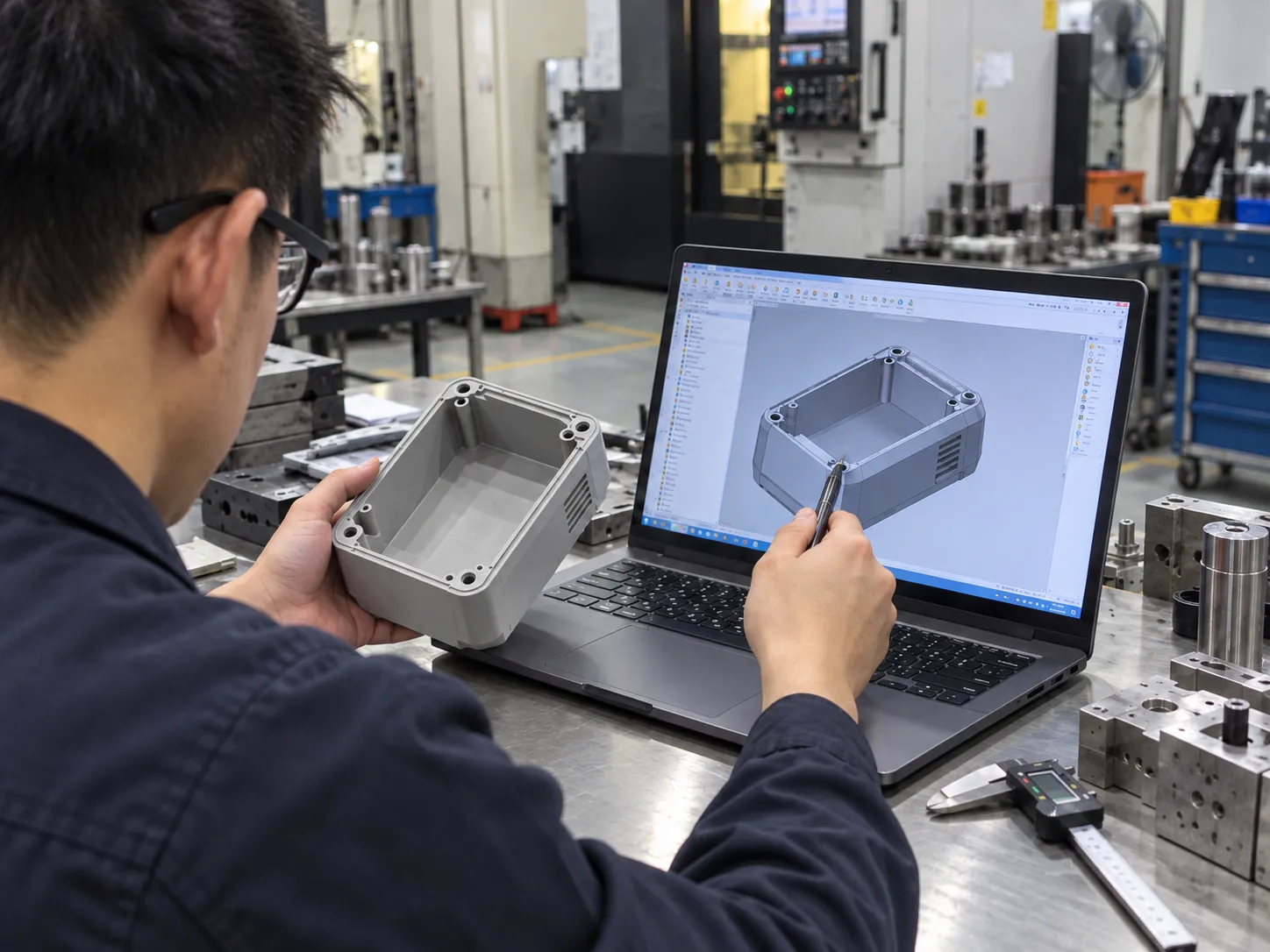
These changes are easiest to evaluate while the product and mold design are still connected. Once the mold structure is frozen, a “small” product change may require reworking several steel components.
5. When is a slider better than a lifter?
A slider generally moves laterally before ejection and is well suited to external side features or side holes. A lifter combines angled movement with ejection and is often used for internal hooks or features that need to move away while the part is being pushed off the core.
There is no universal rule that one is cheaper or better. The choice depends on travel, available space, feature depth, wear, ejection sequence, mold size, service access, and the risk of marking or distorting the part. What matters is whether the mechanism has enough clearance and support to work repeatedly.
6. What should you ask before approving an undercut mechanism?
Instead of asking only for the tooling price, ask for the reasoning:
- What product function requires this undercut?
- Can the parting line or pull direction remove it?
- What mechanism creates and releases it?
- How much travel and clearance are required?
- What happens if the component wears or sticks?
- Is the mechanism accessible for maintenance?
- Could a product change simplify the tool without hurting function?
7. Why does simplification matter after the mold is built?
The real cost of complexity appears over the life of the tool. More moving components mean more fitting, lubrication, sensors or interlocks, spare parts, wear inspection, and troubleshooting. A mechanism that saves a design revision today may become a recurring source of downtime later.
That is why undercut decisions should connect DFM to actual mold manufacturing and later injection molding. The best solution is not the cleverest mechanism. It is the simplest mechanism that reliably preserves the required product function.
What a good outcome looks like
The useful way to review undercuts is not “remove them” versus “keep them.” Treat each one as a relationship between product function and tooling consequence. If a feature creates a slider or lifter, make sure the functional value is clear, compare at least one simpler geometry option, and understand the maintenance burden that follows. A small design change that removes unnecessary motion from the mold can improve cost, lead time, reliability, and serviceability at the same time.