

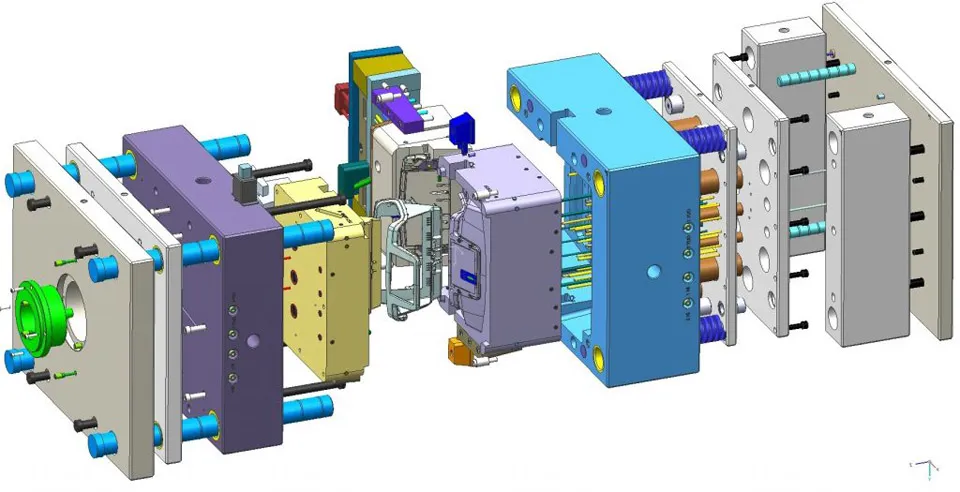





Injection mold steel selection is a tooling-system decision, not a material ranking exercise. A steel that is economical and stable for a large general-purpose housing may be a poor choice for a highly polished clear part or for an abrasive glass-filled resin. Conversely, specifying premium steel throughout a mold can increase machining and heat-treatment cost without improving the areas that actually control tool life.
The useful starting point is to connect steel choice with the mold design, resin, expected production conditions, surface finish, and maintenance plan before the tool structure is finalized.

1. What determines the right mold steel?
Five questions usually define the decision: What resin will be molded? What surfaces are appearance-critical? Where will wear be concentrated? How long is the production program expected to run? What maintenance and repair strategy is acceptable?
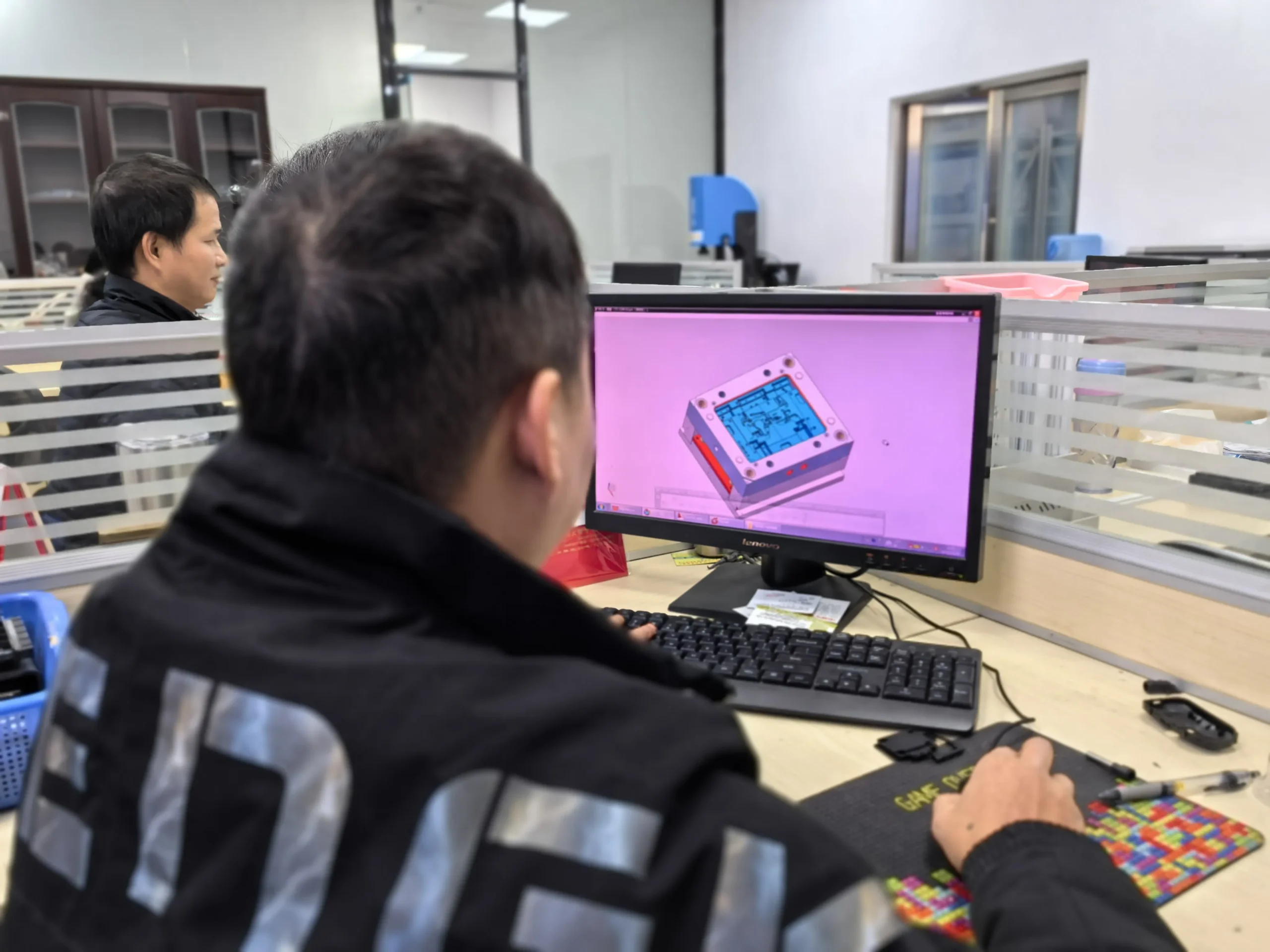
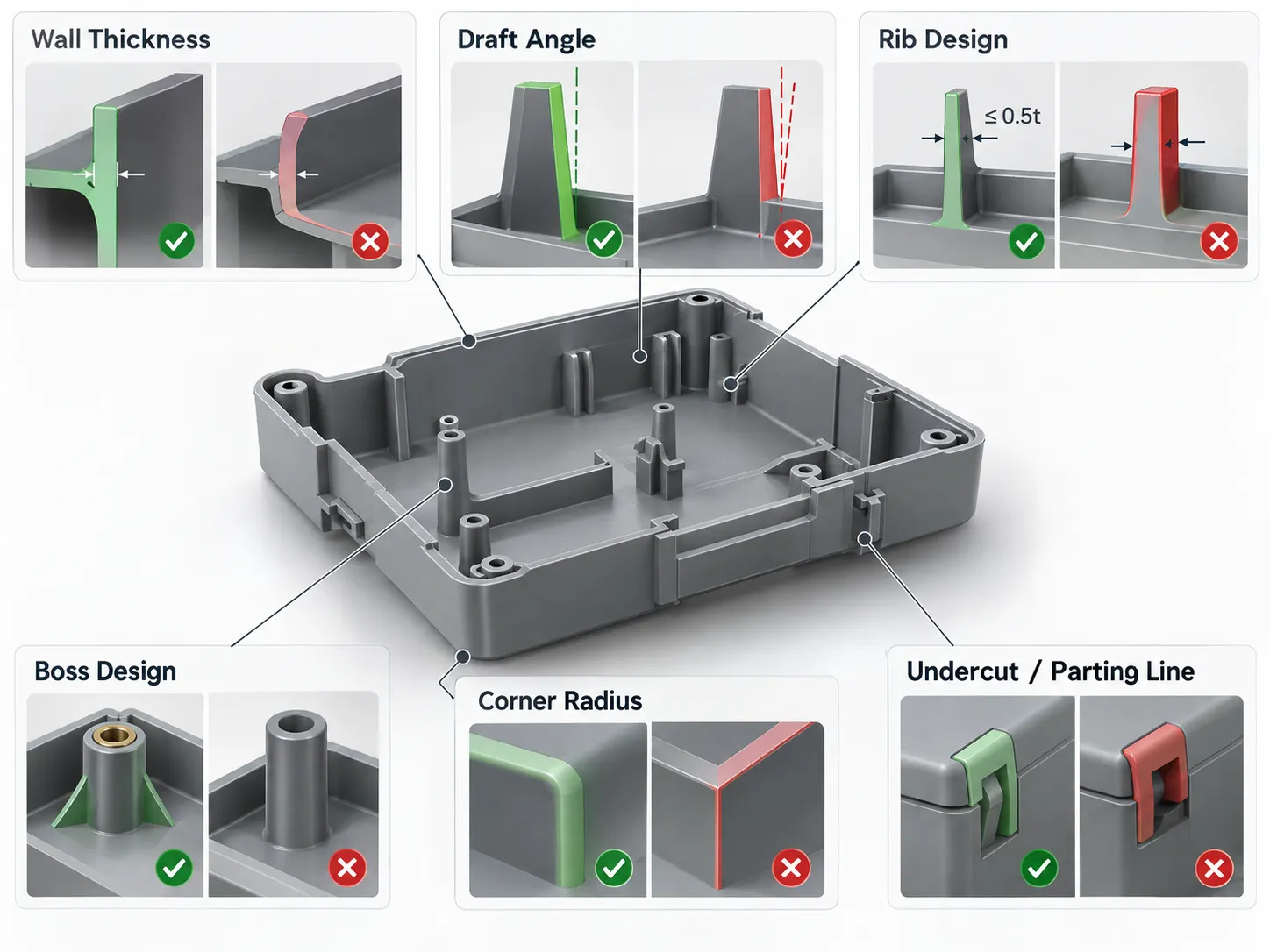
These questions are easier to answer during DFM analysis because product geometry, resin, annual volume, texture, corrosion exposure, and difficult wear features are still visible as one system.
2. How do the common steel families differ?
The grades below are commonly discussed because each solves a different tooling problem. The table is a selection framework rather than a universal ranking.
| Steel | Primary strength | Typical fit | Main trade-off |
| P20 | General-purpose balance and machinability | Medium/large molds, housings, industrial and trim parts | Less suited to severe corrosion or highly abrasive long-run conditions |
| 718H | Improved uniformity and surface response | Medium/large molds needing better finish and stability | Higher material cost than basic general-purpose steel |
| NAK80 | Polishability and stable supplied condition | Cosmetic housings, control panels, appearance-critical parts | Best justified when surface quality creates real value |
| S136 | Corrosion resistance and polishability | Clear, medical, corrosive-resin, clean or humid applications | Requires appropriate machining, heat treatment and maintenance |
| H13 | Wear and thermal resistance | Cores, inserts, slides, high-stress localized features | Often unnecessary for the complete mold |
3. P20: when is a general-purpose pre-hardened steel appropriate?
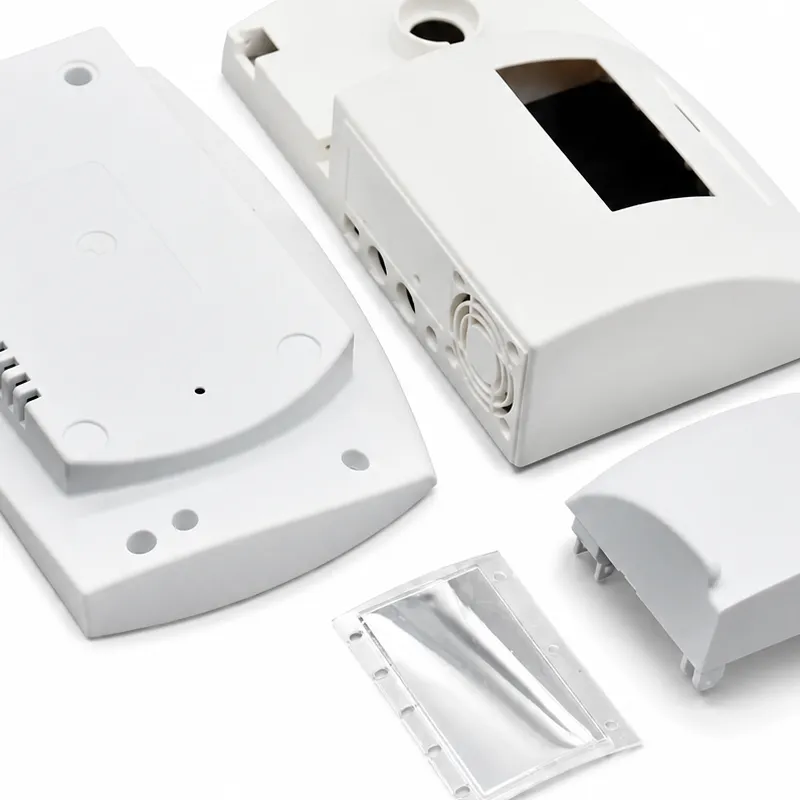
P20 is commonly considered for medium and large plastic molds where predictable machining, practical cost, and general-purpose performance are more important than maximum corrosion resistance or mirror polishing. Housings, industrial parts, and automotive trim are typical application types.
For abrasive resin or a long production program, the entire tool does not necessarily need to change grade. High-wear gates, shutoffs, cores, or inserts can be upgraded locally while the larger block remains a more economical material.
4. 718H: when does improved uniformity matter?
718H is often selected when a medium-to-large mold needs better hardness uniformity, polishing response, or dimensional stability than a basic general-purpose pre-hardened steel. It can be useful where surface quality and longer service life matter but a corrosion-resistant stainless tool is not required.
The decision between P20 and 718H should therefore be tied to the part surface, tool size, expected maintenance, and how critical stable cavity geometry is over the production life.
5. NAK80: why is it associated with cosmetic molds?
NAK80 is known for good machinability, stable supplied hardness, and strong polishing response. It is often considered for consumer electronics housings, control panels, and appearance-critical plastic parts where texture, gloss, or polished surfaces need to remain consistent.
Its value comes from the surface and dimensional requirements it supports. It should not be specified automatically when those requirements are absent.
6. S136: when is corrosion resistance part of the tooling requirement?
S136-type stainless mold steels are relevant when corrosion resistance, clean molding conditions, or high polishability is important. Typical reasons include clear parts, some medical applications, corrosive flame-retardant resins, humid storage, or cooling environments that create corrosion risk.
Steel selection still has to be reviewed with heat treatment, polishing, cooling-water management, and the actual resin. Stainless tooling reduces one risk; it does not remove the need for good mold maintenance.

7. H13: why is it often used selectively?
H13 is a hot-work tool steel commonly used for high-stress inserts, cores, slide components, and areas exposed to repeated wear or elevated thermal load. In plastic tooling it is often more useful as a localized material than as the material for the entire mold.
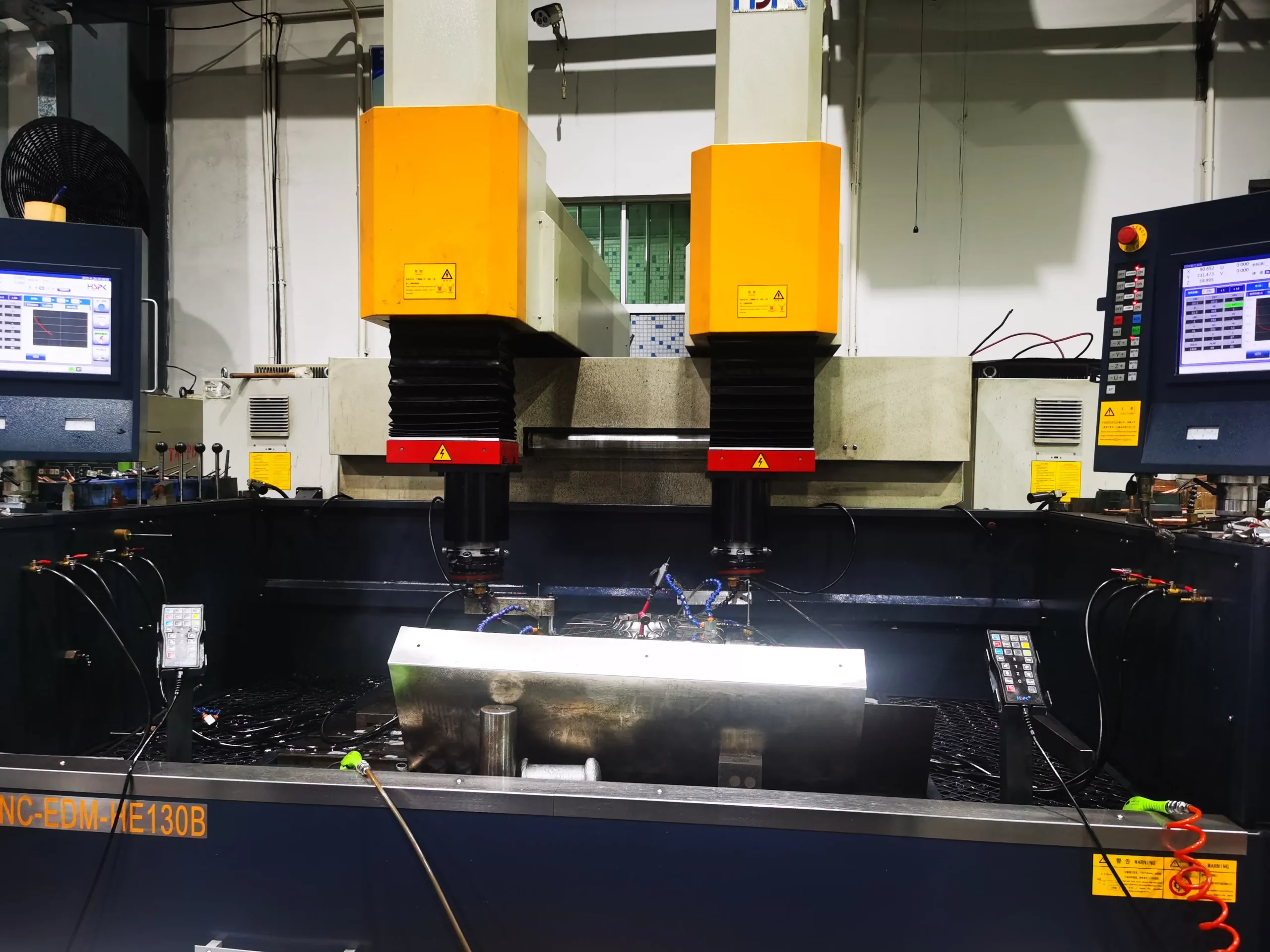
This modular approach also improves serviceability during mold manufacturing because worn inserts can be repaired or replaced without rebuilding a complete cavity block.
8. When are localized inserts better than upgrading the whole mold?
Localized inserts make sense when the failure mechanism is concentrated. Gate areas, thin cores, shutoffs, slide faces, and glass-fiber flow paths may need higher wear resistance even if the rest of the cavity does not.
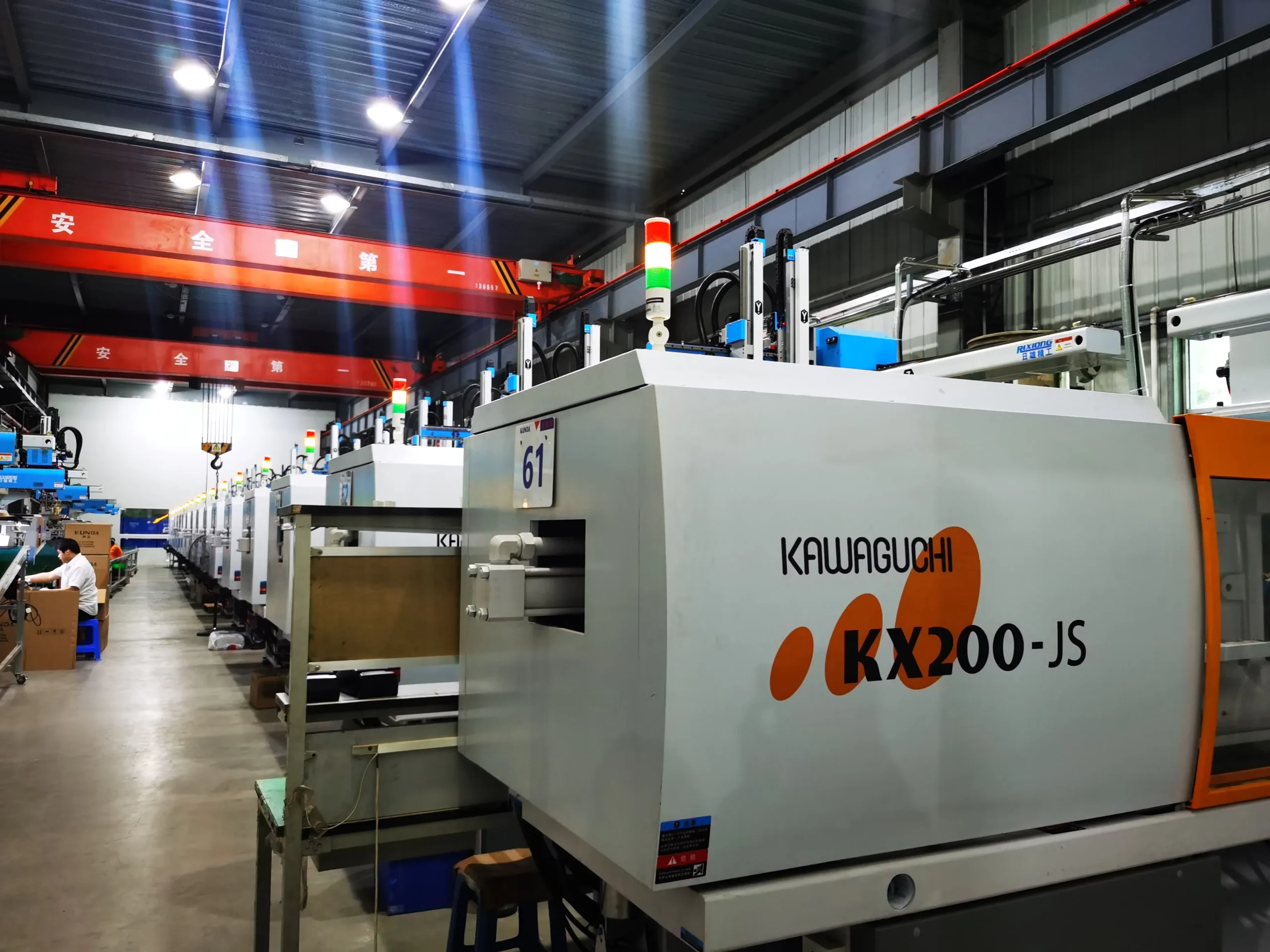
The same logic applies during injection molding: production data should show where wear, corrosion, flash, or dimensional drift actually develops. Tool steel strategy can then follow the real failure pattern rather than a blanket specification.
9. What should a mold-steel specification include?
Before tooling release, record the selected steel by mold component, the reason for the choice, required surface finish, expected resin, corrosion or abrasion concerns, heat-treatment requirement if applicable, spare-insert strategy, and any maintenance-sensitive areas. That turns ‘use good steel’ into a traceable engineering decision.