




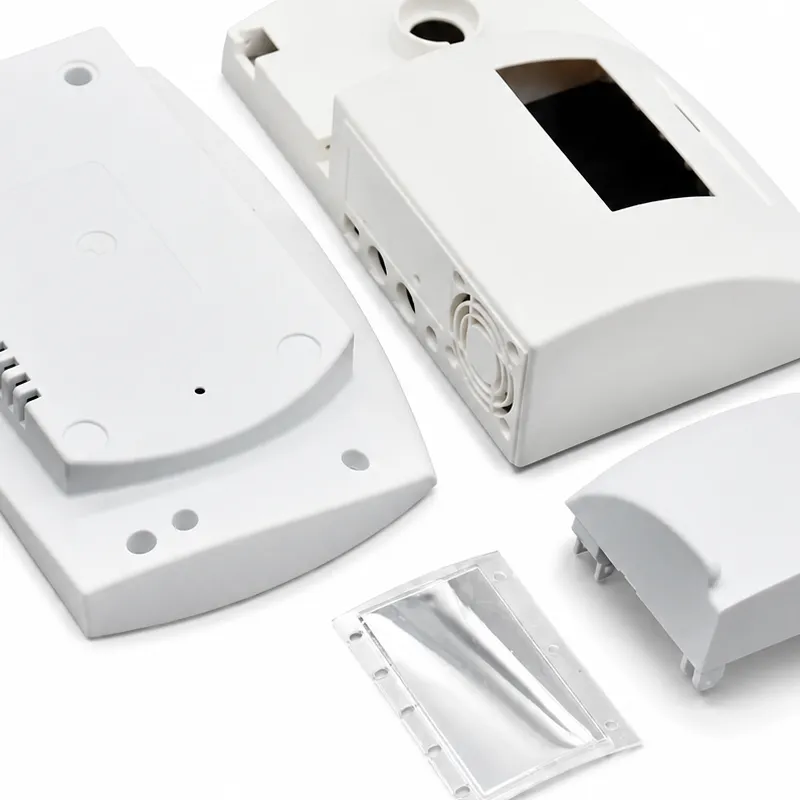
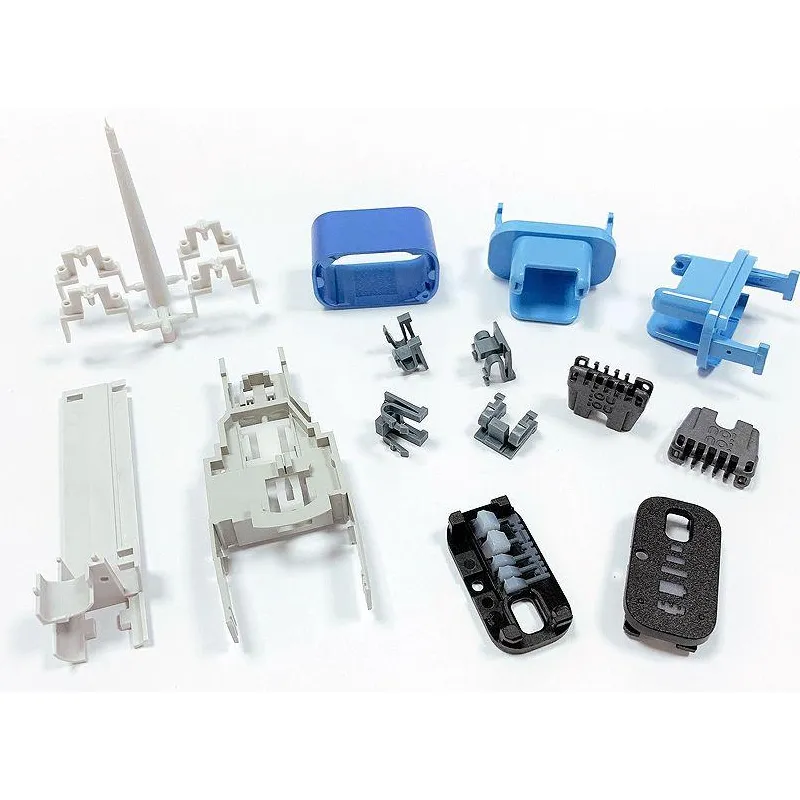
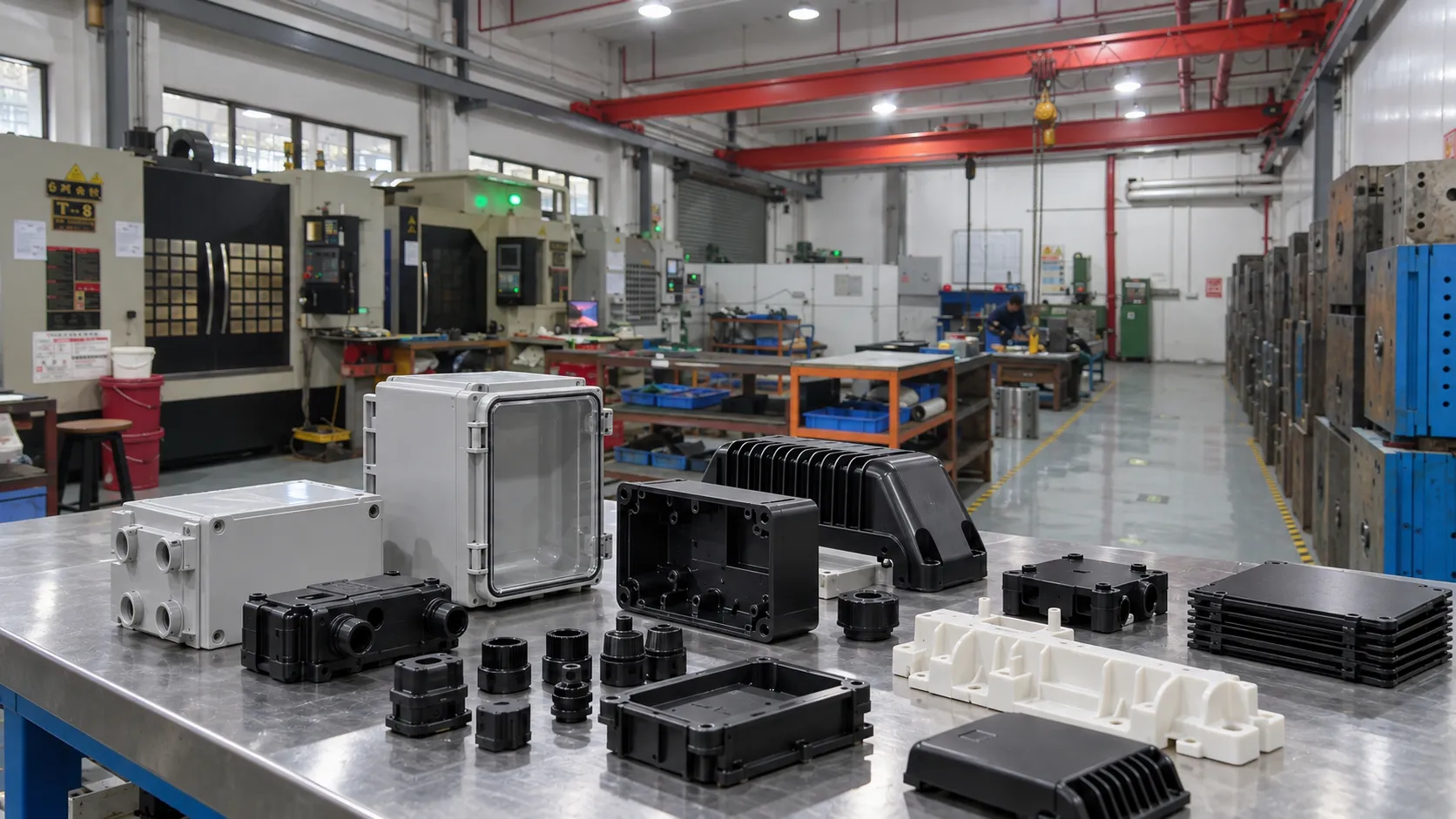

Collaborative robots are moving out of controlled factory cells and into warehouses, laboratories, and shared workspaces. That change raises the standard for every visible plastic component. A robot cover must look precise, protect sensitive electronics, tolerate frequent cleaning, and remain consistent across thousands of units. For one robotics startup, HWPD delivered 8,000 cover panels with a Class A finish, IP54 sealing, and stable color matching from the first production batch to the last.
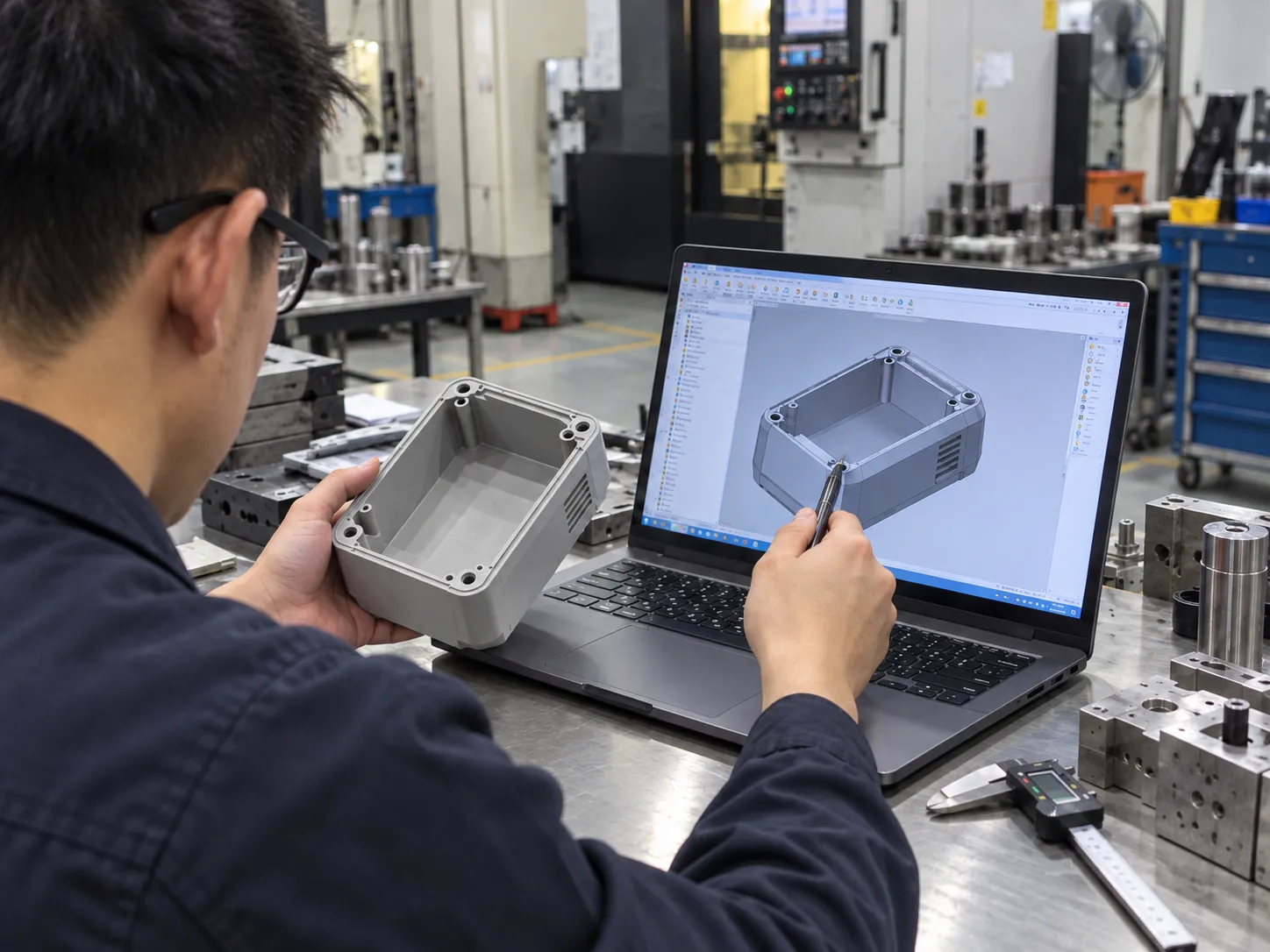
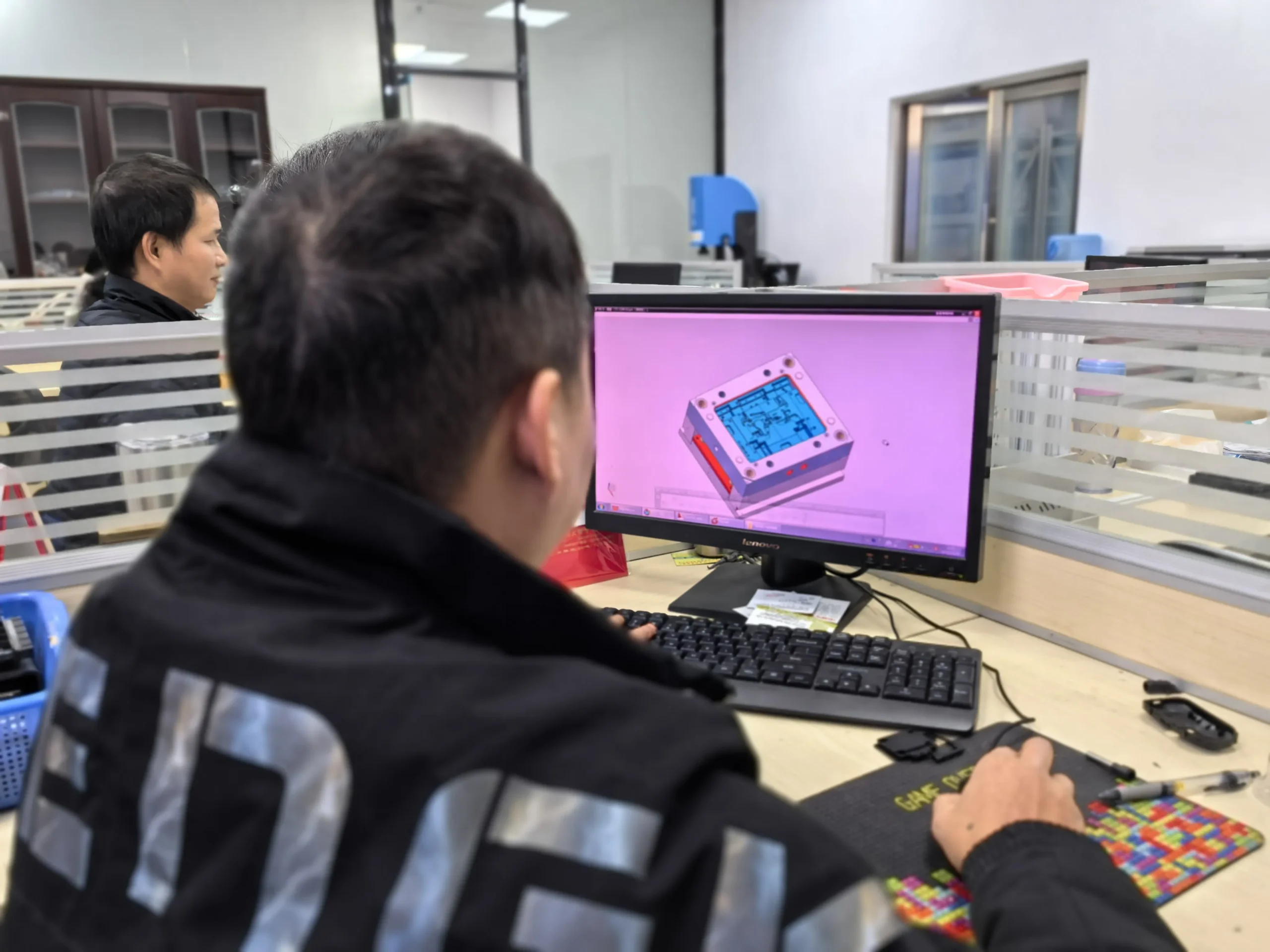
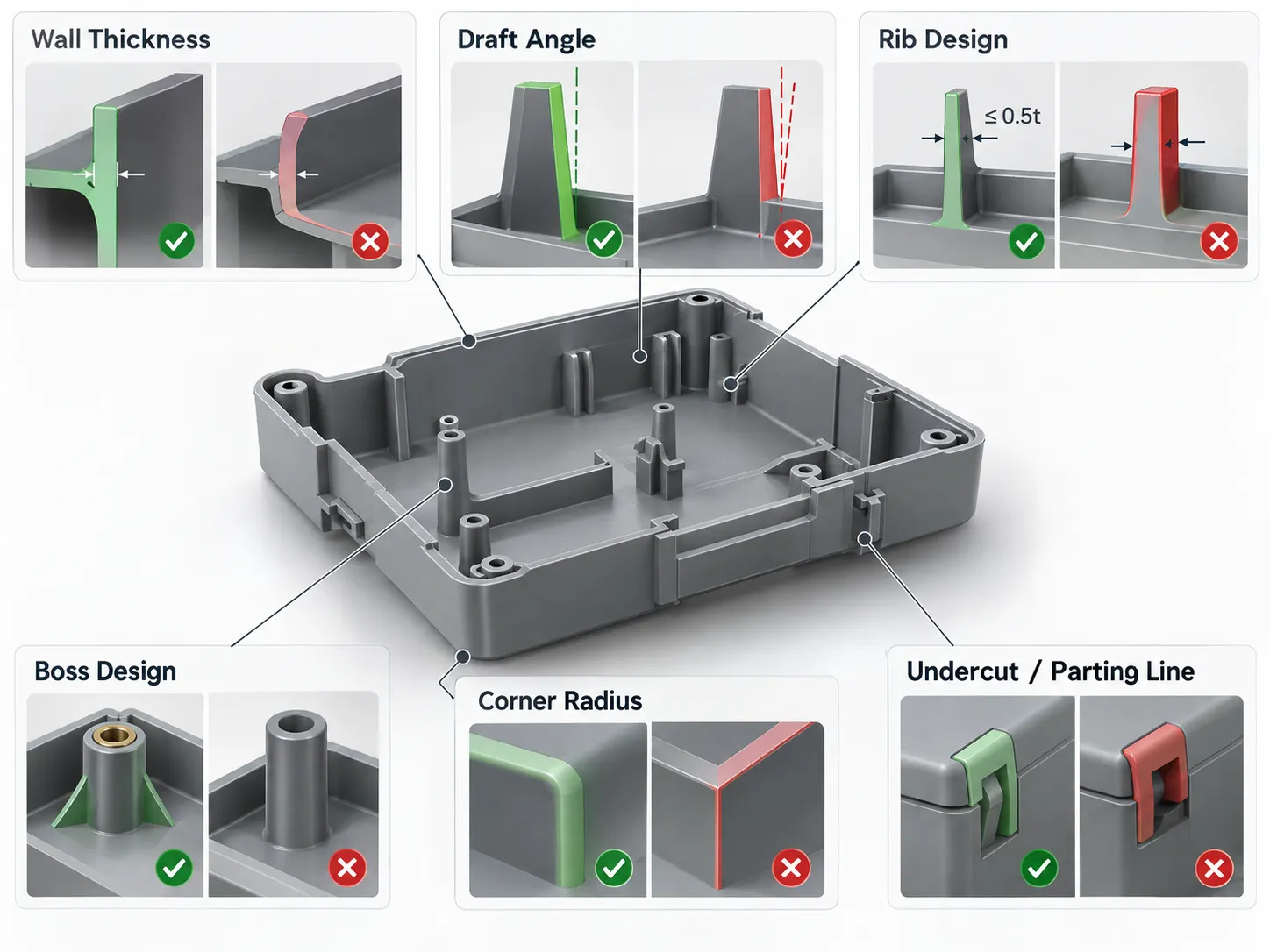
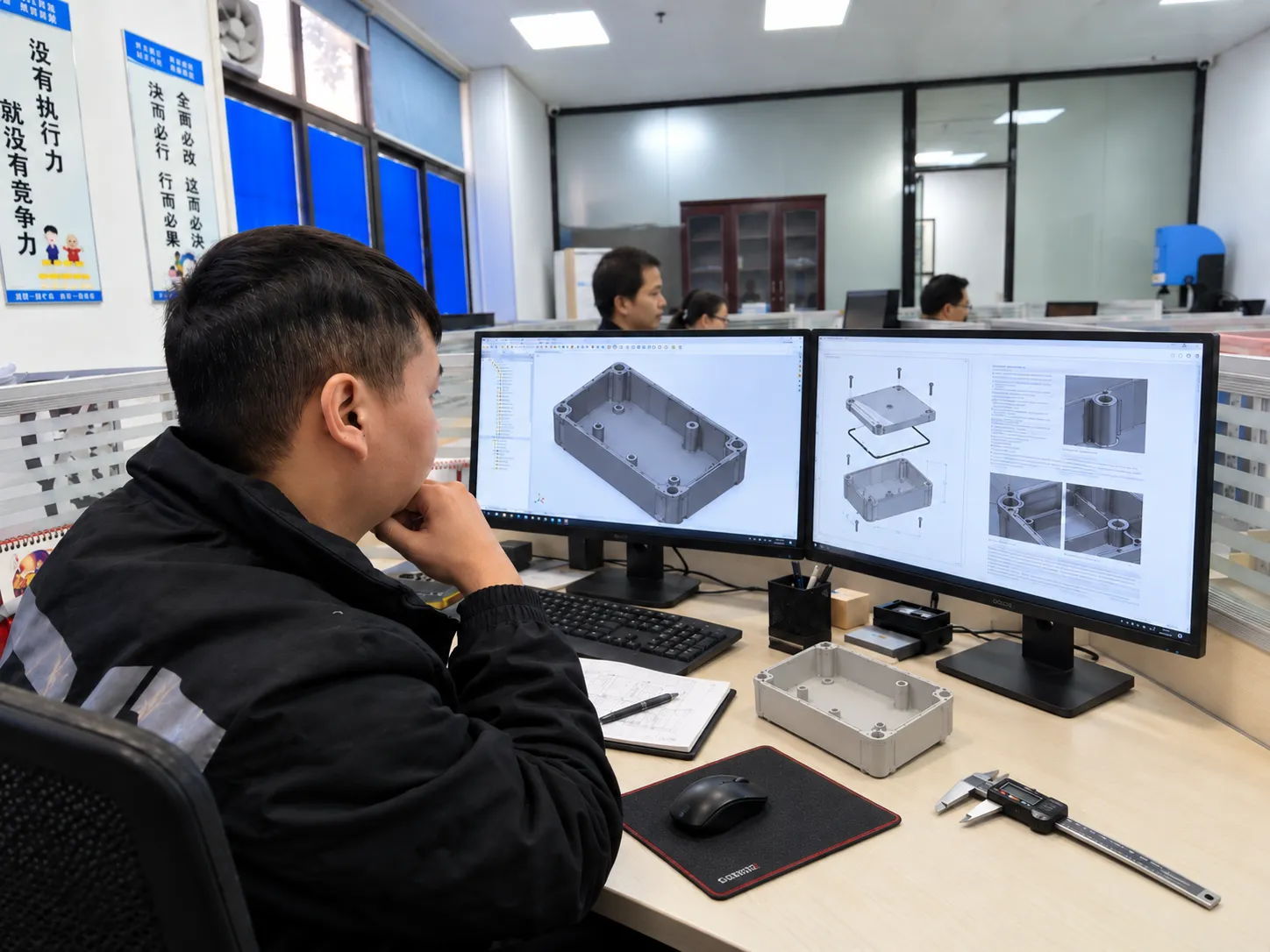
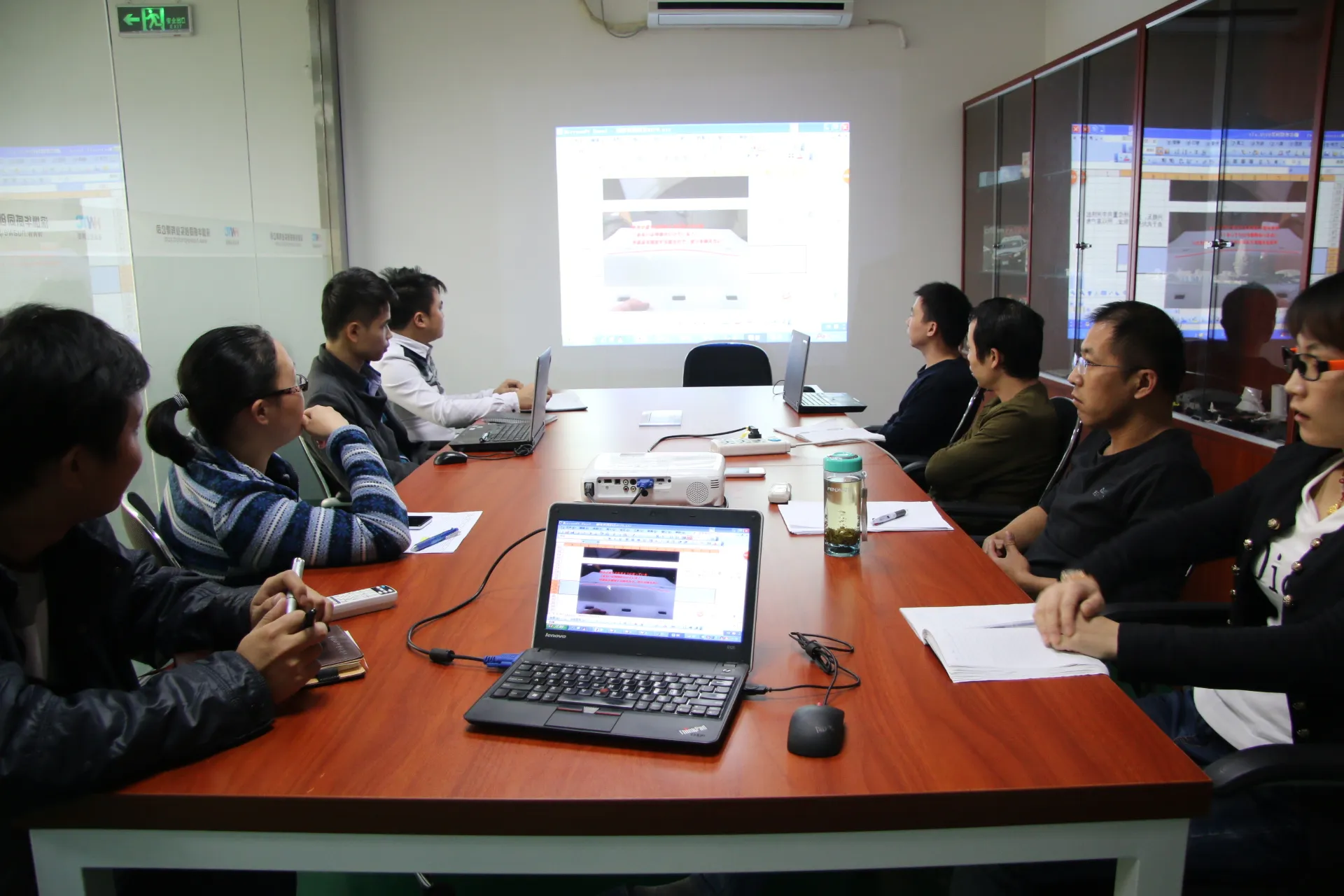
The project began with a DFM review of the customer’s CAD data. The most important risk was not the outside shape. It was the snap-fit geometry hidden on the inside of the cover. Several clips were too rigid for reliable ejection and would have created stress whitening during assembly. HWPD’s engineers adjusted the clip root radius, balanced wall thickness, and recommended a controlled draft strategy around the textured surfaces. This work helped the team avoid cosmetic damage before the mold was released.

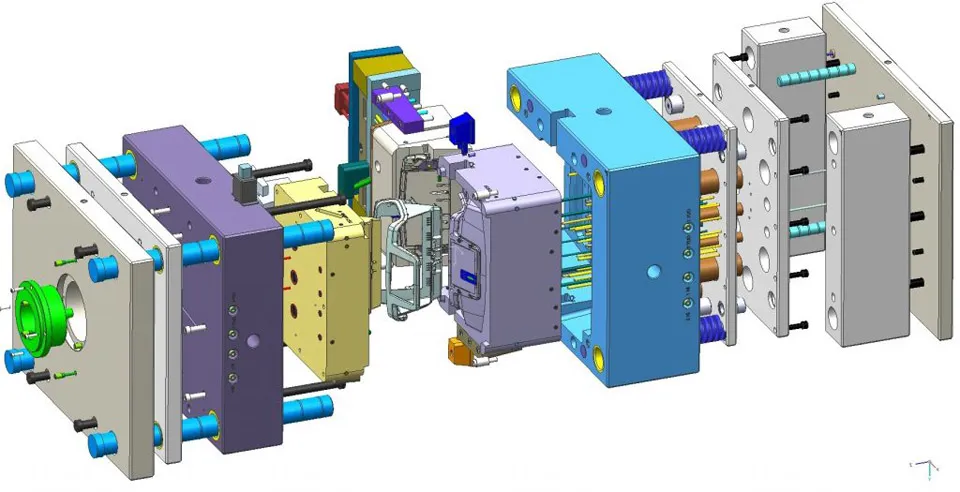
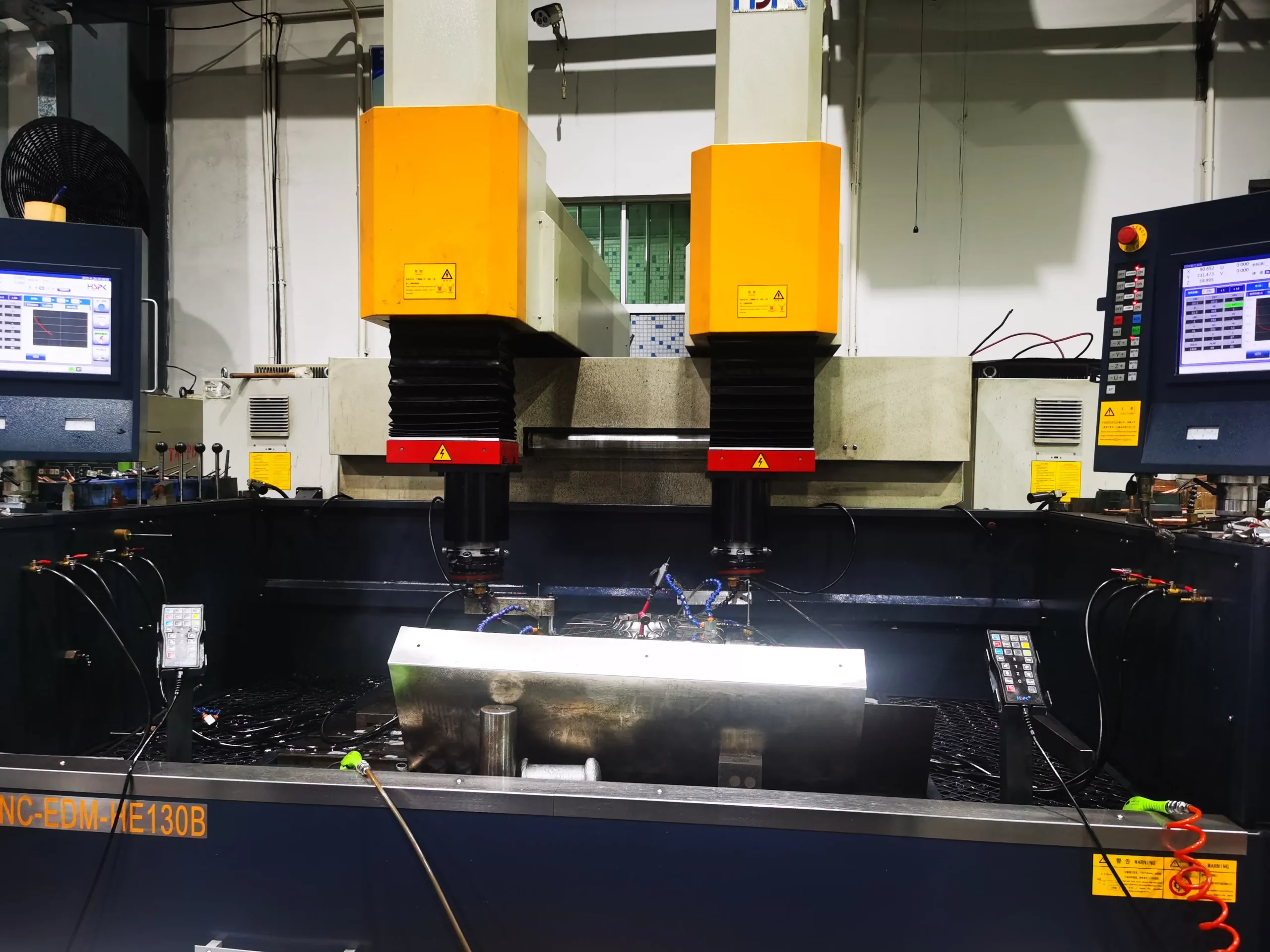
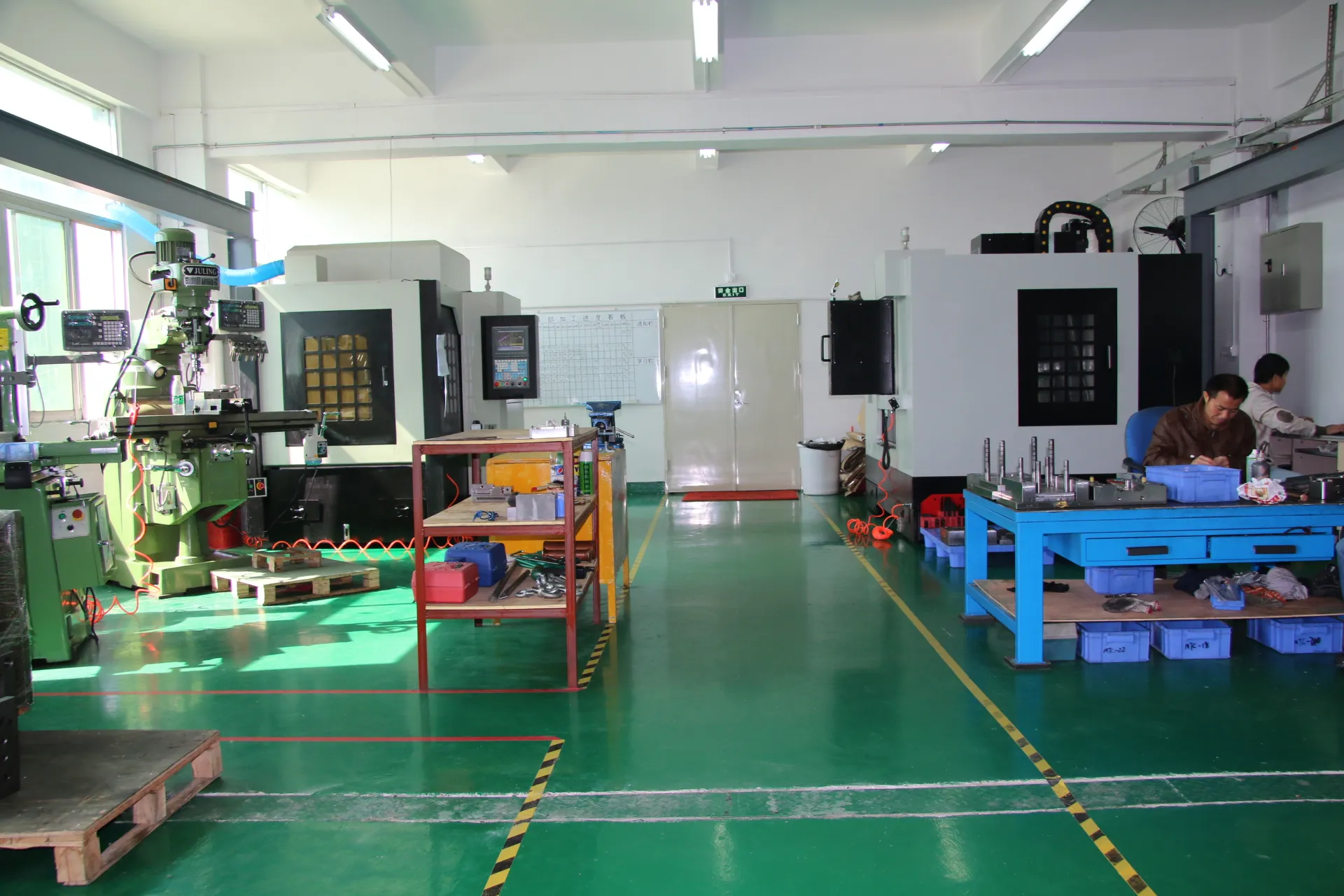
Tooling was designed around the appearance requirements of the housing. The parting line was moved away from the primary styling edge, while shutoff surfaces were kept outside the operator’s normal viewing angle. Gate location was selected to keep weld lines away from the robot’s visual front face. These decisions are typical of a professional mold design review and are especially important for robotics products where every panel is visible.
Material selection also had to support the operating environment. The final resin provided the required impact strength and dimensional stability while accepting a controlled color masterbatch. HWPD used sample plaques and approved color standards before production. Mold temperature, packing pressure, and cooling time were documented so that the surface gloss stayed within the agreed range.
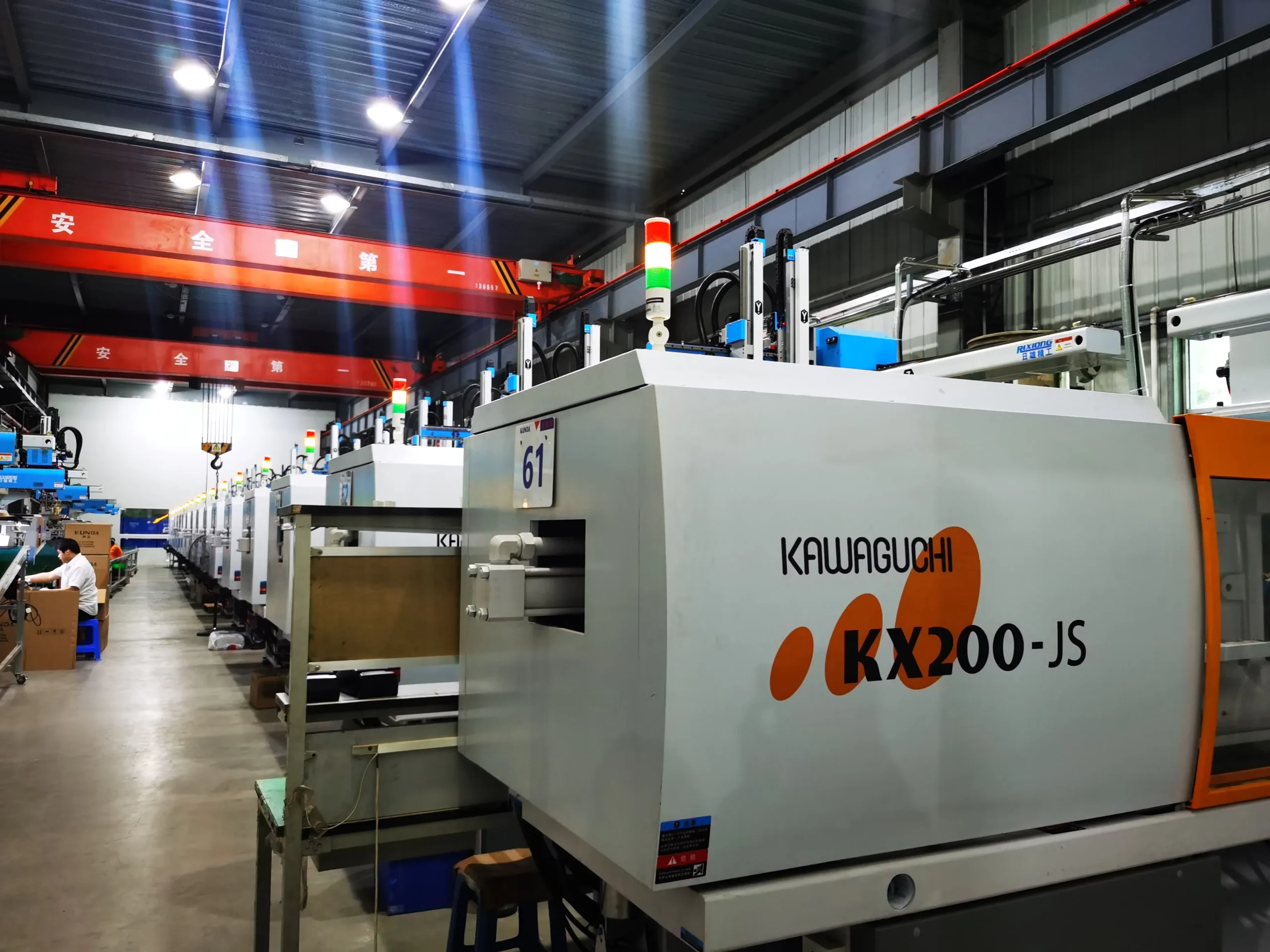
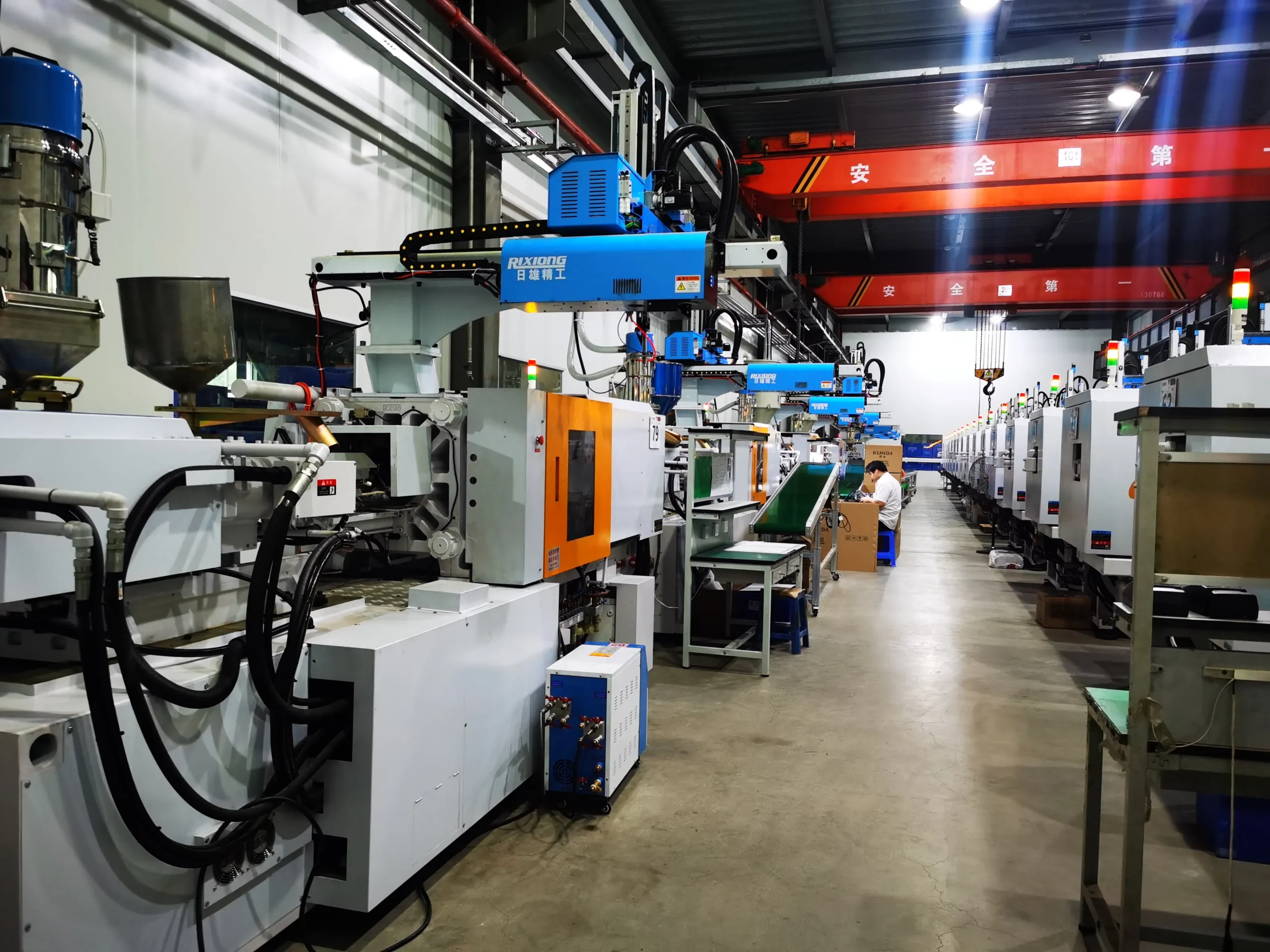
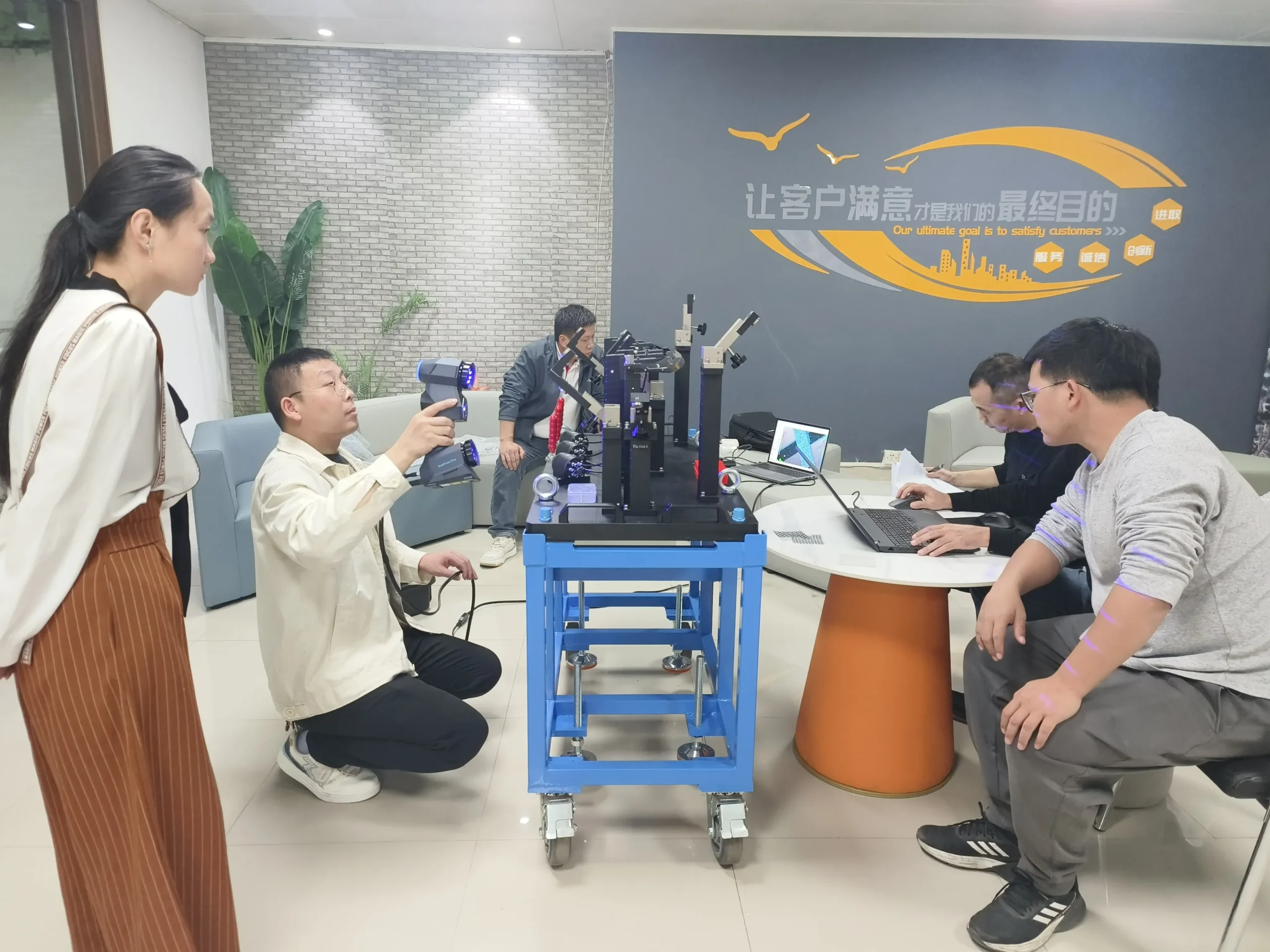
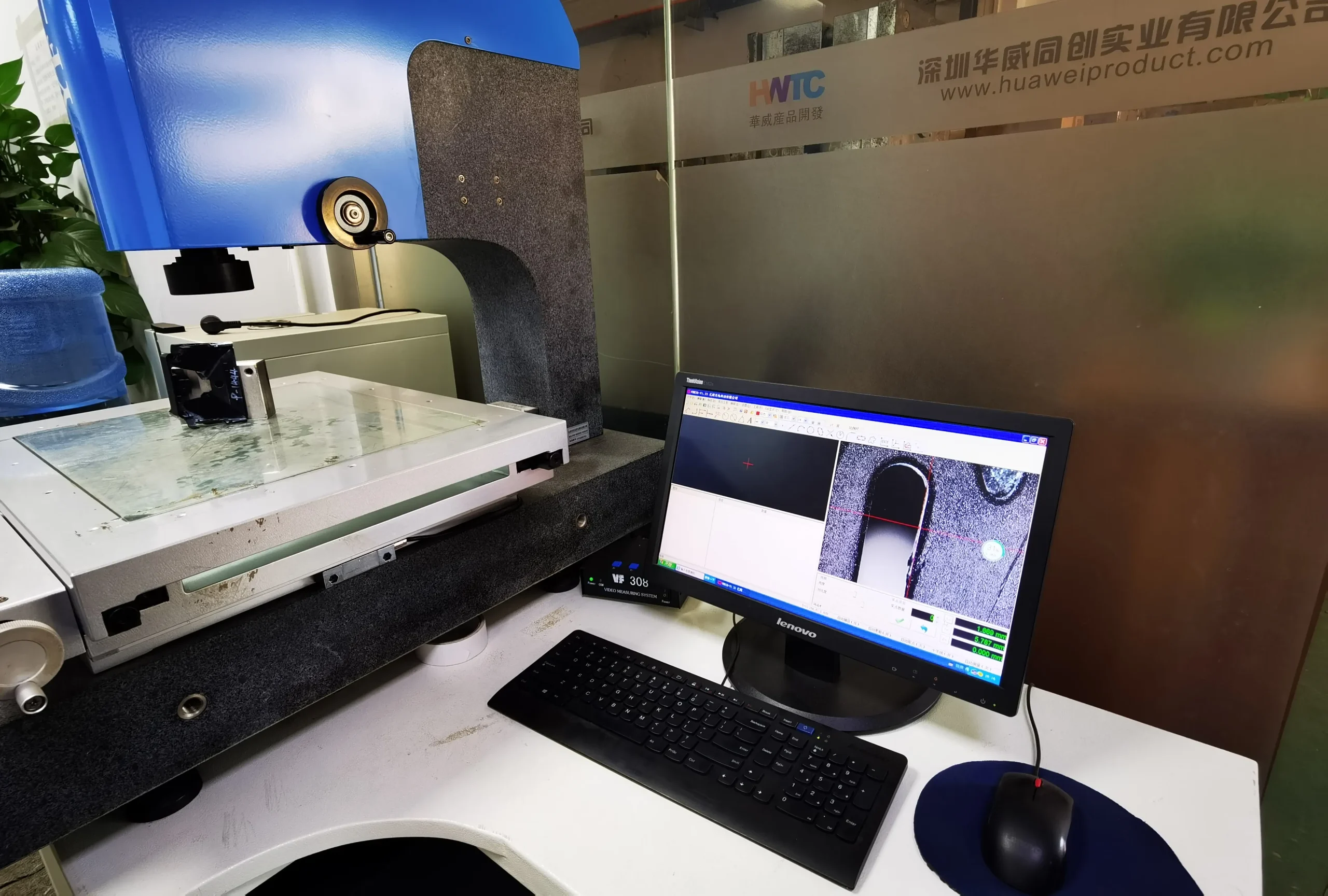
During T1 sampling, the customer found a release-angle issue around one internal rib. Instead of waiting for a production problem, HWPD corrected the local geometry and polished the affected area during the mold trial. The revised samples assembled cleanly and passed sealing checks without additional handwork. Production then moved into a monitored injection molding program with first-piece approval, hourly visual checks, and periodic dimensional audits..
The result was a repeatable cover panel that protected the electronics and preserved the product’s premium appearance. More importantly, the startup gained a manufacturing partner able to connect industrial design, tooling, molding, and quality documentation in one workflow. For robotics teams preparing a launch, early engineering review is often the fastest way to reduce tooling changes and protect the schedule.