




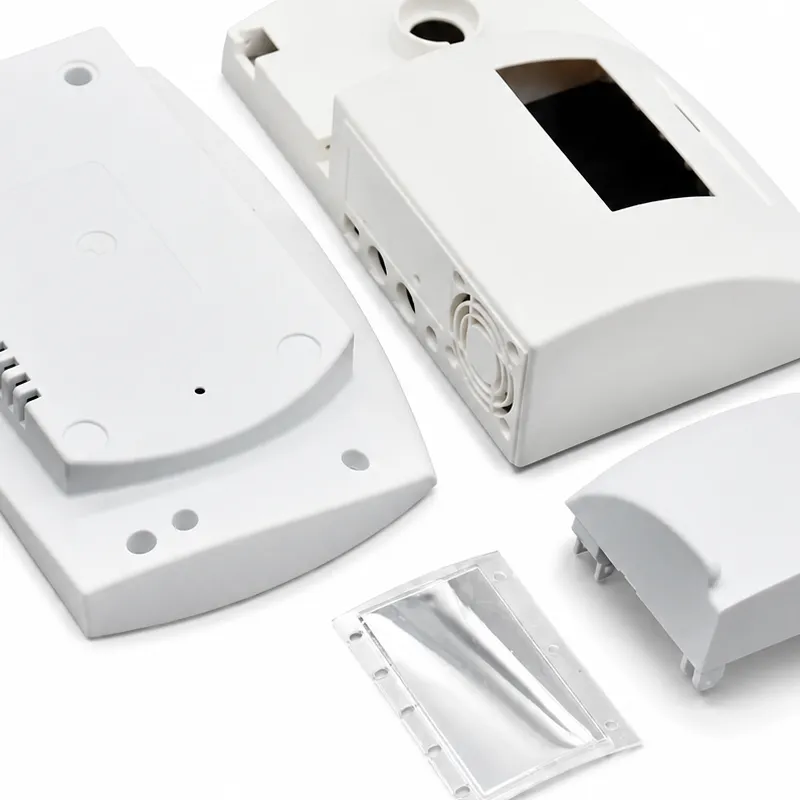
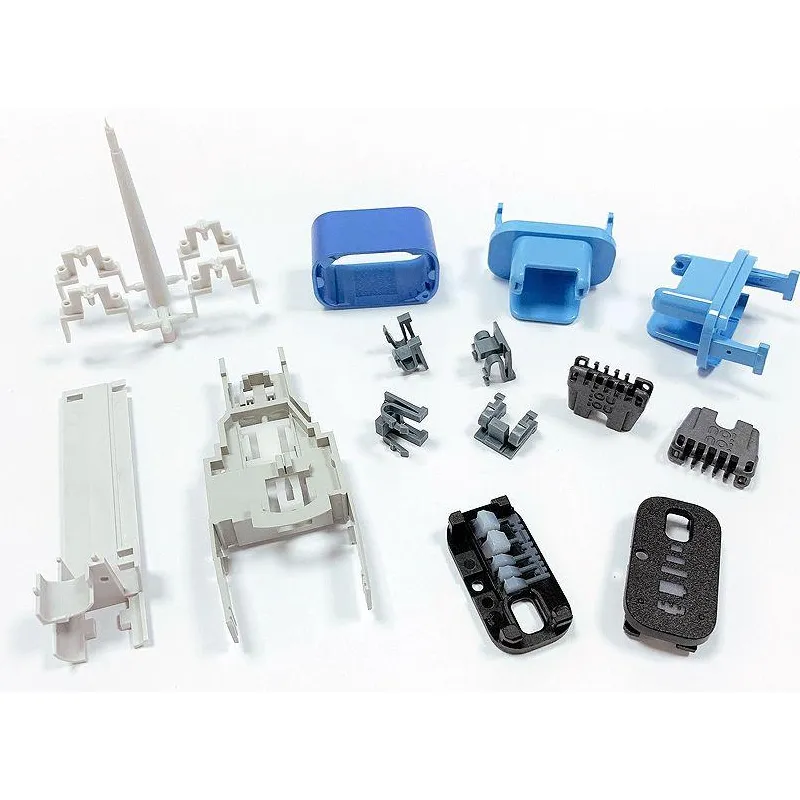
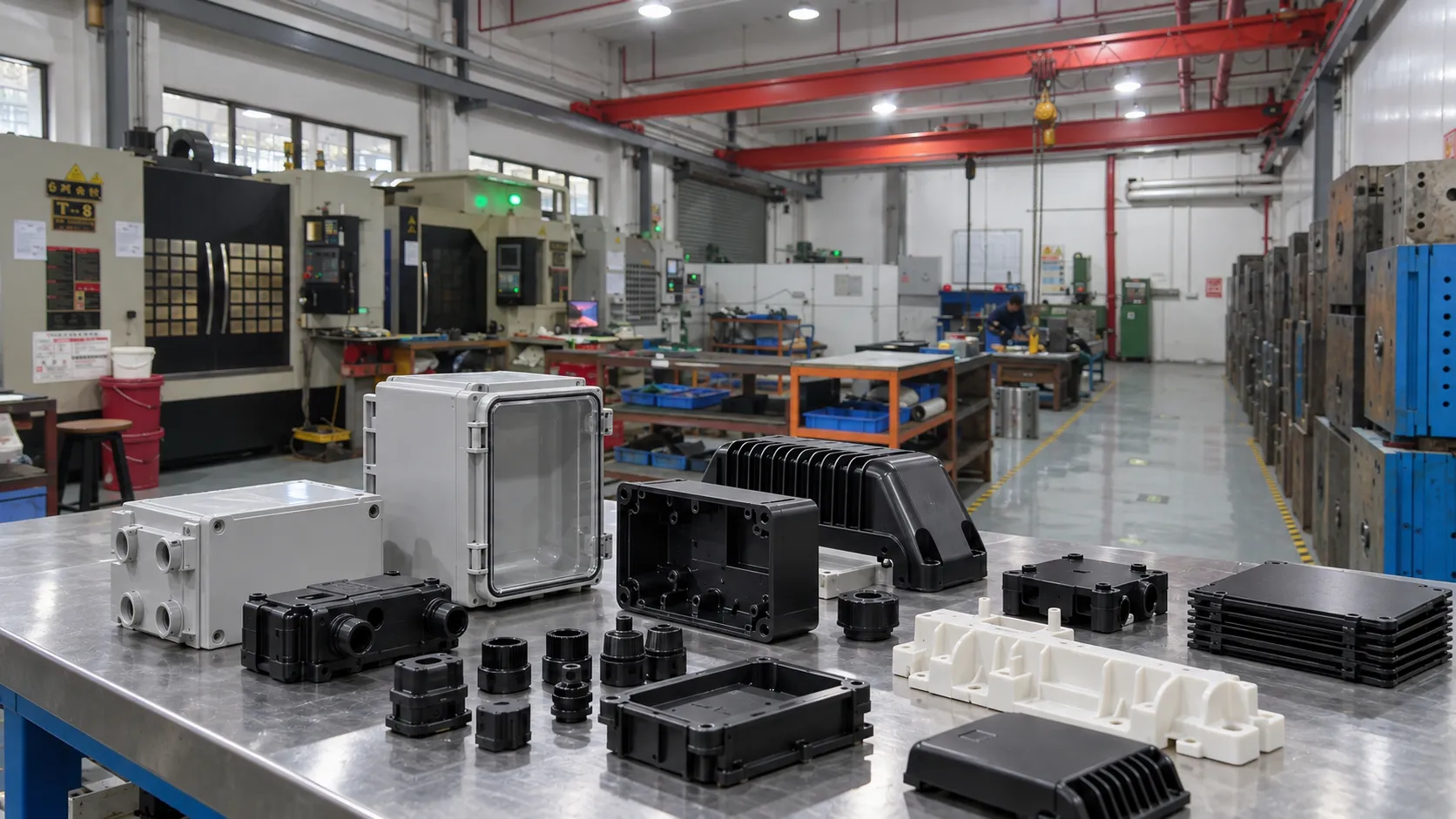


Medical device housings must combine patient safety, reliable sealing, and repeatable production. A wearable continuous glucose monitoring program required a 0.7 mm wall, IP67 protection, biocompatible TPU overmolding, and ISO Class 7 cleanroom production. HWPD managed the tooling and validation work so the customer could move from engineering samples to regulated production with confidence.
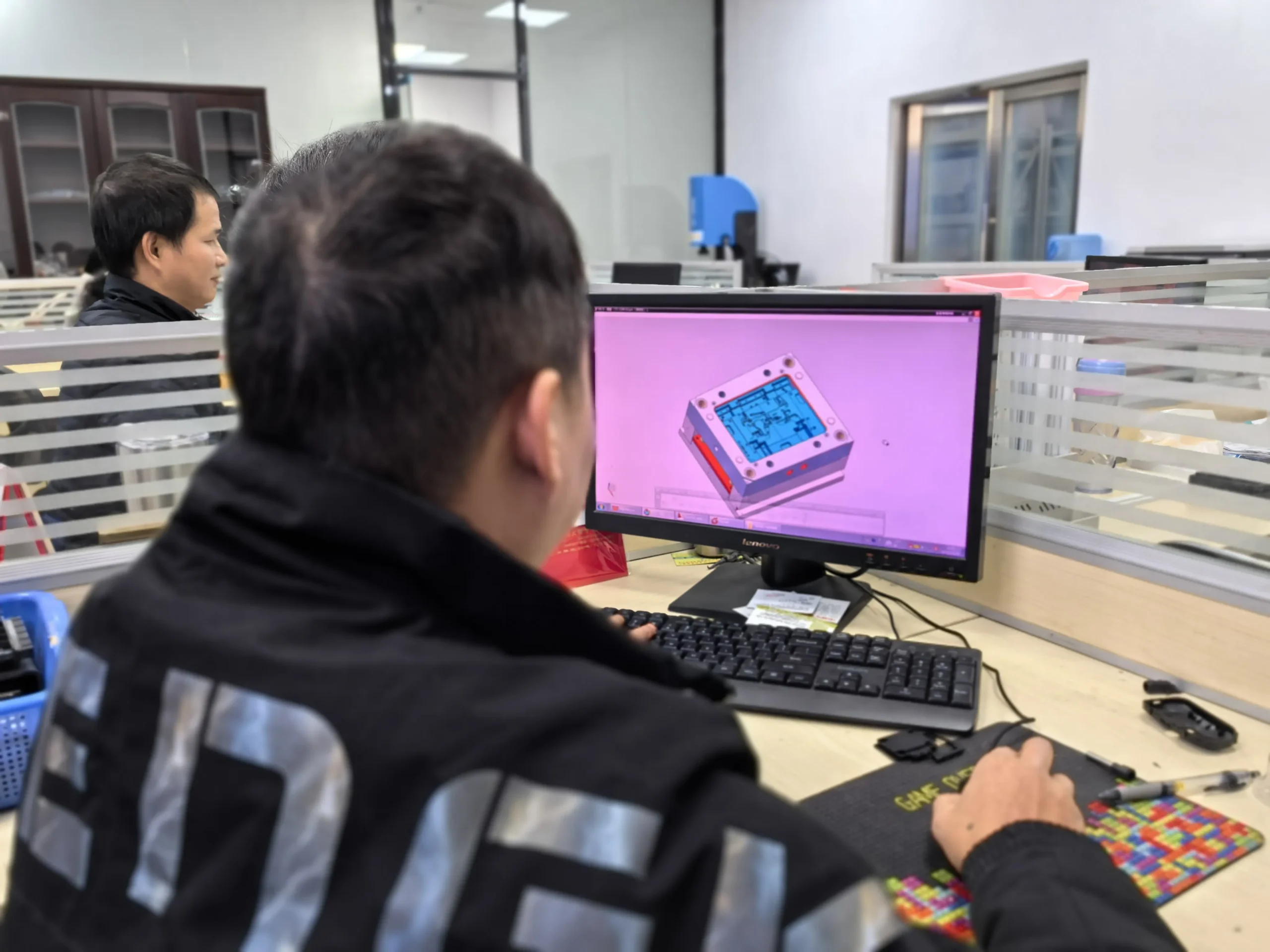
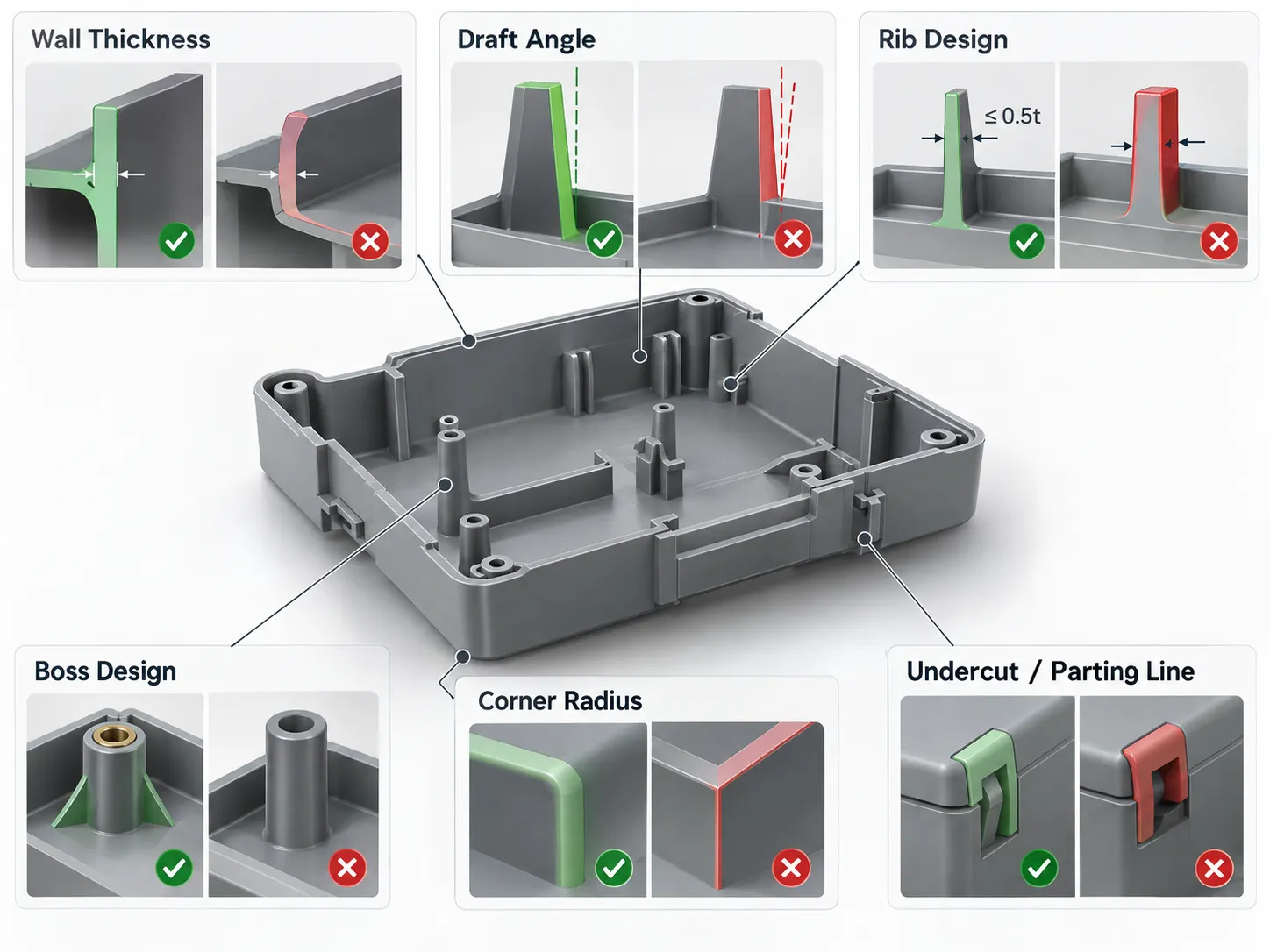
The project began with a risk-based review of the housing architecture. Thin walls around the sensor opening were checked for fill behavior and weld-line risk. The mating shell was reviewed for gasket compression, while the overmold interface was designed to prevent flash near the patient-contact surface. HWPD’s engineers also separated cosmetic surfaces from functional sealing datums to make inspection more meaningful.

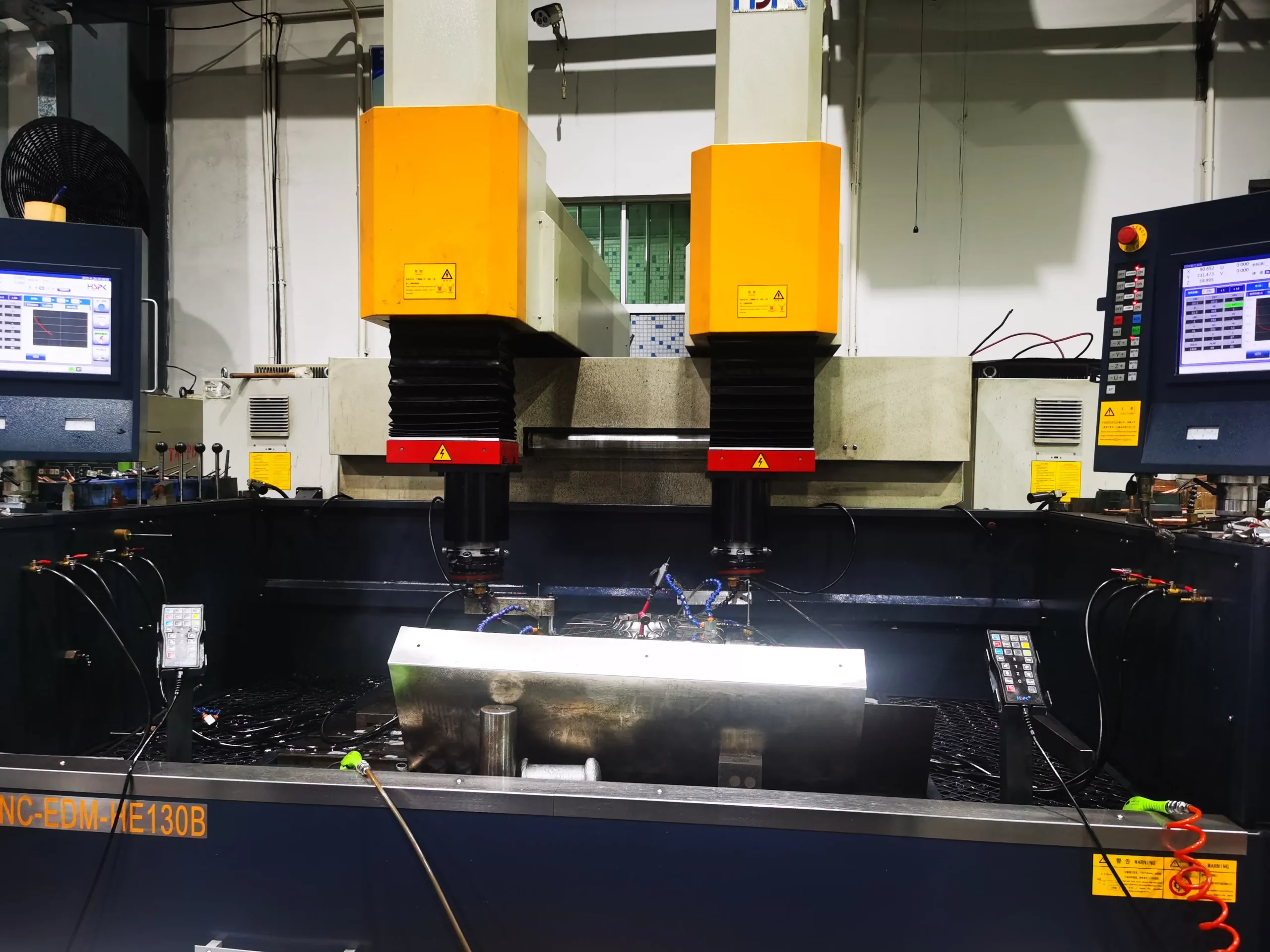
Material controls were critical. The selected substrate and TPU were supported by certificates and handling procedures appropriate for the program. Mold surfaces near the patient-contact area were polished to the approved standard, and the tool incorporated replaceable inserts for the sensor window and overmold edge. These decisions simplified future maintenance and protected the validation baseline.
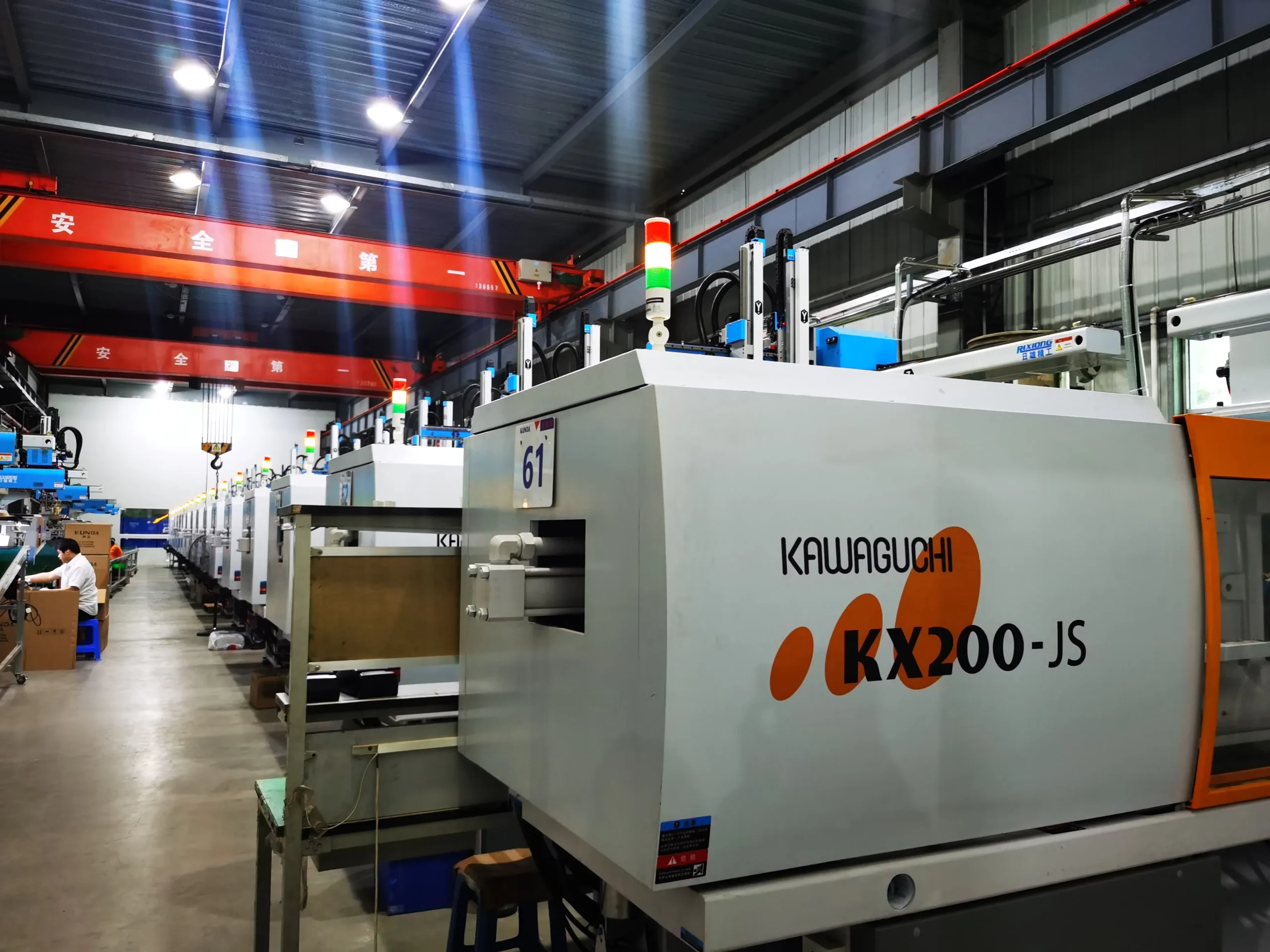
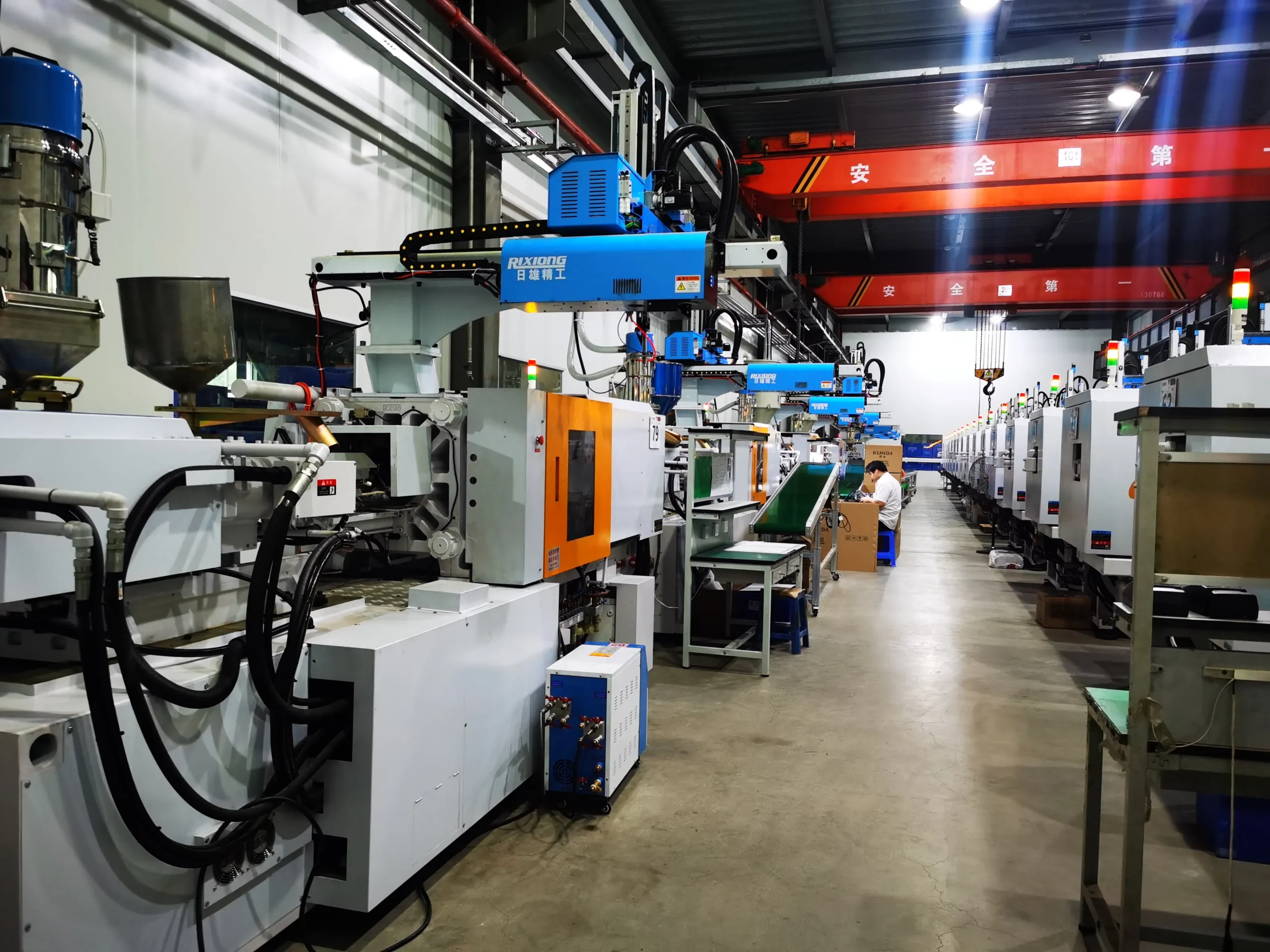
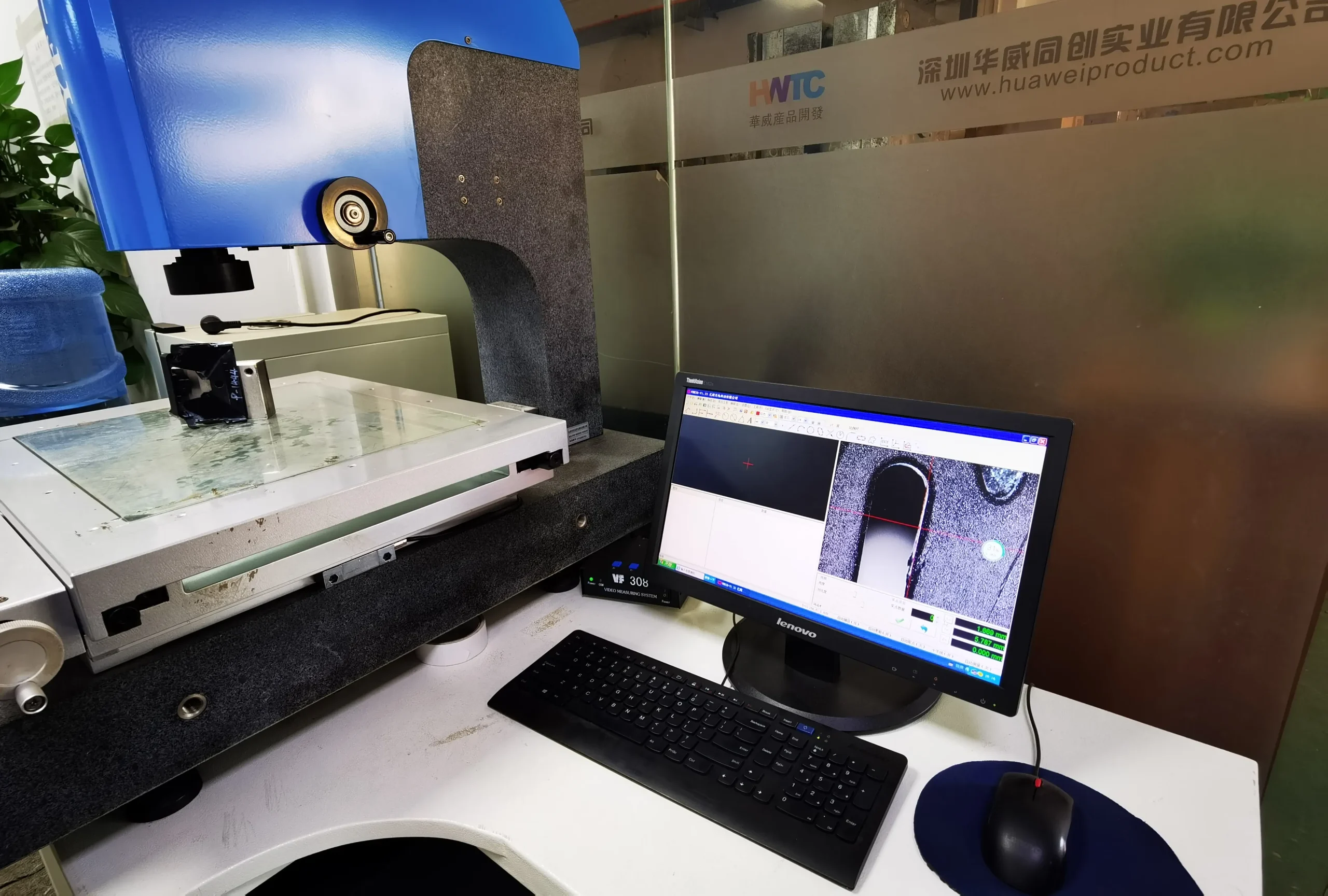
Validation included dimensional checks, leak testing, overmold adhesion, visual inspection, and process repeatability. IQ, OQ, and PQ documentation was prepared around the actual production equipment and operators. The cleanroom workflow controlled material movement, part handling, and packaging so that the validated process could be repeated over time. HWPD’s injection molding team worked alongside quality engineers throughout the study.
During OQ, the team found that one combination of injection speed and mold temperature produced a small cosmetic variation near the overmold edge. The process window was adjusted, the samples were rechecked, and the approved limits were updated before PQ. The final run demonstrated stable output across consecutive lots, with no sealing failures or critical visual defects.
The customer received a complete validation package supporting their regulatory submission. More importantly, the housing program entered production with a process that operators could understand and quality teams could audit. Medical device molding is not only about making a good first sample. It is about proving that every approved condition can be repeated. HWPD supports that discipline from engineering assistance through ongoing supply.