








Approved samples are evidence that good parts can be produced. Production documentation goes further: it records what product definition was used, how the process is controlled, how parts are measured, which risks were considered, and what evidence supports release.
Terms such as FAI, PPAP, process flow, PFMEA, control plan, dimensional report, material certificate, and capability data are related, but they are not interchangeable.
1. What does each document answer?
The table below separates the most common quality records by purpose. Exact submission requirements still depend on the customer, industry, contract, and product risk.
| Record | Primary question answered | Typical role |
| FAI / dimensional report | Does the initial production part meet defined requirements? | Verification of measured characteristics |
| PPAP | Is the production definition and control system documented for approval? | Customer production approval framework |
| Process Flow | What happens to the part from incoming material to shipment? | Defines manufacturing sequence |
| PFMEA | How can each process step fail and how is risk controlled? | Risk analysis |
| Control Plan | What is checked, how often, and what happens if it fails? | Routine production control |
| Material / traceability record | Which material and process history belong to this lot? | Traceability and evidence |
| Change record | What changed after approval and how was it revalidated? | Maintains approved baseline |
2. What is First Article Inspection (FAI)?
FAI verifies that an initial production part conforms to the drawing and agreed requirements. A useful report links each measured result to a drawing balloon or characteristic number so both customer and supplier can trace the result.
FAI should be performed on parts made from the intended tooling and a defined production-representative process, not on an unrelated prototype condition.

3. What does PPAP add beyond FAI?
PPAP is widely associated with automotive supply chains. Instead of verifying only the measured part, it demonstrates that the supplier has understood the design and has defined the manufacturing and quality controls needed for repeatable production.
For automotive injection molding, the required PPAP level and customer-specific records should be agreed early rather than assembled after the mold is finished.
4. Why is the process flow diagram important?
A process flow diagram maps the sequence from incoming material through molding, secondary operations, inspection, assembly, packaging, and shipment. It creates a shared view of where the product changes and where a quality risk can enter.
The process flow is also the backbone that helps PFMEA and the control plan stay aligned with the real manufacturing sequence.
5. What does PFMEA contribute?
PFMEA identifies how a production step could fail, what the effect would be, why it might happen, and what controls reduce the risk. In molding, risks can include incorrect resin, poor drying, short shot, flash, warpage, contamination, insert problems, dimensional drift, or assembly error.
Findings from DFM analysis, mold trials, dimensional studies, and prior production experience should feed the risk review instead of creating a document disconnected from the real process.
6. How does a control plan turn requirements into routine checks?
A control plan defines what is checked, how it is checked, how often it is checked, and what action is taken when the result is outside the defined condition.
Controls can cover incoming resin, process settings, appearance, critical dimensions, insert presence, assembly function, packaging, and customer-specific requirements. Priority should follow CTQs and known process risks rather than measurement convenience.

7. Why do material and traceability records matter?
Material records may include resin grade, supplier, lot number, certificate, drying condition, colorant, recycled-content restriction, and other project-specific controls.
A controlled injection molding record should allow finished parts to be connected with the relevant material and process history where the customer or product risk requires that traceability.
8. What should a dimensional report contain?
A dimensional report should identify the characteristic, specification, unit, measured result, and status. For priority features, customers may also request capability evidence after the process has stabilized.
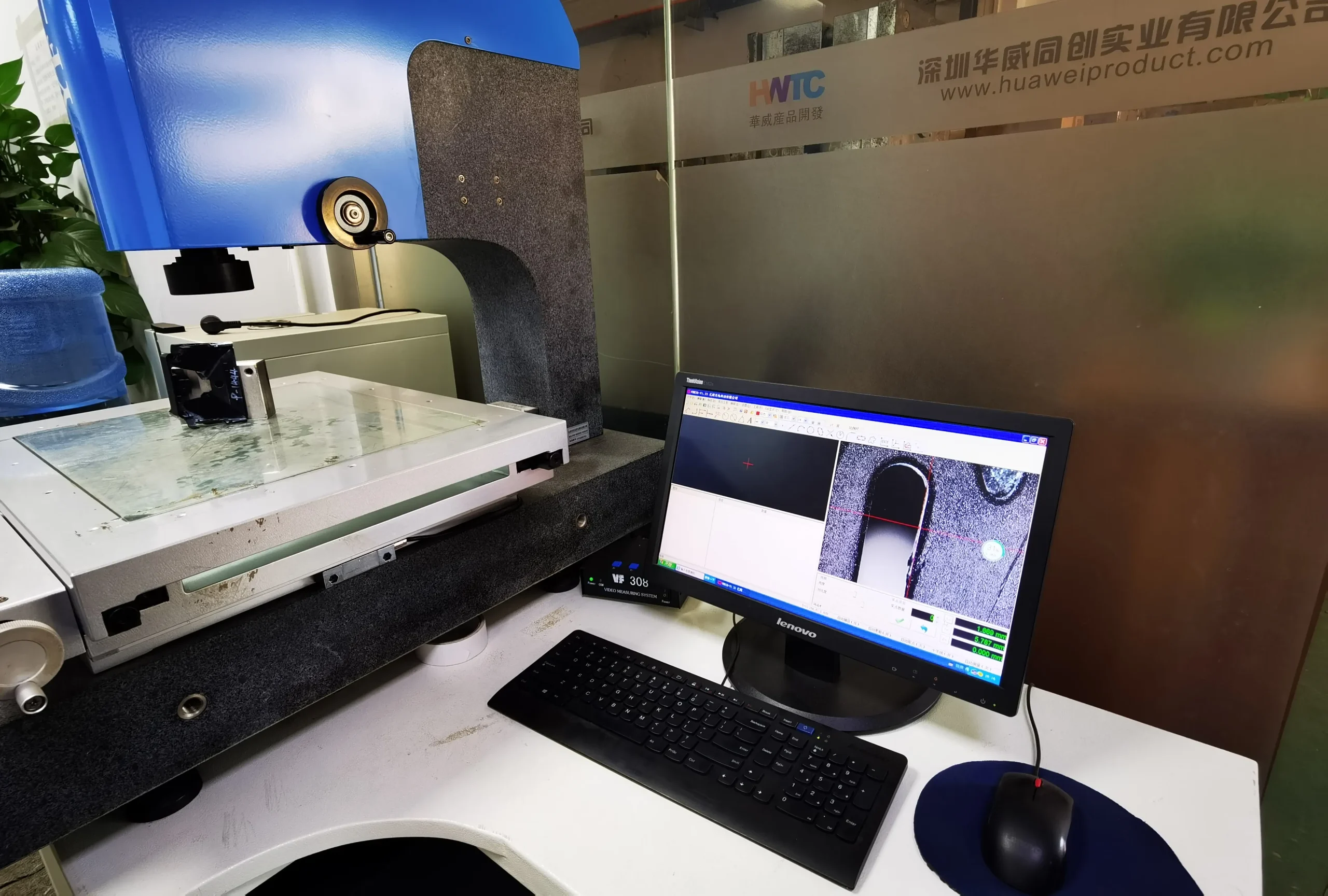
Measurement equipment must be suitable for the feature, and the datum setup and part condition should be defined so repeated measurements are comparable.
9. How does documentation change from prototype to production?
Prototype documentation is primarily about design learning: what was built, what was tested, and what was learned. Production documentation is about repeatability: which revision is approved, which process is defined, which controls are active, and how variation is detected.
As the project moves through mold manufacturing into serial production, the documentation should become more formal because the objective changes from learning to controlled replication.
10. What happens after PPAP or production approval?
Approval is not the end of quality planning. Tool repair, cavity modification, resin substitution, machine transfer, supplier change, process relocation, or drawing revision can affect an approved condition.
The site’s quality system should record what changed, why it changed, which risks were reviewed, what validation was completed, and whether customer notification or resubmission was required.
11. How should the documentation set stay consistent?
Drawing requirements, CTQs, process flow, PFMEA, control plan, dimensional results, material records, and change control should describe the same manufacturing baseline. If one document says a feature is critical and another never checks it, the system is not aligned.
The practical test is simple: a new engineer should be able to understand what is being made, how it is controlled, and what evidence supports approval without reconstructing the history from emails.