







A successful mold trial proves that the tool can make a good part under at least one set of conditions. Mass production asks a harder question: can the same system keep making good parts when normal variation arrives—different material lots, long automatic runs, shift changes, thermal drift, machine variation, and routine maintenance? That is why sample approval and process validation are not the same thing.
| Key idea: Good sample ≠ validated process. Validation is evidence that product quality remains controlled inside a defined manufacturing window. |

1. What exactly are you validating?
Do not start with machine settings. Start with product requirements. Define the CTQs that control fit, function, sealing, appearance, safety, and downstream assembly. For each CTQ, define how it is measured and what constitutes failure.
Only then connect those outputs to the important variables in the injection molding process: fill time, transfer position, peak pressure, cushion, melt temperature, mold temperature, holding pressure, holding time, and cooling.
2. Why is one “golden setting” not enough?
A process that only works at one narrow combination of settings is fragile. Small changes in resin viscosity, ambient conditions, machine response, or tool temperature can push the part out of specification.
Validation should explore appropriate high and low conditions for the important variables within safe material, machine, and mold limits. The objective is to identify a region where acceptable parts are produced with margin—not a magic point that only one technician knows.
3. What should be measured during the validation run?
Measure the CTQs, but also track signals that explain process behavior: part weight, cavity-to-cavity variation, fill time, pressure response, key temperatures, cycle consistency, and defect frequency. On multi-cavity tools, keep cavity identity rather than mixing samples together.
Where quality planning is formalized, connect the measurements to the site’s quality system so inspection frequency, reaction plans, and change control are part of the same production definition.
4. Why do short trials miss real production problems?
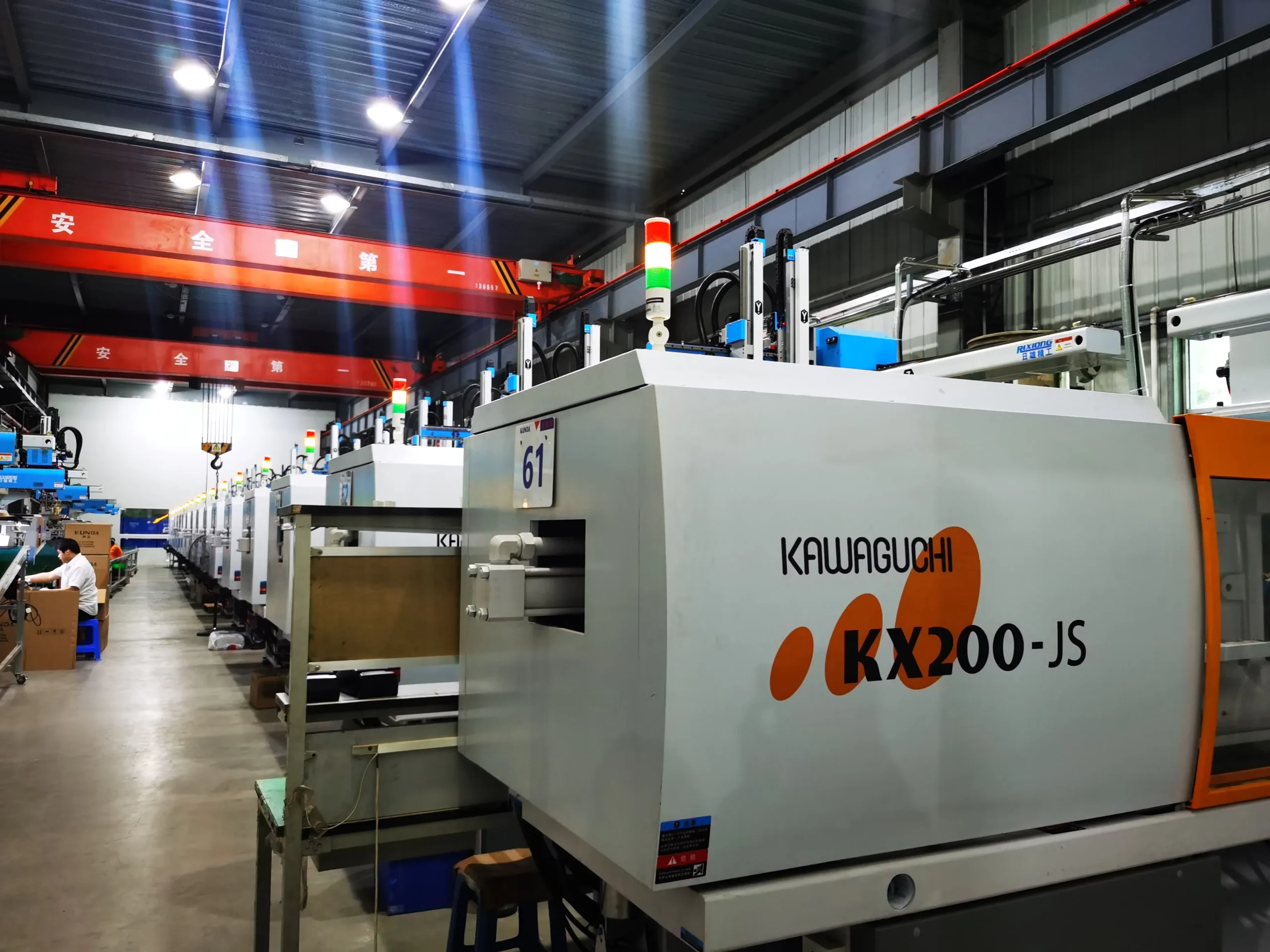
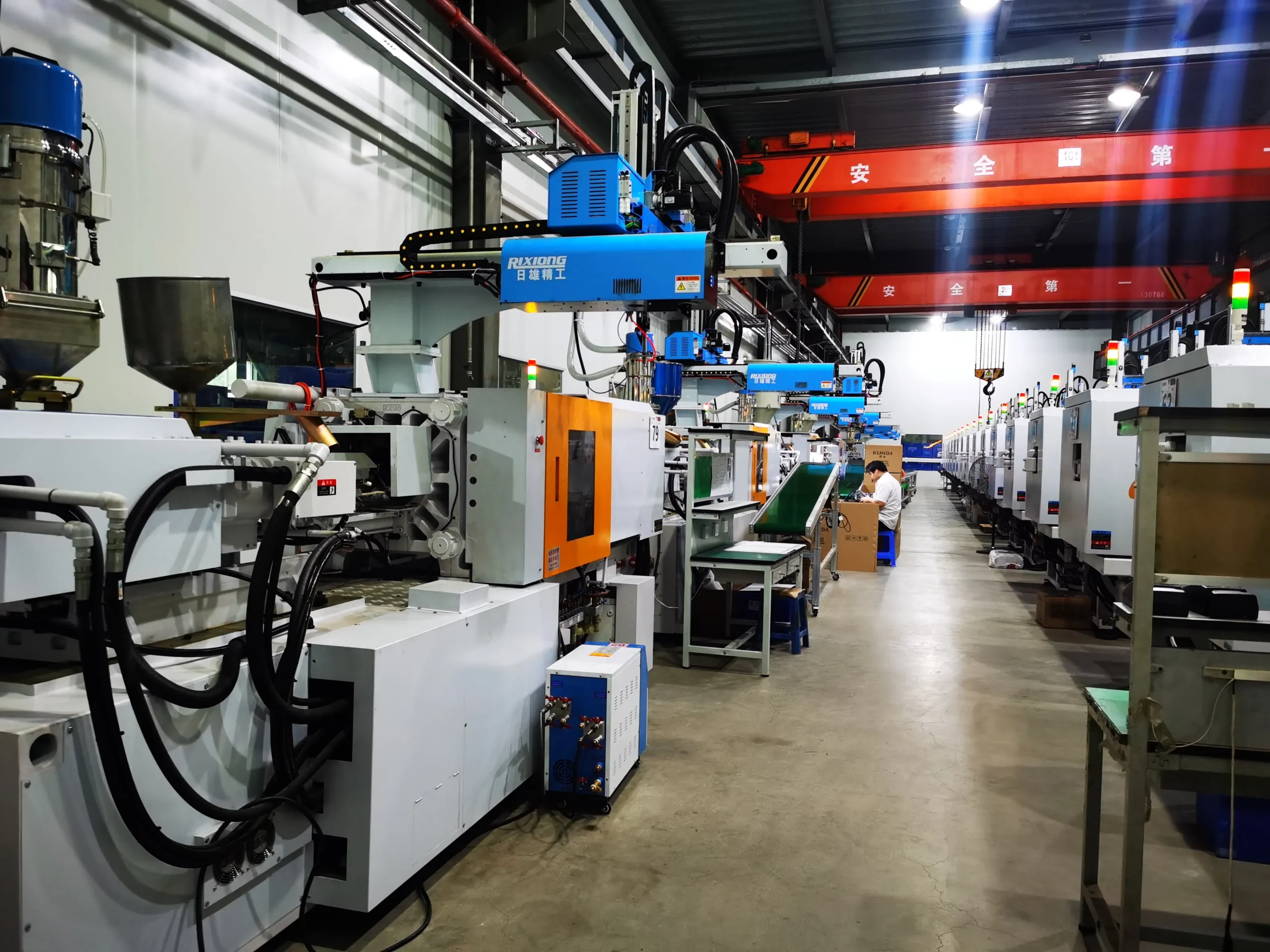
Because some issues only appear after the mold, machine, hot runner, robot, and material handling system have been running long enough to reach normal operating conditions. Flash may grow as components heat. Parts may begin to stick. Cooling imbalance can become visible. Automatic ejection may fail occasionally. Scrap may cluster around restarts.
A validation run should therefore be long enough to observe the manufacturing system, not just the cavity.

5. How can low-volume production be used as part of validation?
A low-volume injection molding phase can be more than an early shipment. It can be used to collect evidence: real cycle data, inspection results, assembly feedback, packaging behavior, operator learning, and maintenance observations.
If those data are structured, the small batch becomes a bridge between trial and scale. If they are ignored, the project reaches mass production with many of the same unknowns it had after T1.
6. What needs to be locked before scale-up?
Document the approved resin and drying conditions, tool revision, machine requirements, auxiliary equipment, process ranges, inspection methods, cavity sampling, cosmetic standards, packing and handling requirements, and rules for approved changes. Define what happens after mold repair, machine transfer, resin change, or a significant parameter change.
The purpose is not bureaucracy. It is to prevent a validated process from quietly becoming a different process.
7. When is the process ready for mass production?
When the defined CTQs remain controlled through representative production conditions and the team knows how to react when they begin to drift. Moving into mass production should be a controlled expansion of a known process, not a leap from one successful sample set.
Temporary launch controls—higher inspection frequency, closer cavity tracking, extra dimensional checks, or tighter review of scrap—can be reduced after stability is demonstrated. The point is to learn quickly without assuming that early success guarantees long-term repeatability.
8. What signals tell you the process window is too narrow?
Several warning signs appear before full production: the cavity only fills near the machine pressure limit; a small mold-temperature change moves a CTQ out of tolerance; cosmetic quality depends on an unusually precise hold setting; one cavity behaves differently from the others; or scrap rises sharply after a restart. None of these automatically means the mold is unusable. They mean the process has little margin. Before scaling, decide whether the cause belongs to material control, machine capability, gate or vent design, cooling, cavity balance, or product geometry. Validation is valuable precisely because it exposes these weak margins while the team still has time to correct them.
What a good outcome looks like
Process validation changes the question from “Can this mold make a good part?” to “Can this manufacturing system keep making good parts under normal variation?” Define CTQs, understand the important process variables, establish a practical window, run long enough to expose hidden instability, lock the production definition, and scale with evidence. That is the difference between approving samples and approving a process.