






Many product teams contact manufacturing engineers only after the design is almost frozen. By that point, the easiest changes have already become politically or technically difficult. Manufacturing engineering delivers the greatest value earlier, when CAD can still change without delaying tooling or invalidating test results. HWPD’s engineering assistance model is built around this principle: use manufacturing, materials, structural, quality, and tooling knowledge to reduce uncertainty before expensive commitments are made. The right timing depends on the project, but there are several moments when engineering support can prevent disproportionate cost.

1. During Concept Development: Identify the Constraints That Matter
A manufacturing engineer does not need to control the creative process, but can help define realistic boundaries. Expected annual volume, likely material, target cost, tolerance class, surface requirements, assembly strategy, environmental conditions, and regulatory needs all influence product architecture. A concept designed for 200 prototypes may be very different from one intended for 500,000 molded units per year. Early engineering input can also flag risky ideas without killing them; the team can explore alternative ways to achieve the same user benefit with a more practical geometry or process.
2. Before the First Functional Prototype: Decide What You Need to Learn
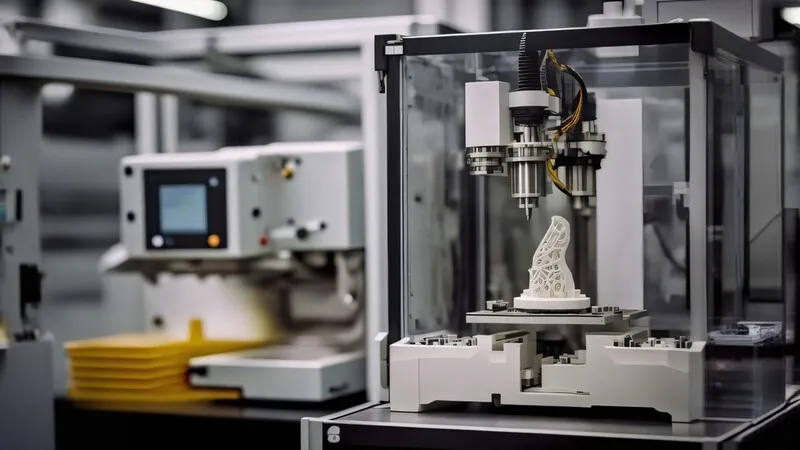
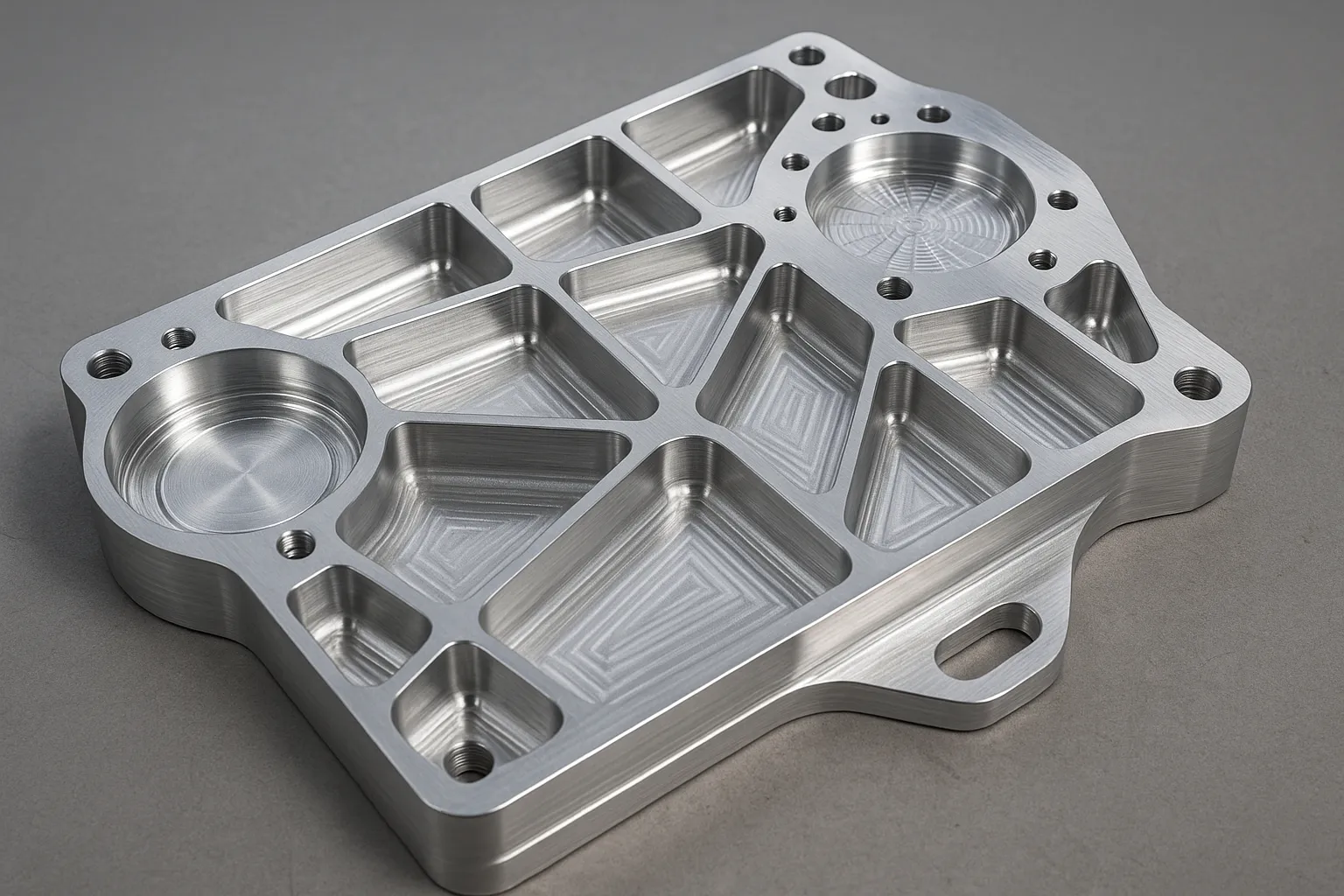
Prototypes become expensive when teams build them without a test purpose. An engineer can help separate appearance questions from mechanical or manufacturing questions. A 3D-printed model may be perfect for ergonomics but poor for judging molded snap-fit behavior. A CNC-machined component may validate an interface while hiding future sink or warpage risk. Using rapid prototyping strategically means choosing the process, material, and tolerance that answer the next engineering question rather than trying to make every prototype simulate final production.
3. Before Tooling Release: Run a Cross-Functional DFM Review
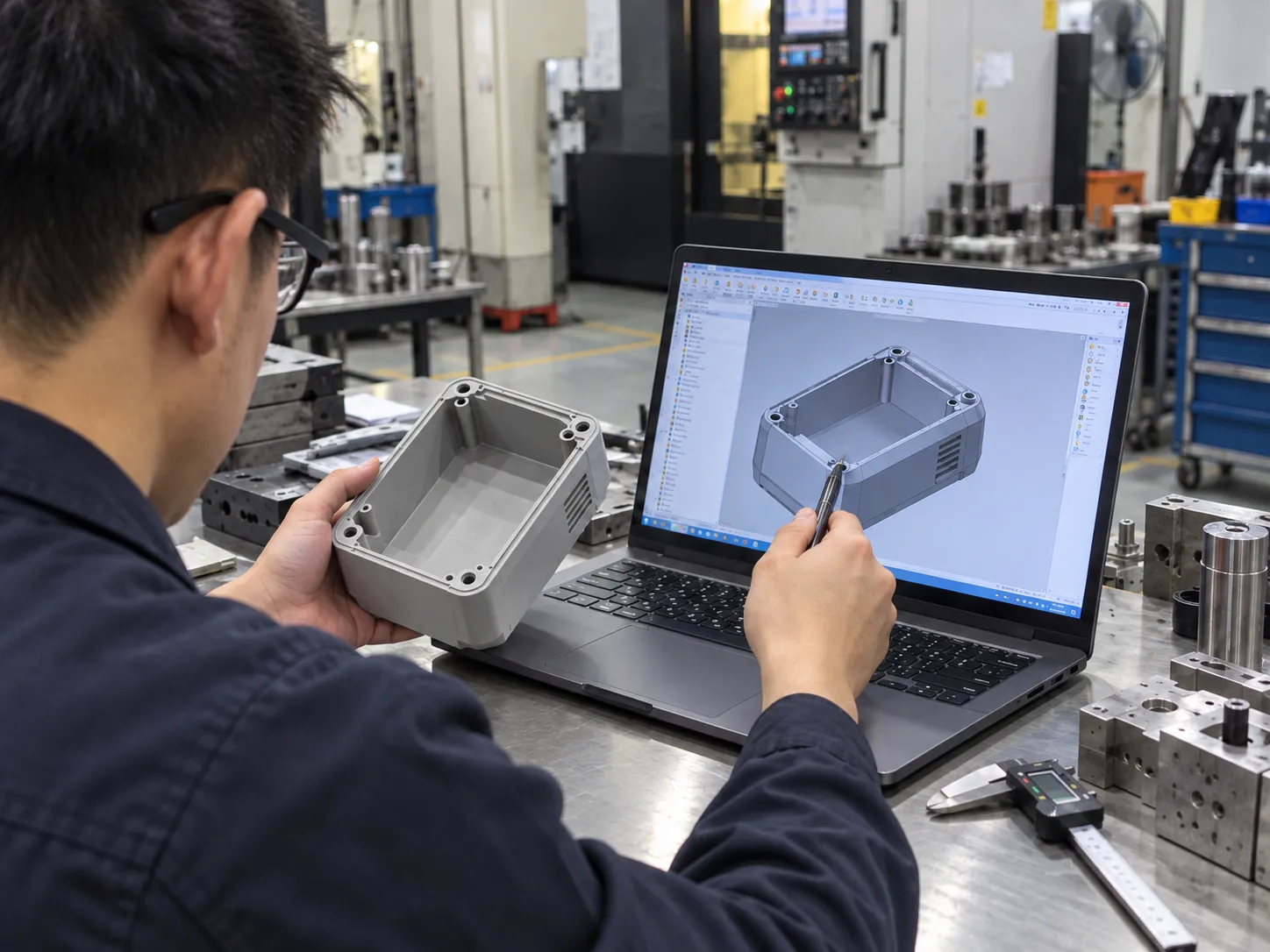
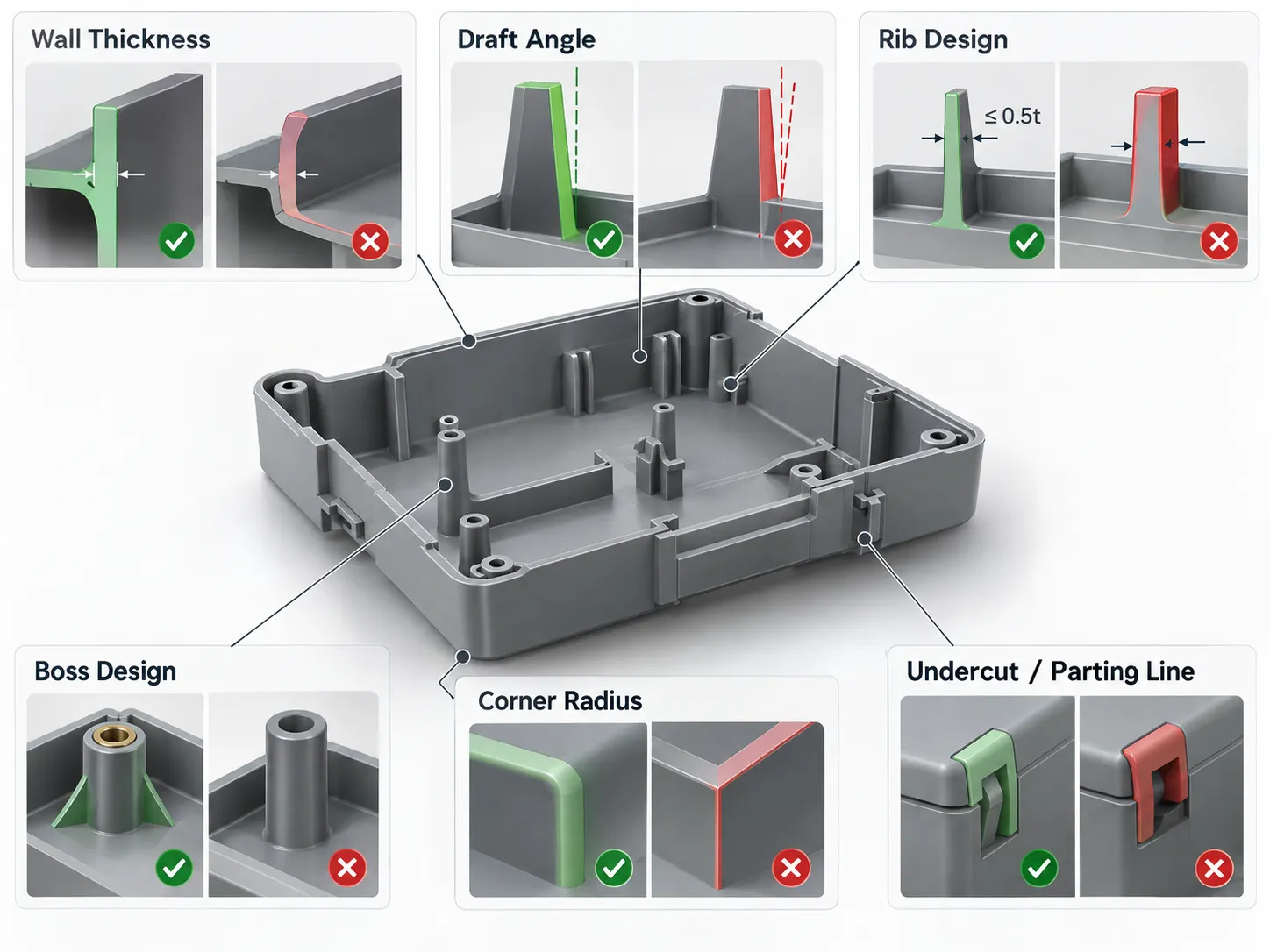
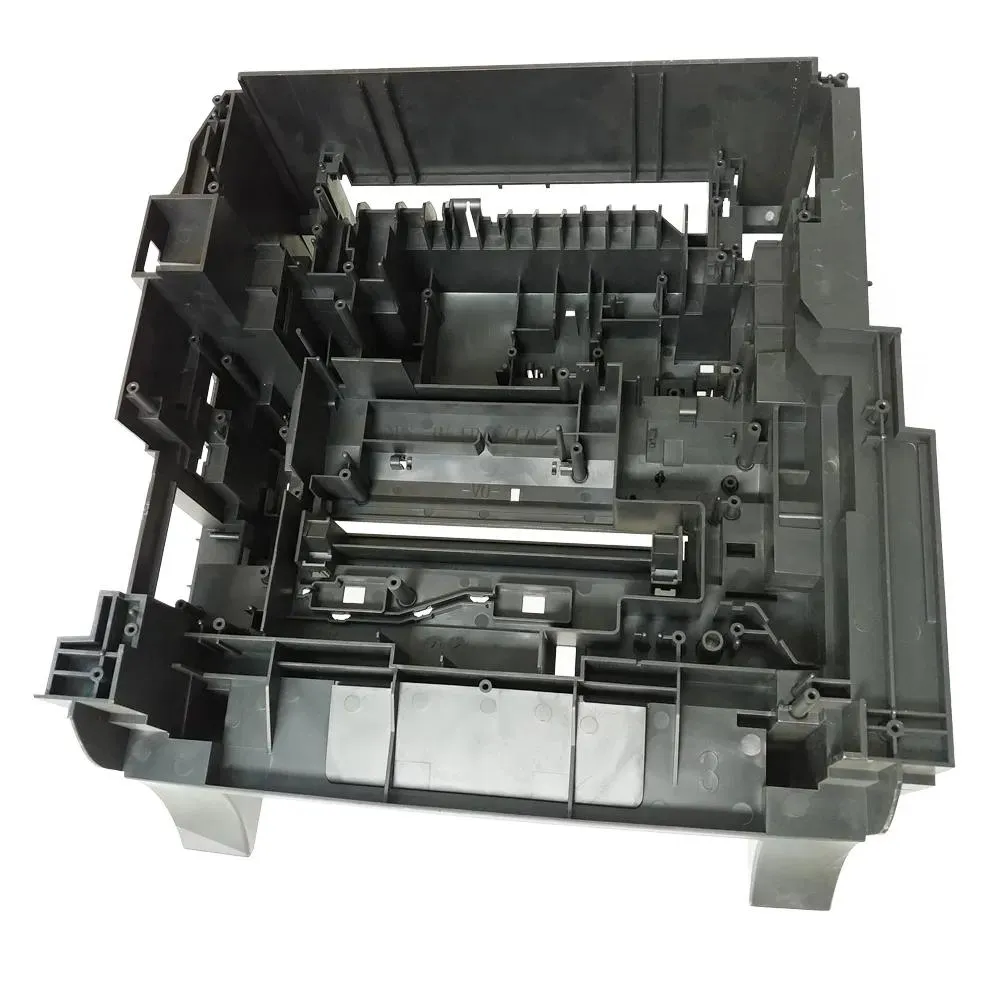
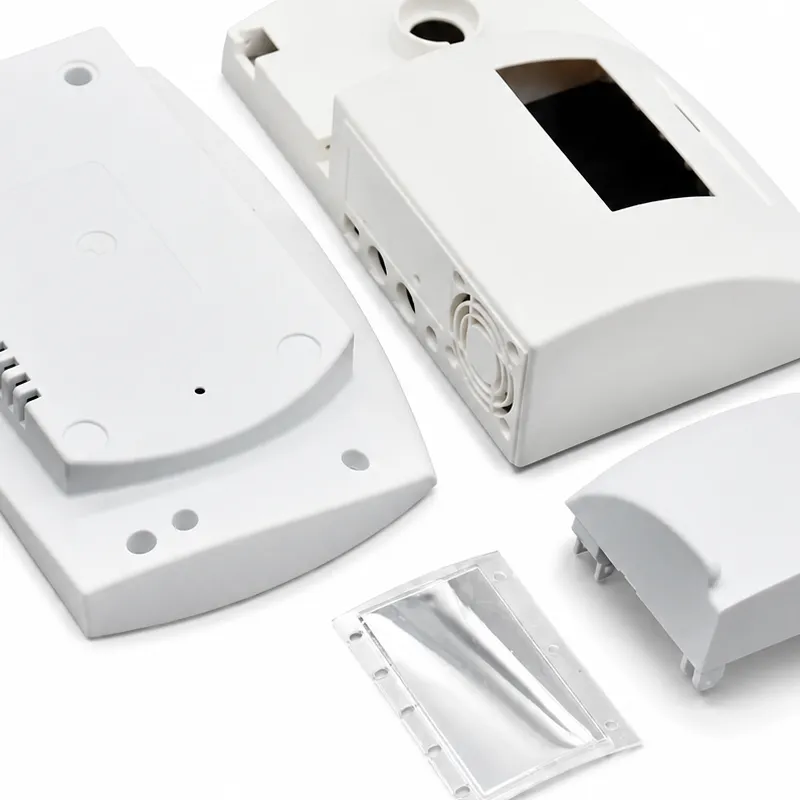
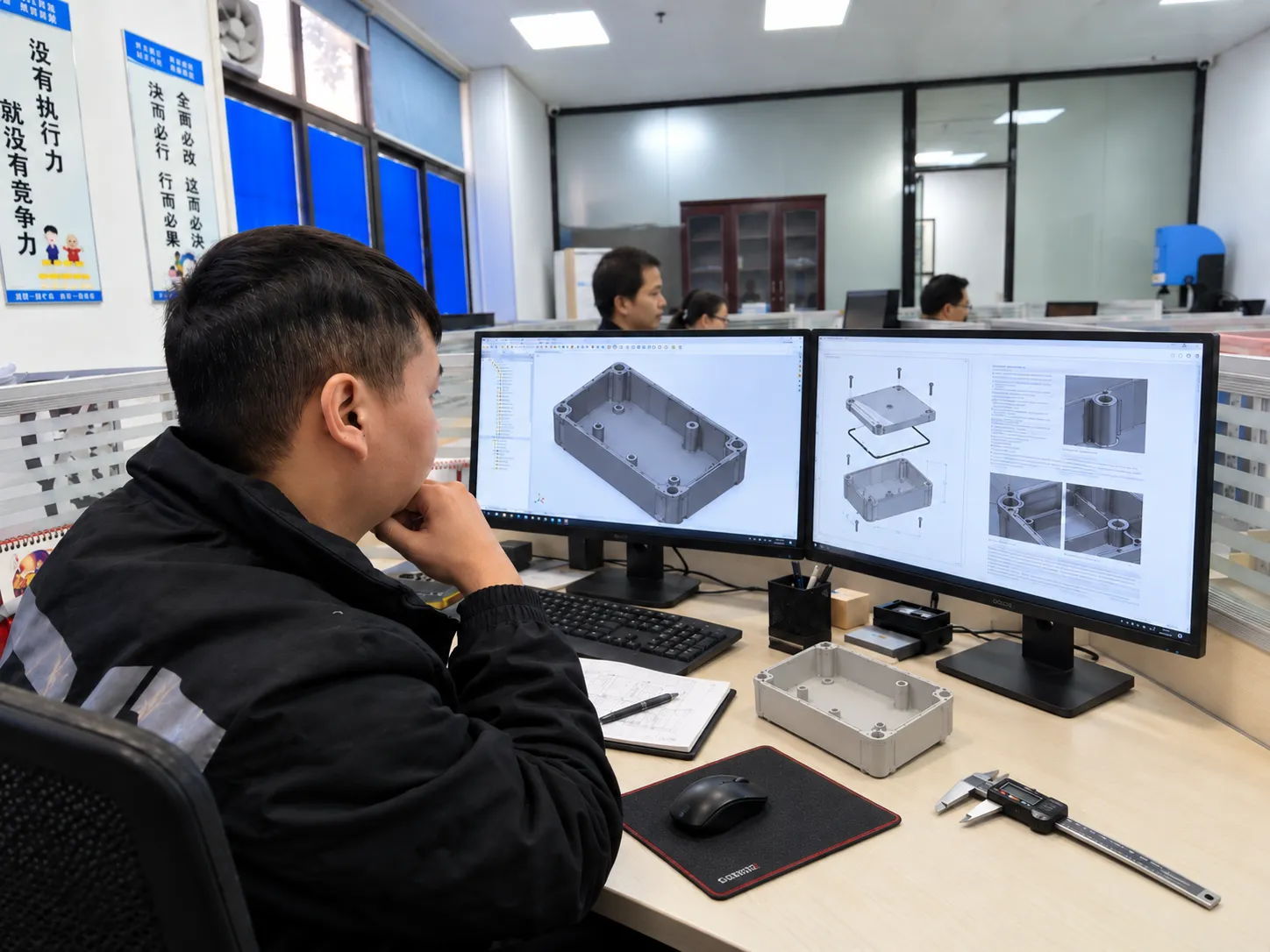
This is one of the highest-value moments for manufacturing support. A formal DFM analysis should review wall thickness, draft, ribs, bosses, undercuts, parting lines, gate location, ejection, critical tolerances, expected shrinkage, cosmetic risks, and assembly interfaces. The engineer should also ask whether tolerances reflect functional needs or simply inherited CAD defaults. Tight tolerances increase tooling, process-control, and inspection burden, so every difficult requirement should have a clear reason. Issues corrected at this stage cost far less than corrections made after steel is cut.
4. When Material Selection Is Uncertain
Material selection is not just a strength-versus-price decision. Temperature, chemical exposure, creep, moisture absorption, UV, flame rating, dimensional stability, cosmetic requirements, recyclability, and supply continuity may all matter. Filled grades can improve stiffness while increasing tool wear and affecting surface appearance. Elastomers introduce different sealing and bonding questions. High-performance polymers may demand higher mold temperatures and more specialized processing. A manufacturing engineer can compare the complete system rather than selecting a resin based only on a datasheet headline.
5. When a Prototype Fails: Separate Design Failure From Prototype Artifact
A broken prototype does not automatically mean the design is wrong, and a successful prototype does not automatically prove the production design is safe. Layer orientation in additive manufacturing, machining marks, different material grades, missing knit lines, or unrealistic assembly forces can distort test results. Engineering support helps trace the failure mode back to load path, geometry, material behavior, process difference, or test setup. Structural analysis or FEA can support this investigation, but simulation should be used with realistic boundary conditions and then compared with physical evidence.

6. Before Mold Design Is Finalized: Connect Part Requirements to Tooling
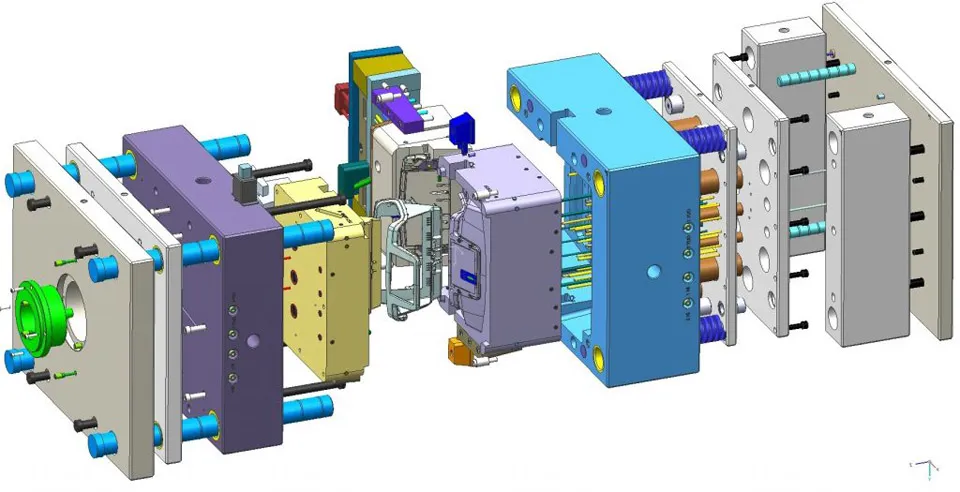
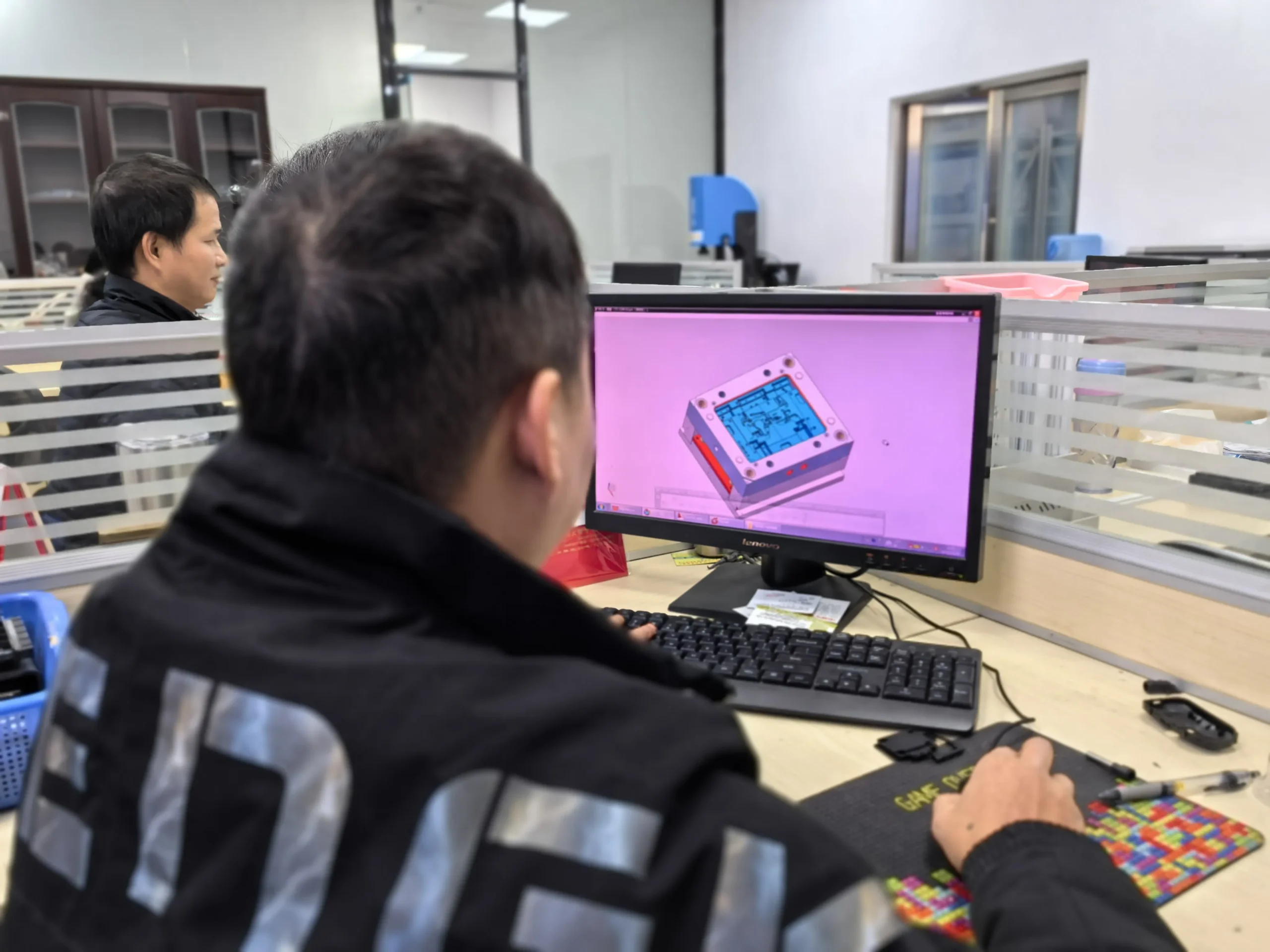
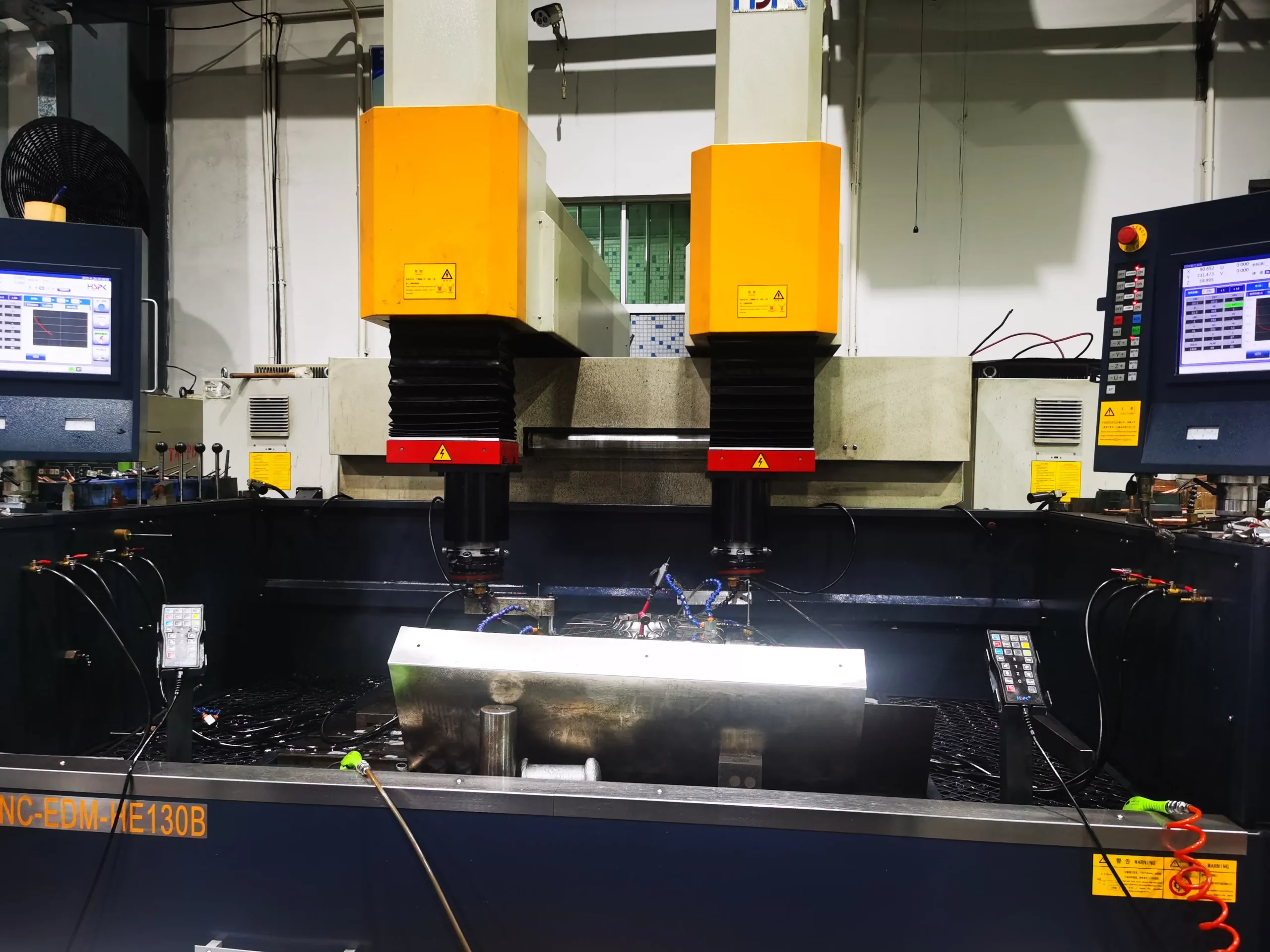
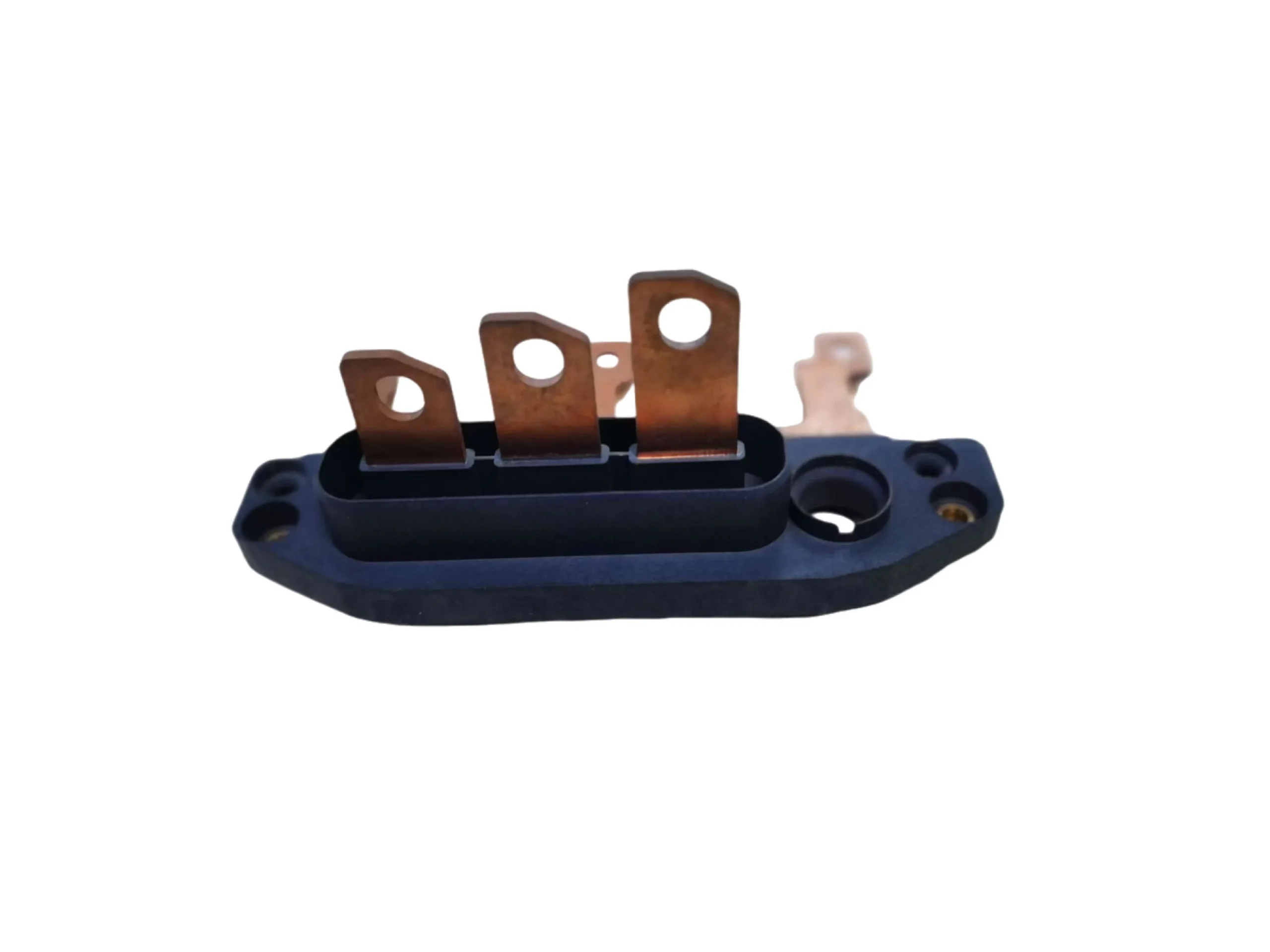
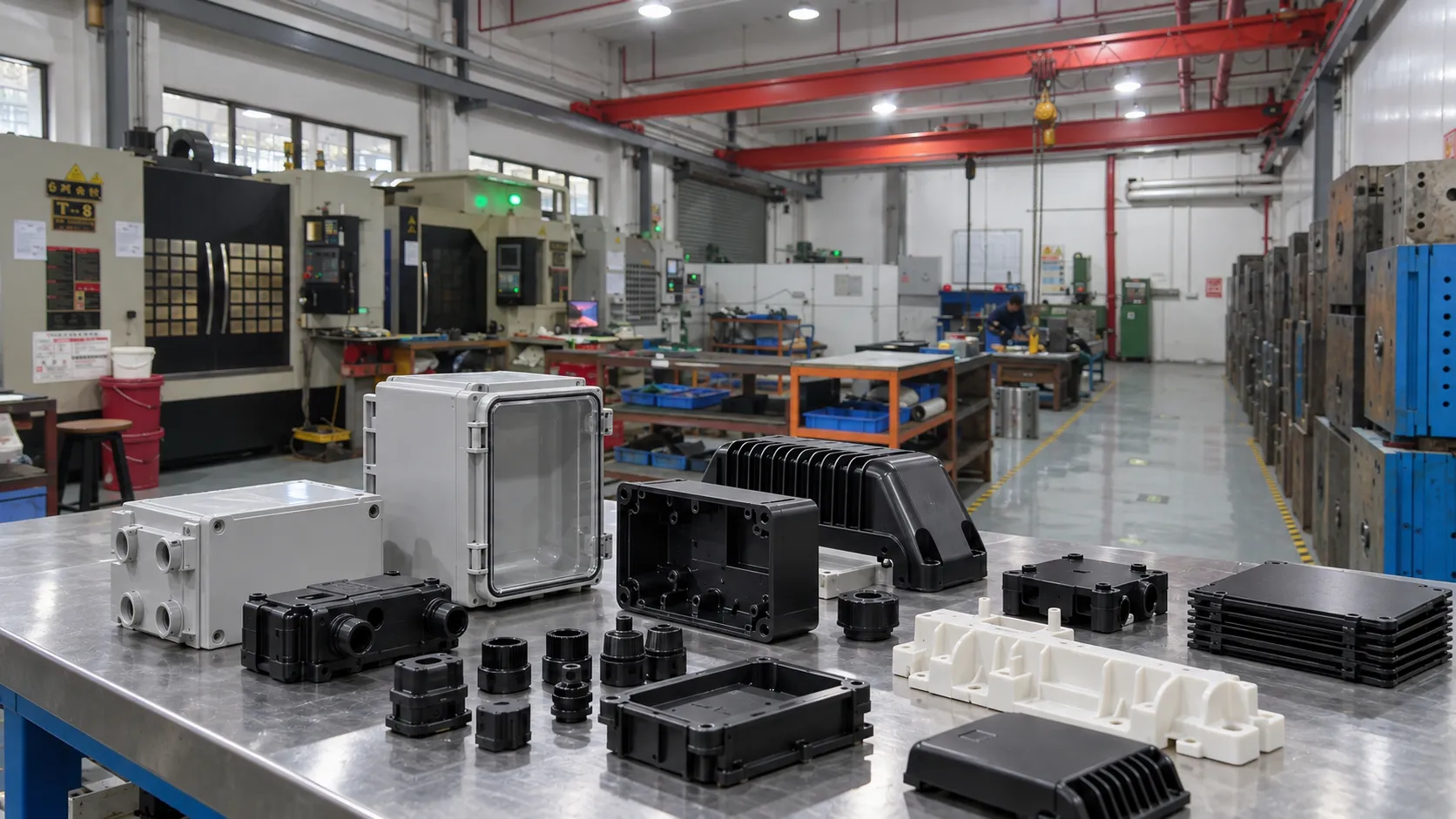
Once product geometry is stable, manufacturing engineering should remain involved during mold design. Gate location can influence weld lines and appearance. Cooling affects cycle time and dimensional stability. Ejector placement can leave marks or deform thin walls. Side actions and lifters add maintenance points. A product engineer looking only at the part and a toolmaker looking only at the tool may optimize different objectives; a cross-functional review keeps performance, appearance, mold durability, and production efficiency aligned.

7. During Pilot Production and Scale-Up: Convert Learning Into a Stable Process
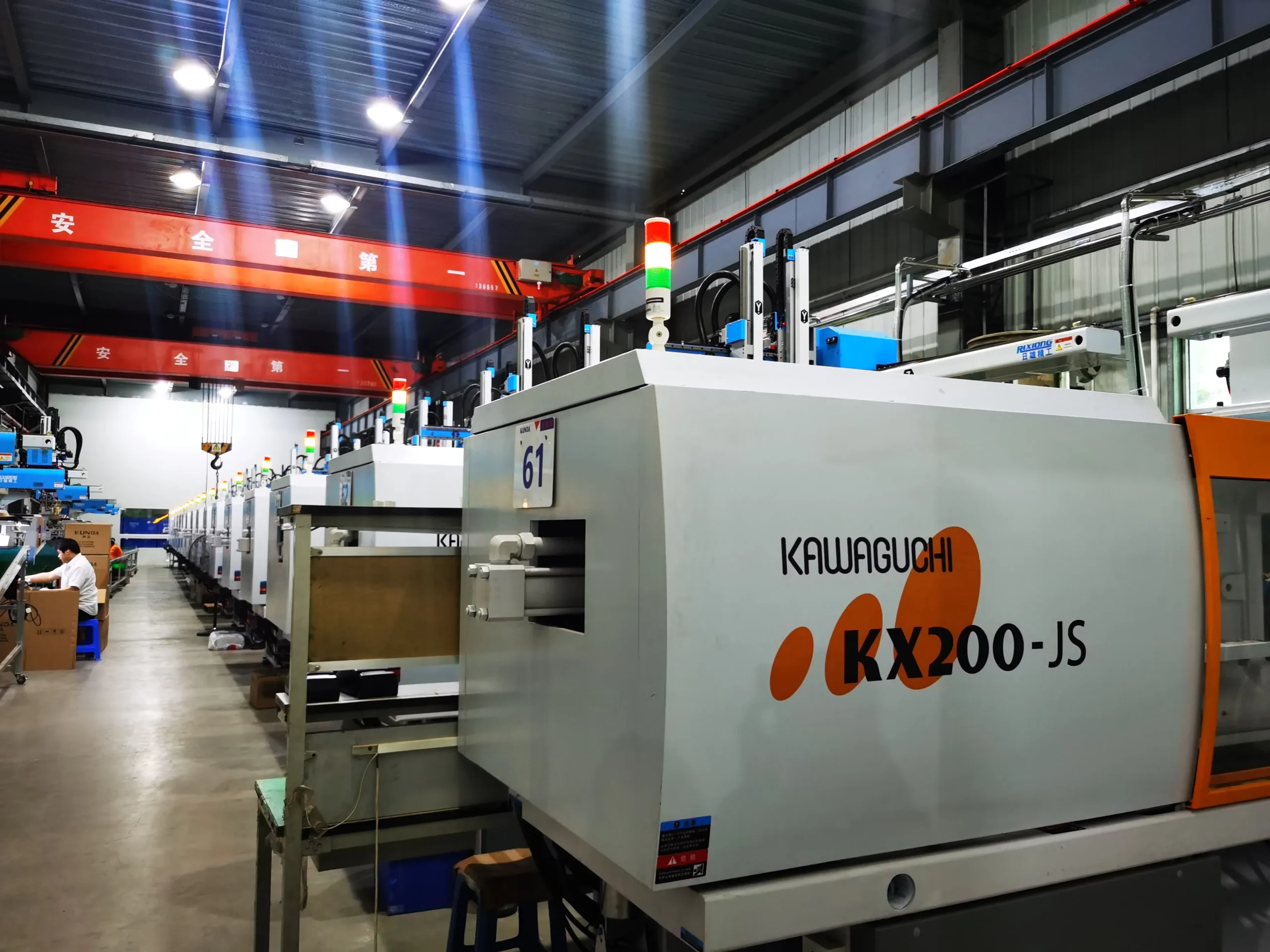
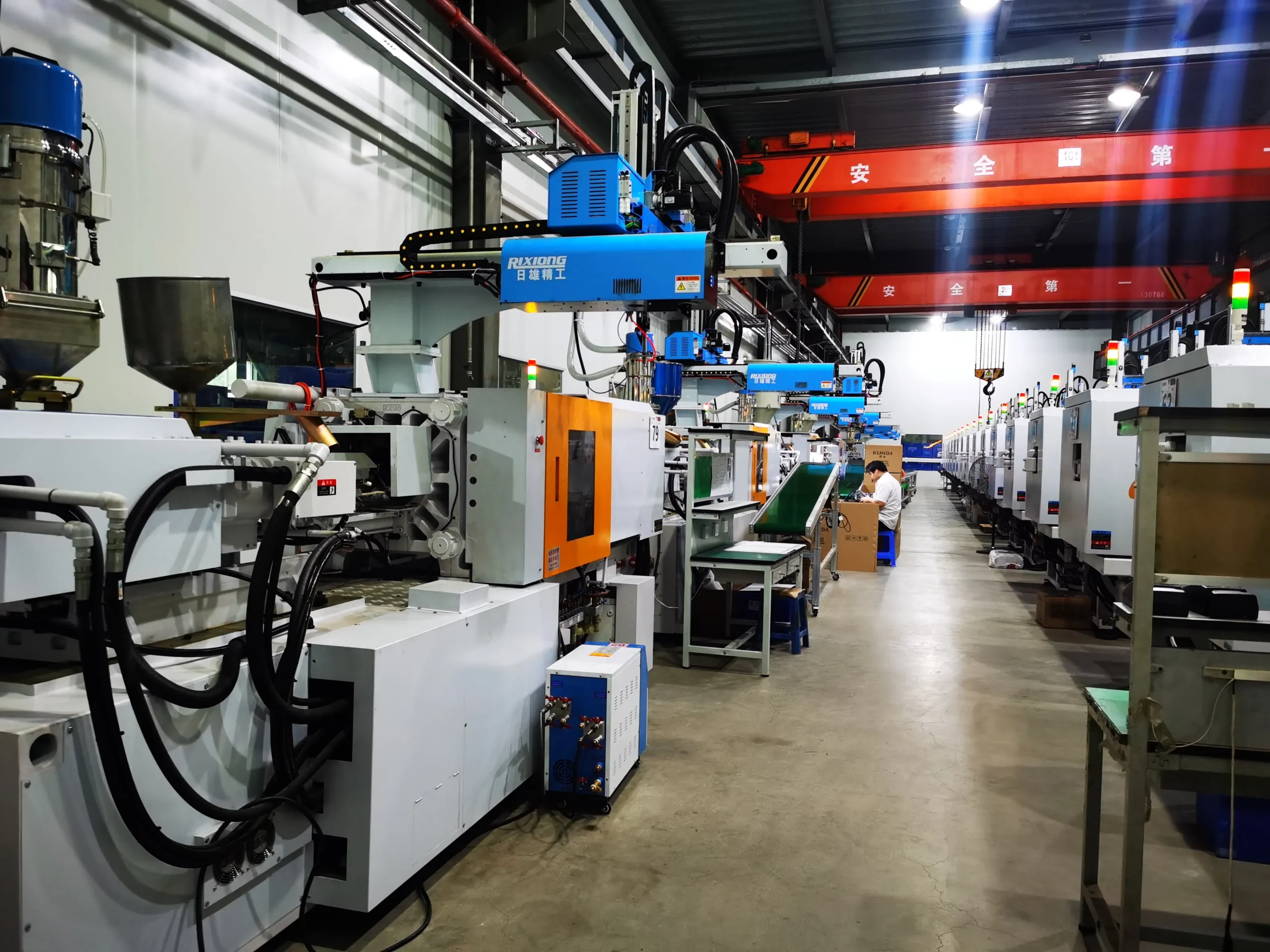
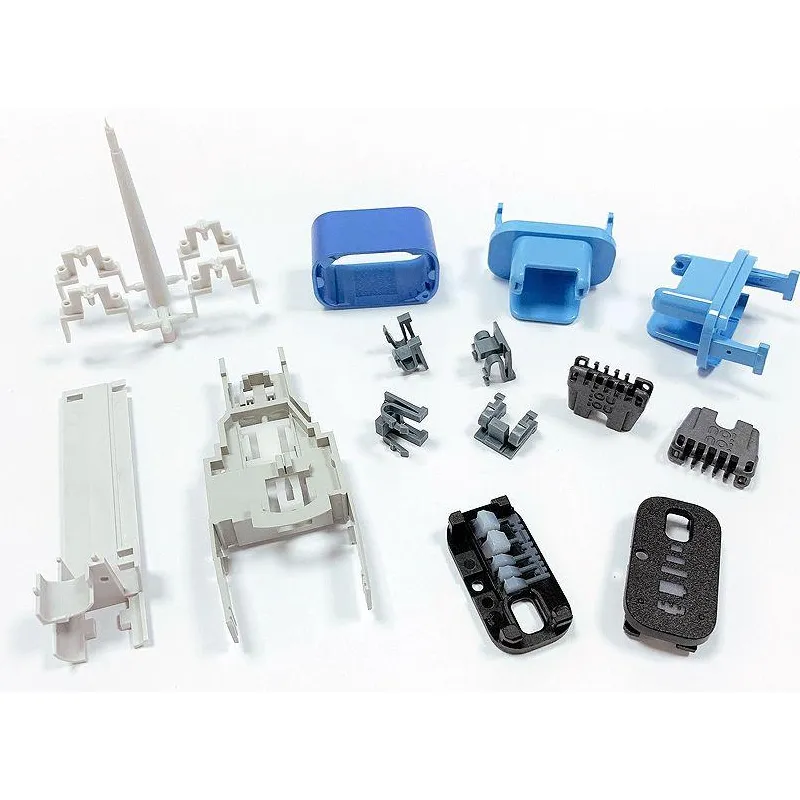
Pilot production reveals issues that prototypes cannot: cycle-to-cycle variation, operator interaction, fixture limitations, inspection workload, packaging damage, material-lot sensitivity, and assembly bottlenecks. Engineers should use this stage to define process windows, inspection methods, control limits, and reaction plans before volumes increase. If a project is moving through an end-to-end product development program, the same technical decisions should follow the product from early design through tooling and production rather than being lost at each handoff.
What Good Engineering Assistance Should Deliver
Useful support produces decisions and deliverables, not just meetings. Depending on the project, outputs may include annotated CAD, DFM reports, tolerance recommendations, material comparisons, FEA results, revised drawings, tooling reviews, test plans, FMEA input, cost-reduction proposals, and production troubleshooting actions. The best engineering partner also explains trade-offs clearly. Teams should understand not only what to change, but why the change improves performance, manufacturability, cost, or risk. A good review also records assumptions, open issues, owners, and verification methods so decisions do not disappear between design meetings. That documentation becomes especially valuable when suppliers, customer teams, and production engineers are working across different locations and time zones.
When to Involve a Manufacturing Engineer: Final Recommendations
The ideal time to involve a manufacturing engineer is before the project becomes difficult to change. Early support improves concepts; pre-prototype support makes testing more useful; pre-tooling support prevents expensive geometry mistakes; and scale-up support converts a promising design into a repeatable process. Manufacturing engineering should not be a late-stage gatekeeper. Used well, it is a design resource that helps teams make better decisions sooner and carry those decisions all the way into production.